Clean, healthy skin is like a pure white sheet of paper.
But what happens when stains begin to appear on that sheet?
A drop of ink or a pencil mark may not stand out at first, but if it gradually spreads, it eventually leaves a clear trace.
Our skin is damaged every day by various external environments, stress, hormonal changes, eating habits, and other factors.
And while these may seem like only minor irritations at first, as time passes and these factors accumulate, they can lead to skin problems such as acne.
Acne is not simply a small trouble that appears on the skin’s surface; it is the result of complex changes happening from within the skin.
And the impact it has on our lives is by no means small.
In particular, because the symptoms are visible to the naked eye, it can become a major source of appearance-related distress, and in severe cases, it may increase feelings of insecurity in social situations.
In addition, it can also contribute to depression and lowered self-esteem.
In short, acne is not just a skin issue; it can have a significant impact on social life as well.
So then, why does acne develop, and how can it be prevented and treated?
I will explain in detail through the content below.
-
The effect of heavy makeup on acne
-
The effect of frequent face washing on acne
-
Acne medication treatment methods
Acne, the vicious cycle caused by heavy makeup
What would you think if you looked in the mirror in the morning and found acne that was not there yesterday?
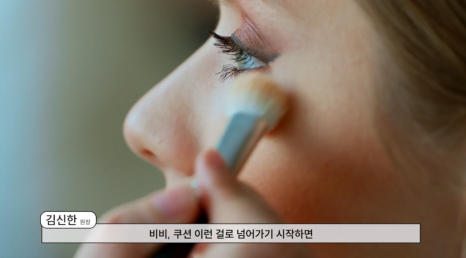
You would probably think, “I need to cover this first,” and hide the acne with thick foundation and concealer, spending the whole day as if you had flawless skin.
Makeup plays a very important role in covering skin flaws and shaping the look we want.
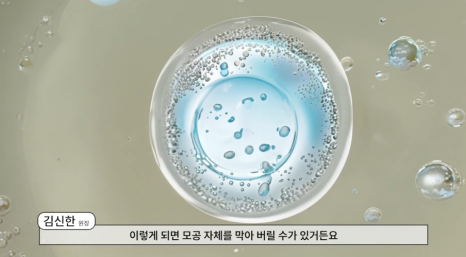
However, if this continues for a long time, sweat, sebum, and dust can become trapped in the pores, making it difficult for the skin to breathe properly.
In particular, when using cosmetics that contain a lot of oil, the products can mix with sebum, block the pores, and ultimately worsen acne.
And if you go to sleep without properly removing heavy makeup, cosmetic residue can remain on various parts of the skin, creating a playground for bacteria.
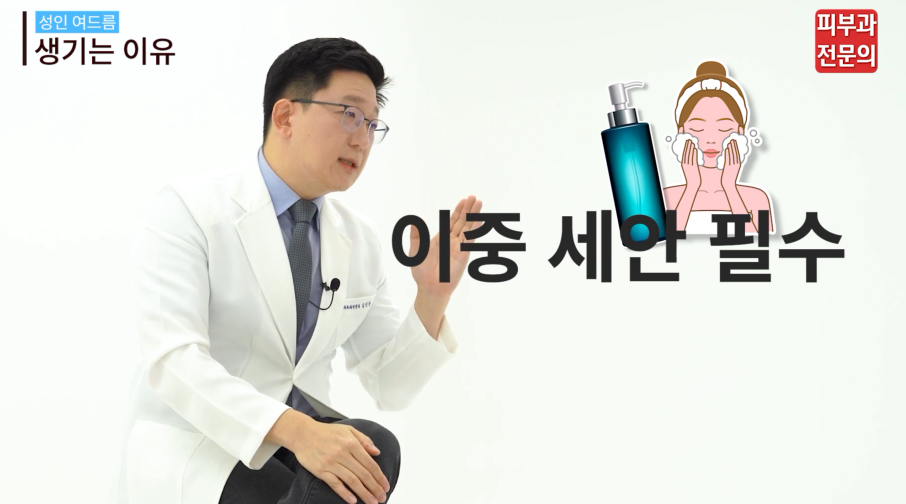
That is why, when washing your face, it is best to first use an oil cleanser to gently dissolve heavy makeup.
After that, you should use a low-irritation cleansing foam suited to your skin type to thoroughly wash away any remaining residue.
Finally, after cleansing, you should use toner to refine the skin’s texture, then apply enough moisturizer to protect the skin.
Is frequent face washing really a good way to manage acne?
People who struggle with acne often tend to wash their faces too frequently.
It may seem like removing oil will make the skin cleaner, and washing until it feels squeaky clean can make you feel refreshed.
However, washing too often can actually become a shortcut to damaging the skin.
Of course, it is true that sebum has a major influence on the development of acne.
But sebum is not just a ball of oil; it plays an important role in protecting our skin and preventing moisture from evaporating.
If you wash your face too often, this protective sebum keeps being removed, and the skin barrier can be easily damaged.
As a result, the skin can become more sensitive, and acne can develop more easily even from minor irritation.
In addition, increased physical friction can make the skin red and sensitive, and damage around the pores can worsen inflammation.
Therefore, it is best to avoid washing too often, and it is advisable to cleanse your face twice a day, in the morning and at night.
Also, hot water can strip the skin of moisture and make it dry, so it is better to use lukewarm water that is slightly warmer than body temperature.

How should acne be treated?
If you carelessly squeeze acne, the skin will suffer severe damage.
This can allow inflammation to spread within the skin, and it can also cause secondary scarring and pigmentation.
That is why you should not try to pop it yourself, but instead visit a clinic and receive appropriate treatment.
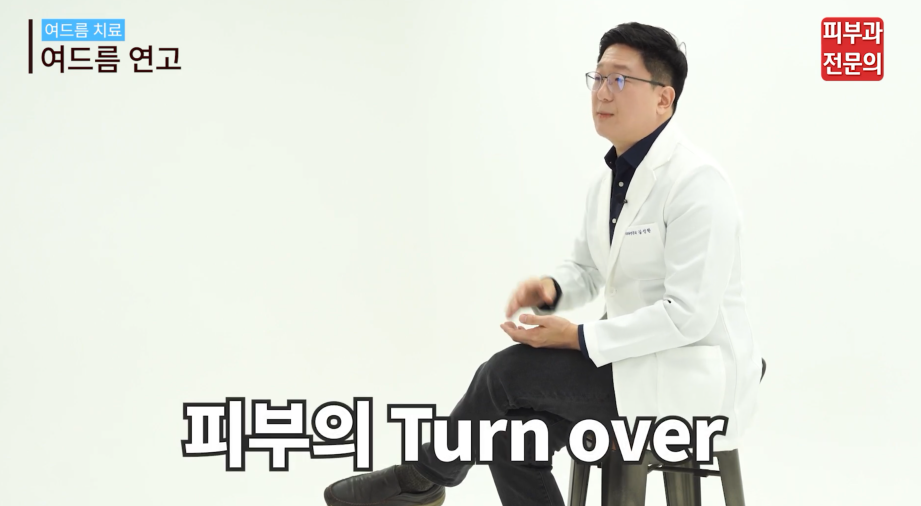
The medication treatment introduced today at Yeongdeungpo Market Dermatology is carried out using medicines that can be applied to the underlying causes of acne.
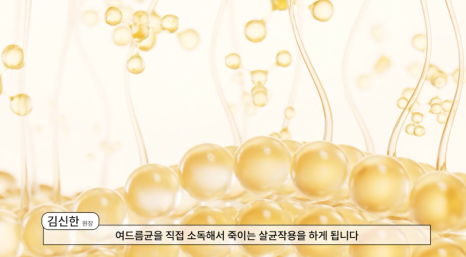
First, antibiotics, which many people are familiar with, can help suppress acne-causing bacteria in the skin and reduce inflammation.
In addition, retinoids can remove dead skin cells inside the pores and regulate sebum production, making improvement possible for red, inflamed acne.
Because these medications act deep within the skin, they have the advantage of potentially showing faster improvement than skincare that only manages the surface of the skin.
They can also be very helpful in controlling sebum production itself and preventing new acne from forming.
However, if treatment is carried out carelessly, the body may be strongly irritated and exposed to a higher risk of various side effects.
In particular, side effects such as liver function abnormalities and dryness can occur, so long-term dermatological care is absolutely necessary.
In addition, some acne medications can affect the fetus, so pregnant women or those planning to become pregnant must take them only after consulting a specialist.

Some people think, “It’s just acne; it will go away on its own with time.”
But if acne is not properly managed, it can remain as long-lasting scars or recur repeatedly.
That is why, rather than leaving acne untreated, I hope you will manage it early and establish an active treatment plan when necessary.
Also, instead of thinking that acne should disappear all at once, it is important to maintain the attitude of steadily managing it and building healthy skin, so please keep this in mind.
I hope the information shared today by Yeongdeungpo Market Dermatology will be helpful to those who are stressed by acne symptoms.
If you have any questions beyond the information above, please leave them in the comment box below.
We will answer kindly.
Thank you for reading the post from Yeongdeungpo Market Dermatology to the end.
| This post was written for informational purposes in compliance with Article 56, Paragraphs 1–15 of the Medical Service Act. All treatments carry the risk of side effects and complications depending on the individual. Before treatment, please be sure to have a thorough consultation with experienced medical staff before making your decision. |