When unnecessary files keep piling up on a computer, the computer eventually slows down and system errors occur.
Our skin is no different.
When pores become clogged with sebum and dead skin cells, and bacteria begin to multiply as well, an acne-related system error occurs.
However, when it comes to acne, many people think, “It’ll go away on its own with time,” and leave it untreated.
But acne is by no means a minor skin condition.
In particular, when acne becomes severe, inflammation can spread deep into the skin, and the area affected can become much larger.
In serious cases, it can develop into nodular acne, which may require a great deal of time and cost to treat.
For that reason, even for the sake of maintaining healthy skin, it may be advisable to visit a clinic as soon as possible and receive appropriate treatment.
I hope this post from Yeongdeungpo Market Station Dermatology is helpful for those of you planning acne treatment.
-
How to respond to acne early
-
Acne treatment methods
-
Precautions after acne treatment
What are the early response methods for acne?
When acne appears, it is easy to simply think, “I have acne!” However, treatment methods can differ depending on the type.
First, whiteheads and blackheads are classified as non-inflammatory acne.
Whiteheads refer to sebum trapped beneath the skin and appearing as white bumps, while blackheads are a form in which oxidized sebum turns dark.
Whiteheads and blackheads may improve to some extent with thorough cleansing.
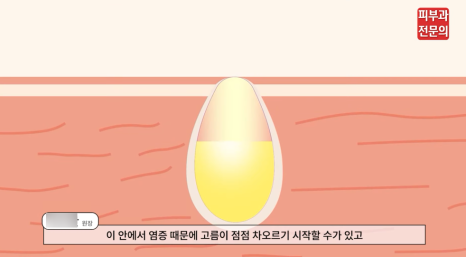
On the other hand, inflammatory acne refers to a condition accompanied by a strong inflammatory response, and yellow pus may be visible.
In addition, you may feel a dull ache, and a firm lump may be palpable.
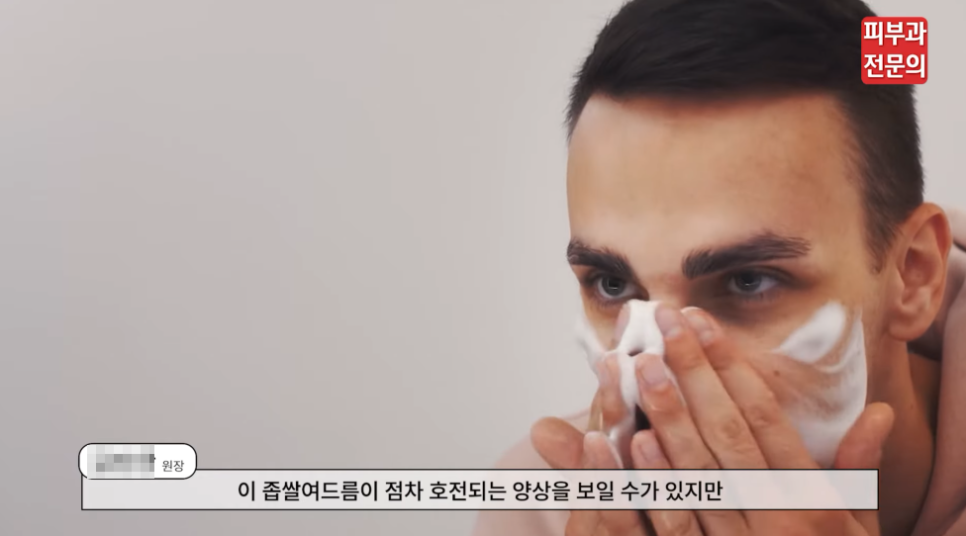
At this point, if you think, “Ah! If I squeeze it, it’ll disappear quickly,” and touch it, acne symptoms can rapidly worsen.
In severe cases, inflammation can spread within the skin and cause bigger problems, so it is best to avoid touching the affected area as much as possible and plan for treatment at a clinic.
How is acne treated at a clinic?
As mentioned above, different treatment methods may be applied depending on the type of acne symptoms.
First, for severe inflammatory acne, injection treatment may be performed with the goal of reducing the size of the lesion.
This is done using a steroid component that suppresses acne-causing bacteria, and through this, the size of the acne can gradually decrease.
However, if treatment is done too frequently, a side effect of skin indentations may occur.
Of course, this can naturally improve over time, but while the side effect remains, the patient may have to endure significant psychological stress. Therefore, it is best to follow the treatment frequency and interval instructed by the medical staff.
And for those whose acne is spread over a wide area, treatment with vitamin A derivatives, which can help reduce sebum production, the underlying cause of acne, may be beneficial.
However, vitamin A derivatives can have very harmful effects on the fetus, so if you are pregnant, it is best to plan treatment after consulting with the medical staff.
When it comes to acne, preventing recurrence is the most important thing.
Acne is not just a simple skin problem, but a chronic skin “condition.”
In other words, rather than thinking of it as something that can be completely cured, it is better to think of it as a condition that must be managed well.
First, acne can easily recur in people who genetically produce a lot of sebum or who frequently consume oily foods and foods high in sugar.
It can also recur when the face is not washed properly or dead skin cells are not exfoliated, causing pores to become clogged.
Therefore, if you naturally produce a lot of sebum, it is better to pay even more attention to cleansing, and it is advisable to do a second cleanse so that no makeup residue remains.
Also, excessive exfoliation may actually increase sebum production, so it is better to limit it to about once or twice a week.
In addition, it is better to reduce oily foods and high-sugar snacks, and it may help to eat vegetables and fruits rich in vitamins A and C.
Lastly, to maintain a clean environment, pillow covers, towels, and masks should be changed frequently, and smartphone screens should also be disinfected regularly.

The moment you let your guard down because your acne seems to have disappeared, it may reappear on your skin before you know it.
The key to acne treatment lies in how long you can keep your skin clean.
Skin health goes beyond simple outward beauty; it helps build confidence and improve quality of life.
So please do not overlook even small changes.
Please keep in mind that daily cleansing, choosing just one cosmetic product, and eating one healthy meal can determine the condition of your skin.
I hope this column from Yeongdeungpo Market Station Dermatology has been even a little help to those of you who are stressed by acne symptoms.
If you have any questions beyond what is written above, please ask through the comment box below.
We will kindly answer you at Yeongdeungpo Market Station Dermatology.
Thank you for reading to the end.
| This post was written for informational purposes in compliance with Article 56, Paragraphs 1 to 15 of the Medical Service Act. All treatments carry a risk of side effects and complications depending on the individual. Please make sure to have 충분한 상담을 진행한 후 decide after thorough consultation with experienced medical staff before treatment. |