The most common symptom of atopic dermatitis is itching.
However, the problem is that many people think of itching
as just a mild discomfort, like,
'It'll be fine if I just scratch a little.'
In fact, itching is one of the most primitive signals our body sends.
But if that signal repeats chronically and never stops—not even during sleep, studying, work, or even when trying to rest—it can become more than a simple inconvenience and turn into ongoing stress.
And the more you scratch, the more the skin barrier is damaged. As a result, wounds can form, and the risk of secondary infection can also increase.
That is why, if itching caused by atopic dermatitis continues or keeps recurring, it is important to visit a dermatologist early, get diagnosed, and establish a treatment plan that fits your condition.
In this column from an atopic dermatitis treatment clinic, we would like to share information that may help you plan your treatment.
-
Causes of atopic dermatitis
-
Factors that worsen atopic dermatitis and how to respond
-
Precautions when treating atopic dermatitis (antihistamines/steroids)

Why does atopic dermatitis develop in the first place?
Atopic dermatitis is not caused by a single factor; it is a skin condition that results from the combined effect of multiple factors.
One cause of atopic dermatitis is family history.
In particular, if even one parent has a history of atopic dermatitis or an allergic condition, the likelihood of passing atopic dermatitis on to children may increase.
In simple terms, this means the skin barrier itself may already be weakened from birth.
The second factor is skin barrier damage.
As mentioned earlier, atopic skin has a weakened natural moisturizing film or a weakened skin barrier.
Because of this, moisture escapes from the skin more easily, and external irritants can penetrate more readily.
In particular, if you are continuously exposed to ultra-fine dust, dry indoor air, and sudden temperature changes, the skin can dry and crack more quickly, which can rapidly worsen atopic symptoms.
Lastly, let’s talk about stress.
Stress can increase the secretion of cortisol, which may trigger inflammatory responses in the skin. In severe cases, it can also be accompanied by sleep deprivation and excessive fatigue, disrupting the skin’s regeneration cycle.


Why repeated scratching is a problem in atopic dermatitis
As mentioned at the beginning, the hallmark symptom of atopic dermatitis is itching.
And many people scratch the affected area to relieve it.
Of course, scratching the skin may provide a temporary cooling sensation.
But if you keep scratching, the skin barrier breaks down, creating holes in the shield that is your skin barrier and making it easier for bacteria to invade.
In addition, the skin in the repeatedly scratched area gradually thickens like a callus, which can lead to lichenified lesions.
In severe cases, damage can even reach deeper layers of the skin, causing brownish or reddish pigmentation.
That is why it is generally advisable to avoid scratching the affected area as much as possible.
At this time, the most important thing is not simply to 'endure the itching,' but to 'respond so that the itching does not occur.'
First, the most common cause of itching is 'dry skin.'
Therefore, it is a good idea to pay attention to moisturizing your skin regularly, and after showering, apply moisturizer within 3 minutes to help retain moisture.
And when you feel itching, applying a cold compress may help circulate blood that has pooled in a specific area.
Please remember that the wisest way to deal with itching is not to endure it, but to understand the cause, change the approach, and find a response that suits you.
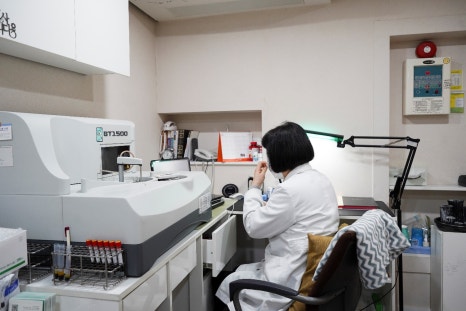

You need to know how to use atopic dermatitis medications.
Because symptoms and skin types differ from person to person, it is important to use various medications according to the situation rather than relying on just one treatment method.
First, when itching is severe, you can safely try taking an antihistamine that may help control the symptom.
When used, the signal from histamine is blocked, and you can expect a rapid relief of itching.
And if atopic symptoms do not improve and continue, treatment with a steroid ointment may be considered.
Steroid ointment can help control the inflammatory response that is the root cause of atopic dermatitis, and through this, you can expect improvements in redness and itching.
However, if steroids are used for a long period or in excessive amounts, the skin can be significantly damaged, increasing the likelihood of various side effects.
In severe cases, it may even cause blood vessel dilation and pigmentation due to skin atrophy.
That is why it is important to use them only according to the prescription and guidance of a dermatologist, and to carefully adjust the concentration and frequency depending on the area of use.
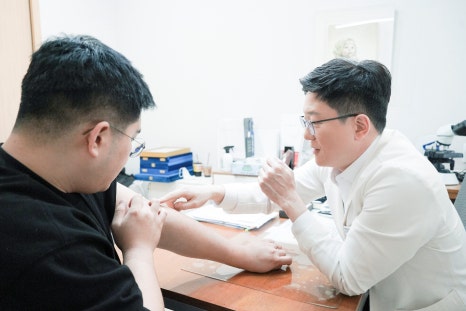

The skin is the first gateway through which our body sends us signals.
Therefore, do not take symptoms that appear on the skin lightly, and it may be wise to plan treatment as soon as possible.
And treating atopic dermatitis should not end simply with applying medication or taking medicine.
It is something that should be accompanied by the question, 'How well am I taking care of my body?' and by putting that answer into action.
Please remember that focusing on the skin is ultimately connected to caring for your lifestyle, your mind, and your biological rhythm.
I hope this column from the atopic dermatitis treatment clinic was helpful for patients with atopic dermatitis, and I will conclude here.
Thank you for reading the atopic dermatitis treatment clinic's post to the end.
| This post was written for informational purposes in compliance with Article 56, Paragraph 1 through 15 of the Medical Service Act. All treatments carry the risk of side effects and complications depending on the individual. Before treatment, please make sure to have sufficient consultation with experienced medical staff before making a decision. |