When people talk about itching, many think of it as simply an uncomfortable sensation.
However, itching is a symptom that has a major impact on daily life, emotions, sleep, and concentration.
First, once the itch is felt, it can disrupt sleep, and this can lead to a decline in concentration.
Not only that, it can also cause irritation, eventually leading you to touch and scratch the affected area.
And the chain reaction caused by that one touch is more significant than you might think.
Once scratching begins, the skin barrier can collapse like dominoes.
Bacteria then invade the skin, fluid oozes out, and the vicious cycle that begins this way can deepen further and further.
Atopic dermatitis is a skin condition that causes severe itching, and its symptoms can worsen over time.
In addition, as the affected area continues to be scratched, it can lead to lichenification, a condition in which the skin becomes abnormally thick.
That is why, in order to improve this condition, you need to understand how to properly and medically address atopic dermatitis, the source of the itch.
Today, at Seoul Atopy Hospital, I will explain in detail the fundamental causes of atopic dermatitis, its treatment, and how to deal with itching, so please pay close attention from here on.
- Causes of atopic itching and how to manage it
- How to treat atopic dermatitis with steroid ointment
- How to prevent recurrence of atopic dermatitis
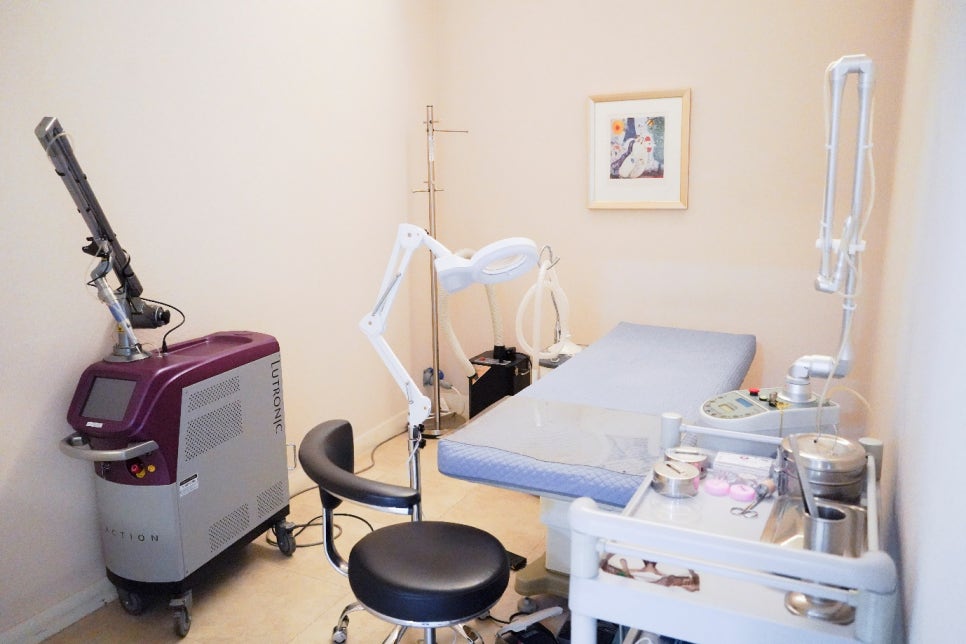
Atopic itching: why does it happen and how should you respond?
Patients with atopic dermatitis have a severely weakened skin barrier.
Healthy skin, like a sturdy brick house, blocks outside irritants well, whereas atopic skin is like a house whose mortar between the bricks has crumbled, reacting too easily to outside substances, irritants, bacteria, and temperature changes.
And the skin of patients with atopic dermatitis is excessively dry, so even small stimuli can cause nerve endings to overreact.
In addition, even the slightest external irritation can trigger an inflammatory response, releasing histamine at that site and causing itching.
As I always say, repeated scratching can be the starting point of a vicious cycle for the skin.
That is why, rather than scratching the skin carelessly, it is important to find the right way to respond.
First, because itching occurs when the skin nerves become excited, applying a cold compress to the affected area can help control the itch.
However, if you place ice directly on the skin, it may cause minor or major damage, so please wrap the ice in a cloth or towel and use it briefly for 5 to 10 minutes at a time.
Also, excessive showering can instead strip the skin of lipids and make the itching worse.
Therefore, rather than washing too often, it is preferable to wash properly once a day.
Lastly, when the skin becomes dry, itching intensifies.
That is why I recommend moisturizing at least 2 to 3 times a day, and whenever you feel that your skin is becoming dry, to help protect your skin.


The key tool in atopic dermatitis treatment: steroid ointment?
When people think of atopic dermatitis treatments, many likely think of “steroid ointment.”
Steroid ointment has the characteristic of quickly suppressing the inflammatory response that causes atopic dermatitis and helping calm an overactive immune response.
Through this, you can expect a gradual improvement in the rash and itching caused by atopic dermatitis.
However, using steroid ointment too much, too often, or for too long can increase the risk of various side effects.
That is why it is advisable to have a proper understanding of steroid ointment and use it safely.
First, steroid ointments are classified into 7 levels according to strength.
Therefore, for areas where the skin is thin, it may be appropriate to use a mild, low-irritation steroid, while for areas where the skin is thick and the lesions are severe, it may be advisable to use a medium- to high-strength ointment.
Also, rather than applying a large amount of steroid ointment, it is better to use the appropriate amount according to the doctor’s instructions.
In addition, if steroid treatment is stopped suddenly, steroid rebound symptoms may occur, in which the symptoms become even more severe. Therefore, when discontinuing treatment, please gradually reduce the use of the ointment.
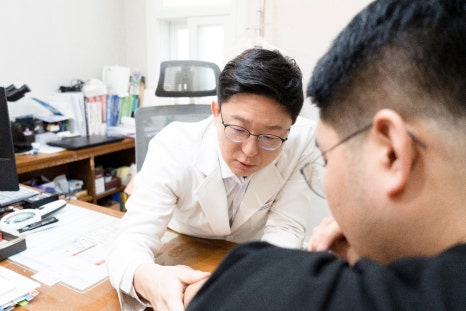
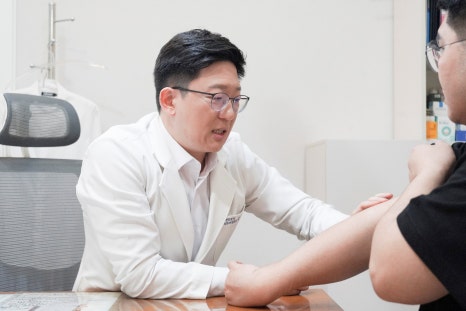
Post-treatment care for atopic dermatitis: this is how you should do it.
Many people think atopic dermatitis is a condition that ends once it improves.
But in fact, atopic dermatitis is a condition in which management is more important than cure.
In simple terms, it may be better to understand that care after treatment is more important.
Even if atopic skin appears to have recovered, it is like wood that is dry on the inside; if care is neglected even a little, symptoms can recur before you know it.
That is why it is good to regard consistent moisturizing as an “extension of treatment” and apply moisturizer frequently.
Exercise may help with stress control, but if you sweat too much, atopic symptoms can appear again, so rather than intense exercise, it may be better to take moderate walks, do yoga, or stretching.
Also, when exercising, please choose clothing that is loose and made of soft materials rather than tight-fitting clothes.
Lastly, atopic dermatitis is greatly influenced by your usual eating habits.
In particular, dairy products, wheat flour, and instant foods can trigger itching or inflammation in some patients, so please identify which foods do not suit your body and keep a note of any suspicious foods in a memo pad.



Atopic dermatitis is a problem that arises from the interaction between constitution and environment.
And through steady effort, your constitution can be adjusted, and the environment can also be managed.
However, the process of controlling the causes of atopic dermatitis is by no means short or easy.
That is why it is a good idea to establish a consistent treatment and management plan, and it is important to develop the habit of caring for your skin even when you have no symptoms.
Please remember that small habits such as moisturizing three times a day, showering without overdoing it, wearing clothing that does not irritate the skin, and cooling the skin with cold water when it itches can all help improve atopic dermatitis symptoms.
I hope this column from Seoul Atopy Hospital has been helpful for patients with atopic dermatitis.
If you have any questions beyond the information above, please ask in the comment box below.
Thank you for reading the Seoul Atopy Hospital post to the end.
| This post was written for informational purposes in compliance with Article 56, Paragraphs 1 to 15 of the Medical Service Act. All treatments carry the risk of side effects and complications depending on the individual. Before treatment, be sure to have a thorough consultation with a medical professional with extensive experience and make your decision afterward. |