The outermost layer of the skin, the scales, is not merely an unsightly peel; it is an indicator of skin health and a protective barrier.
A healthy skin renews itself in a cycle of about 28 days, with old cells naturally shedding and new ones replacing them.
However, when something goes wrong in the body, problems can arise in this scale-producing cycle.
And that, in turn, appears as various skin symptoms.
In particular, when skin cells are produced 5 to 10 times faster than normal, abnormally formed skin cells can cover the affected area and create thick scales.
The condition to suspect in such cases is psoriasis.
Psoriasis is a type of chronic skin disease, and it has the 특징 of potentially affecting not only the body but also a person’s psychological well-being.
In this Mullae Dermatology recommendation post, we will take a deeper look at psoriasis, so please stay focused from here on.
- Causes of psoriasis
- How to prevent psoriasis
- Precautions for psoriasis treatment
Psoriasis happens because of this.
Immune cells in our body play a role in maintaining a healthy state by attacking external invaders such as viruses and bacteria.
However, if these immune cells mistake normal skin cells for enemies and attack them, various problems can occur throughout the skin.
In particular, this can develop into psoriasis, where scales build up, inflammation occurs, and red, thick rashes appear.
And if problems such as dry environments and lack of sleep accumulate over time, these symptoms can become even more pronounced.
In addition, when you are under stress, the stress hormone cortisol is secreted, which affects the immune system and can lead to severe inflammatory reactions.
Also, psoriasis tends to occur frequently on areas that are often bumped and exposed to friction, such as the elbows, knees, and shins.
Furthermore, symptoms of psoriasis can worsen significantly even after suffering from cold-related illnesses such as tonsillitis or pharyngitis.



Lifestyle rules that psoriasis patients must follow
As mentioned earlier, psoriasis is known to be closely related to the immune system in our body.
Because of that, keeping the immune system stable is the most basic of basics when it comes to preventing psoriasis.
First, getting enough sleep is the first step in preventing psoriasis.
Sleep deprivation can cause various problems in the immune system, so it is best to make a habit of going to bed at a set time every day.
Stress can also be a major cause of skin inflammation, so we hope you manage stress through meditation, exercise, walks, and hobbies you enjoy.
In addition, as many people know, psoriasis can easily worsen in dry environments.
Therefore, it is a good idea to consciously apply moisturizer generously in daily life, and after showering, applying moisturizer within 3 minutes can help protect the skin.
Lastly, as mentioned earlier, psoriasis often occurs in areas with frequent friction.
This is called the Koebner phenomenon.
Therefore, to prevent this phenomenon, it is best to avoid wearing tight clothing, and please also avoid rubbing your body vigorously with rough towels.

If you are planning treatment for psoriasis...
Many people think that ultraviolet rays will have a negative effect on the skin.
However, moderate ultraviolet exposure can be very helpful in improving skin health.
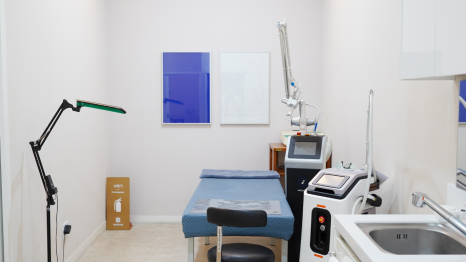
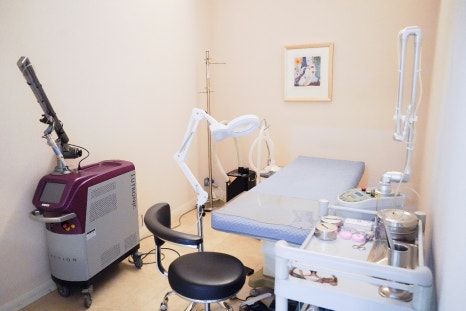
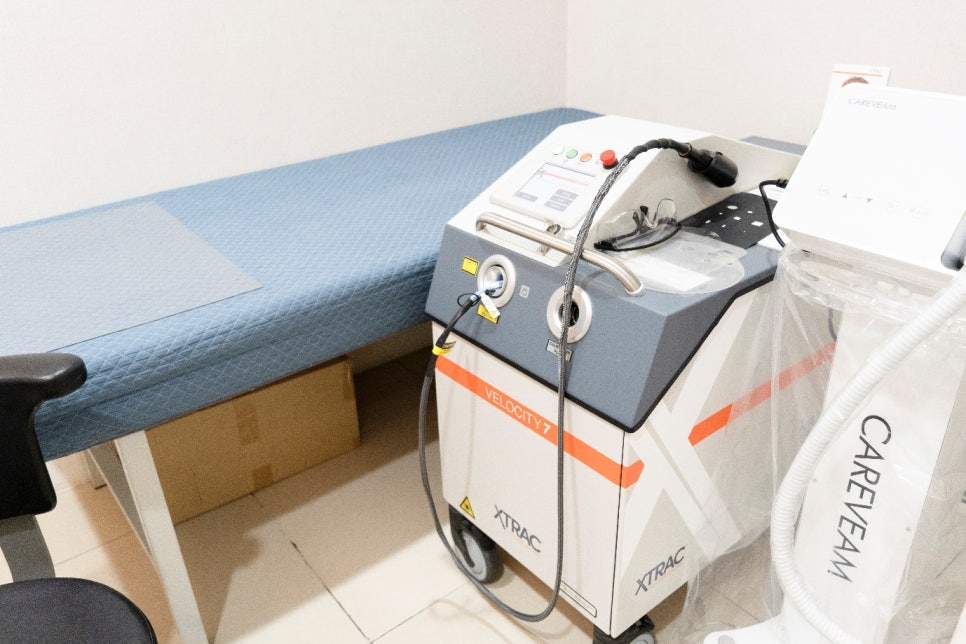
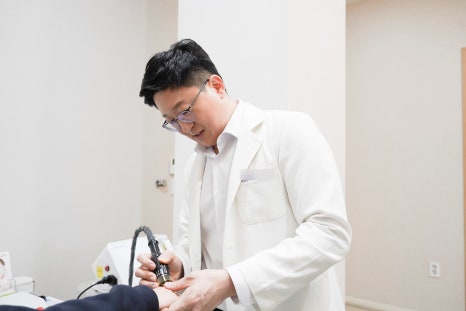
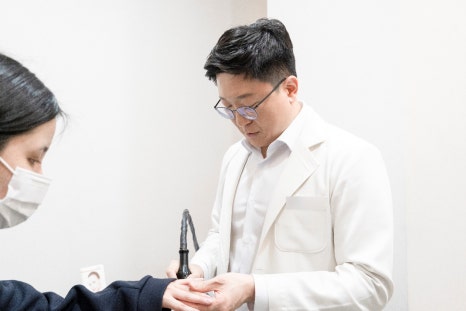
The Excimer laser treatment introduced today uses ultraviolet light of a specific wavelength.
This treatment is performed by directly irradiating the lesion with light at a wavelength of 308 nm to help control skin inflammation and immune responses.
Through this, you can expect improvement in itching, red rashes, and thick scales, as well as normalization of the scale-producing cycle.
In addition, Excimer laser treatment focuses the laser on a localized area, which has the advantage of having little effect on the surrounding normal skin.
On top of that, because no medication is used, even those who are concerned about drugs can receive treatment more comfortably.
However, since this is a treatment that uses ultraviolet light, if the laser is applied too strongly, side effects such as skin burns may occur. Therefore, it is best to consult with medical staff first and receive treatment at an intensity suitable for you.
Psoriasis is a complex disease that begins deeper than the visible symptoms, arising when the balance of the immune system in our body is disrupted.
And for that reason, improvement of symptoms is not completed with just one method.
Improvement in psoriasis symptoms can begin only when everything—detailed diagnosis, consistent treatment, and lifestyle correction—comes together in harmony.
So rather than placing all your hopes on treatment alone, it is better to continue steady care alongside treatment to maintain healthy skin condition.
Also, suitable treatment methods, number of treatments, and intervals may differ depending on the patient’s skin condition, so please plan treatment after undergoing a thorough examination.
We hope this Mullae Dermatology recommendation column was helpful to patients with psoriasis.
Thank you for reading the Mullae Dermatology recommendation post to the end.
| This post was written for informational purposes in compliance with Article 56, Paragraphs 1 through 15 of the Medical Service Act. All treatments carry a risk of side effects and complications depending on the individual. Before treatment, please be sure to have a thorough consultation with experienced medical staff before making a decision. |