Acne is a common symptom that almost everyone experiences at least once in their lives.
Not only during school years, but even after becoming an adult, people end up dealing with various levels of stress because of sudden breakouts.
At this point, acne can feel almost like a lifelong companion.
Perhaps that is why many people consistently maintain a skincare routine to help prevent acne.
From acne-specific cleansing foam to exfoliators, moisturizing cream, soothing masks, and spot patches...
They really care for their skin in so many different ways.
However, even with all that effort, acne can still appear again before you know it.
Acne is not simply a skin blemish, but a "skin condition" caused by a combination of factors.
That is why it may be advisable to maintain consistent care based on an understanding of what causes acne.
Today, I will talk about the proper ways to manage and treat acne.
-
Causes of acne
-
How to prevent and control acne
-
Treatment methods for pustular acne
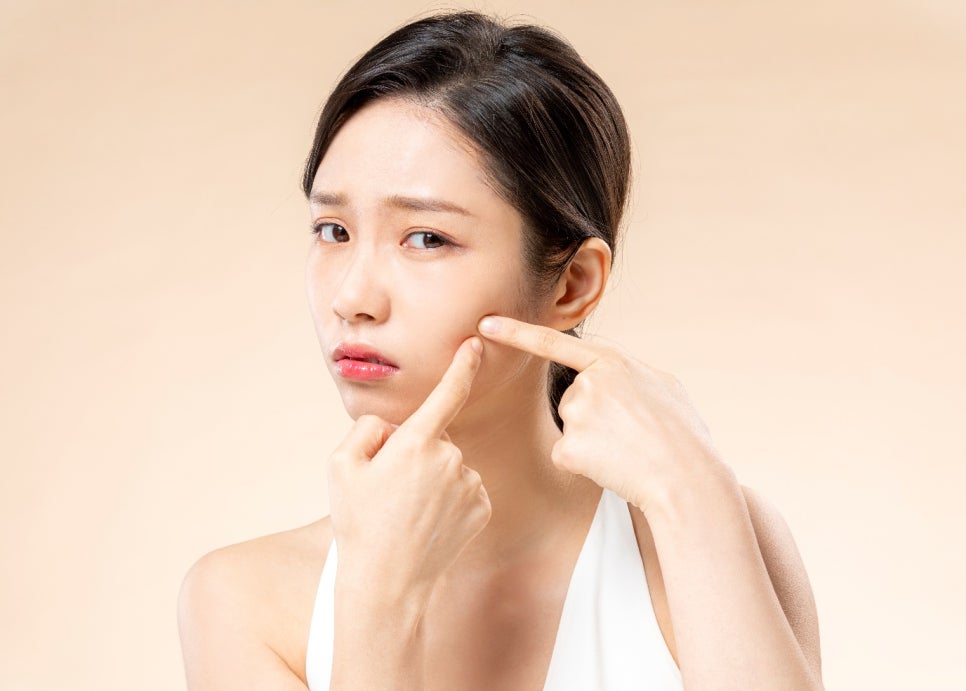
The complex causes of acne
Acne is a skin condition caused by excessive sebum production.
However, this is not something that can be explained simply as "it happens because of too much oil," because many different factors are intricately involved.
Even if you use the same products, follow the same routine, and eat the same foods,
some people get acne while others do not.
In particular, when dead skin cells that should naturally shed remain on the skin, pores can become clogged, sebum can build up, and inflammation caused by acne-causing bacteria can begin.
In addition, hormonal changes are also cited as a cause of acne.
Because of this, acne can suddenly flare up during puberty or before menstruation.
On top of that, excessive stress, cosmetics, and external irritation are also known as major causes of acne.
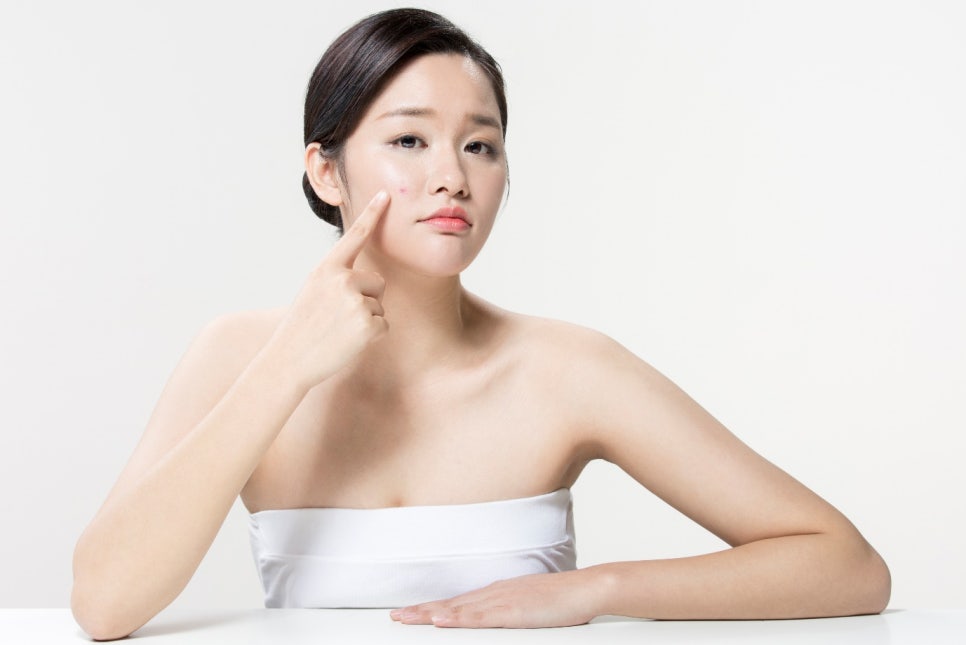
How to care for acne prevention and control
For acne, it is important to maintain consistent care before the symptoms spiral out of control.
First, some people wash their face regularly to prevent acne, but you should not focus only on a squeaky-clean feeling.
In particular, harsh foam cleansers or scrubs can actually damage the skin barrier and stimulate sebum production even more, so
it is better to cleanse gently twice a day with a mild cleanser and lukewarm water to keep pores clean without overdoing it.
The second is moisturizing.
When the skin becomes dry, sebum production can become excessive, so after washing your face, it is advisable to apply enough moisturizer to protect the skin.
The third is not to touch your face too often.
If you keep touching your skin, it can lead to secondary infection, pigmentation, and scarring,
so when your face feels itchy, please lightly press it with a clean towel or cotton pad rather than using your hands.
Lastly, reduce heavy makeup use.
Heavy base makeup and foundations with strong coverage can clog pores and irritate acne.
Therefore, it is best to avoid frequent makeup, and to cover only the necessary areas with lightweight products.
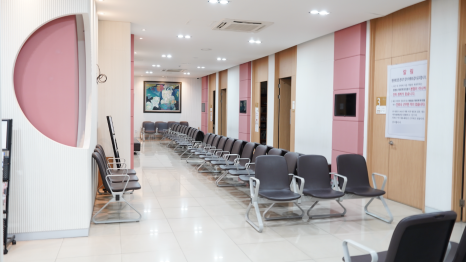

What treatment methods are there for pustular acne?
Acne is a skin condition that generally requires active treatment rather than improving on its own.
First, the treatment methods for pustular acne that can be applied to acne symptoms are as follows.
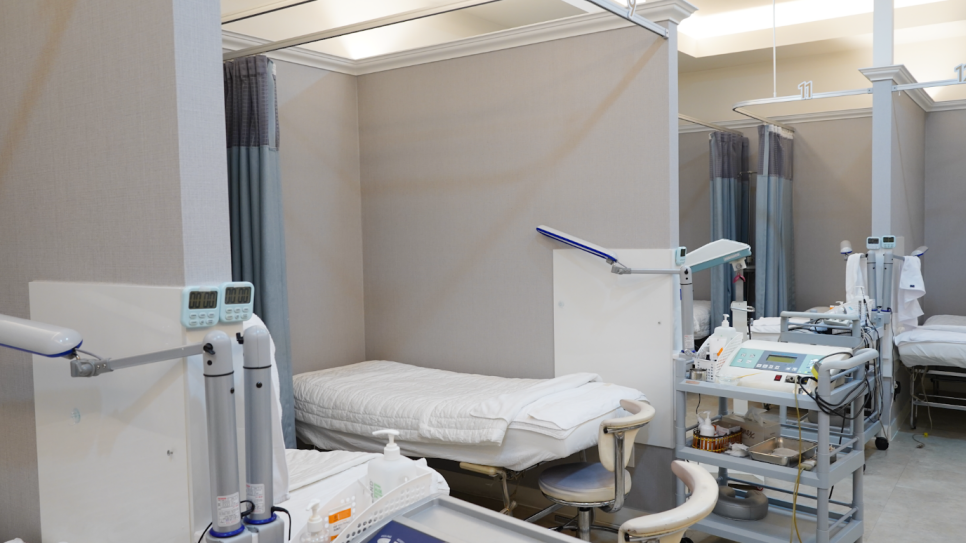
✔️ Acne extraction treatment
Extraction is not simply squeezing acne.
In dermatology extraction treatment, steam is used to open the pores, and then the problematic comedones are removed with clean tools.
✔️ Anti-inflammatory injection treatment
Acute acne, especially pustular acne, is likely to leave scars if it is not controlled quickly.
At this time, anti-inflammatory injection treatment using steroid-based medication can help suppress the growth of acne-causing bacteria.
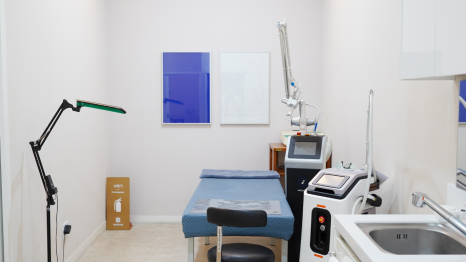
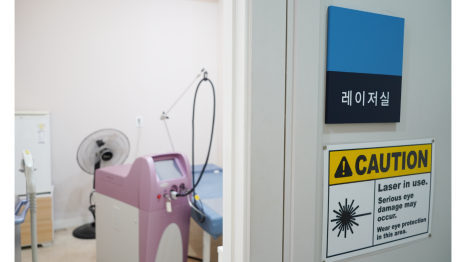
✔️ Sebaceous gland laser
If the skin produces too much sebum, laser treatment that controls the sebaceous glands themselves may be necessary.
Sebaceous gland laser treatment targets the problematic sebaceous glands, and it has the characteristic of helping regulate excessive sebum production itself.
Acne is not just a pimple on the skin’s surface.
It is a skin condition involving a complex combination of sebum, inflammation, hormones, and lifestyle habits.
Because of this, it may be difficult to expect satisfying improvement from short-term care or just one treatment method.
However, if systematic treatment and care are carried out under the diagnosis of medical professionals, sufficient symptom improvement can be expected.
So please be sure to keep in mind the information shared today and actively plan your treatment.
I hope today’s column was helpful for acne patients.
Thank you for reading to the end.
| This post was written for informational purposes in compliance with Article 56, Paragraphs 1 to 15 of the Medical Service Act. All treatments carry a risk of side effects and complications depending on the individual. Before treatment, please make sure to have a thorough consultation with experienced medical professionals before making a decision. |