Smooth skin, by itself, inspires trust.
A person who takes good care of themselves, a neat image, and a likable impression—healthy skin expresses all of these at once.
But healthy skin does not stay that way just by leaving it alone.
UV rays, fine dust, masks, sebum, stress, lack of sleep, and more—our skin fights a battle every single day.
Especially when the weather changes drastically and there are many external irritants like there are these days, the skin’s balance can easily become disrupted, and small acne lesions may appear all over the skin.
And once acne appears, it can last for weeks, and in severe cases, inflammation may develop deep within the skin.
That is why, if acne begins to appear where it had not existed before, it is advisable to plan treatment suited to your condition before it gets any worse.
Today, I would like to share information that may help those who are stressed by acne that just will not go away no matter how hard they try.
-
Causes of acne
-
Ingredients used in teen acne ointments
-
How to prevent acne recurrence

What causes acne?
Acne is a skin condition that develops through a combination of factors such as sebaceous glands, dead skin cells, acne bacteria, and hormones.
First, if dead skin cells do not shed properly, they can block pores and prevent sebum from being discharged properly.
This can then lead to non-inflammatory acne such as blackheads, whiteheads, and tiny bumps.
In addition, when the oxygen-avoiding "acne bacteria" multiply in this area, the affected site may become red and swollen, and throbbing pain and itching may accompany it.
Also, when excessive stress accumulates, the hormone cortisol increases, which makes the sebaceous glands work more actively, and as a result, noticeable inflammatory acne may occur.
And if you try to squeeze it out indiscriminately, small and large damage may be done to the subcutaneous tissue, which can cause dark acne scars. So rather than squeezing acne yourself, it is advisable to visit a clinic and receive treatment suited to your condition.
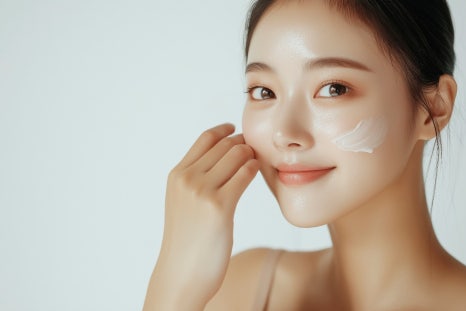

What ingredients are used in teen acne ointments?
For acne, treatment with a topical ointment for teen acne may be applied first.
✅ Antibiotics
The main culprit that worsens acne is a bacterium called acne bacteria.
This bacteria settles in the pores, creates inflammation, and causes red, painful acne to grow.
Antibiotics function by attacking acne bacteria and reducing inflammation.
Through this, you can expect the effect of quickly improving red, pus-filled acne.
✅ Retinoids
Retinoids do more than suppress inflammation; they function to suppress sebum secretion itself, which is the root cause of acne.
And by helping dead skin cells shed smoothly, they can help prevent clogged pores.
In this way, antibiotics and retinoids are characterized by their purpose of quickly calming inflammation and normalizing skin turnover.
However, if these medications are used excessively, resistance to the medication can develop, so it is best to be sure to follow the instructions for use provided by the medical staff.
Also, when you first start using retinoids, your skin may feel like it is peeling. This is a completely natural phenomenon that occurs due to the function of the medication and will improve on its own over time, so there is no need to worry too much.
How can you manage acne to prevent recurrence?
People who have always had severe acne often have large and active sebaceous glands to begin with.
This means that if you neglect care even a little, your skin can return to how it was before.
In particular, if lifestyle habits such as sleep, eating habits, and stress control are not adjusted at all, symptoms may recur again not long after treatment.
That is why it may be advisable to maintain healthy skin through consistent care even after treatment.
First, just because you have a lot of sebum does not mean you should wash your face harshly; doing so may cause the skin to secrete even more oil.
Therefore, it is better to use a mildly acidic cleanser and wash with lukewarm water twice a day.
And since dead skin cells can block pores and become a major cause of acne recurrence, periodic exfoliation may be helpful.
However, if you exfoliate every day, the skin barrier may be damaged instead, so it may be best to keep it light and do it only once or twice a week.
Lastly, excessive intake of sugar, fat, and dairy products can make acne more likely, so please be sure to pay attention to your diet as well.
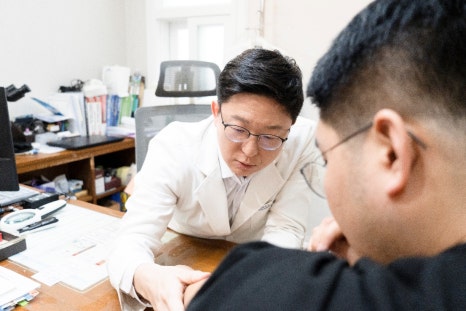
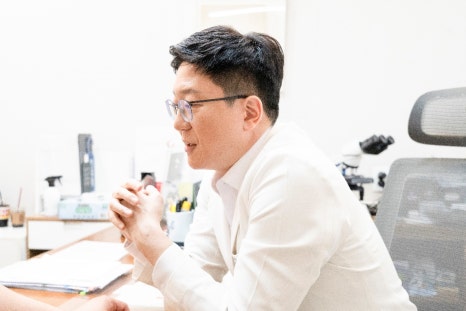
Acne is a chronic skin condition that can recur at any time if you let your guard down, even if symptoms have improved.
That is why consistent management to prevent recurrence is just as important as treatment.
The skin responds to our daily lives every day.
Sleep, eating habits, and stress can all either cause or prevent acne.
That is why, in addition to the care you can do yourself, regular checkups with dermatology medical staff are also necessary.
I hope today's column was helpful to those who are stressed by acne symptoms.
If you have any questions other than the above, please leave them in the comments section below.
We will answer kindly.
Thank you for reading to the end.
| This post was written for informational purposes in compliance with Article 56, Paragraph 1 through 15 of the Medical Service Act. All treatments carry the risk of side effects and complications depending on the individual. Before treatment, be sure to have a 충분한 consultation with a medical professional with extensive experience before making a decision. |