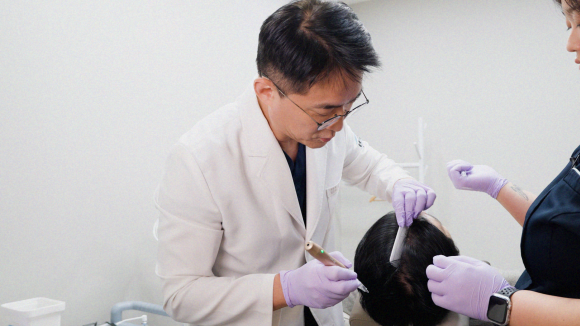
Hair anti-aging? It’s time to give your hair careful aging management too.
Hello.
I’m Choi Won-woo, a dermatologist with 23 years of clinical experience.
When I talk with middle-aged patients in the clinic, one of the concerns they bring up as deeply as wrinkles or loss of elasticity in the face is the change in their hair.
As they pass through their 40s and 50s, many notice that their hair volume has decreased significantly compared with before,
and they often say it’s discouraging that no matter how carefully they blow-dry their hair, the volume quickly falls flat.
When people experience these changes, they first worry whether they may have developed a hair loss condition, but this has a somewhat different nature from pathological hair loss.
Just as it is natural for wrinkles to appear and elasticity to decline as we age, the scalp and hair also go through an aging process over time.
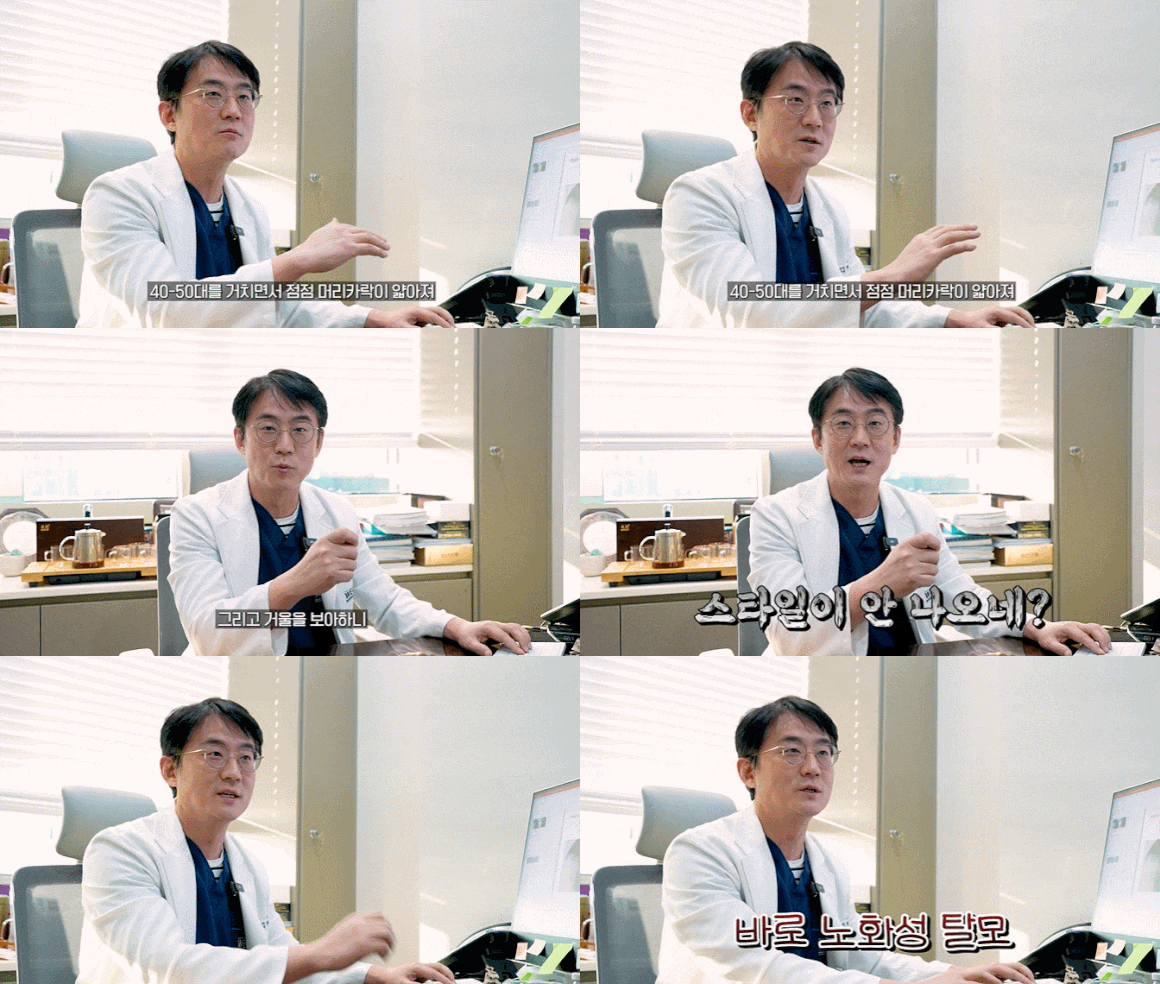
It is not simply a matter of how many hairs fall out. This phenomenon, in which the hair itself loses strength, becomes thinner, and loses vitality, is what we call hair aging.
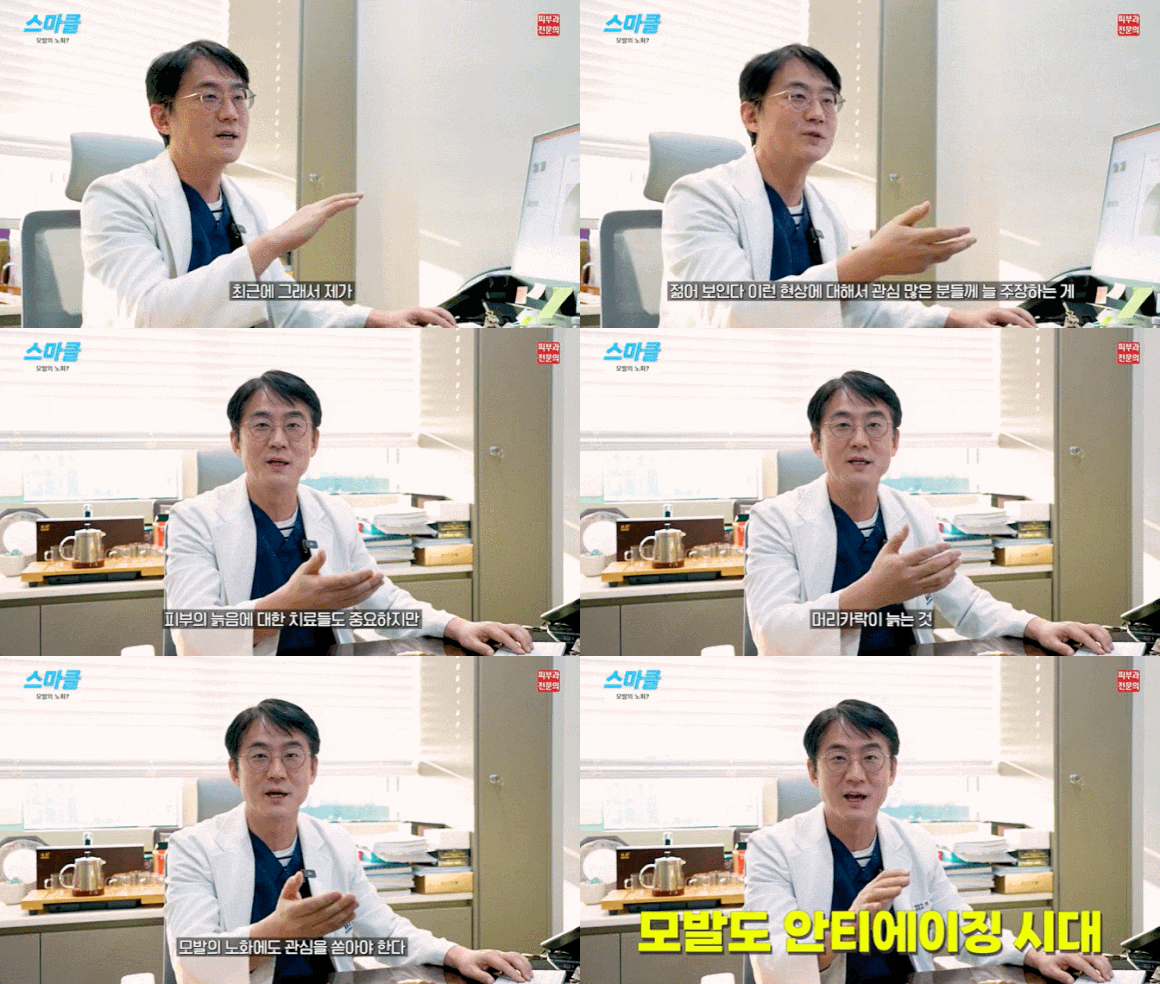
Recently, just as people use skincare products and undergo procedures to care for their skin and focus on anti-aging,
there is growing awareness that hair, too, should have its aging slowed through care and treatment, allowing it to regain health.
Today, I’d like to clearly explain the difference between hereditary hair loss and age-related hair loss, which many people confuse,
and then go step by step through the management directions for anti-aging that are currently drawing attention in the medical field.
Table of Contents
-
Heredity and aging differ in their starting point and pattern.
-
A stalled cellular clock makes hair thinner.
-
A medical approach is needed to turn back hair’s time.
-
Heredity and aging differ in their starting point and pattern.
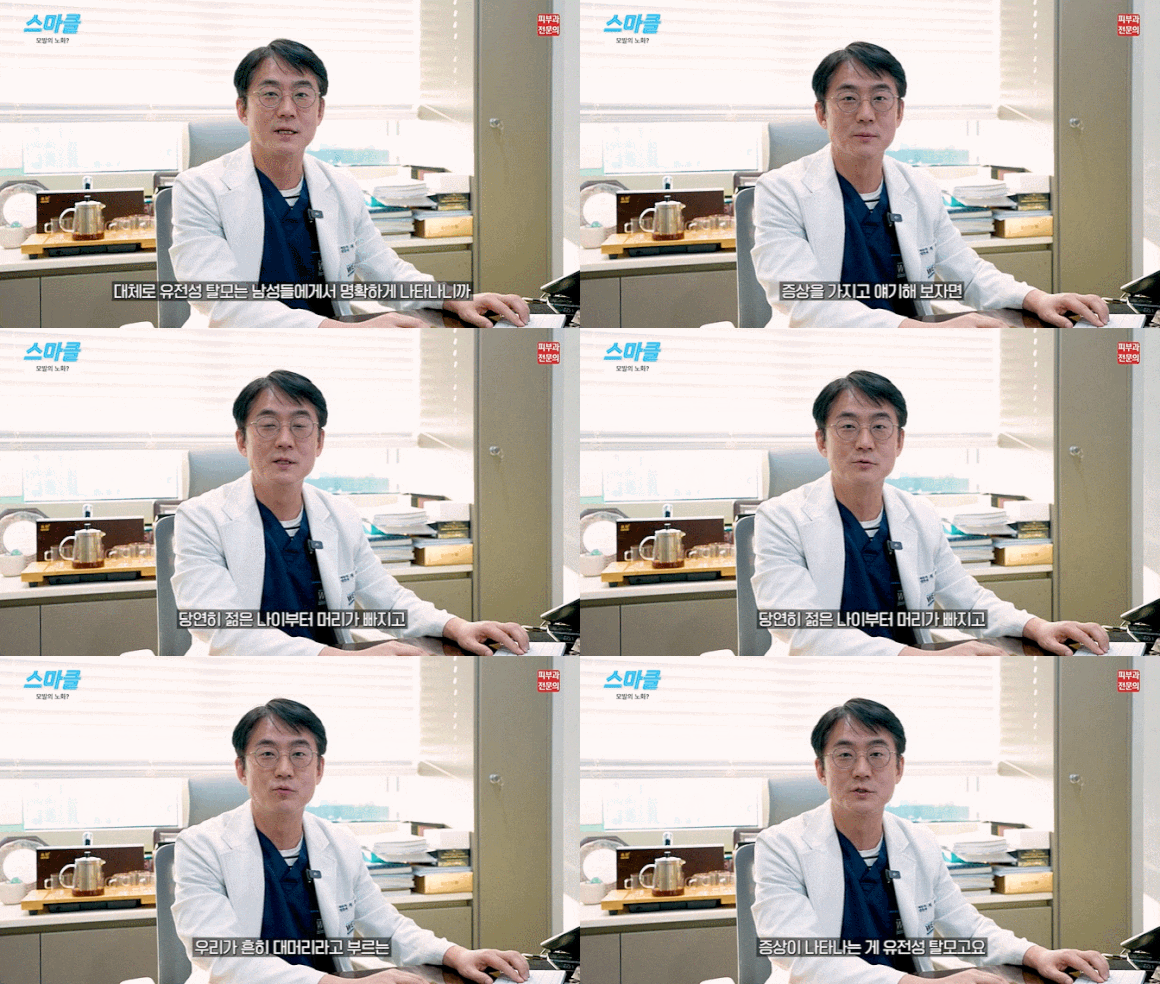
When you hear the word hair loss, the first thing that comes to mind is likely genetic factors.
This includes androgenetic alopecia, represented by the M-shaped hairline commonly seen in men and crown hair loss in women.
This occurs because of an inherited sensitivity to a hormone called DHT,
and it often begins at a relatively young age, in people in their 20s or 30s, with the characteristic that specific areas become noticeably sparse.
Because the hereditary cause has already been clearly identified, drug treatment that suppresses or regulates hormonal action has been standardized, and its effectiveness has also been proven.
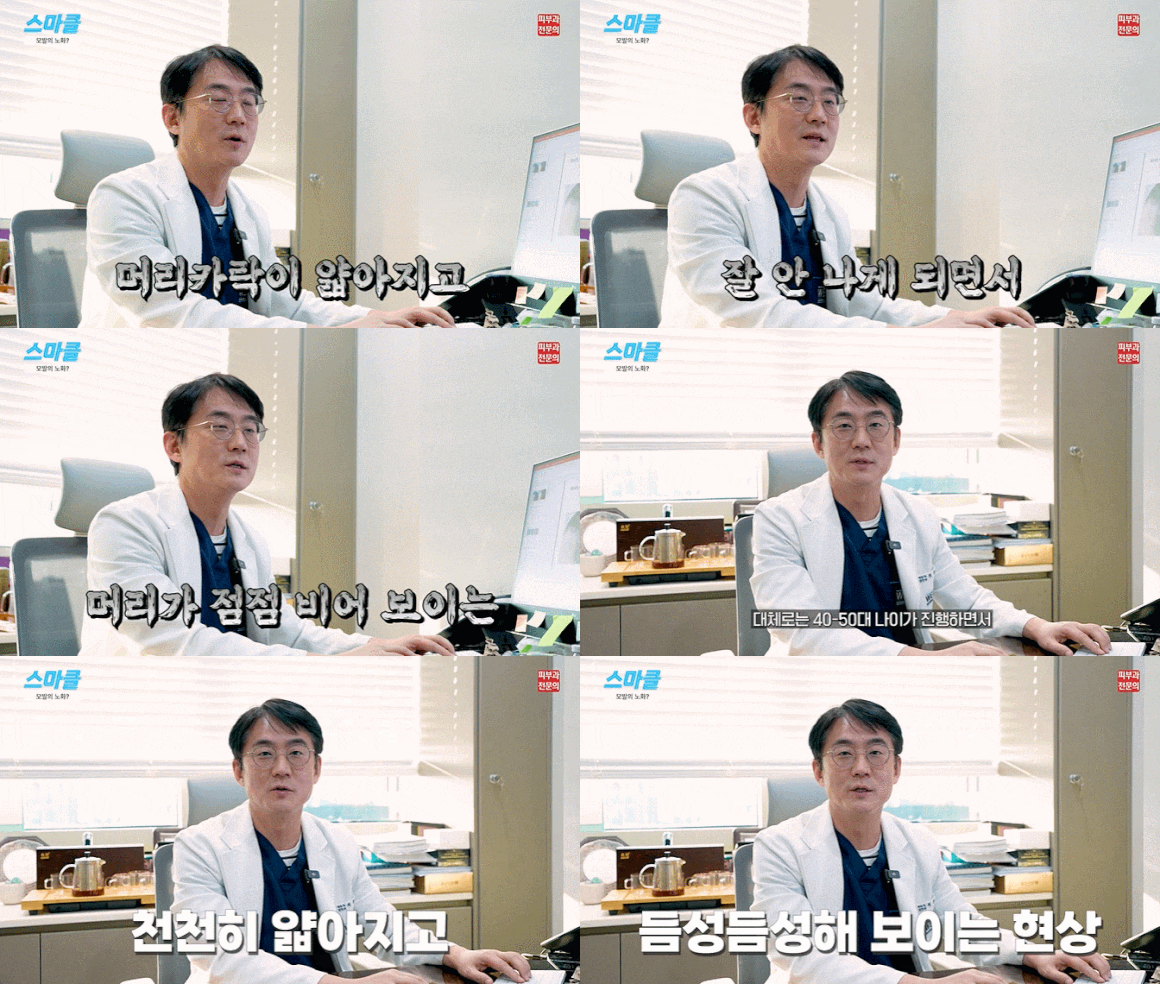
However, the age-related type that we need to pay attention to shows a somewhat different pattern.
Even without a specific gene, it is one of the natural bodily changes that everyone experiences starting in the mid-40s.
Rather than hair falling out in one concentrated area, overall hair volume decreases,
and each strand becomes thinner, making the scalp look more exposed.
As with how muscle mass declines as we get older, this happens because the function of the hair follicles weakens overall,
so there are limits to how much improvement can be achieved with medication that simply regulates hormones.
- A stalled cellular clock makes hair thinner.
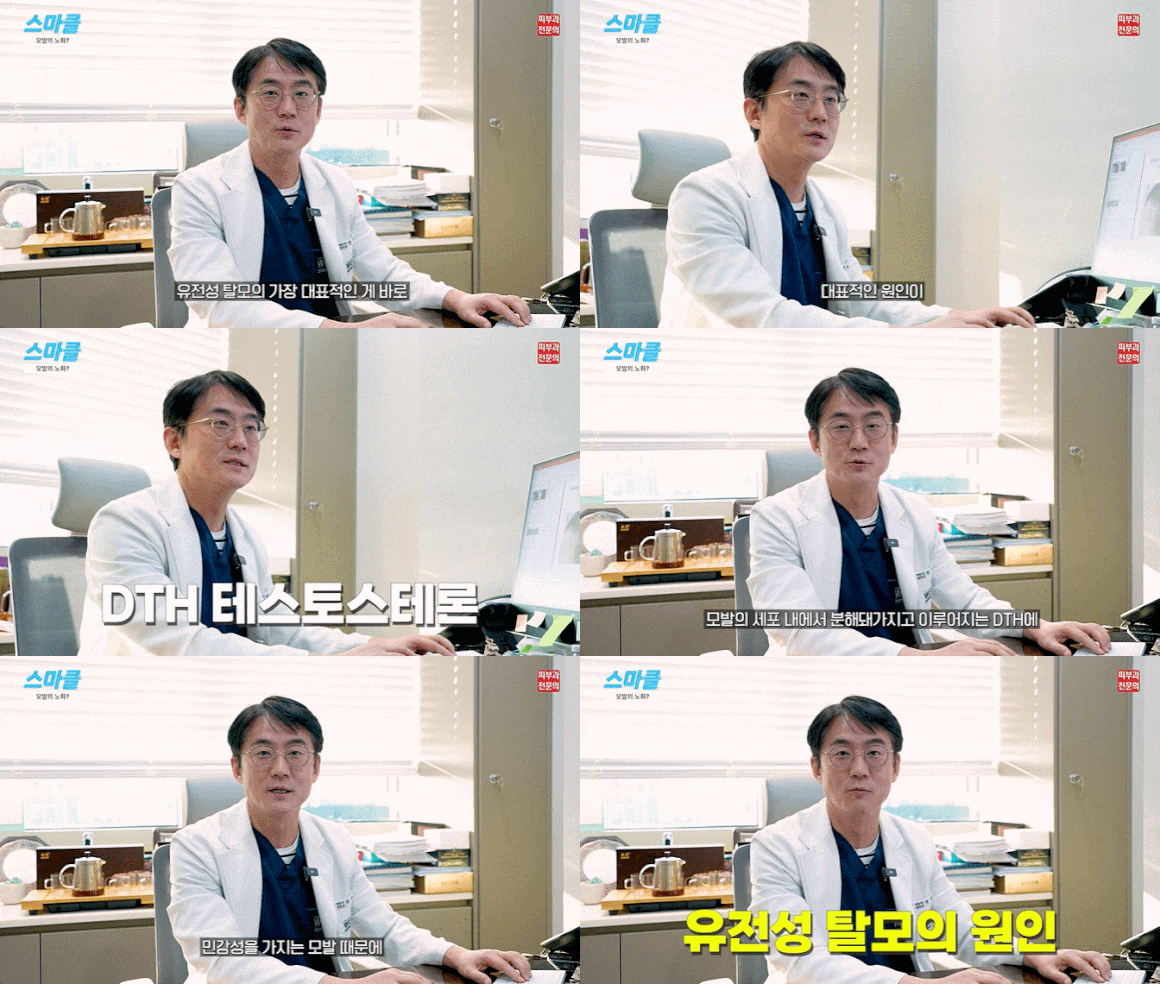
So then, why does hair become thinner and weaker with age? We need to look at the underlying cause.
The key lies in the decline of the function of ‘hair follicle stem cells,’ which are the part that produces hair.
In youth, these cells actively generate energy and rapidly produce thick, strong hair,
but as aging progresses, cellular function declines and the efficiency of hair production drops sharply.
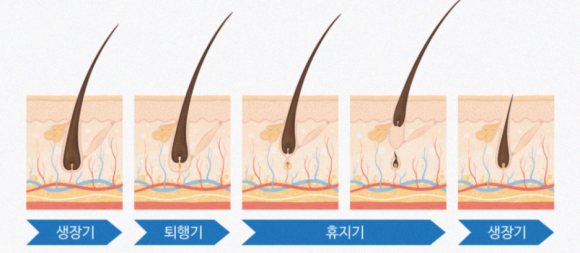
As a result, the cycle of entering the resting phase and then returning to the growth phase becomes longer,
and even newly growing hair becomes thin and weak like peach fuzz.
If you feel that “even if I blow-dry my hair in the morning, the crown flattens within 10 minutes,” or
“even when I perm it, the curls don’t come out like they used to,” those are representative signs of this kind of cellular aging.
- A medical approach is needed to turn back hair’s time.
Genetic factors can be treated,
but unfortunately, as of now, there is no established FDA-approved treatment that specifically targets age-related hair loss itself.
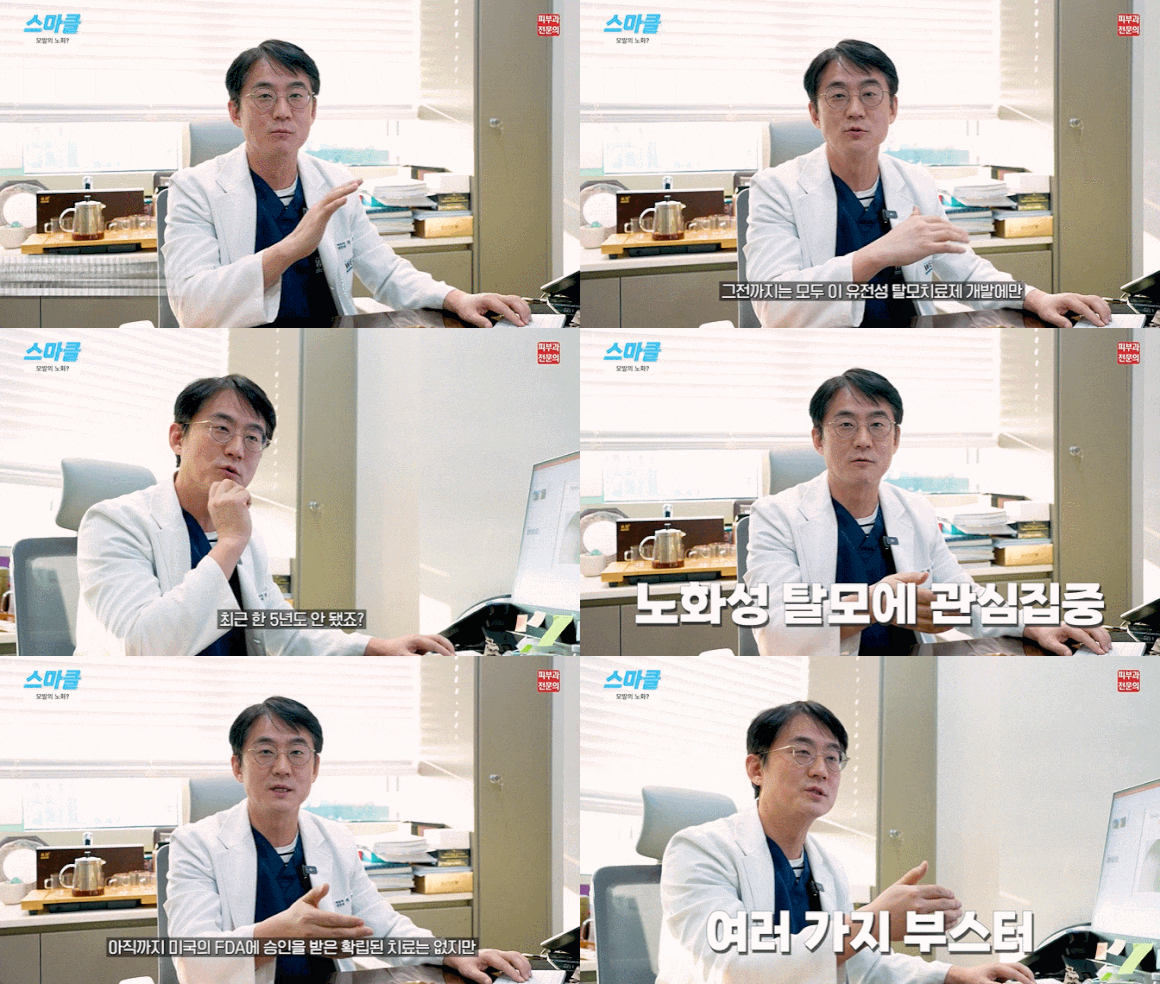
However, with the development of anti-aging medicine in recent years,
a variety of attempts to reactivate stem cell function and restore a youthful scalp environment are being made in clinical settings.
In the past, the focus was only on developing treatments for hereditary hair loss,
but now treatments in the form of ‘boosters’ that help restart a stalled growth cycle are drawing attention.
A representative example is treatment using exosomes, which help with intercellular signaling.
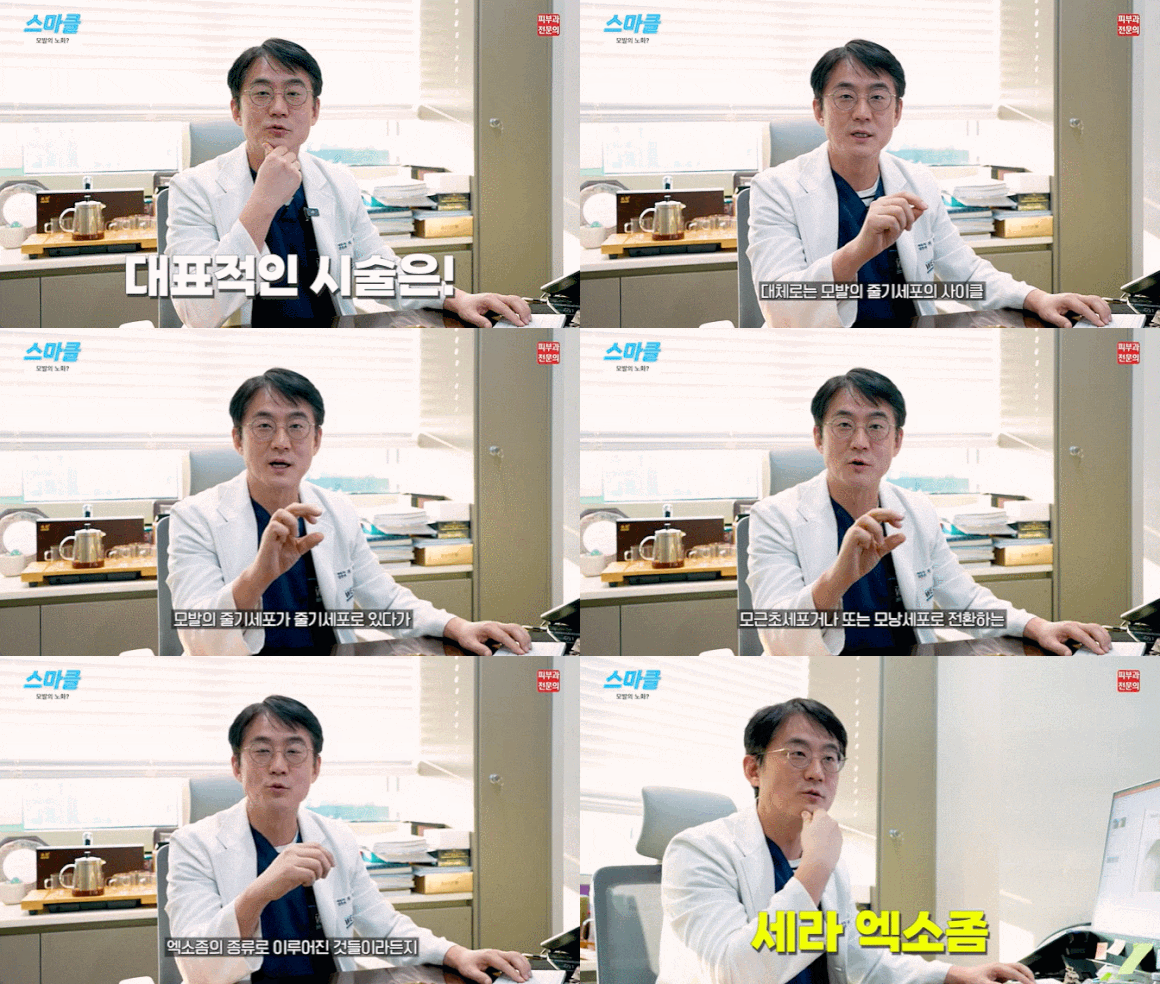
Exosome components derived from healthy stem cells invigorate fatigued hair follicle cells,
and play a role in creating fertile ground where hair can grow thick and strong again.
In addition, as studies have been published showing that drugs and Botox, originally used for other purposes, have positive effects on growth,
off-label prescriptions applying them to hair loss treatment are also being carefully considered.
Of course, these treatments cannot completely reverse time,
but they can help strengthen thinned areas and slow the progression of hair loss, reducing the everyday discomfort patients feel.
In closing,
It may be too soon to resign yourself to the thinning crown reflected in the mirror as simply a matter of age, because the options modern medicine can offer are gradually increasing.
Just as we manage facial wrinkles, it is important to accept hair anti-aging as an important area of care that determines quality of life after middle age.
Please remember the characteristics of age-related hair loss explained today, and I hope you can regain lost volume and confidence through appropriate help tailored to your condition.
For those who are curious about the changes that come with menopause or more specific treatment methods using stem cells, such as ‘Cera Exosome,’
I have attached a column I wrote myself below.
Beyond simple treatment, I will be a dependable primary doctor who shares your concerns and helps find solutions together with you.
Thank you for reading this long post.
This has been Director Choi Won-woo.
[Recommended reading]
Best 1. Introduction
Best 2. Curious about Cera Exosome?
Best 3. ICAP 2025 Cera Exosome Lecture
| Wells Dermatology Main Number: 02 - 542 - 2372 |
|---|
| Weekdays 10:00 ~ 20:00 |
| Saturday 10:00 ~ 17:00 |
| Lunch Break 13:00 ~ 14:00 |
| Closed on Sundays and public holidays |
This post was written directly by Wells Dermatology Clinic and complies with all laws regarding medical advertising, except for Article 56, Paragraph 1 of the Medical Service Act.
All surgeries and procedures may cause side effects depending on the individual, so please make a careful decision about whether to proceed after receiving sufficient consultation and guidance from the medical staff.