Hello,
I am Yoo Hyo-seob, a dermatologist with 23 years of experience.
"It’s not even puberty, so why do I keep getting acne?"
These days, more and more people are coming to the clinic because of adult acne.
There are quite a few people who had no acne at all in their teens, but only started developing it in their late 20s or 30s.
Adult acne differs from teenage acne in where it appears, what causes it, and how it should be managed.
Today, I’ll organize why adult acne occurs, how to manage it to minimize scarring, and what treatment you should receive if scars have already formed.
Table of Contents
-
Teenage acne and adult acne differ from the location alone.
-
Why adult acne is increasing
-
The key to adult acne management: responding at the right time
-
If scars remain, treatment differs depending on depth.
-
So scar treatment requires an approach suited to the layer involved.
Teenage acne and adult acne differ from the location alone
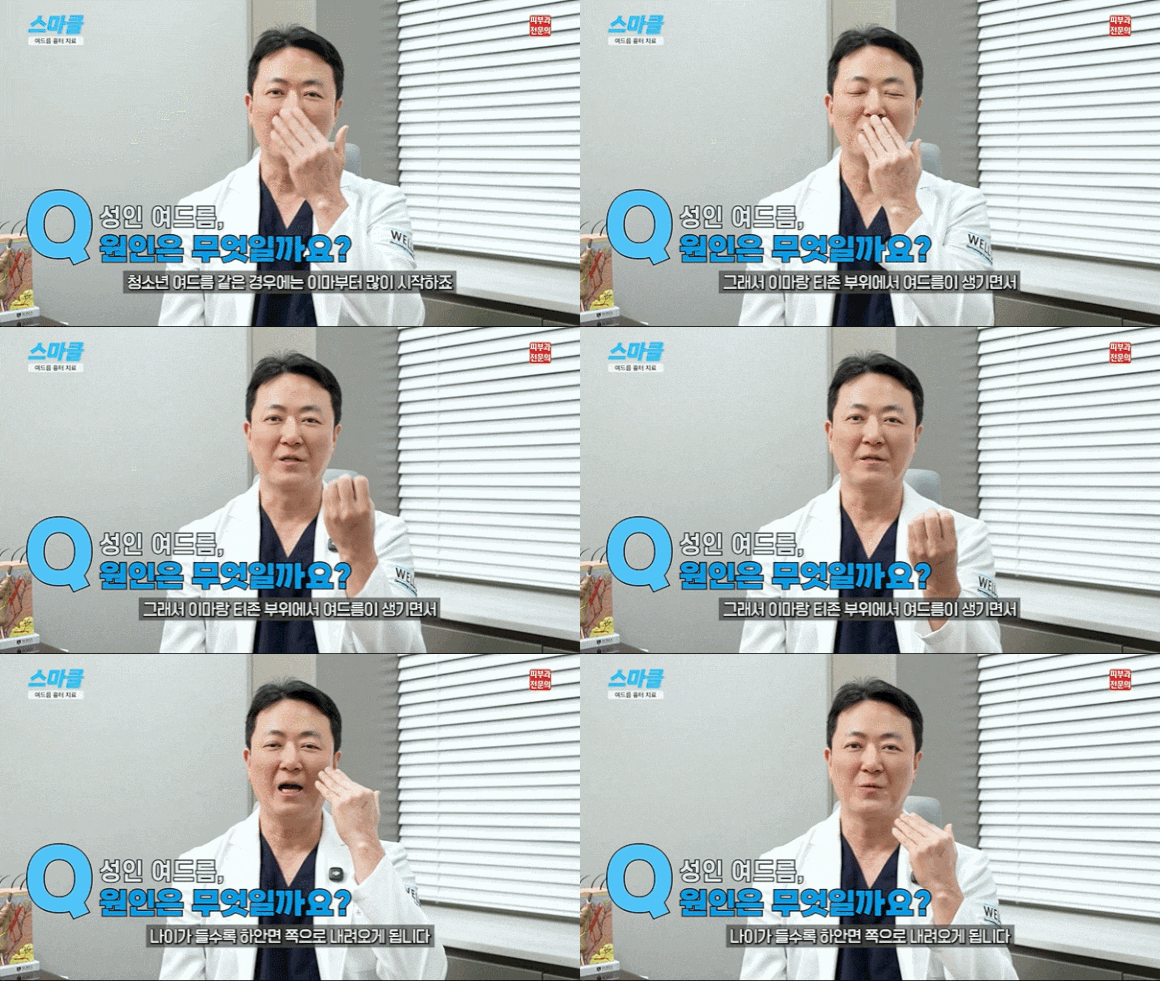
Teenage acne usually starts on the forehead and appears mostly in the T-zone,
and over time it tends to spread to the cheeks and lower face.
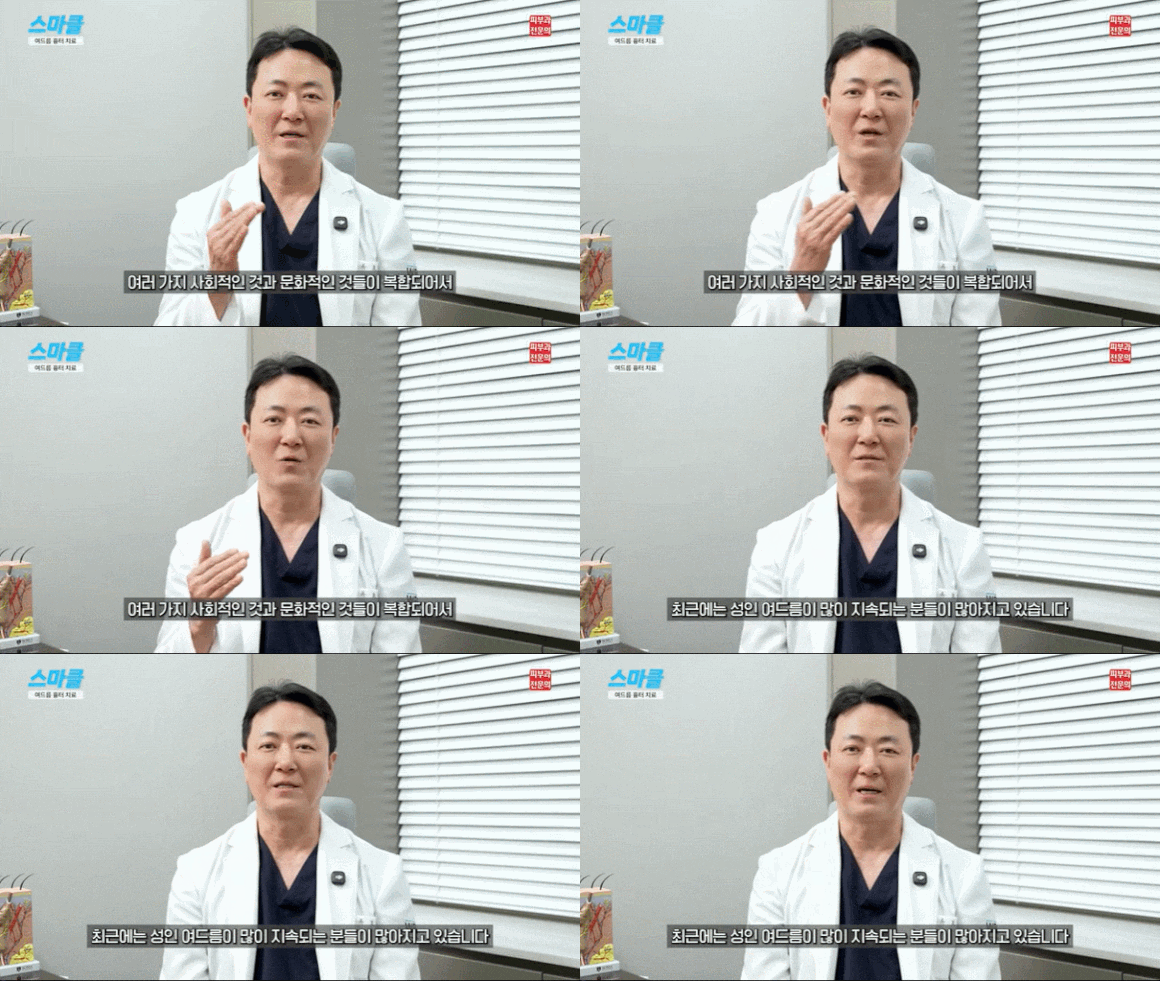
In contrast, adult acne characteristically recurs for a long time around the chin and mouth.
The typical pattern of adult acne is that it heals and then appears again in the same area.
Why adult acne is increasing
There are several factors contributing to the recent rise in adult acne.
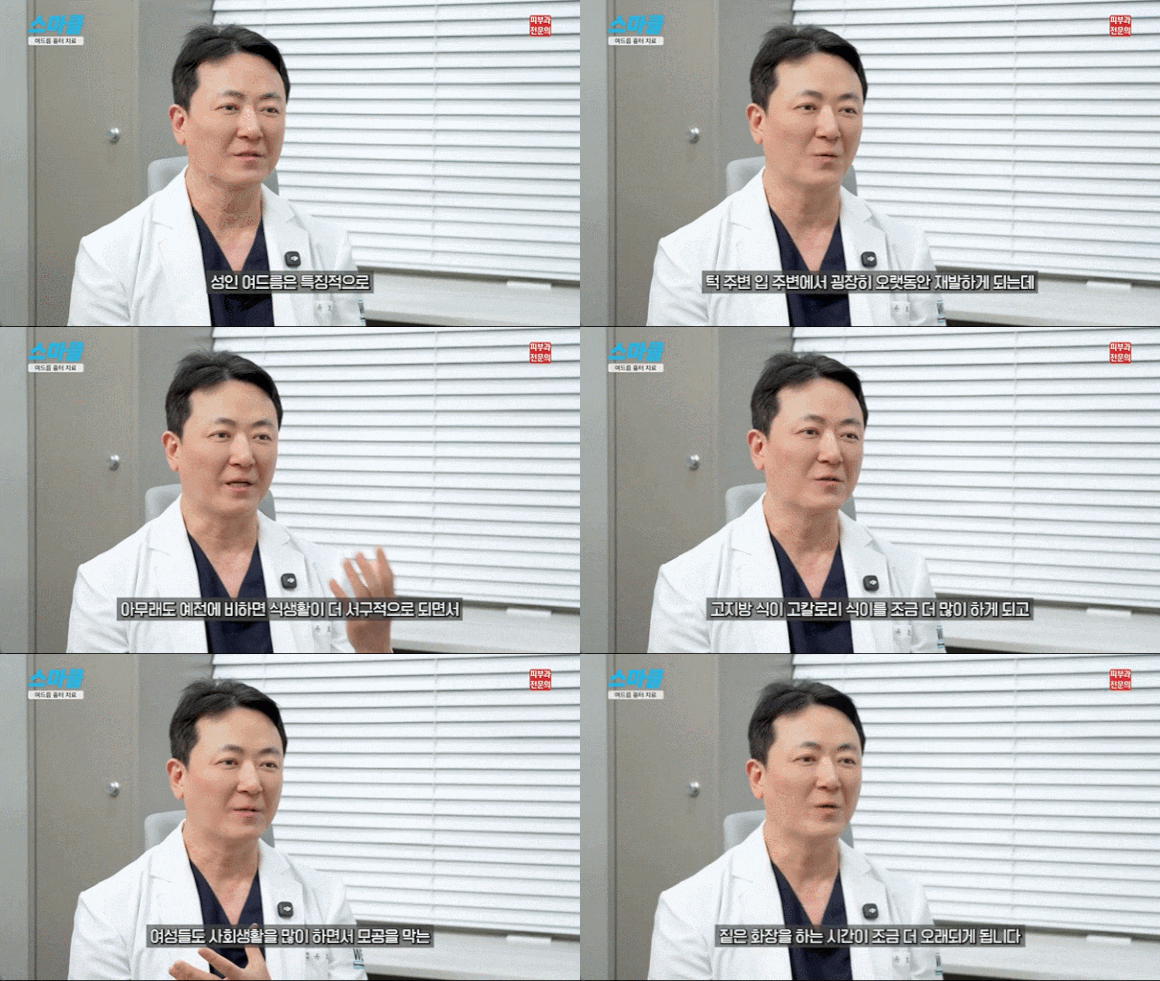
As diets have become more Westernized, people are eating high-fat, high-calorie meals more often, and in social life, many people have to keep heavy makeup that can clog pores on for long periods.
When social stress is added to this, acne worsens even more.
When you are under stress, adrenal cortical hormones are secreted and stimulate the sebaceous glands, increasing sebum production, which blocks pores and leads to bacterial infection and acne.
However, one reassuring point is that acne does not last forever.
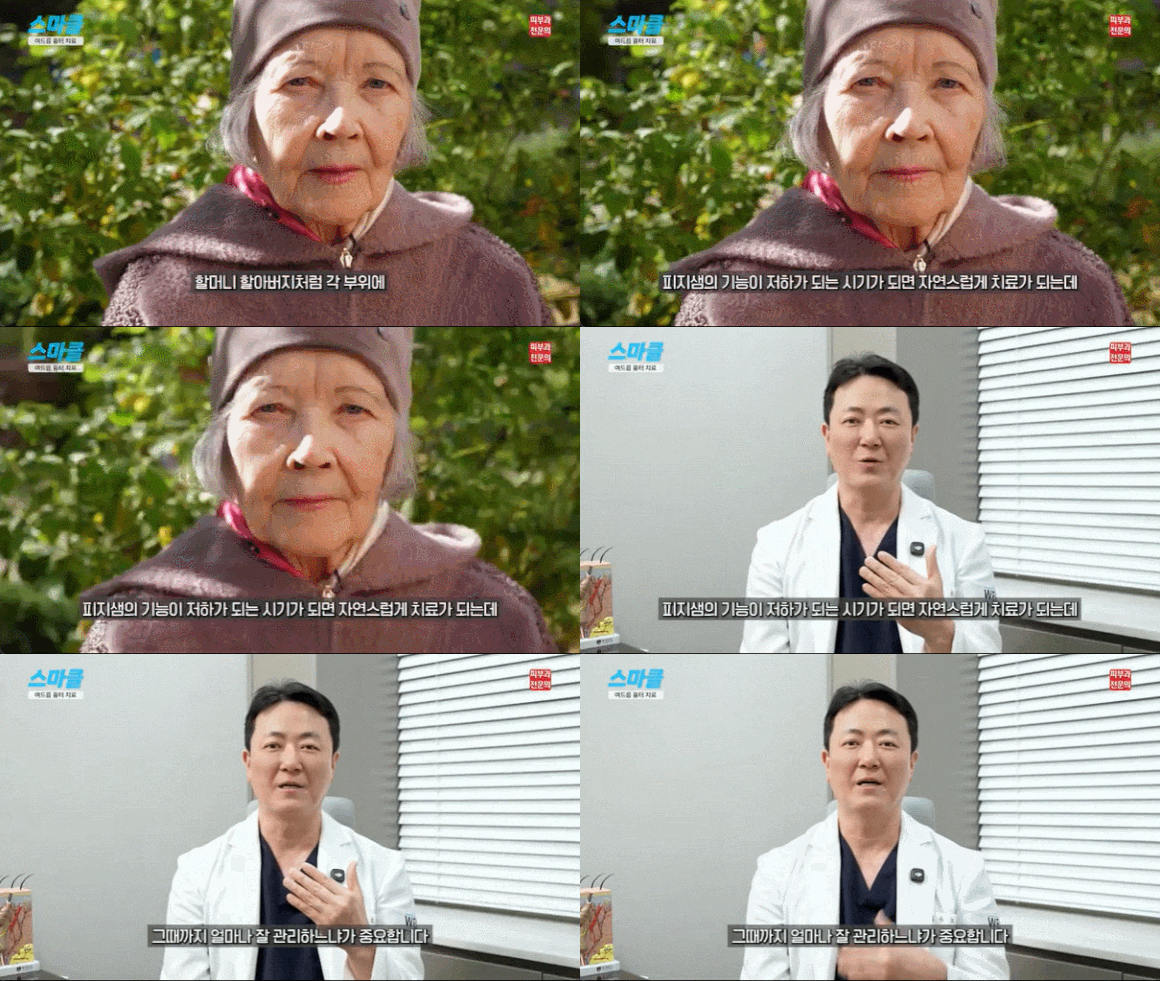
When the time comes that sebum production declines, acne naturally decreases as well.
What matters is how well you manage it without scarring until that point.
The key to adult acne management: responding at the right time
The most important thing in adult acne management is adjusting the level of response according to the condition.
During relatively stable periods, proper cleansing and topical medication are enough to control it.
But acne can worsen around menstruation, during times of severe stress, or when sleep is insufficient.
At those times, it is better to visit a clinic and receive oral medication, laser treatment, and appropriate in-clinic care.
If it improves, maintain it again with cleansing and topical medication; if it worsens, receive clinic treatment. By following this cycle well, you can manage acne while minimizing scarring until it naturally resolves.
Even if you are too busy to visit a clinic, early acne can usually be managed well just by disinfecting properly, extracting it correctly, and applying medication.
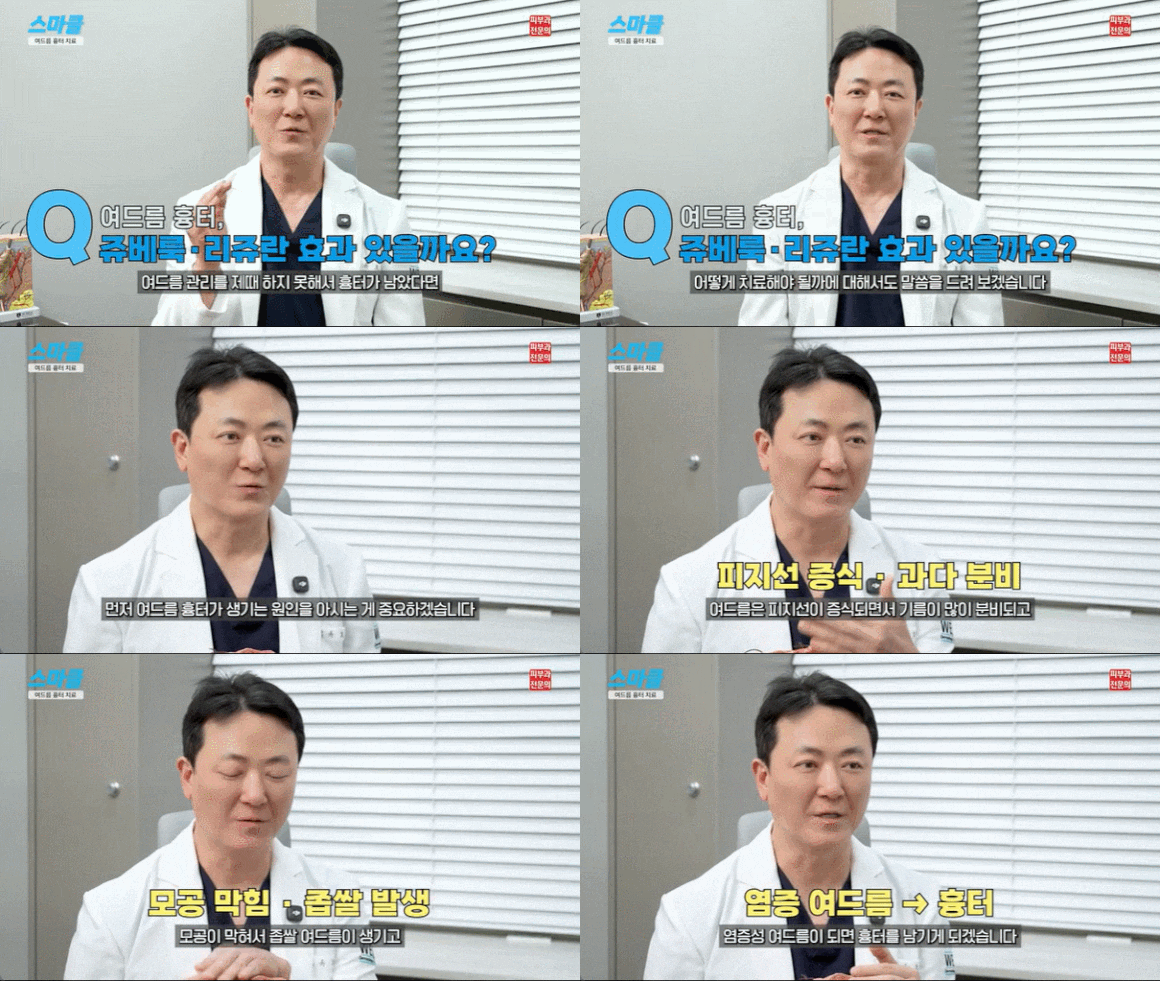
If scars remain, treatment differs depending on depth
If scars remain because acne was not managed properly,
the treatment method differs depending on the depth and shape of the scars.
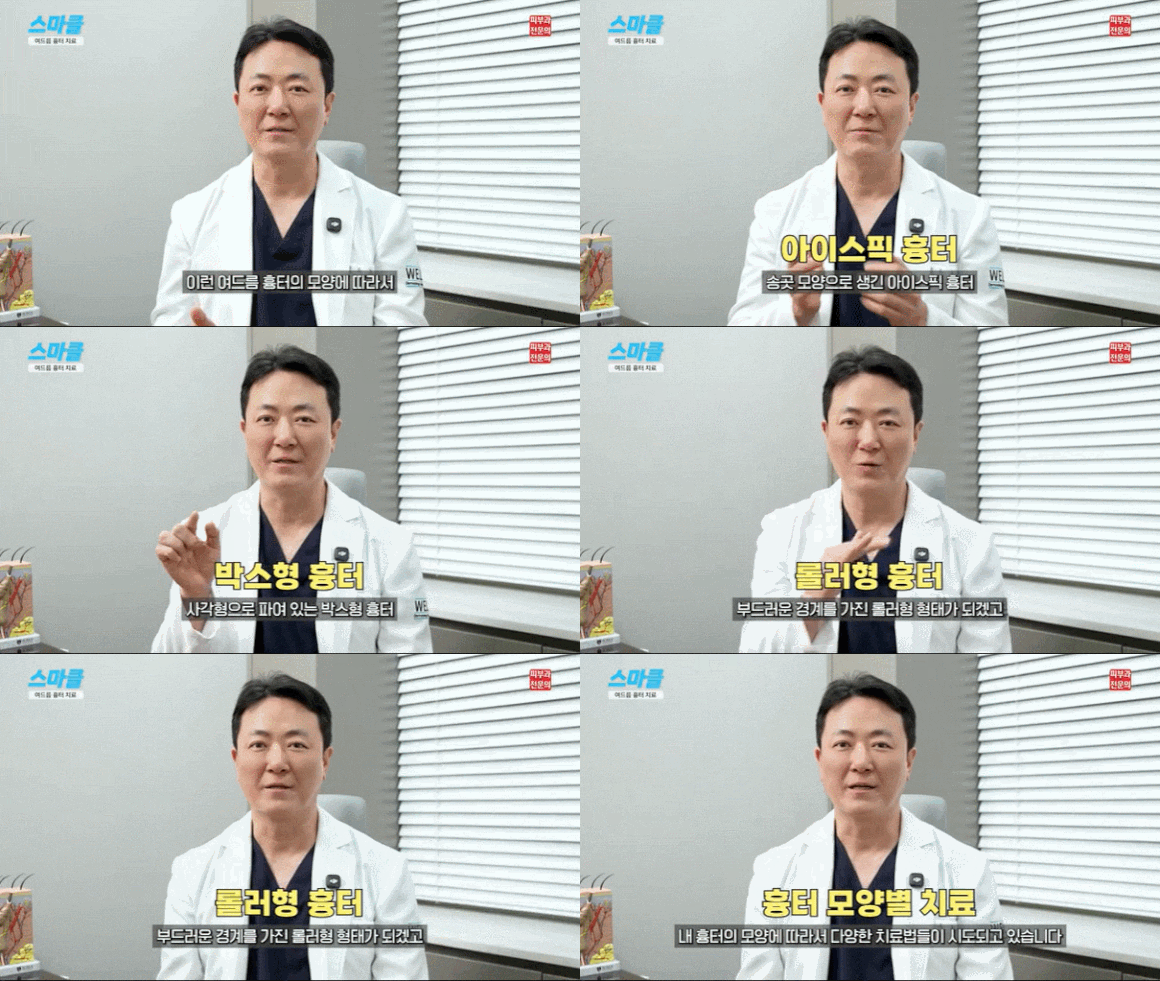
Acne scars are broadly divided into three types.
There are deep, narrow ice pick scars; box-shaped scars with a square depression; and rolling scars with soft edges.
The important point here is that Rejuran or Juvelook alone cannot treat all of these scars.
Rejuran contains growth factors and moisturizing factors, so it can help calm early acne, but it has limits when it comes to correcting scars that have already become fixed.
Juvelook can help promote collagen production in the dermis, but the dermis alone cannot sufficiently fill deeply depressed scars.
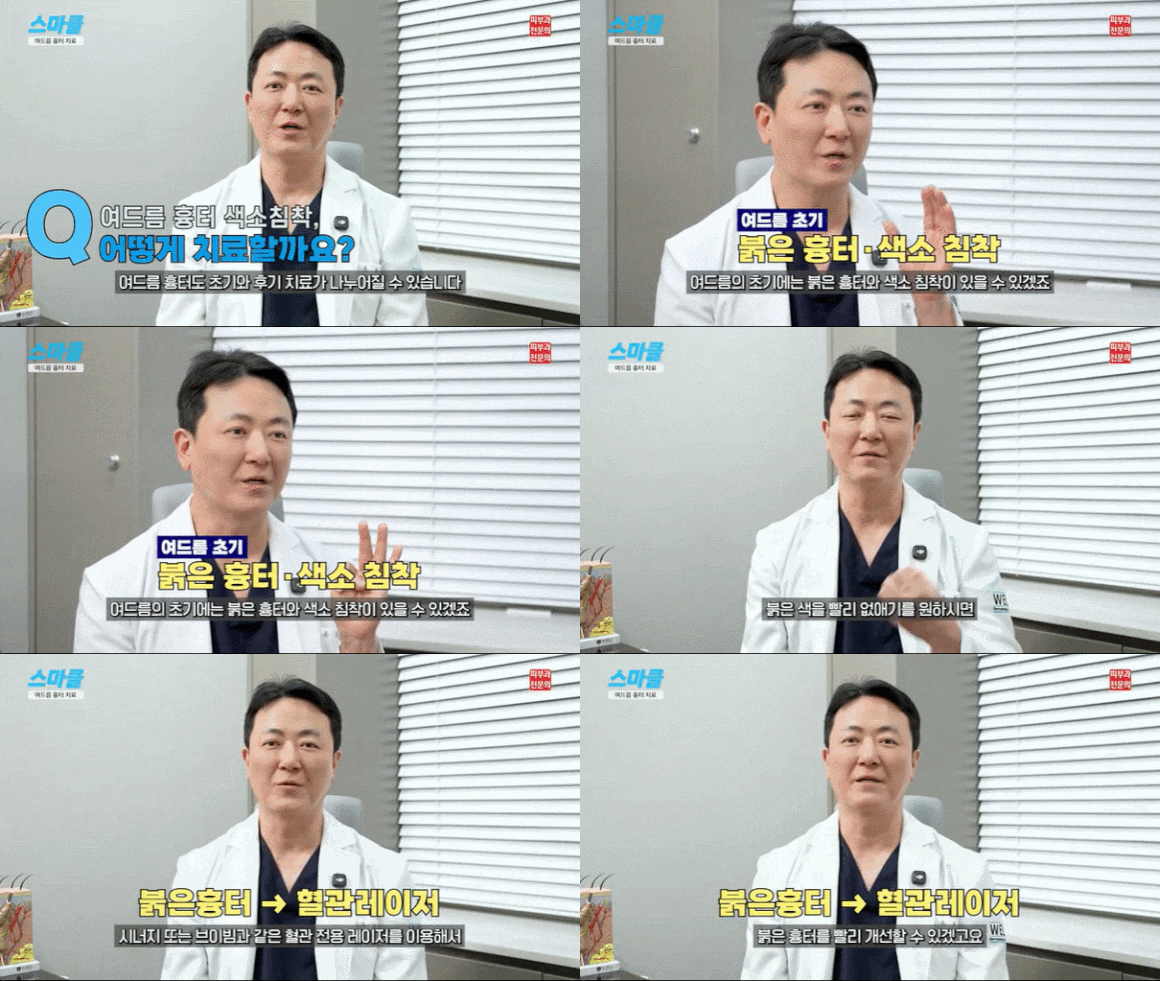
So scar treatment requires an approach suited to the layer involved.
For early red scars, vascular-only lasers such as Syneron or Vbeam can quickly improve redness.
If pigmentation is also present, laser toning can be applied,
but if laser toning is used incorrectly, it can actually trigger new acne, so it is important to receive treatment from an experienced specialist.
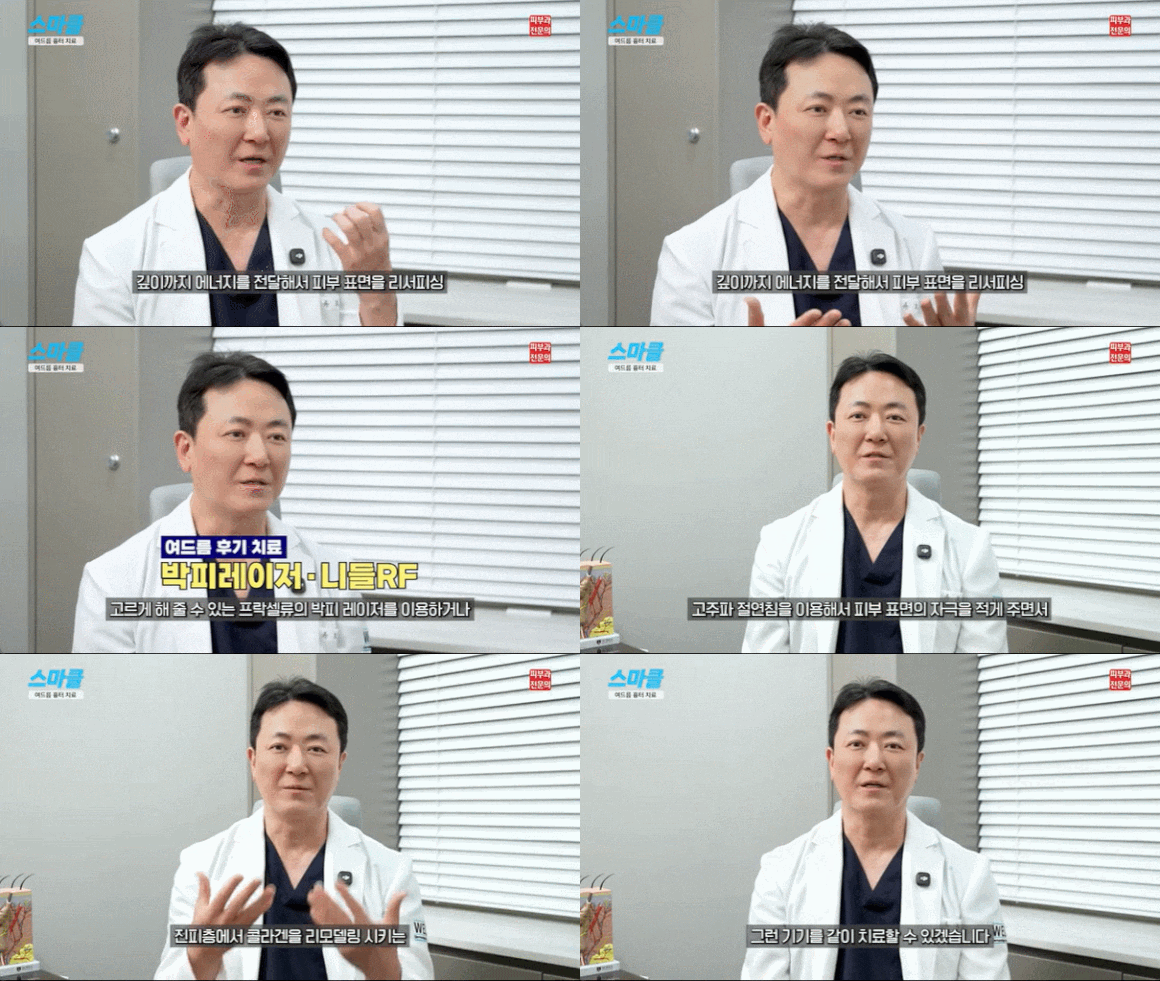
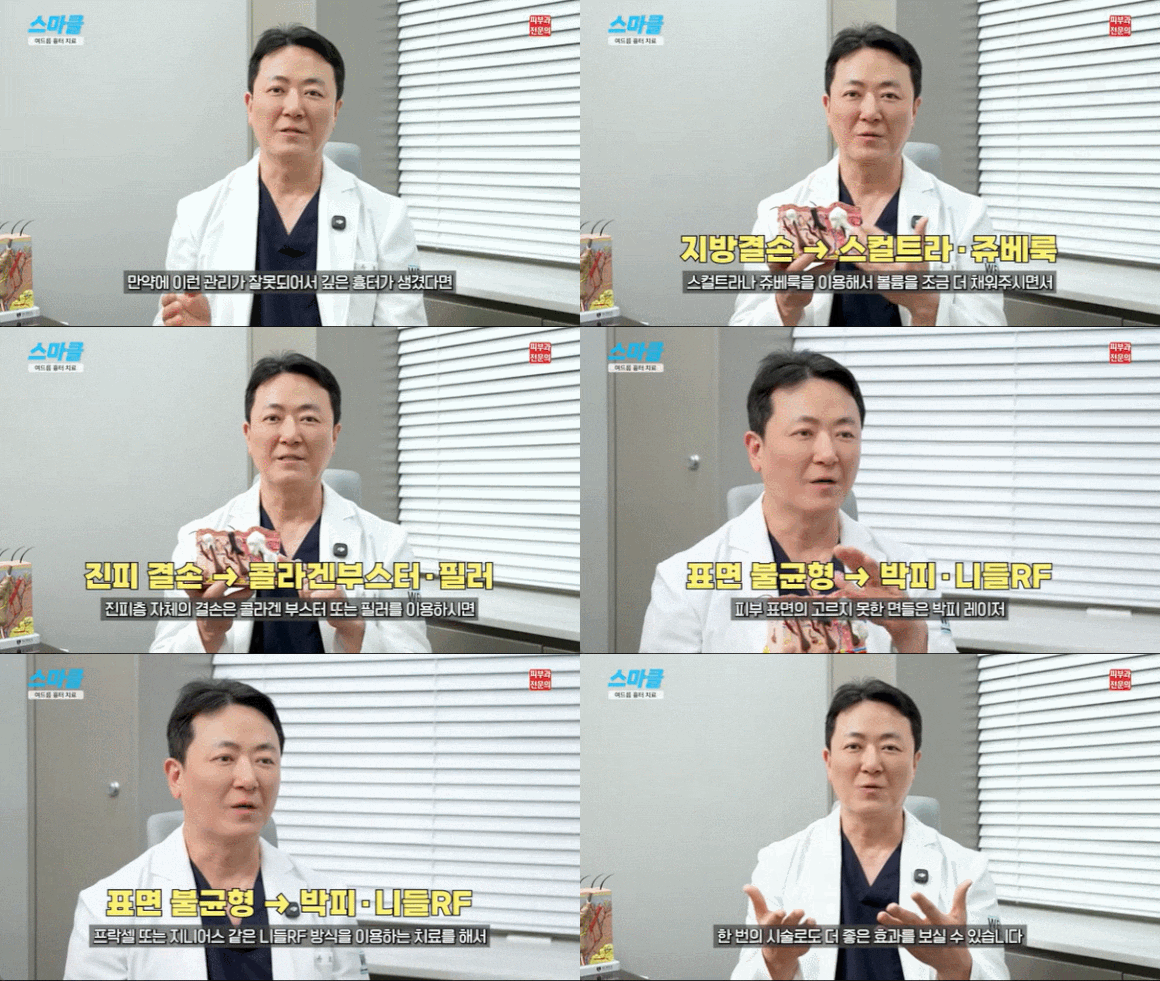
For late-stage scars that are deeply sunken, resurfacing lasers such as Fraxel, which smooth the skin surface evenly,
or needle RF (radiofrequency microneedling) treatments such as Genius, which induce collagen remodeling in the dermis, are used.
When there is a defect reaching all the way to the fat layer in the deepest areas, not only Juvelook but also Sculptra can be used to create greater volume and treat deep scars.
For defects in the dermis itself, using a collagen booster or filler together is more effective.
In closing,
Acne occurs as the three causes of excessive sebum production, clogged pores, and bacterial infection progress step by step.
Proper management at each stage is the surest way to prevent scars from forming, and if scars have already formed, the key is to apply a combination of treatments suited to the depth.
Adult acne is not simply a skin problem, but a condition influenced by lifestyle environment, hormones, and eating habits all together.
Rather than trying to solve it alone, I recommend making a care plan that suits your condition together with a dermatologist.
Thank you for reading this long post.
This has been Yoo Hyo-seob of Wells Dermatology.
[Recommended reading]
Best 1. Introduction
Best 2. If you have small bumps appearing on your face
Best 3. How to reduce pores
| Wells Dermatology main phone number (click the number below to connect) |
|---|
| 02 - 542 - 2372 |
| Clinic hours |
|---|
| Weekdays 10:00 ~ 20:00 |
| Saturday 10:00 ~ 17:00 |
| Lunch break 13:00 ~ 14:00 |
| Closed on Sundays and public holidays |
This post was written directly by Wells Dermatology Clinic and complies with all laws regarding medical advertising other than Article 56, Paragraph 1 of the Medical Service Act.
All surgeries and procedures may be accompanied by side effects depending on the individual, so please make a careful decision about whether to proceed after receiving sufficient guidance from the medical staff.