Diagnosis
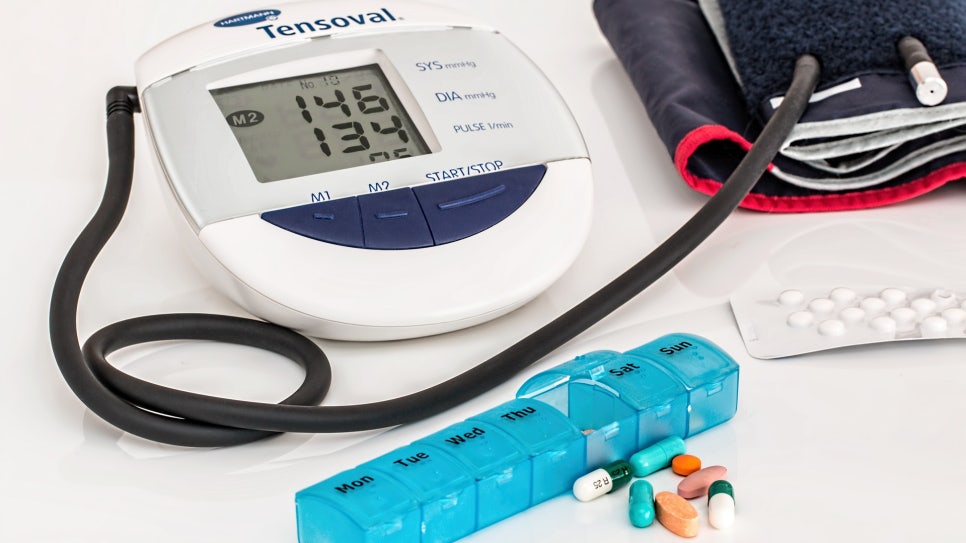
If your blood pressure is high, it is a good idea to check it regularly. In particular, since hypertension does not usually cause any noticeable symptoms,
there is no way to confirm whether hypertension is present other than measuring blood pressure.
Hypertension can be diagnosed when blood pressure is 140/90 mmHg or higher on at least two consecutive measurements
during multiple hospital visits.
- Points to note when measuring blood pressure
Blood pressure can change significantly depending on activity, intake of stimulant foods and drinks, and posture, so for accurate measurement,
it is a good idea to keep the following precautions in mind.
· Do not smoke or drink coffee within 30 minutes before measuring blood pressure.
· A full bladder can raise blood pressure, so it is a good idea to use the restroom beforehand.
· Before measuring, sit for 5 minutes with your feet flat on the floor and your back comfortably against a chair.
At this time, place your arm on a table at about heart level.
· It is best to wear short sleeves if possible so that the arm can be exposed comfortably, and remove any thick outer clothing.
· When measuring blood pressure, palpate the pulse of the upper arm artery, and if it is irregular, a manual sphygmomanometer is more accurate.
· Measure blood pressure in both arms separately, and if there is a difference, record the higher one.
If the difference between the blood pressure readings of both arms is 20 mmHg or more, measure again.
- White coat hypertension
Some people have high blood pressure only when it is measured in a clinic; this is called 'white coat hypertension.' If white coat hypertension is suspected, it can be diagnosed by measuring blood pressure at home or by using a 24-hour ambulatory blood pressure monitor that automatically measures blood pressure every 15 to 30 minutes over 24 hours.
On the other hand, masked hypertension (hidden hypertension) is a condition in which blood pressure is judged to be normal when measured in the hospital, but is high when measured during daily life. In such cases, the average blood pressure is actually high, and treatment is necessary.
[Home blood pressure measurement, 24-hour ambulatory blood pressure monitoring]
Recently, 24-hour ambulatory blood pressure monitoring, used to diagnose masked hypertension and white coat hypertension and to assess the treatment effect in patients with hypertension, and home blood pressure measurement, which allows patients to measure their own blood pressure, have been widely used.
24-hour ambulatory blood pressure monitoring provides average nighttime and daytime blood pressure values, so it is helpful for patients whose blood pressure fluctuates greatly or for patients in whom certain blood pressure-related symptoms are suspected. Home blood pressure is measured with an electronic home blood pressure monitor, and systolic blood pressure measurements are fairly accurate. However, electronic blood pressure monitors that measure at the wrist or finger rather than the upper arm tend to have large errors. In addition, home electronic blood pressure monitors should be used only after taking them to a clinic and checking how much error occurs compared with blood pressure measured using a mercury sphygmomanometer.
Treatment
- Initial evaluation of patients with hypertension
- Assessment of risk factors and lifestyle habits that need correction
Among the risk factors that affect the development of hypertension, identifying lifestyle habits in patients that need correction, educating them, and intervening so that they develop proper lifestyle habits is called lifestyle therapy, and it is the most important part of the treatment and management of hypertension.
Lifestyle therapies whose blood-pressure-lowering effects have been shown include reducing alcohol intake, quitting smoking, losing weight, exercising regularly, eating a low-salt diet, and adopting appropriate dietary habits.
- Assessment of comorbidities
The ultimate reason for controlling blood pressure well is to prevent serious complications such as cardiovascular and cerebrovascular disease. However, diabetes and hyperlipidemia also cause cardiovascular and cerebrovascular disease, so to ultimately prevent such diseases, these comorbidities must also be managed together.
Whether organs in which complications of hypertension commonly occur, such as the heart, kidneys, and cerebral blood vessels, have been damaged by hypertension is an important criterion in determining the treatment method and target blood pressure, so the condition of these organs is assessed.
- Nonpharmacological treatment of hypertension
Lifestyle therapies such as quitting smoking, reducing alcohol intake, dietary therapy, and regular exercise are essential for treating hypertension, and are also recommended for preventing hypertension in adults with prehypertension or normal blood pressure.
- Weight loss
In obese people, the risk of hypertension is about five times higher, and a 10% increase in body fat raises systolic blood pressure by about 6 mmHg and diastolic blood pressure by about 4 mmHg. Therefore, if an obese person reduces body weight by 10%, blood pressure decreases by about 5 to 20 mmHg.
- Exercise therapy
Exercise is best as brisk walking for about 30 minutes, three times a week. Regular exercise lowers systolic and diastolic blood pressure by about 5 mmHg each, even if body weight does not decrease.
When exercising, it is best to start slowly to reduce the risk of injury. In addition, you should warm up sufficiently before exercise and cool down lightly after exercise. Exercise intensity should be increased gradually.
(1) Cases in which tests are needed before starting exercise
Exercise that places too much strain on your physical condition can instead threaten your health by causing heart attack, stroke, or arthritis. In particular, people who meet the following conditions should receive an appropriate exercise prescription through consultation and examination by a doctor before starting exercise.
(2) If you feel even one of the following symptoms while exercising, stop exercising immediately and visit a hospital.
· Chest pain, chest tightness, or a squeezing sensation · Dizziness, fainting · Pain radiating to the arm or jaw
· Severe shortness of breath, breathlessness · Irregular heartbeat · Severe fatigue
- Dietary therapy
(1) Low-salt diet
In patients with mild hypertension, reducing salt intake to 3 g per day for 4 weeks was reported to reduce systolic blood pressure by 16 mmHg and diastolic blood pressure by 9 mmHg compared with consuming 12 g of salt per day.
(2) Potassium and calcium intake
Taking in potassium and calcium helps lower blood pressure. However, in people with poor kidney function, fatal side effects such as hyperkalemia can occur, so the decision must be made after consulting the attending physician.
(3) Reducing fat intake
Reducing fat intake does not directly affect blood pressure reduction, but it helps in reducing overall cardiovascular disease.
- Others
(1) Quitting smoking
Smoking raises systolic blood pressure by about 4.8 mmHg and diastolic blood pressure by about 3.9 mmHg, and this effect is greater in elderly patients.
(2) Reducing alcohol intake
Alcohol consumption may slightly lower blood pressure at the time of drinking, but it has the effect of raising blood pressure immediately afterward and chronically.
(3) Stress, sleep disorders
A significant portion of adult hypertension is related to stress. When stress is severe, sympathetic nervous system activity increases,
and blood pressure rises.
So far, I have explained the diagnosis and treatment of hypertension I.
In the next part, we will look at the treatment of hypertension II.
Source: Korea Disease Control and Prevention Agency National Health Information Portal