Symptoms
In Korea, when people feel dizzy, most assume it is anemia, and some even buy anemia medication on their own and take it. In reality, anemia is only one of several causes of dizziness, and low blood pressure is also one of them. In fact, anemia is relatively uncommon, and this may be a story from a time when Korea was poor and there were many parasites. First, there are symptoms caused by diseases or conditions that lead to primary low blood pressure. Depending on how quickly blood pressure drops
and how well the body adapts, symptoms can range from none to fainting.
For example, if systolic blood pressure suddenly drops from 140 mmHg to 120 mmHg, symptoms such as dizziness or fainting may appear even though 120 mmHg is still normal and above 90 mmHg. But if it drops slowly, there may be no symptoms or only fatigue even at 80 mmHg. Therefore, as mentioned, low blood pressure should be diagnosed by considering several factors, not just a simple number.
· Dizziness · Headache · Fatigue · Chest tightness · Mild fever · Irregular pulse
· May have seizures · Nausea or vomiting · Difficulty concentrating · Blurred vision · Thirst · Cold, clammy skin. · Pale · Shortness of breath; at first when moving, and if it worsens, even at rest. · Becomes indifferent to everything. · Depression · Fainting · Death
How to Measure Blood Pressure
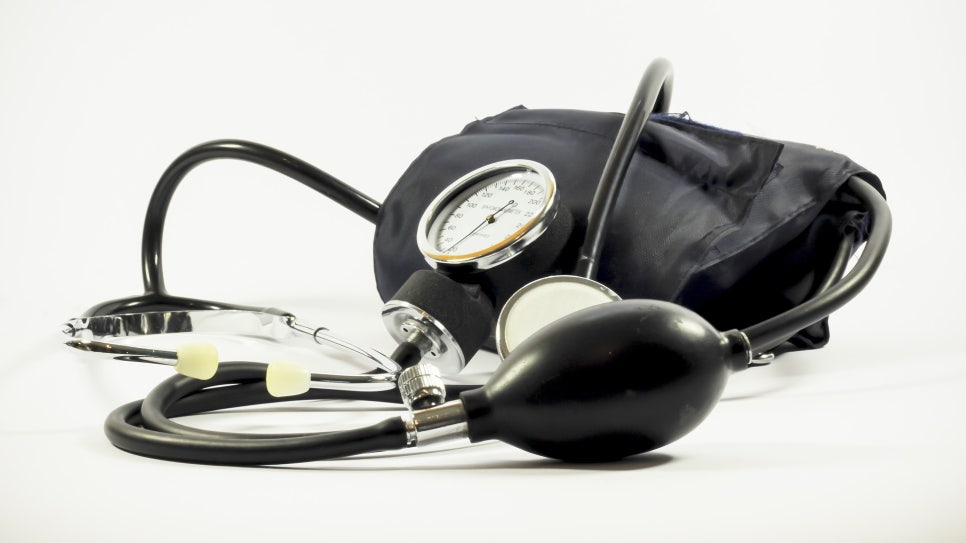
Until now, blood pressure has been measured in hospitals by doctors or nurses using a mercury sphygmomanometer. Since the device was developed more than 150 years ago and applied clinically more than 100 years ago, it has been the standard for examining patients. However, concerns arose about its accuracy due to issues such as mercury affecting environmental pollution, the difficulty of managing mercury sphygmomanometers, the fact that the person measuring may not accurately follow the principles of blood pressure measurement, and the effects of the special hospital environment. The automated blood pressure monitor developed to address these issues allows patients to easily measure their blood pressure on their own and can overcome many of the problems of mercury sphygmomanometers used in hospitals, so if a clinically validated automated blood pressure monitor is used, it can help with more accurate and easier measurements. In fact, its accuracy has been proven through various studies. First, let us briefly look at how to measure blood pressure with a mercury sphygmomanometer, which is still widely used in hospitals and is the standard method for blood pressure measurement.
※ Blood Pressure Measurement Method
· Expose the upper arm where blood pressure is to be measured sufficiently.
· Choose a cuff of an appropriate size with an inflatable rubber air bladder that fits the circumference of the upper arm and wrap it around the upper arm.
· Feel the brachial artery, place the stethoscope over it, and inflate the blood pressure cuff.
Raise it 20–30 mmHg above the expected systolic blood pressure, then slowly release the pressure. Record the blood pressure at which the first pulse sound is heard through the stethoscope; this becomes the systolic blood pressure.
· If you continue to lower the blood pressure at the same slow rate, the pulse sounds will become louder and then suddenly grow softer and disappear.
At this point, the blood pressure at which the last pulse sound is heard before disappearance becomes the diastolic blood pressure.
· Things to keep in mind: avoid coffee and smoking for one hour before measuring blood pressure, and measure after resting sufficiently for at least 5 minutes in a quiet and comfortable place.
Also, blood pressure varies greatly depending on physical and mental stress, posture, breathing, pulse rate, whether medication has been taken, whether you have eaten or drank alcohol, and the time of measurement, so you should measure blood pressure repeatedly several times before deciding whether it is high or low. For automated blood pressure monitors, measure after getting enough rest. Measuring from the upper arm or wrist is fine, but blood pressure monitors that measure from the finger are not recommended. It is recommended to measure blood pressure within one hour after waking up in the morning and before going to bed at night. Adjusting medication on your own is dangerous, so you must record the measured blood pressure and consult your doctor to decide whether to increase or decrease the medication dosage.
So far, I have explained the symptoms of low blood pressure and how to measure blood pressure.
In the next part, we will look at the diagnosis and prevention of low blood pressure.
Source: Korea Disease Control and Prevention Agency, National Health Information Portal