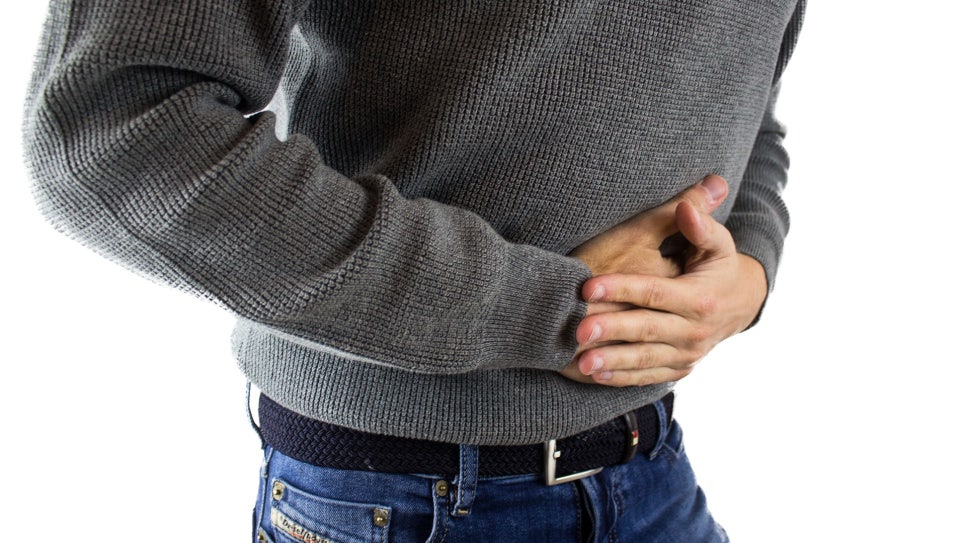
Food poisoning refers to all infectious or toxin-mediated illnesses suspected of being caused by harmful microorganisms or toxins produced by microorganisms associated with the ingestion of food (Article 2, Subparagraph 10 of the Food Sanitation Act). The World Health Organization (WHO) defines it as “an infectious or toxin-mediated disease caused by, or thought to be caused by, the ingestion of food or water.”
The term “gastroenteritis” refers to a condition in which inflammation occurs in the small or large intestine. Because it is mostly related to food intake and the symptoms are similar, it is often used in a similar sense to food poisoning. Group food poisoning refers to cases in which the ingestion of food causes an infectious or toxin-mediated illness in two or more people.
Common Types of Food Poisoning
- Staphylococcal Food Poisoning
Food poisoning caused by staphylococci is the next most common after Salmonella and Vibrio parahaemolyticus food poisoning, and the endotoxin produced by Staphylococcus aureus is the cause of the illness. Staphylococci can grow over a wide range of temperatures, so it is easy for food poisoning to occur when cooked food is stored at room temperature, and it often occurs after eating food at picnics, outings, or banquets.
Staphylococcus aureus is relatively heat-resistant. It is killed by heating at 80˚C for more than 30 minutes, but the toxin produced by staphylococci is not destroyed even by heating at 100˚C for 30 minutes. If food is contaminated by staphylococci on the hands, nasal mucosa, or wounds of the person preparing it, the bacteria multiply in high temperatures and humidity and cause food poisoning. After consuming contaminated food, vomiting and abdominal pain appear suddenly 2 to 4 hours later and then improve quickly.
- Salmonella Food Poisoning
Salmonella bacteria that cause food poisoning are mostly transmitted through animals, and poultry such as chickens is the most common source of infection. They are often found on eggshells, but if the ovaries or oviducts of poultry are infected, the eggs themselves can be infected. Salmonella bacteria are heat-sensitive and are killed by pasteurization (heating at 62–65˚C for 30 minutes), so cooking eggs can prevent infection, but secondary contamination of other foods during food preparation is a problem.
Salmonella bacteria are weak against heat, but they are not killed by low temperatures, freezing, or dryness. Food poisoning occurs most often in the hot months from June to September, and the frequency is low in winter. Recently, pet dogs and cats have been considered potential sources of Salmonella contamination, so households with pets need to be careful to wash their hands after touching animals. The most common source foods are chicken, eggs, and quail eggs, but because they are usually prepared in kitchens with many other foods, actual food poisoning is not limited to specific foods and can occur in a variety of ways.
- Vibrio Food Poisoning
Vibrio includes Vibrio parahaemolyticus and Vibrio cholerae, and food poisoning is caused by Vibrio parahaemolyticus. Vibrio parahaemolyticus is distributed in seawater and tidal flats, grows actively when water temperatures exceed 20˚C, and cannot grow below 5˚C. It is weak against heat and is killed within minutes at 100˚C and within 15 minutes at 60˚C.
Because Vibrio parahaemolyticus is distributed in seawater, seafood is the most common source of contamination. It exists on the skin, internal organs, and gills of fish and shellfish, contaminates raw slices during preparation, and causes secondary contamination of other foods through refrigerators, cutting boards, dishcloths, knives, and the hands of the person preparing the food. It occurs in the summer after eating raw fish, shellfish, or other seafood, and causes abdominal pain and severe diarrhea 12 to 24 hours after ingestion. In most cases, Vibrio food poisoning improves after symptoms persist for about 3 days, and antibiotic treatment or hospitalization is not necessary.
- Escherichia coli Food Poisoning
Escherichia coli is a commensal bacterium present in the human large intestine. Most E. coli are harmless to humans, but some are pathogenic.
Among pathogenic E. coli, endotoxin-producing E. coli is the causative agent of traveler’s diarrhea, which often occurs in travelers and causes diarrhea and gastroenteritis. Among food poisoning caused by pathogenic E. coli, enterohemorrhagic infection caused especially by O-157 is classified as a Category 1 legally designated infectious disease. It is highly infectious and a fatal disease that can lead to death in a short period after onset.
Pathogenic E. coli are widely distributed among livestock, pets, healthy carriers, and the natural environment, so many kinds of foods such as ham, cheese, sausage, salad, lunch boxes, and tofu can be the cause of food poisoning, and there have also been group outbreaks through water. The main sources of contamination are undercooked meat and contaminated milk, and since most pathogenic E. coli are weak against heat, it is necessary to cook or reheat food before eating.
- Clostridium Food Poisoning
Clostridium is an anaerobic bacterium that can survive only in places without air. It forms spores that are not destroyed by heat or disinfectants and secretes various types of toxins. Depending on the causative bacterium, it is classified into botulism food poisoning and Clostridium perfringens food poisoning. Because the spores of Clostridium botulinum are widely distributed in soil, seas, and lakes, almost all food ingredients, including fruits, vegetables, and seafood, may contain spores of botulism bacteria. Botulism food poisoning occurs after eating canned foods or sausages that have been poorly stored and causes paralysis due to neurotoxins.
Food poisoning caused by Clostridium perfringens has a high risk of occurring in institutional meal services where large quantities of food are prepared. Clostridium perfringens is an anaerobic bacterium that cannot grow in the presence of air. When large quantities of food are heated at once, internal air is released and the inside of the food becomes oxygen-free. When the food is cooled again, Clostridium perfringens grows in the low-oxygen environment inside the food and produces toxins, causing food poisoning. Symptoms of Clostridium perfringens food poisoning include watery diarrhea and abdominal pain about 6 hours after eating, and there is no fever. Contamination with Clostridium perfringens occurs during the process of livestock and poultry being dismantled at slaughterhouses, and beef and chicken are the most common sources of infection.
- Norovirus Food Poisoning
Norovirus is a very small, spherical virus that mainly causes acute gastroenteritis in winter and is the most common cause of winter food poisoning in developed countries. If food and water contaminated with norovirus, which is contained in a patient’s stool, are consumed without heating, infection occurs. In addition, a small amount of virus contained in a patient’s dried secretions (stool or vomit) can spread from person to person through the respiratory tract and cause food poisoning.
After an incubation period of 24 to 48 hours, it causes symptoms such as diarrhea, abdominal pain, vomiting, headache, fever, and muscle pain, and it recovers naturally within 3 days. To prevent infection, you must wash your hands thoroughly after going out or using the restroom, and also before and after preparing food. In addition, when cooking food, it should be heated at 85˚C for at least 1 minute before serving. Do not handle cooked food with bare hands, and wash uncooked foods such as vegetables thoroughly under running water before eating.
Causes
- Classification of Food Poisoning
Food poisoning is classified according to its cause into food poisoning caused by microorganisms and food poisoning caused by chemical substances. Microbial food poisoning is divided into bacterial food poisoning and viral food poisoning, and bacterial food poisoning is further subdivided into toxin-mediated and infectious types. Chemical substances that cause food poisoning include animal, plant, and fungal natural toxins, as well as artificial compounds. Bacterial food poisoning is the most common type of food poisoning.
- Bacterial Food Poisoning
- Characteristics of Bacteria That Cause Food Poisoning
Most food-poisoning bacteria grow in temperatures between 4˚C and 60˚C. Therefore, bacterial growth can be prevented by keeping hot food above 60˚C and cold food below 4˚C.
The reproduction rate of food-poisoning bacteria differs by species, but in most cases it is fastest at around 35–36˚C. Therefore, the risk of bacterial food poisoning is highest in summer. In the case of Vibrio parahaemolyticus, one bacterium can multiply to two after 10 minutes and to more than one million after 4 hours.
- Classification of Bacterial Food Poisoning
In bacterial food poisoning, the incubation period and symptoms vary depending on the bacterium, but it can largely be divided into toxin-mediated and infectious types. When food contaminated with bacterial toxins is ingested, the incubation period is 1–6 hours; when toxins are produced inside the body after ingesting bacteria, it is 8–16 hours; and in infectious food poisoning, the incubation period is 16 hours or longer.
The causative bacteria of toxin-mediated food poisoning include Staphylococcus aureus, Bacillus cereus, and Clostridium perfringens; the causative bacteria of infectious food poisoning include pathogenic E. coli, Vibrio parahaemolyticus, Salmonella, and Shigella.
- Viral Food Poisoning
Viruses are microorganisms that parasitize living cells such as those of animals, plants, and bacteria. They are extremely small, cannot be observed with a regular optical microscope, are not removed by bacterial filters, and some viruses can cause food poisoning. The 대표적인 viruses that cause food poisoning are norovirus and rotavirus. Recently, as hygiene awareness has improved and living standards have risen, viral food poisoning has increased compared with bacterial food poisoning caused by spoiled food. Since norovirus spreads through water and secondary infection is common, it tends to cause outbreaks, and rotavirus causes winter diarrhea in infants and young children and was formerly called pseudocolera.
- Natural Toxin Food Poisoning
- Animal Natural Toxins
· Puffer fish · Shellfish
- Plant Natural Toxins
· Mushroom toxins · Potato toxins
- Mycotoxins
Mycotoxins are toxic substances produced by molds that contaminate agricultural products during storage and distribution. Examples include aflatoxin, ochratoxin, and zearalenone, and they can cause kidney disorders, liver disorders, central nervous system disorders, dermatitis, and liver cancer. Unlike mold itself, mycotoxins are not removed by washing or heating and remain even after cooking or processing, so care must be taken in the storage of agricultural products.
So far, I have explained the causes of food poisoning.
In the next installment, we will look at the symptoms and treatment of food poisoning.
Source: Korea Centers for Disease Control and Prevention, National Health Information Portal