

Sillim-dong Dentist: Can Severe Stress Affect Your Teeth Too?..
Hello, I am
Shin Seung-hwan,
Director of Yonsei U-Line Dental Clinic.
Today, I would like to talk about the relationship between stress and dental health.
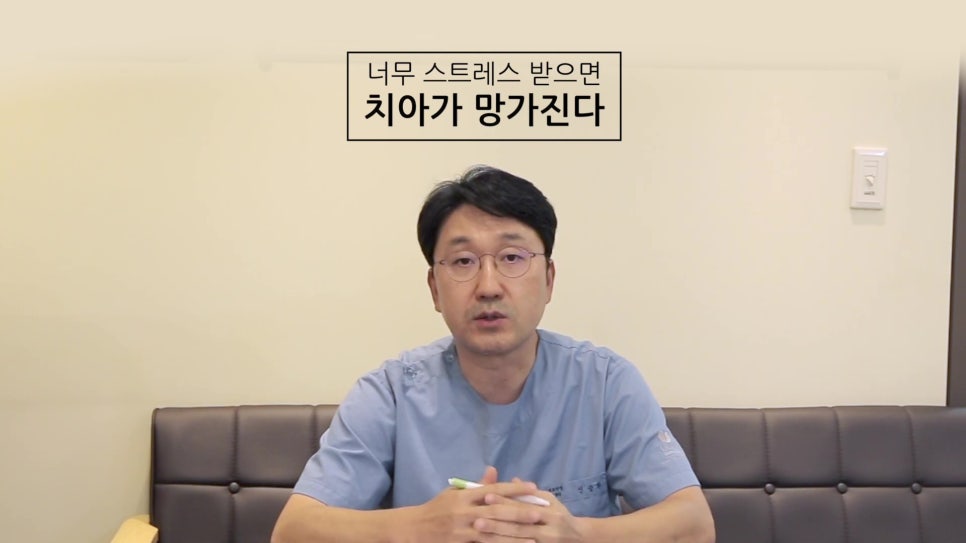
You may have heard stories about someone experiencing sudden, severe stress and losing a tooth, or their dental health deteriorating beyond control.
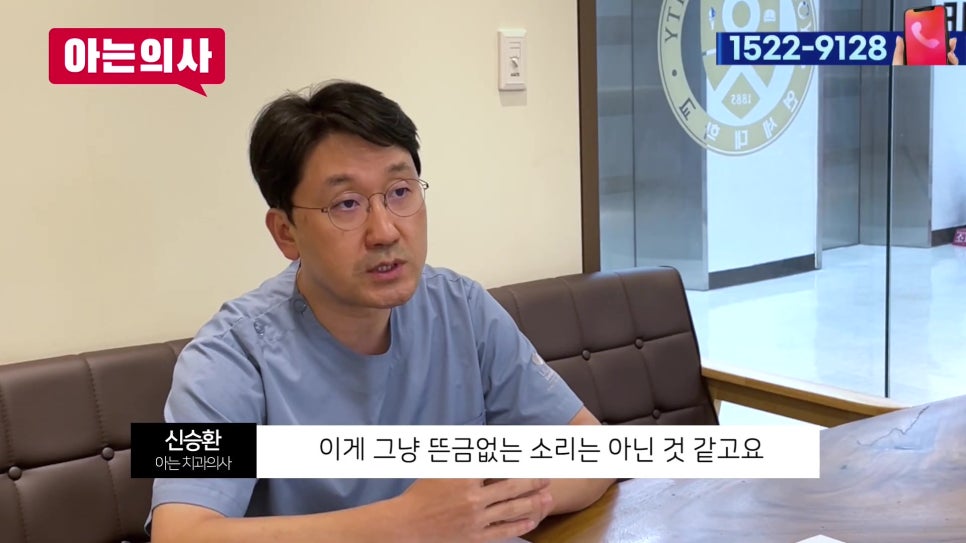
You may wonder, “Is that really possible?”
Although it is not common for stress to lead to a situation requiring tooth extraction, it can certainly happen.
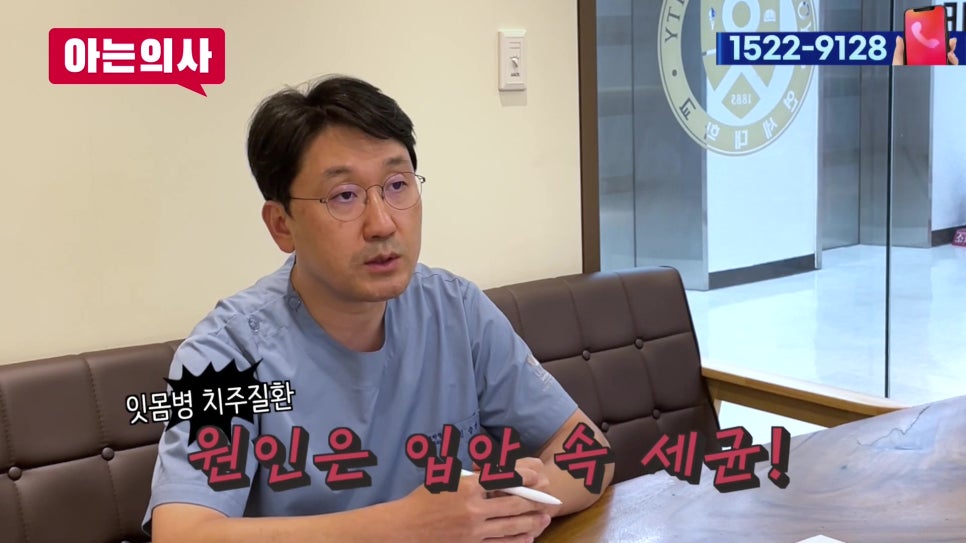
The leading cause of tooth extraction among Koreans is periodontal disease—in other words, gum disease.
The cause of gum disease is bacteria.
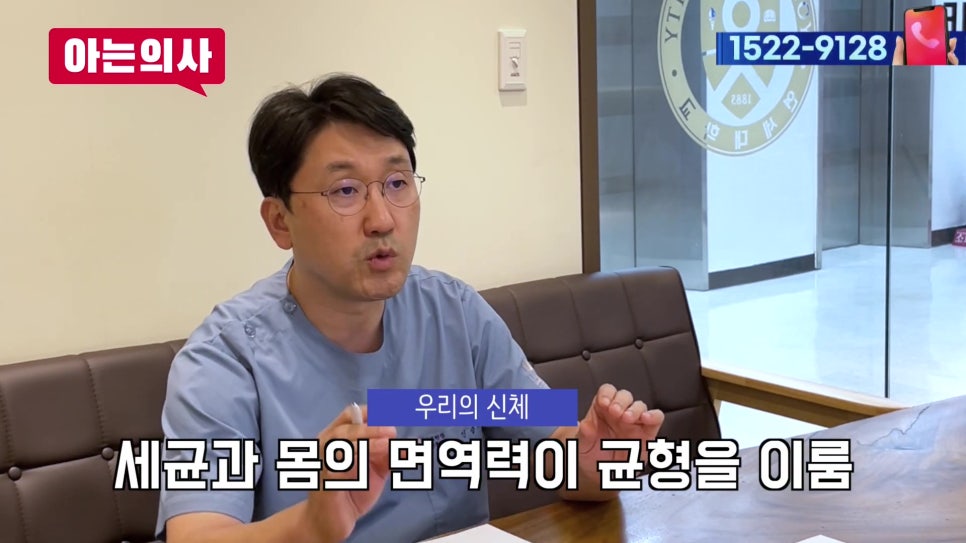
As you all know, our health can be maintained when bacteria and the immune system remain in balance.
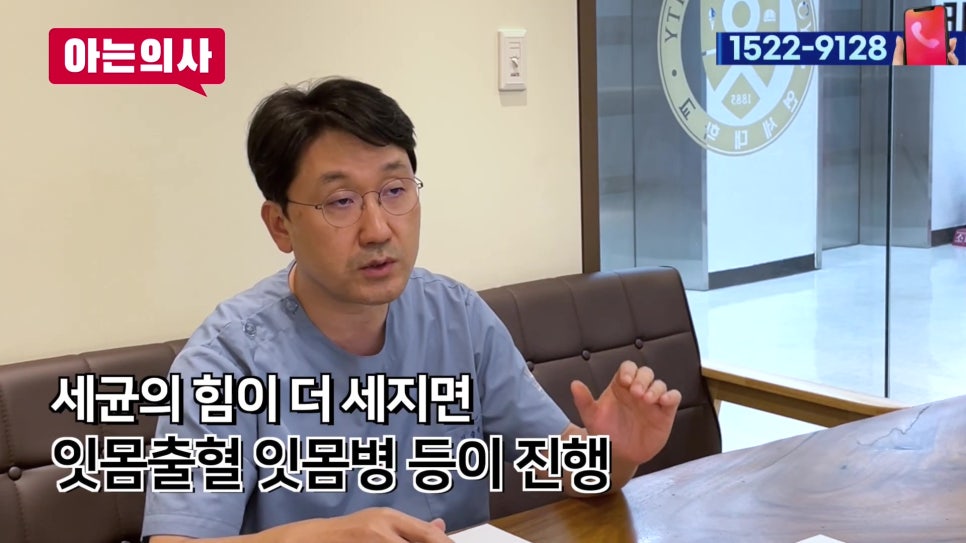
When stress causes harmful bacteria to become stronger than your immune defenses, you become more likely to develop gum disease, such as swollen or bleeding gums.
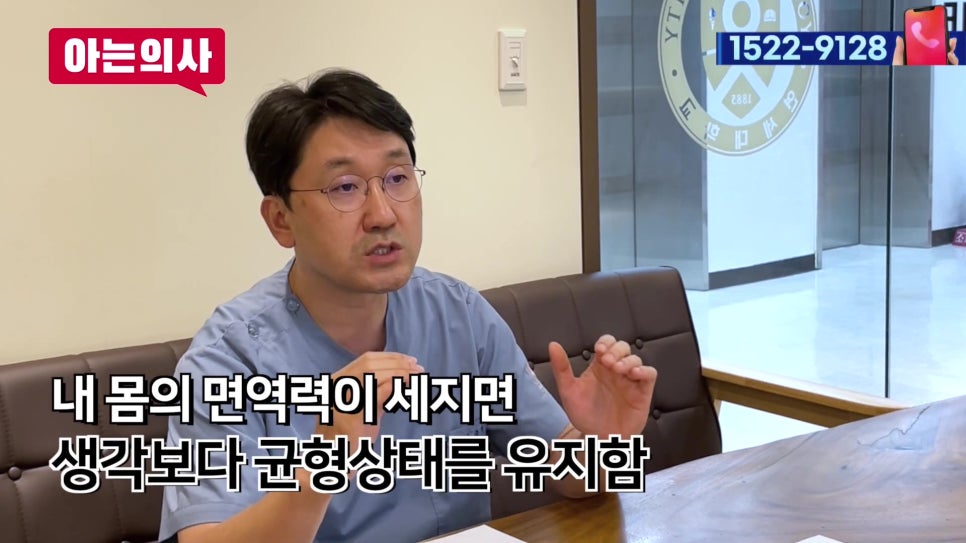
Conversely, if your immune system functions normally and fends off attacks from harmful bacteria, you can be somewhat protected from gum disease and cavities.
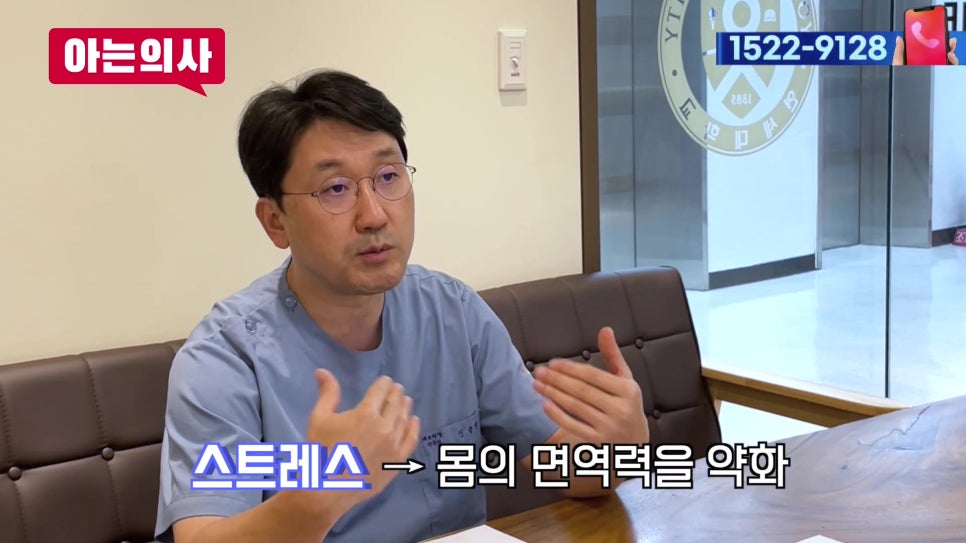
Stress is often said to be the cause of many illnesses.
One reason is that severe stress can prevent the immune system from functioning properly.
Even if you maintain your usual oral care routine, your risk of developing gum disease may increase.
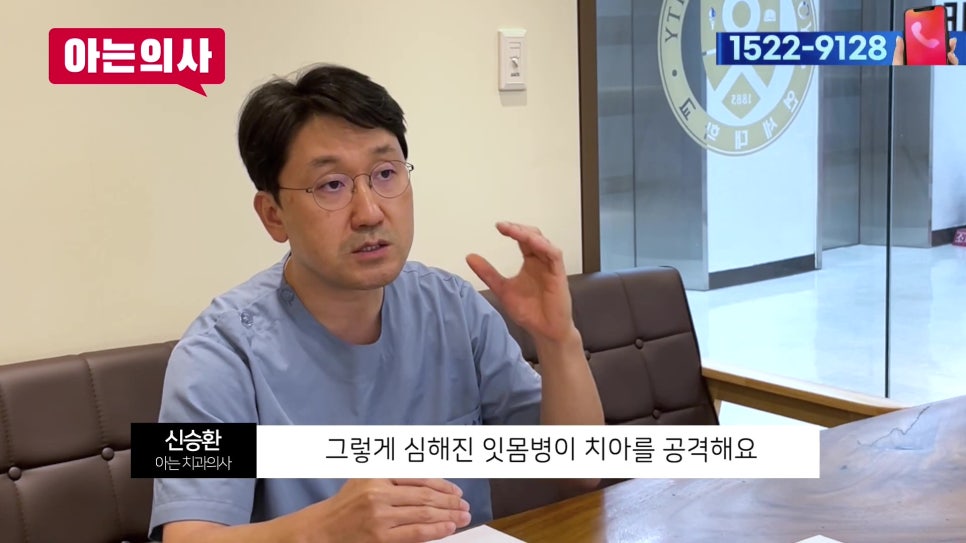
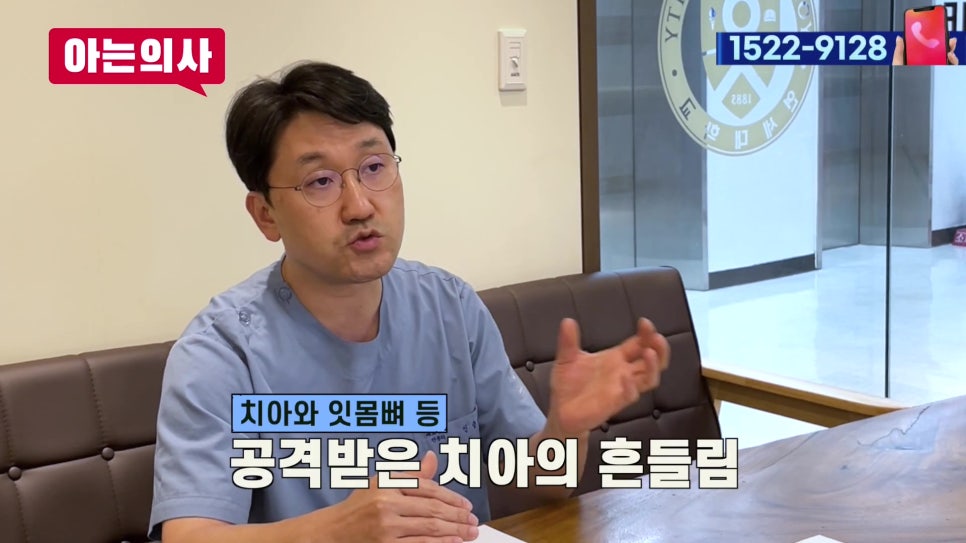
When gum disease develops, it does not simply weaken the gums. It can also affect the teeth and the surrounding jawbone, causing problems such as loose teeth and eventually leading to tooth extraction at dental clinics, including those in Sillim-dong.
In other words, the idea that stress can cause teeth to fall out or lead to tooth loss is not entirely unfounded.
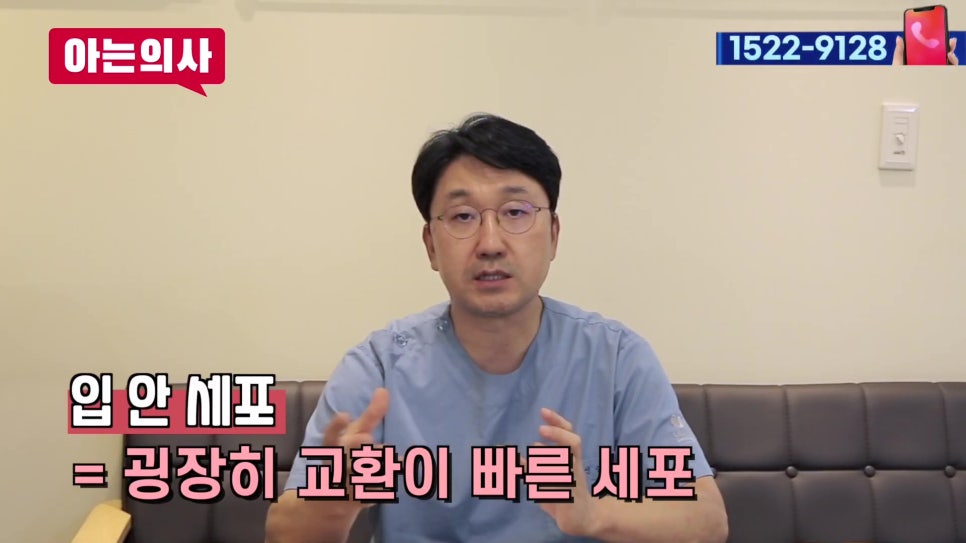
The cells in our mouths have a rapid renewal cycle.
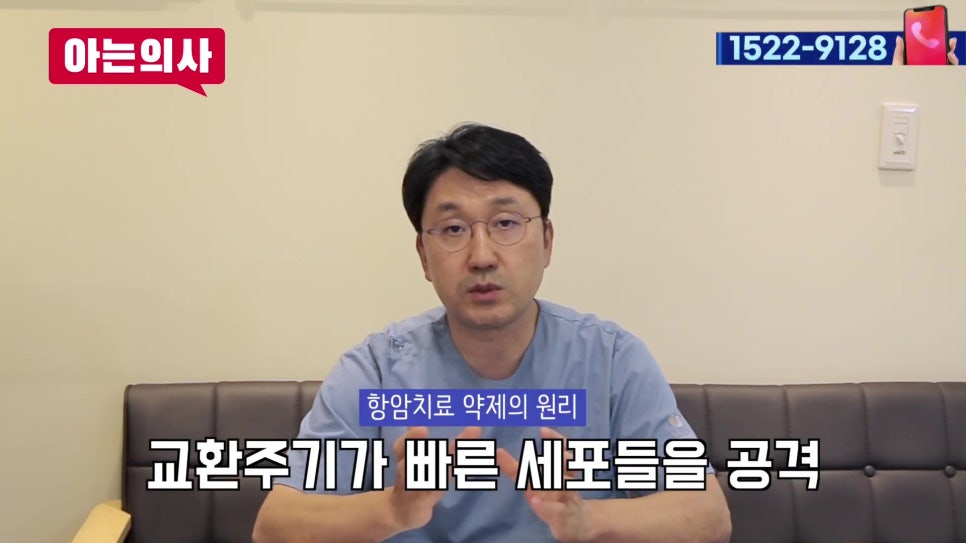
During chemotherapy, people may not only experience hair loss, but also dry mouth, which can make gum disease and cavities more likely to develop.
This occurs because the medications used in chemotherapy attack cells that have a rapid renewal cycle.
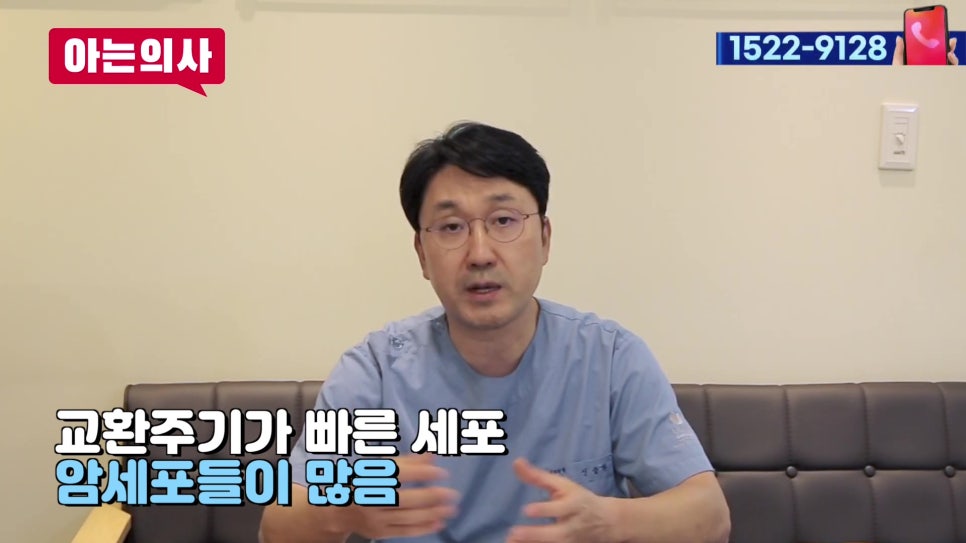
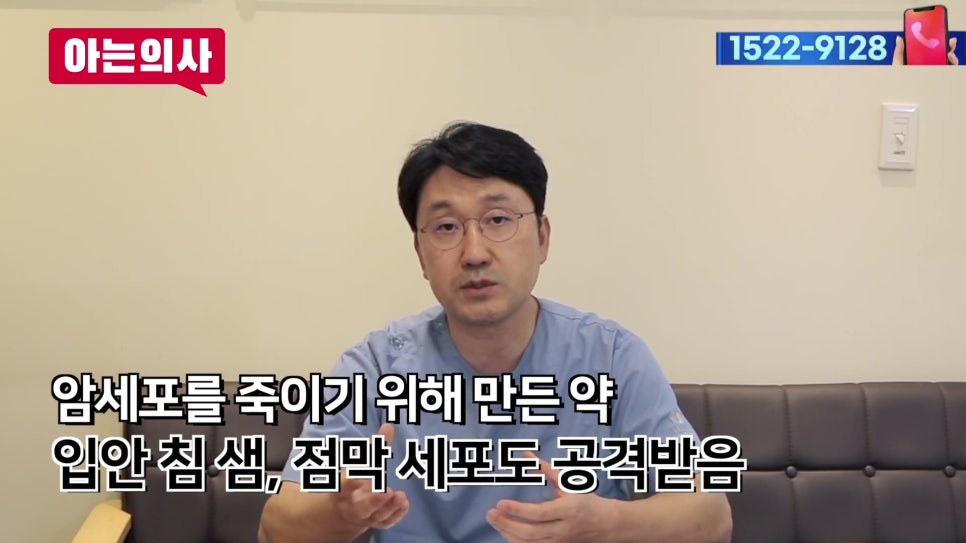
To explain in more detail, cancer cells not only renew rapidly but also multiply quickly.
Chemotherapy drugs used to attack these cells also attack other cells with rapid renewal cycles.
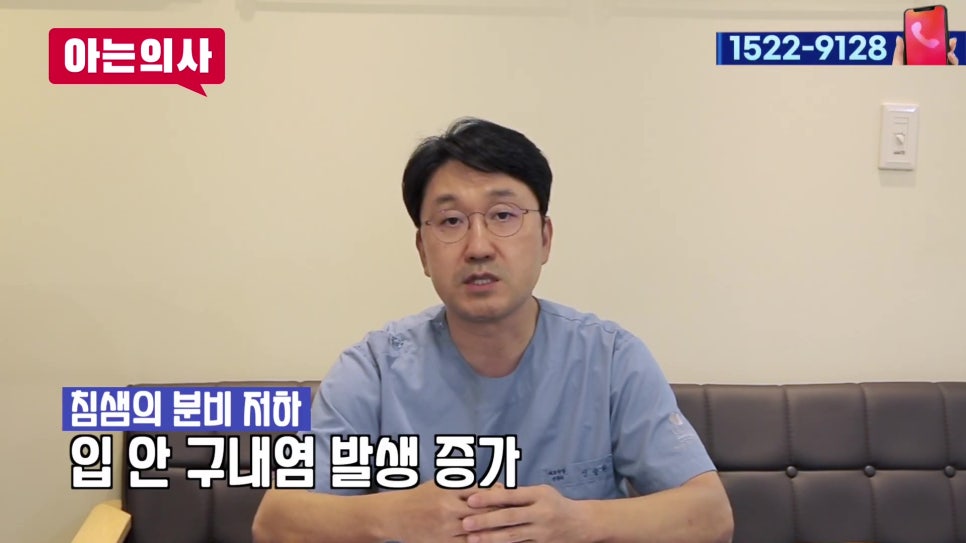
When the mucous membrane cells in the mouth or the salivary glands are affected, saliva production decreases, which can also lead to frequent mouth ulcers.
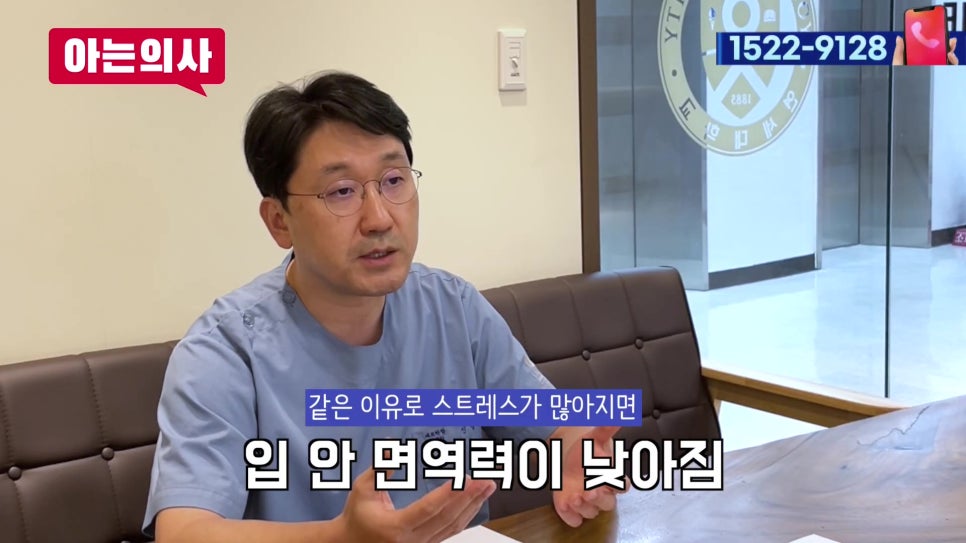
In the same way, stress can increase the risk of developing mouth ulcers and may worsen gum disease.
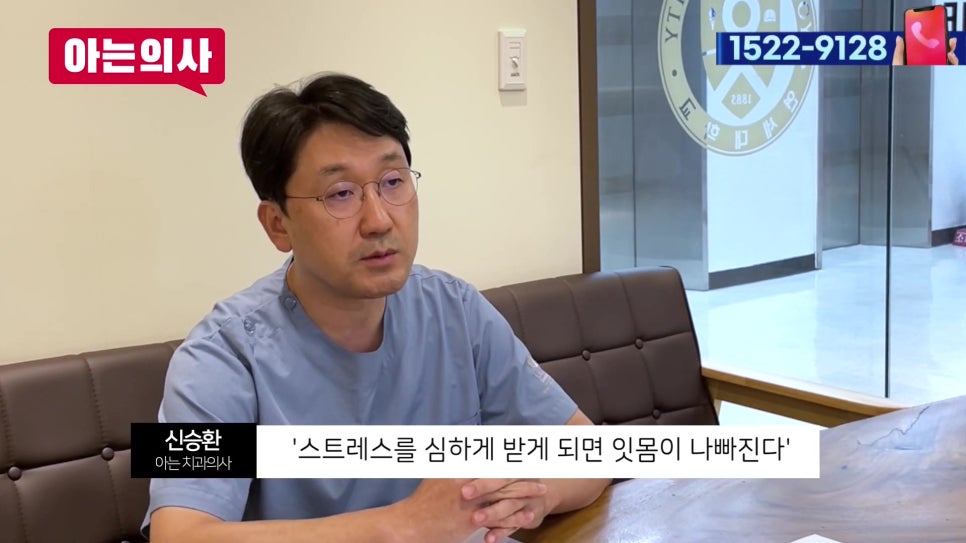
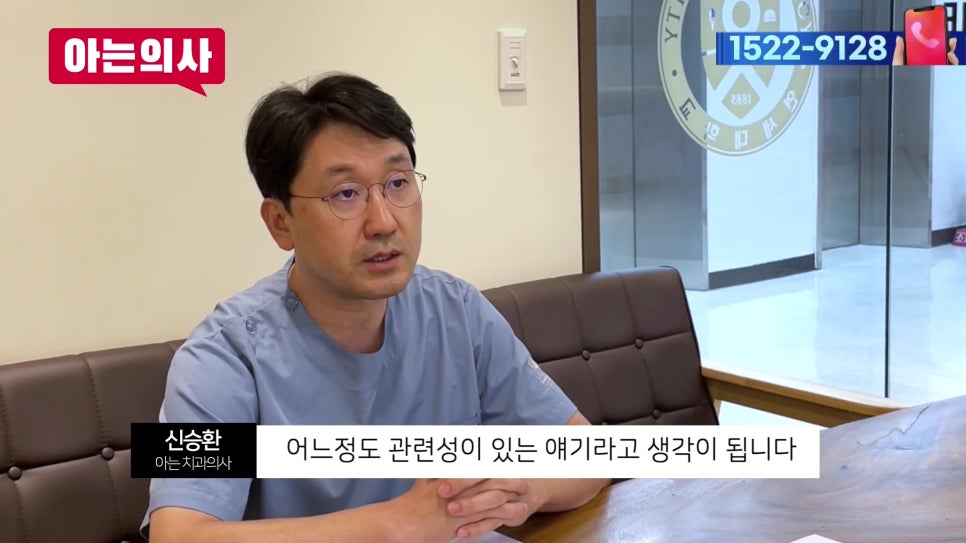
In short, the idea that stress can cause teeth to fall out and threaten oral health is not entirely untrue.
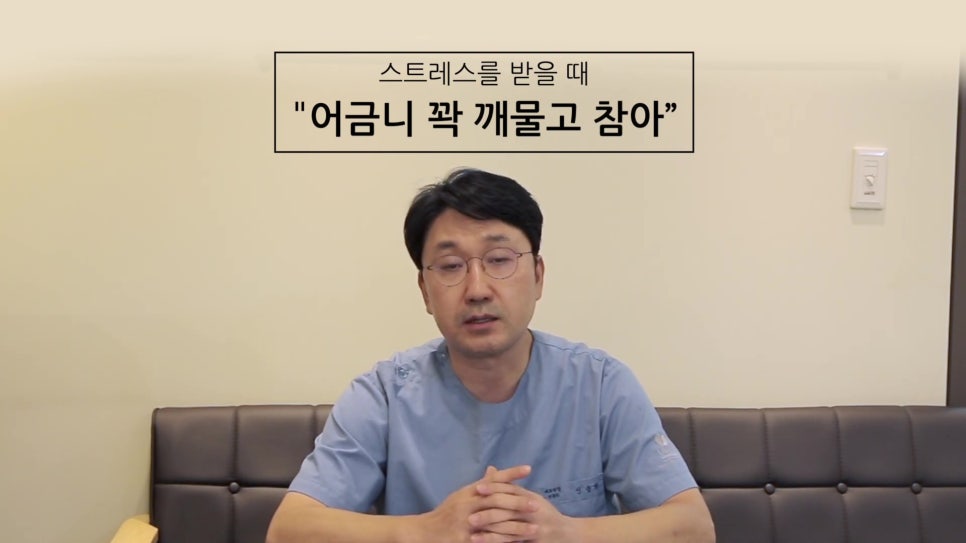
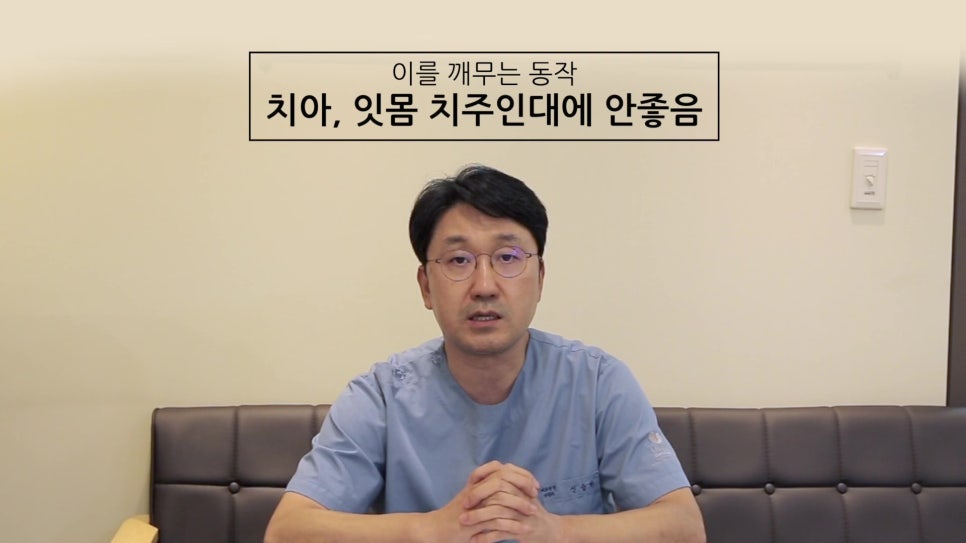
In addition, some people clench their teeth when they are stressed.
While clenching, tremendous strain is placed not only on the teeth but also on the gums and periodontal ligaments.
Although people sometimes say, “Clench your teeth and endure it,” it is better to correct the habit of clenching your teeth, even now.
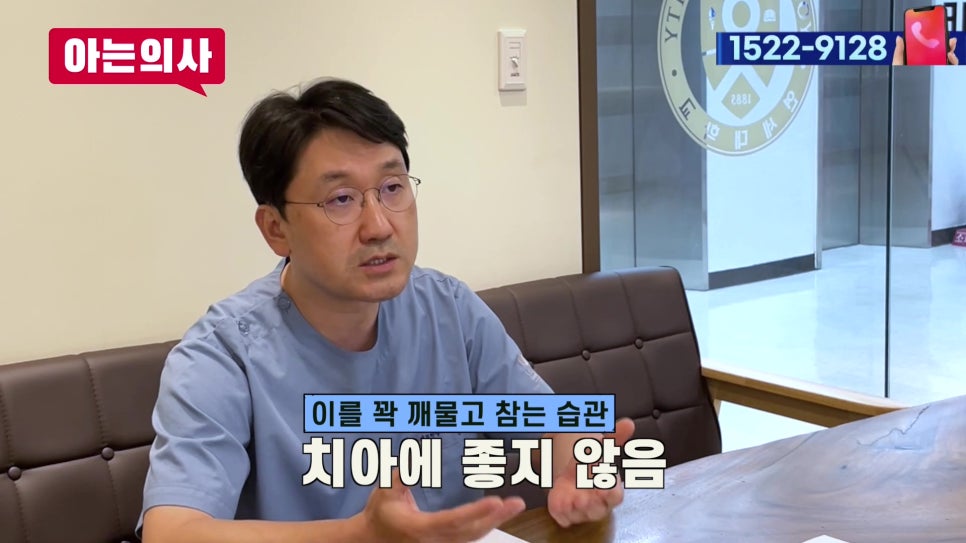
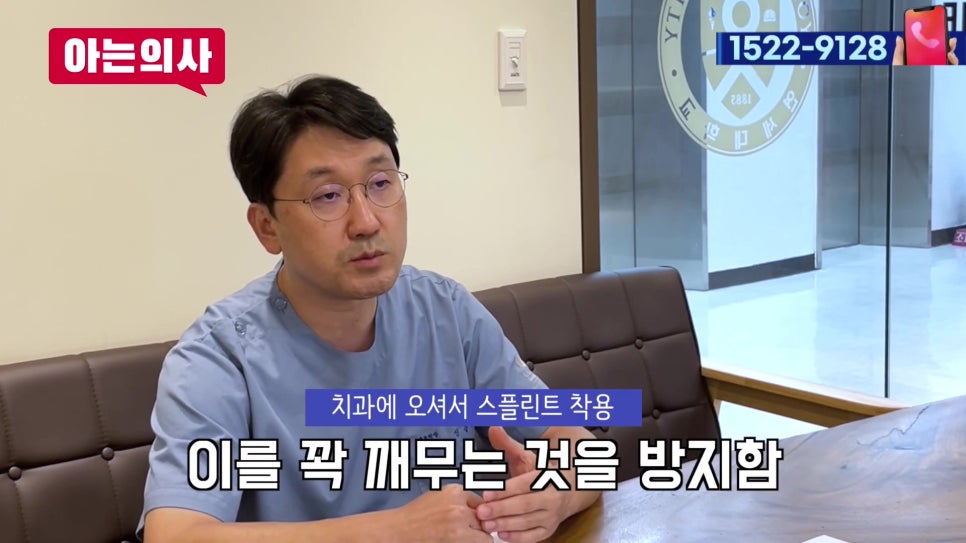
If you have a habit of clenching your teeth, it is a good idea to consider splint treatment for the sake of your teeth and gums.
This is because continuing to clench your teeth for a long time can cause tooth fractures or cracks.
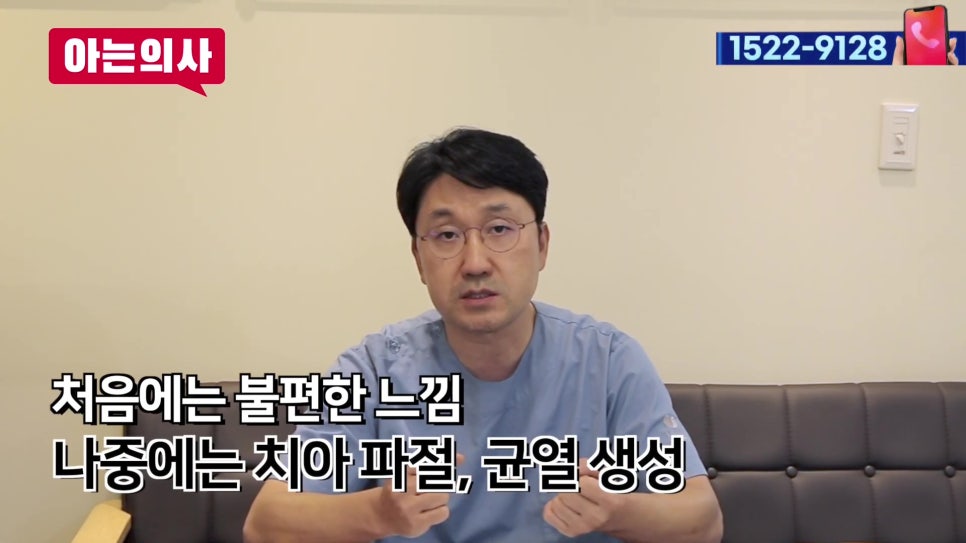
If the fracture or crack becomes severe, you may eventually need to have the tooth extracted.
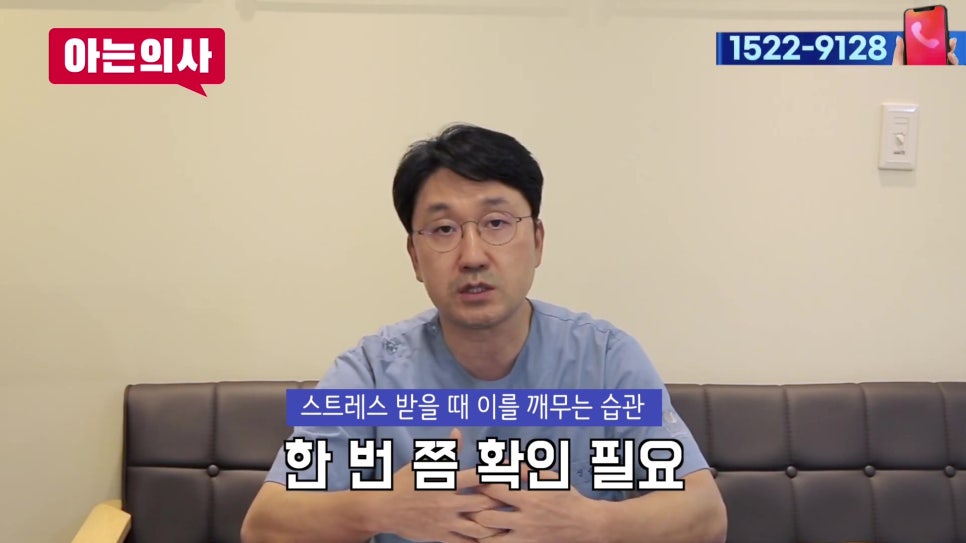
Therefore, if you have a habit of unconsciously clenching your teeth when you are going through a difficult time, it is a good idea to visit a dentist for a checkup.
In addition, if you grind your teeth while sleeping, visiting a dentist and receiving treatment for teeth grinding before it is too late can help you preserve your teeth.
https://www.youtube.com/watch?v=Np43-hvc7Zc