Hello. We are Yonsei U-Line Dental Clinic, located on the 17th floor of the Mijin Plaza Building at 825, Yeoksam-dong, Gangnam-gu, Seoul, and offering evening appointments on Mondays and Wednesdays.
Today, we would like to talk about proper toothbrushing.

As a modern-day person, you probably brush your teeth every day, one way or another.
If you are simply trying to remove food debris stuck to the surfaces of your teeth, however, you should make an effort to start brushing your teeth properly from now on.
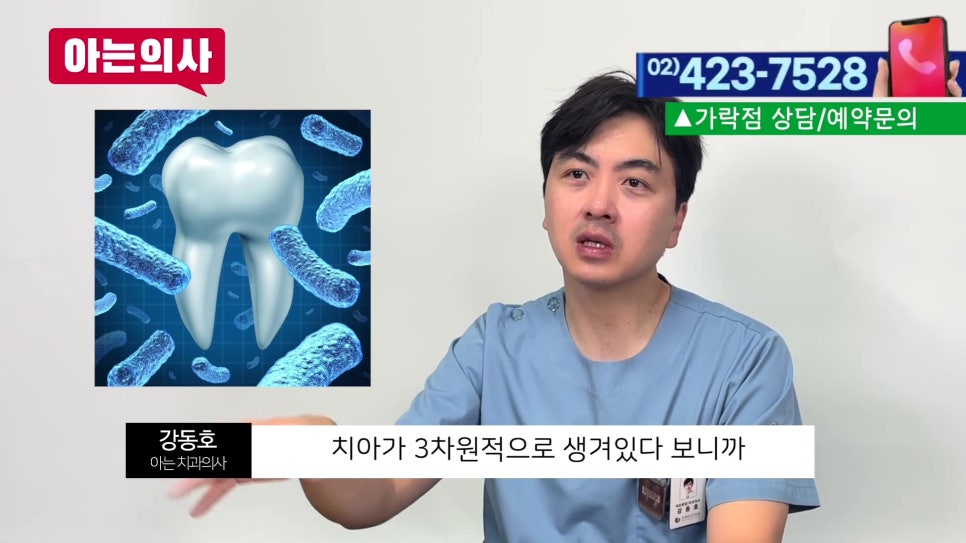


When brushing, the areas reached by the toothbrush are limited to the cheeks, tongue, and chewing surfaces of the teeth.
The problem is that teeth are three-dimensional, and because they are tightly pressed against one another, it is difficult to clean between them.
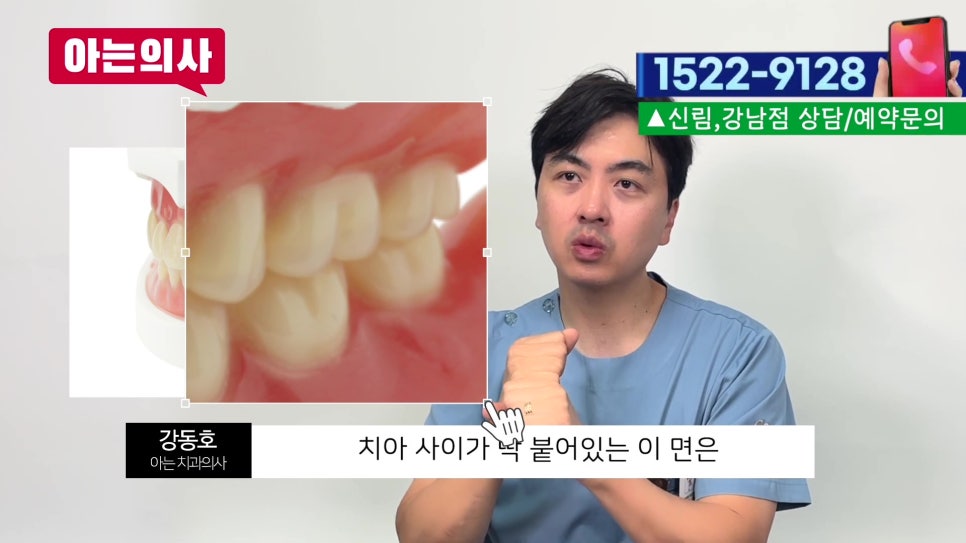

Because the teeth are tightly positioned together, it is fortunate in an unfortunate situation that foreign matter does not easily become trapped.
However, as you age, the gaps between them widen, creating an environment where debris can become trapped more easily.
Removing it is not easy, though.


Everyone's teeth have different shapes.
They can be round, angular, or take various other forms.
For people with round teeth, food can become trapped between the teeth even when the teeth are touching each other.


Older adults do not tend to develop cavities as easily, while children and younger people in their 20s and 30s have a higher incidence of cavities.
Therefore, to effectively remove foreign matter between the teeth, we recommend using dental floss when brushing rather than stopping at simply using a toothbrush.


It would not be an exaggeration to say that dental floss is the only tool that can clean between the teeth.
Cleaning between the teeth with floss first and then brushing can be considered the proper way to brush your teeth.
Children whose permanent teeth have come in, as well as people in their 20s and 30s, develop plaque and tartar from debris between their teeth, and cavities progress more quickly in these groups than in other age groups.


When we look at patients in their 20s who visit us because of cavities, many receive treatment for cavities on the adjacent surfaces between the teeth, just as often as for cavities on the chewing surfaces.

As mentioned earlier, these cavities between adjacent tooth surfaces can only be prevented by using dental floss.
You do not need to floss every time you brush.
It is best to floss once a day, when you brush your teeth for the last time before going to bed.



This is because saliva production decreases during sleep, reducing its buffering capacity.
When the mouth becomes dry in this way, acidity decreases and cavities become more likely to develop, so the idea is to remove the food for cavity-causing bacteria entirely before going to sleep.



As wrinkles naturally appear with age, the amount of gum tissue also gradually decreases.
This creates more empty space between the teeth, making it easier for plaque to accumulate in those spaces.


Older adults tend to develop cavities around the roots of their teeth rather than between the teeth.
As aging progresses, saliva production may decrease, or if an underlying condition causes saliva production to drop, cavities can develop more easily around the tooth roots.

To prevent cavities around the tooth roots as well, using dental floss is essential.
This is because, just like the areas between the teeth, the root areas are difficult to clean thoroughly with a toothbrush alone.

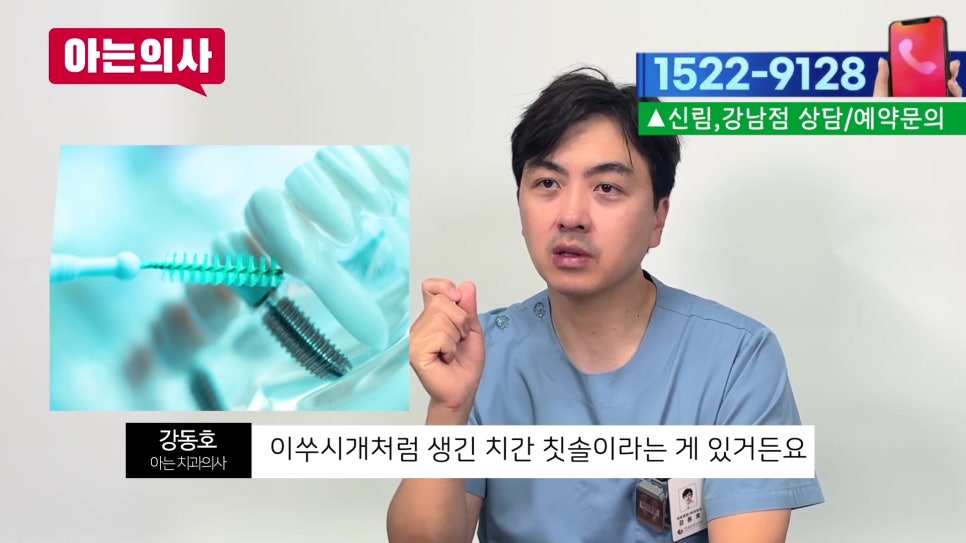
If significant gum recession has occurred and the spaces are large, using an interdental brush rather than dental floss can be helpful.


We tend to regard brushing with a toothbrush as the entirety of toothbrushing, but using dental floss and an interdental brush in addition to a toothbrush can help prevent many conditions.
It can reduce not only cavities and gum disease, but also bad breath.


It is best to develop the habit of using dental floss to protect the spaces between your teeth from an early age.
However, remember that starting to use dental floss from now on can be a shortcut to preventing dental conditions and maintaining healthy teeth and gums.