Hello. I am Kang Dong-ho, the representative director of Yonsei U-Line Dental Clinic, located in Sillim-dong, Gwanak-gu.
Today, I would like to talk about temporomandibular joint problems.
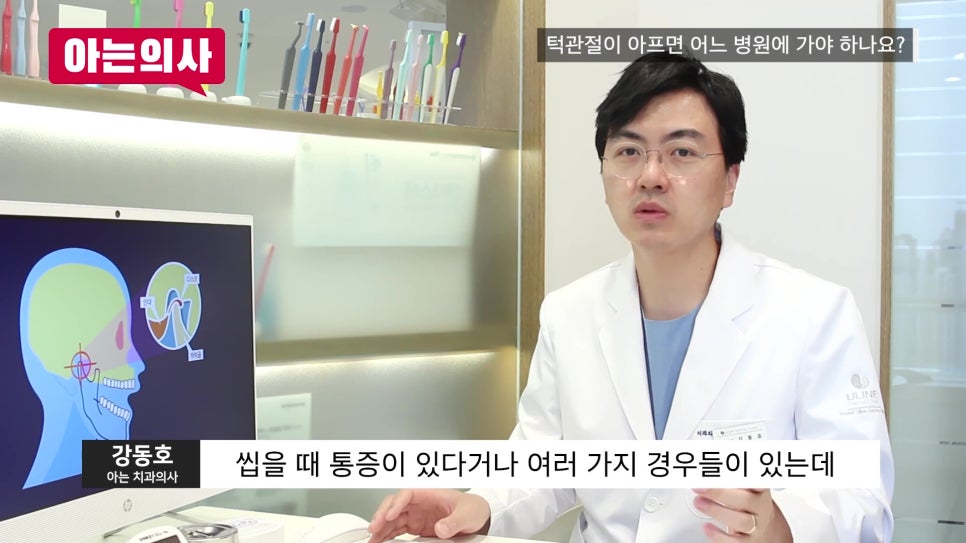
Have you ever felt discomfort or pain in your jaw?
Temporomandibular joint pain may cause pain when chewing or clicking sounds in the jaw,
and in severe cases, it can make it difficult to open your mouth or even cause headaches.
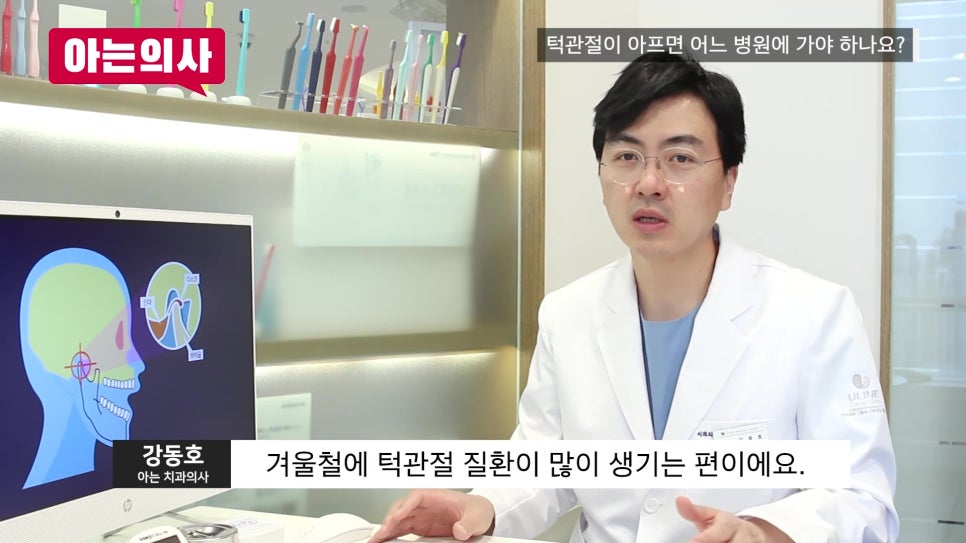
In particular, temporomandibular joint problems may worsen in winter as the muscles become more tense.
There are various causes of temporomandibular joint problems.
Jaw misalignment or malocclusion can place stress on the jaw when the upper and lower teeth do not fit together properly.
In addition, poor posture, such as resting your chin on your hand or looking at your phone with your head lowered, can also be a cause.
Eating a lot of tough foods, such as dried squid or chewing gum, may also place stress on the temporomandibular joint.
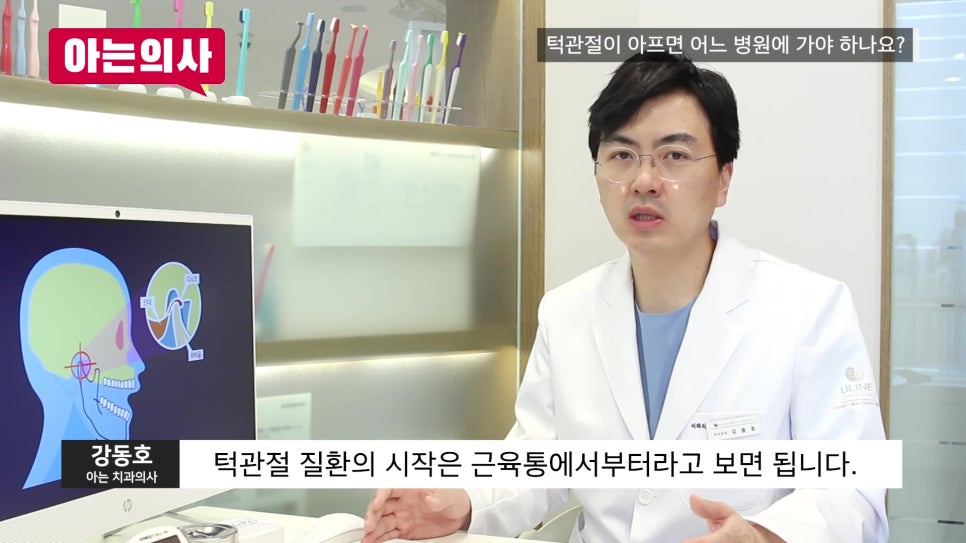
For these reasons, the muscles become tense, stress is placed on the temporomandibular joint, and pain develops.
When problems occur in the temporomandibular joint, various symptoms may appear.
The jaw may make a clicking sound or hurt when chewing,
and the mouth may be difficult to open or may open with a deviation to one side.
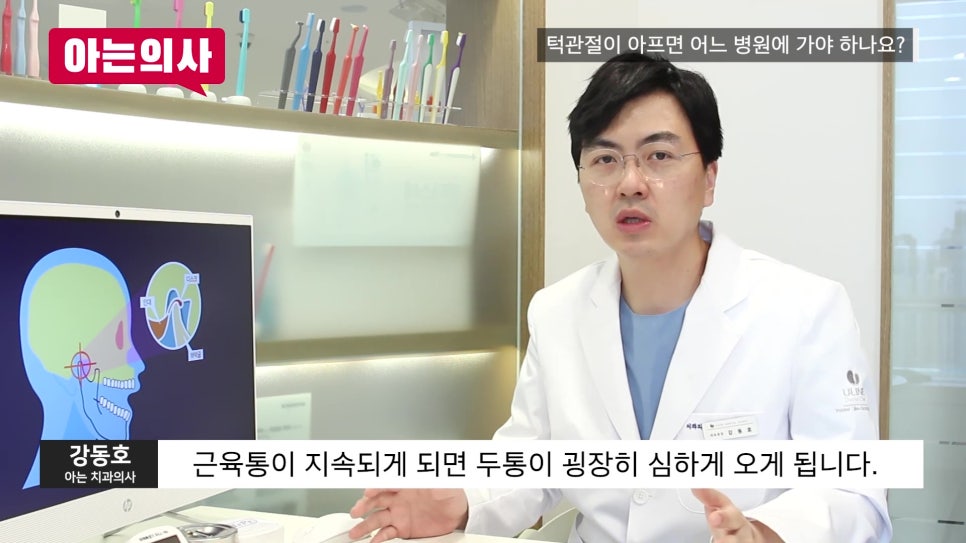
In severe cases, frequent headaches may occur, and the area around the jaw may feel stiff and sore.
Few people visit a hospital simply because they hear a sound,
and most seek medical attention when the pain worsens or it becomes difficult to open their mouths.

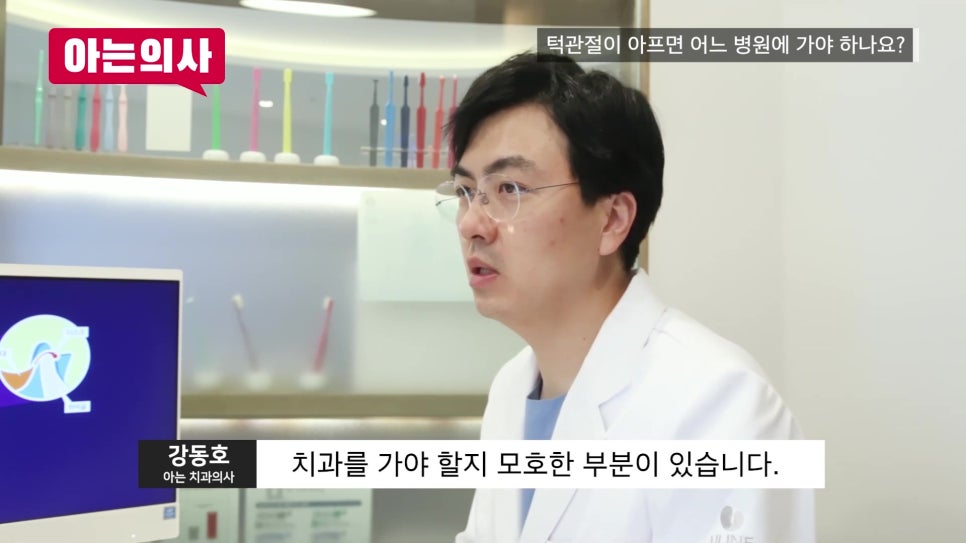
When your temporomandibular joint hurts, it can be confusing whether to visit a dentist,
an orthopedic clinic,
or a Korean medicine clinic.
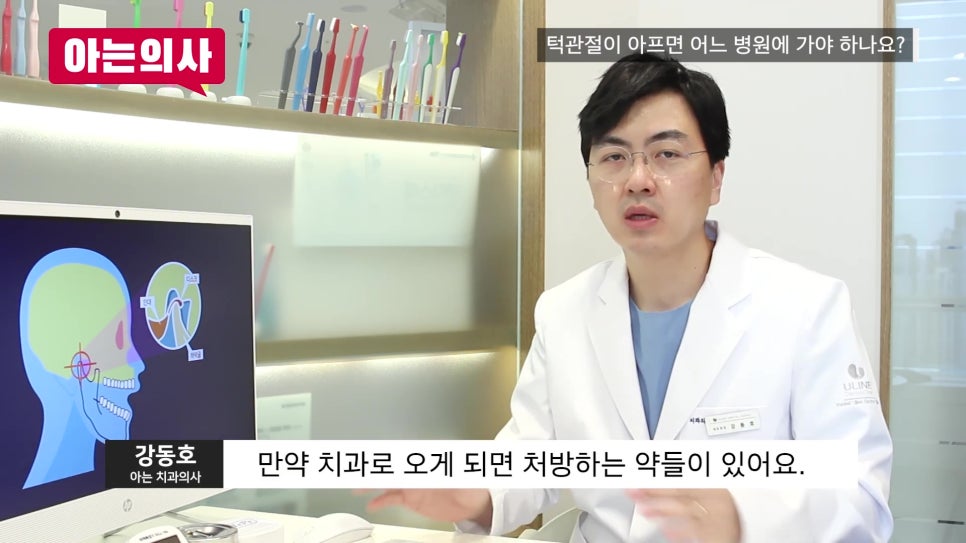
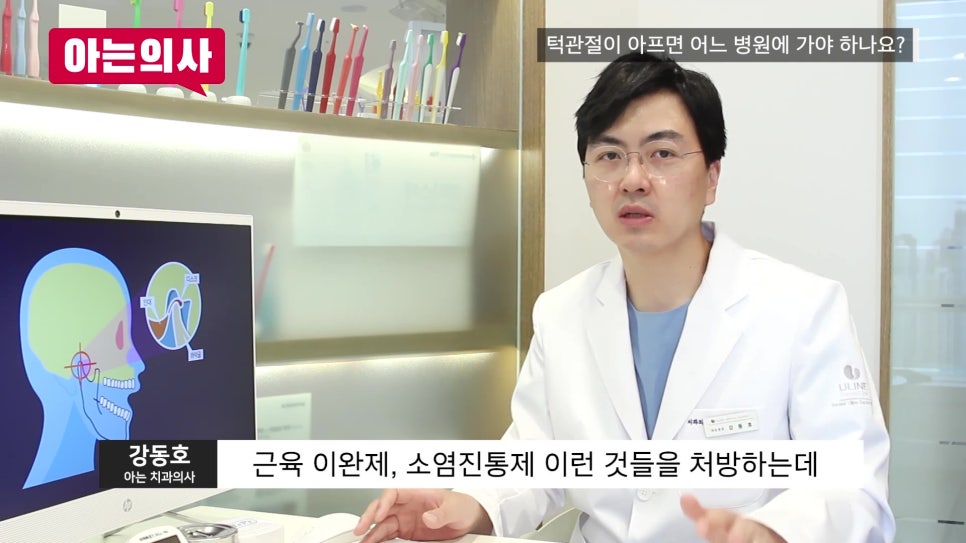
Dentists generally prescribe anti-inflammatory pain relievers
and muscle relaxants.
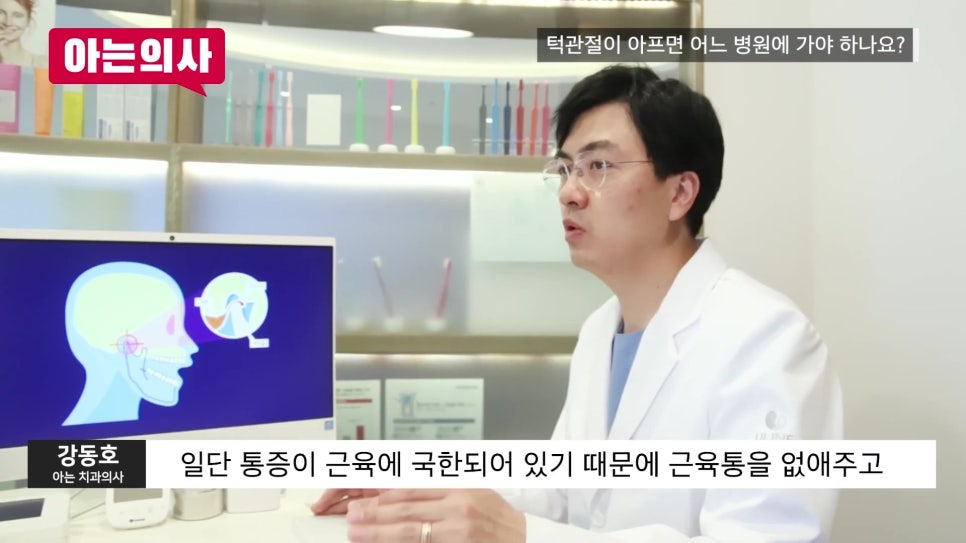
Because the pain is localized in the muscles,
treatment focuses on relaxing the muscles and reducing the pain.
Regardless of which type of hospital or clinic you visit, the basic treatment approach is similar,
with the key goals being to relax the muscles and relieve the pain.
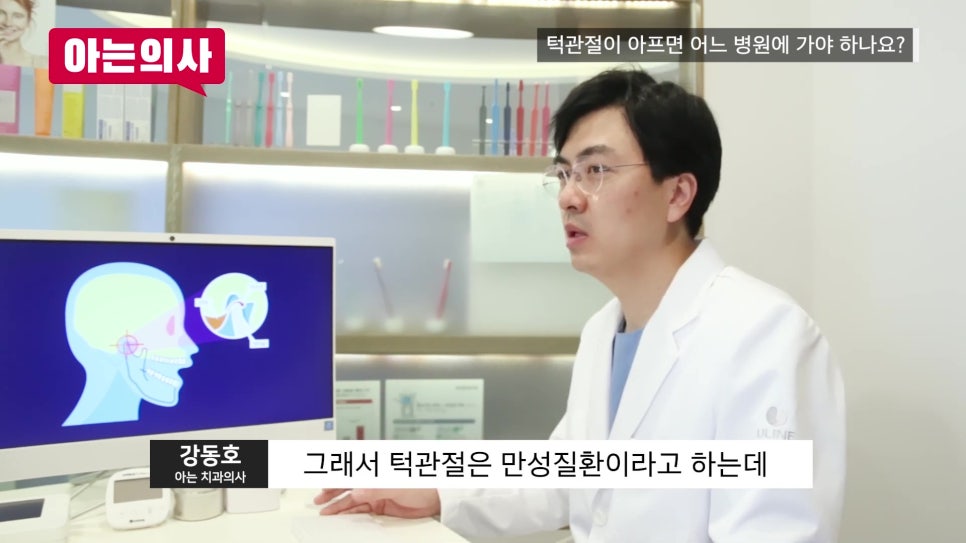
One important point is that temporomandibular joint problems do not necessarily end after a single course of treatment.
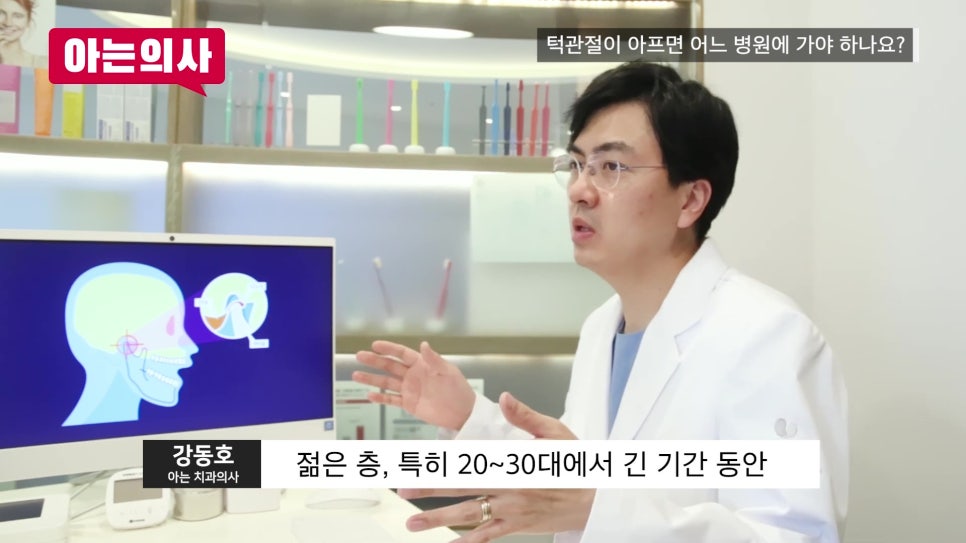
Temporomandibular joint pain, particularly among people in their 20s and 30s,
can in severe cases continue for more than 10 years.
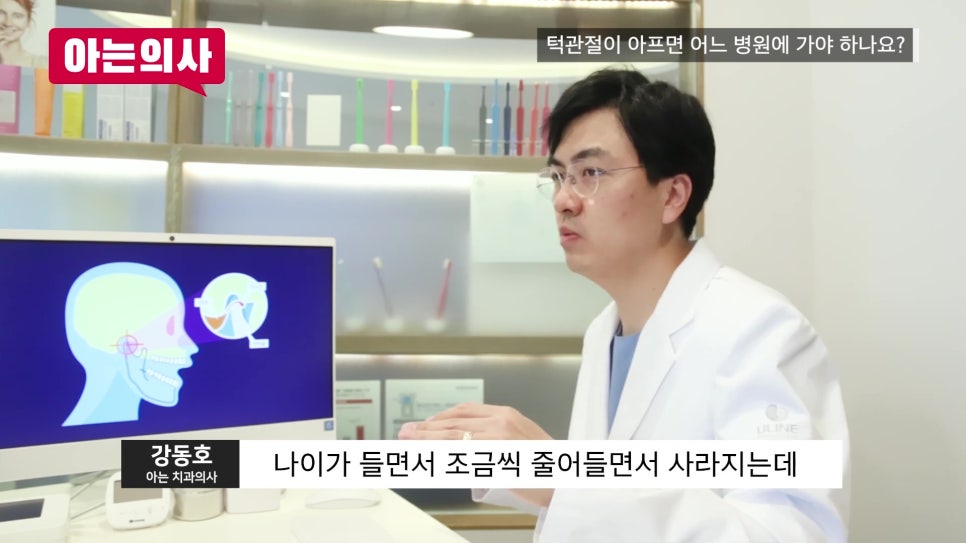
In some cases, the condition may naturally improve with age,
but regular management is very important.
To keep the temporomandibular joint healthy, it is important to reduce tough foods that place stress on the jaw
and maintain good posture.
Avoid the habit of resting your chin on your hand, and be careful about looking at your phone with your head lowered.
It may also help to stretch and massage the jaw
and manage stress effectively.
This is because stress can lead to a habit of clenching your teeth,
which may place stress on the temporomandibular joint.
Once a problem develops in the temporomandibular joint, it can persist for a long time,
so it is important to take care of it regularly.