Hello. This is Yonsei U-Line Dental Clinic, located at 825 Yeoksam-dong, Gangnam-gu, near Gangnam Station.
Today, I’d like to talk about the drawbacks of no-prep veneers, which have recently attracted a great deal of interest.

The biggest drawback—and limitation—of no-prep veneers is that they can cause problems for people whose teeth are closely spaced.
You know how some people’s teeth are positioned very tightly against one another?
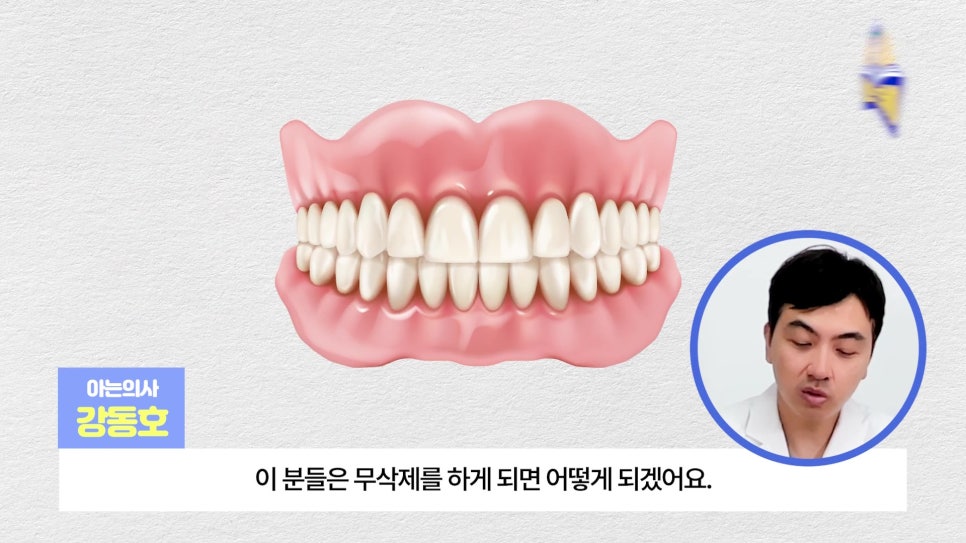
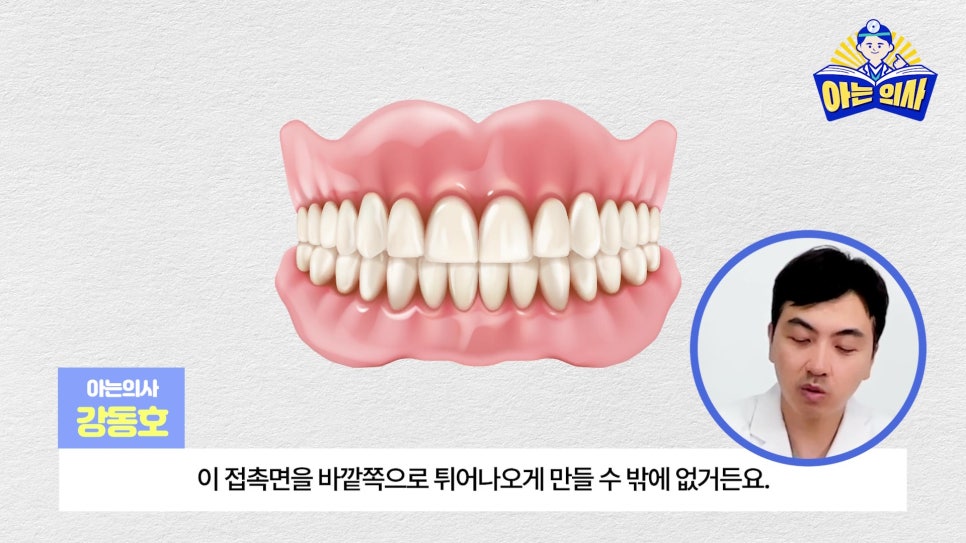
When those people receive no-prep veneers, contact surfaces need to be created, but the problem is that making them look natural is not easy.
In general, when veneers are attached, they inevitably extend farther outward than the original tooth surface.
That is because they are placed on top of the teeth without grinding them down at all.
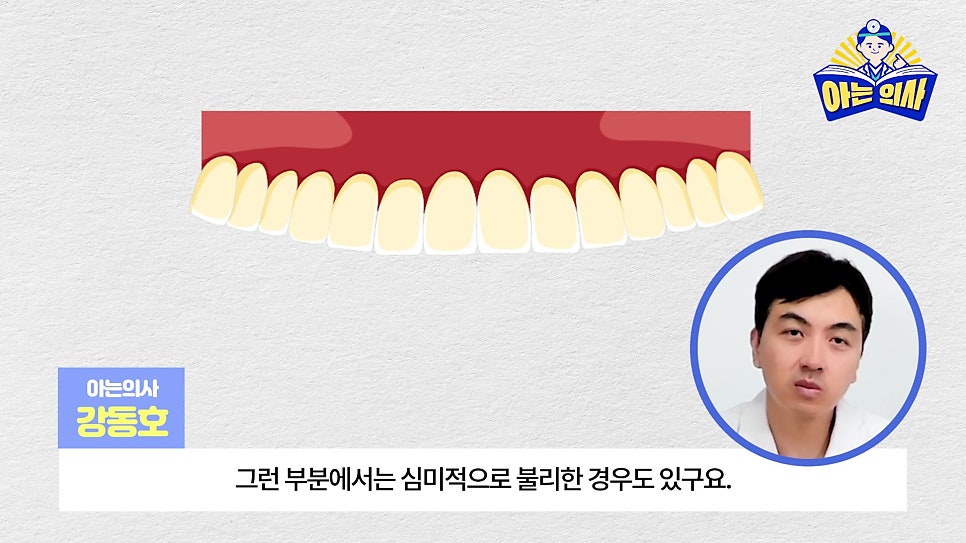
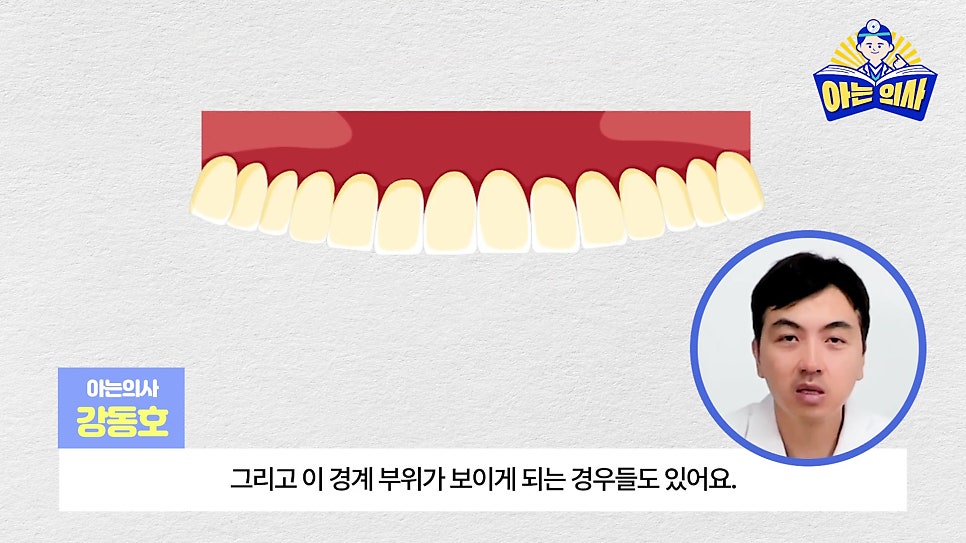
When they protrude outward like this, the shape may look unnatural, and the boundary area may be especially noticeable.
The boundary can even appear more prominent when light shines through it.
As a result, the aesthetic outcome may not be satisfying.
This is not simply a matter of appearance.
If the veneers do not fit closely, they may instead cause a foreign-body sensation or discomfort when speaking or chewing.
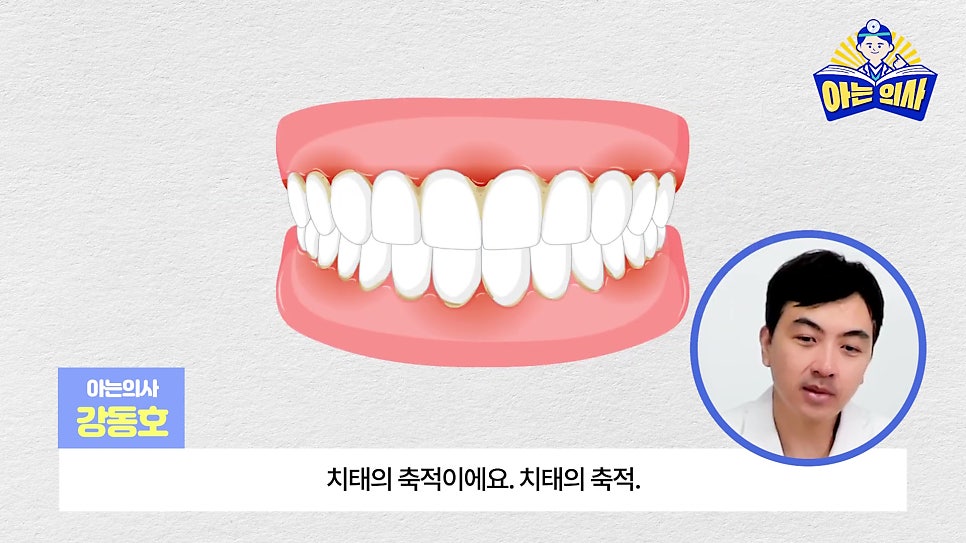
Another important issue is plaque accumulation.
To explain this in a little more detail, veneers are attached on top of the teeth.
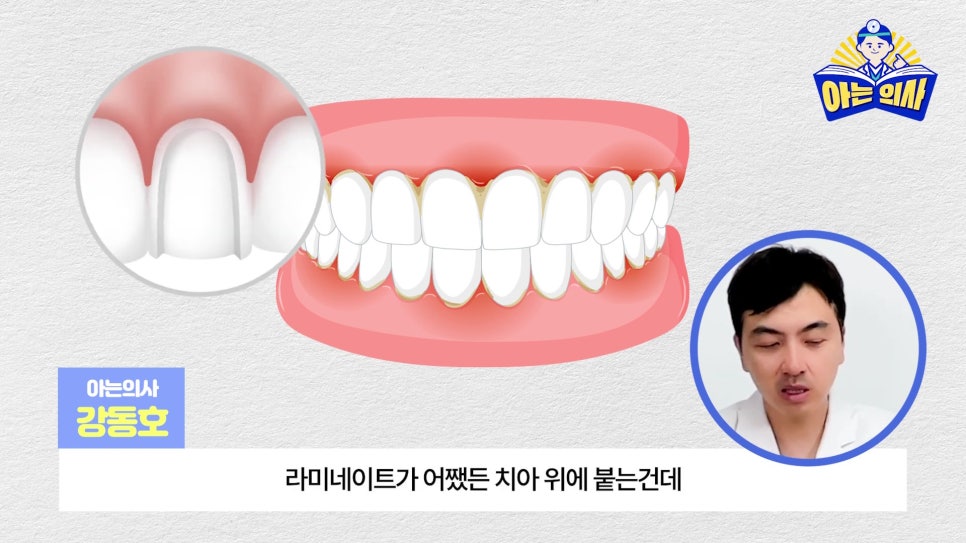
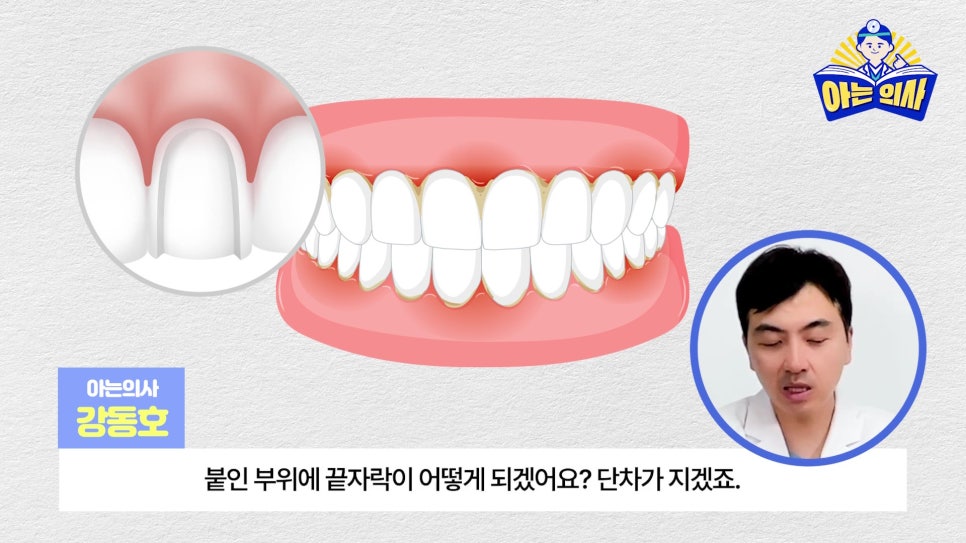
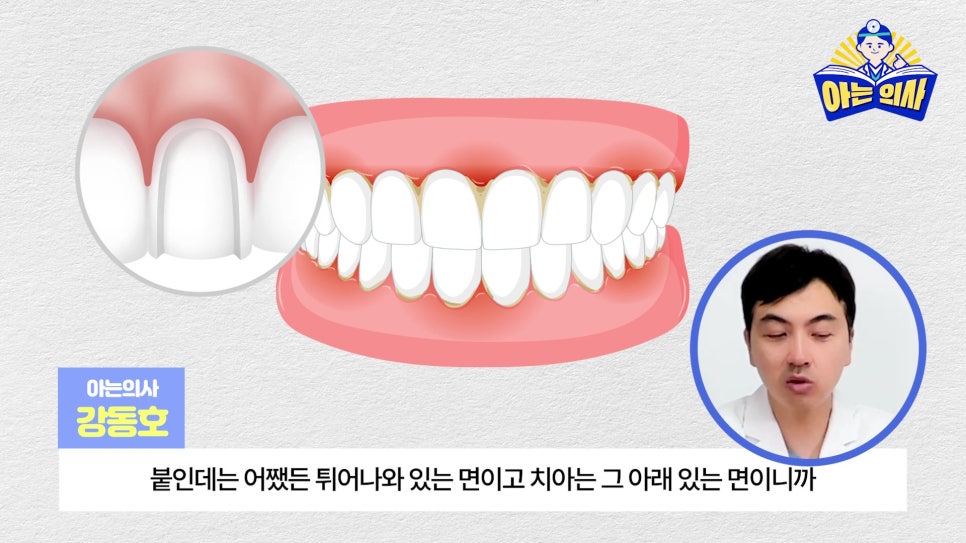
This means that a slight step or difference in height can inevitably form at the boundary where the veneer is attached.
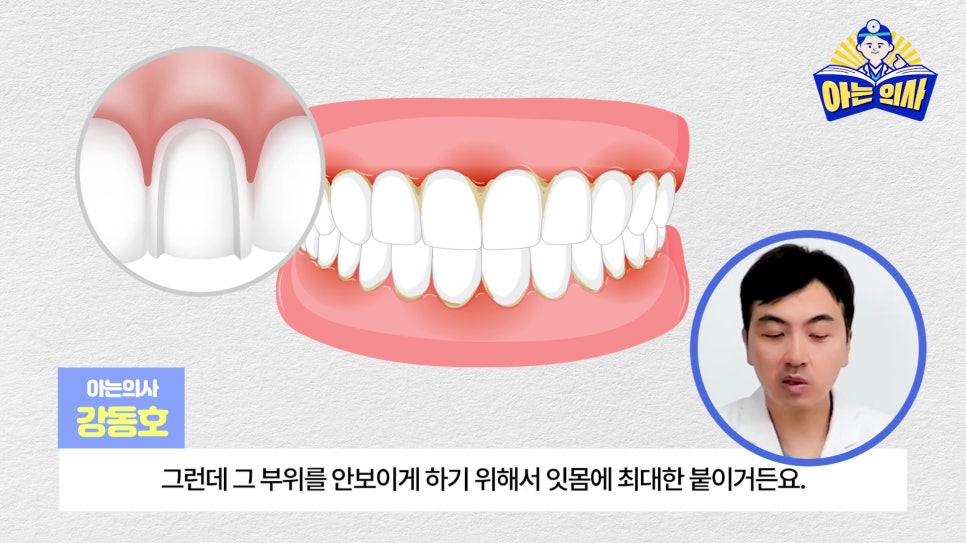
This is more noticeable with no-prep veneers.
That is because, rather than grinding the teeth down to make them flat before attaching the veneers, the veneers are placed directly over the teeth’s original surfaces.
As a result, the boundary often does not transition smoothly.
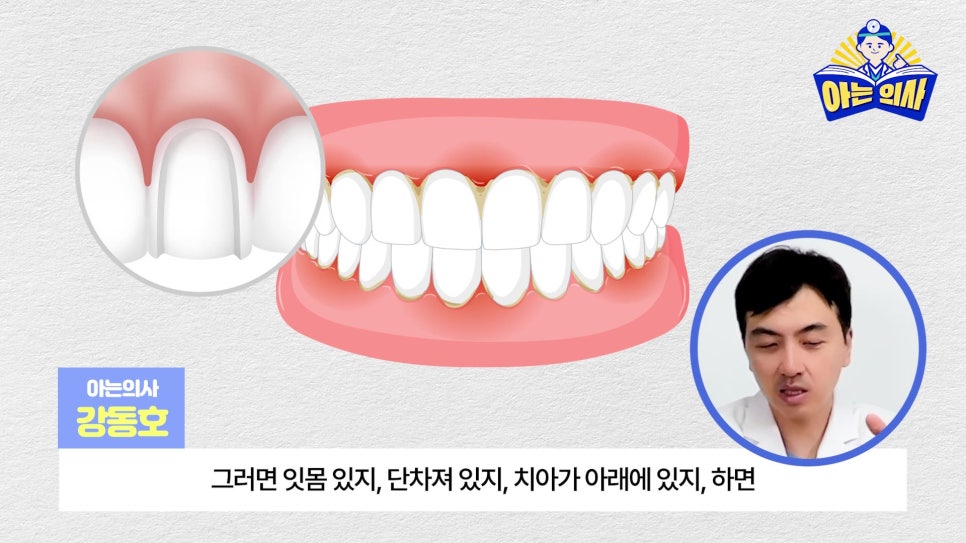
The procedure is performed as close to the gums as possible to make this boundary look as natural as possible.
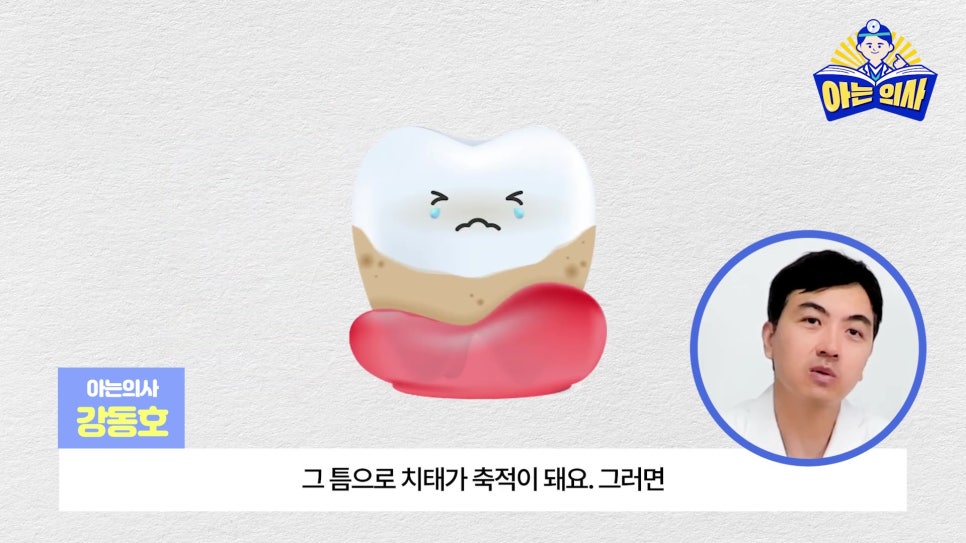
However, the problem is that the structure between the gums and the veneers—with their difference in height—is particularly likely to allow plaque to accumulate.
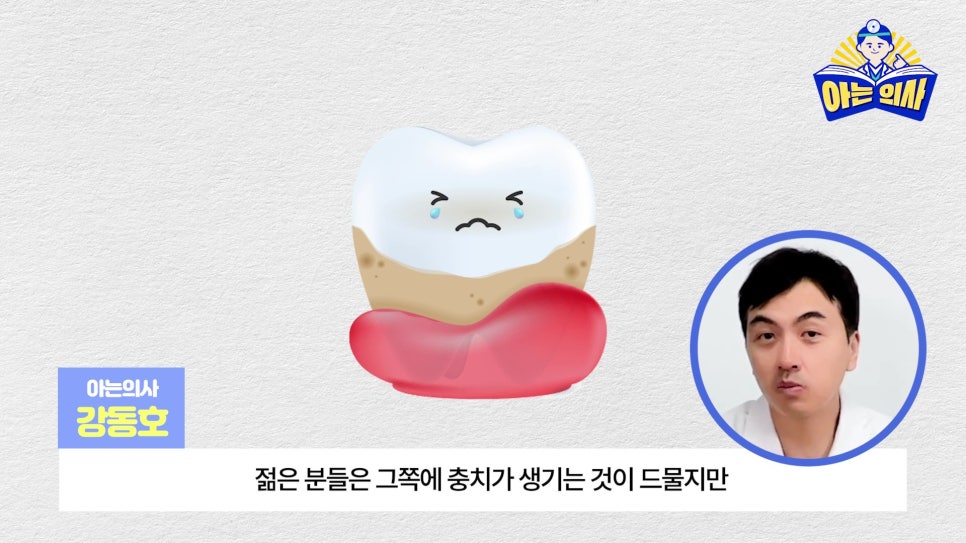
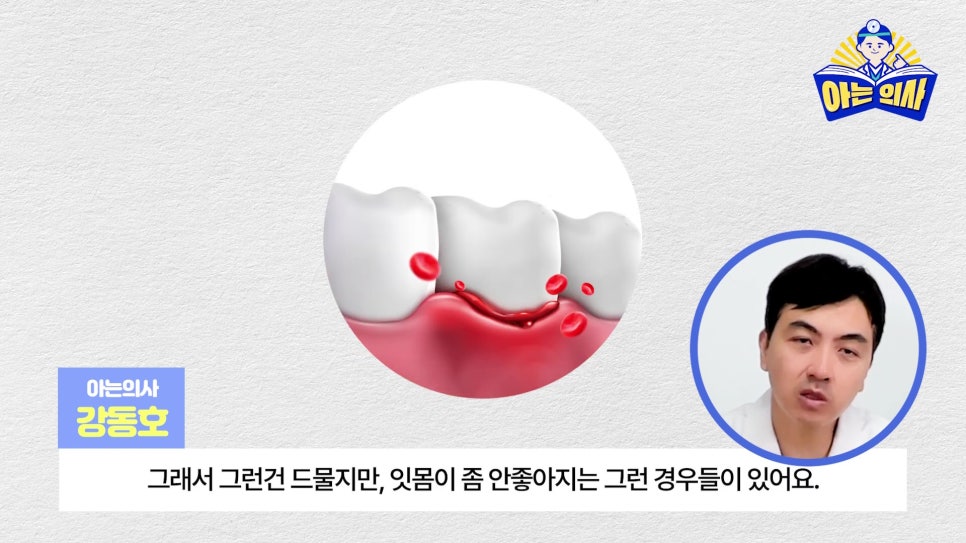
Therefore, even with careful maintenance, it can be difficult to keep that area clean, increasing the possibility that the gums will gradually deteriorate.
In particular, younger people tend to brush their front teeth diligently, and cavities are uncommon.
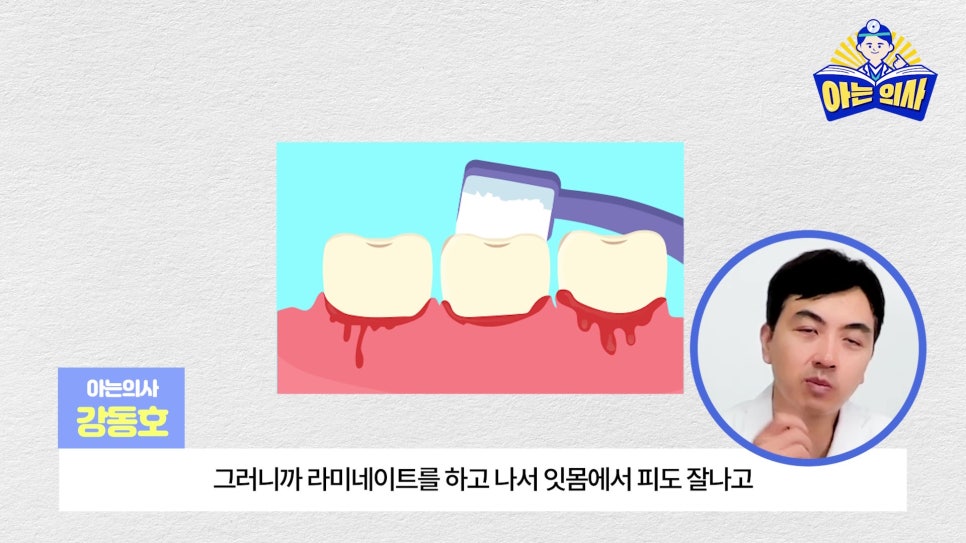
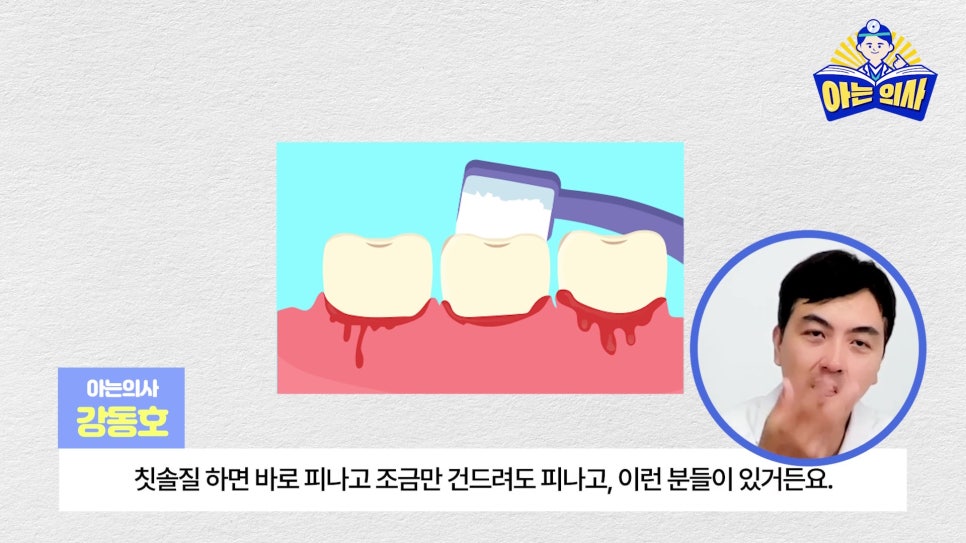
However, quite a few people experience worsening gum conditions after having veneers attached.
For example, their gums may bleed easily when brushing, bleed even when touched lightly, or even feel swollen without any apparent cause.

This does not mean that no-prep veneers are always bad, but it is very important to understand these drawbacks before making a choice.
If your teeth are closely spaced or your gum health is already somewhat compromised, you should consider the decision even more carefully.