Hello. This is Yonsei U-Line Dental Clinic.
Today, we would like to answer a question submitted through our YouTube channel by someone who developed inflammation again in a tooth that underwent root canal treatment three years ago.
A subscriber received root canal treatment three years ago, but inflammation has now broken through the gums like a pimple. After an examination, they were told to consider root canal retreatment.
The initial root canal treatment was already very difficult, and they were told that the chances of success would not be high even if it were performed again, so they seem to be unsure what to do.
They asked whether it would be better to extract the tooth and get an implant or undergo root canal retreatment.
Let me summarize the process so far.
First of all, root canal treatment is not a procedure that guarantees 100% success.
No treatment in the world can guarantee perfect success, but root canal treatment has a relatively high failure rate among dental procedures.
When we look at the data, the success rate is generally around 70–80%.
In other words, two or three out of ten cases may not turn out well.
This is because the nerve structure inside a tooth is extremely complex and there are many variables involved.
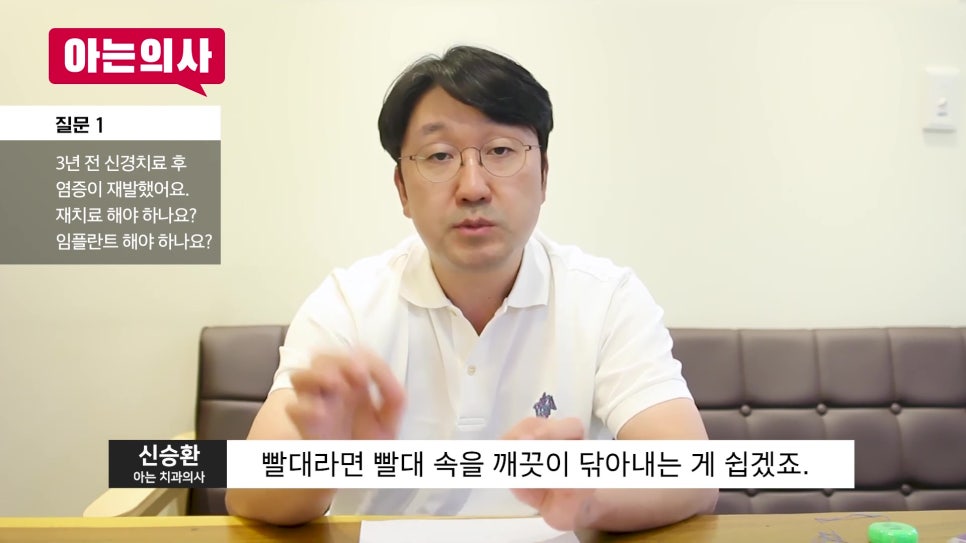
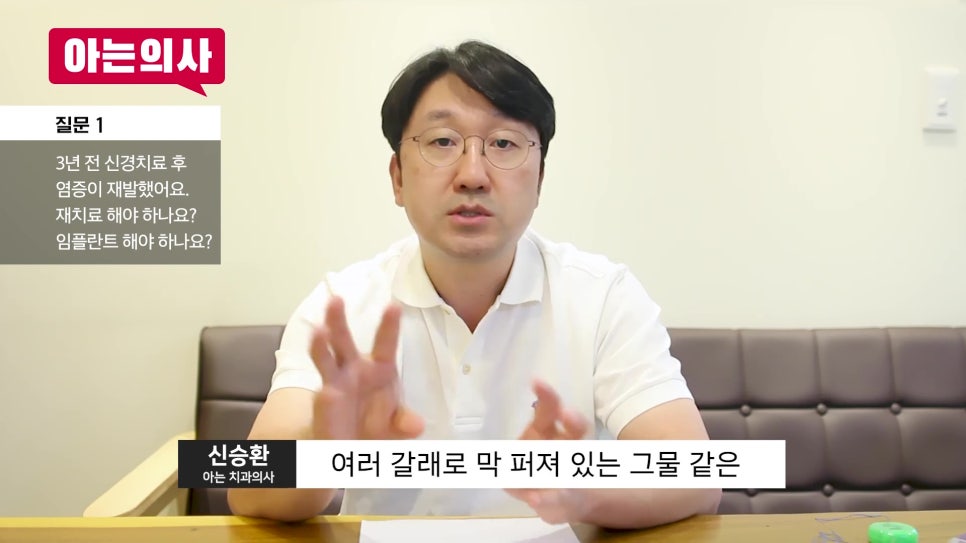
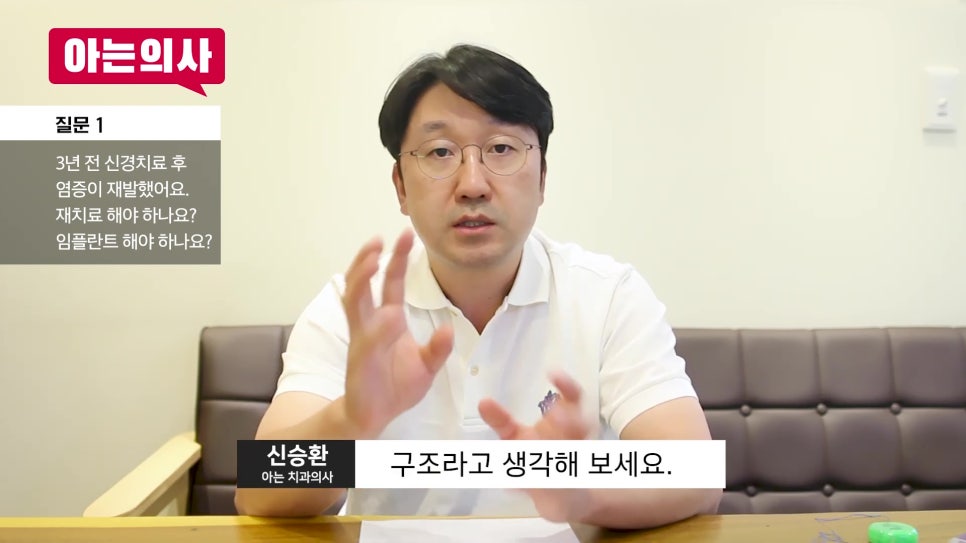
Cleaning the inside of a straw is easy, but if it were structured like a tree root, spreading out in many directions rather than like a straw, it would be very difficult to clean the inside perfectly.
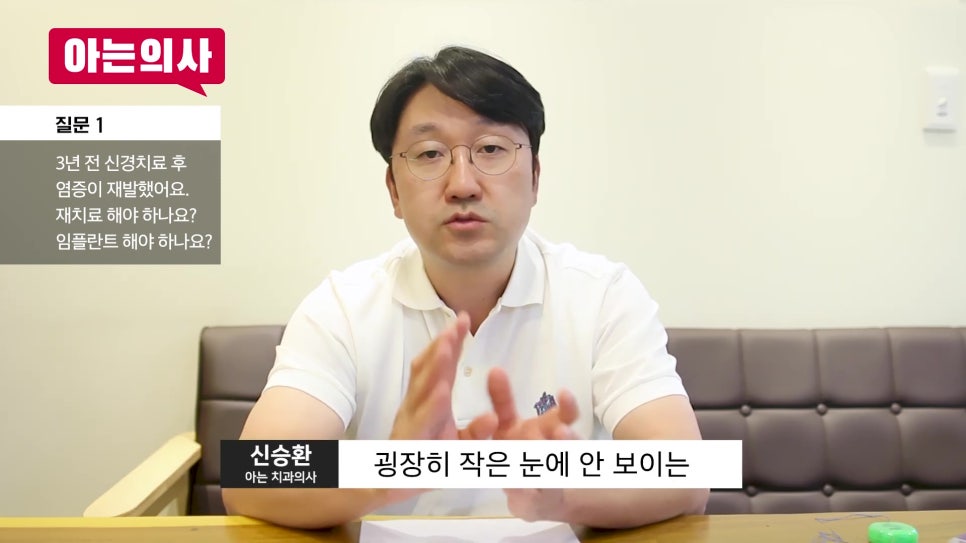
Therefore, if a problem develops even after root canal treatment, it is often because a very small canal remains or because the problem continues due to the complex network of canals.
Just because root canal treatment has failed once does not mean the tooth must be extracted immediately.
If the inflammation is not very extensive, and if the patient is young, root canal retreatment can be attempted before considering an implant.
Root canal retreatment involves removing all of the previous root canal filling, thoroughly disinfecting the canals, and treating them again.
The dentist may also look again for canals that were not found during the initial treatment.
Of course, this method does not have a particularly high success rate either.
This is because if the problematic canal was already an issue from the beginning, there is a high possibility that retreatment will not resolve the problem either.
However, once a tooth is extracted, it cannot be restored.
That is why it may be worth attempting treatment one more time.
If the problem is not resolved even with root canal retreatment, there are other options as well.
For example, if inflammation has developed at the tip of the root, a procedure called an “apicoectomy” can be performed to remove only that area.
This procedure involves cutting off and removing the inflamed tip of the root.
However, surgery is often difficult with molars because of their location.
It may be challenging if the bone is too thick or if an adequate surgical view cannot be obtained.
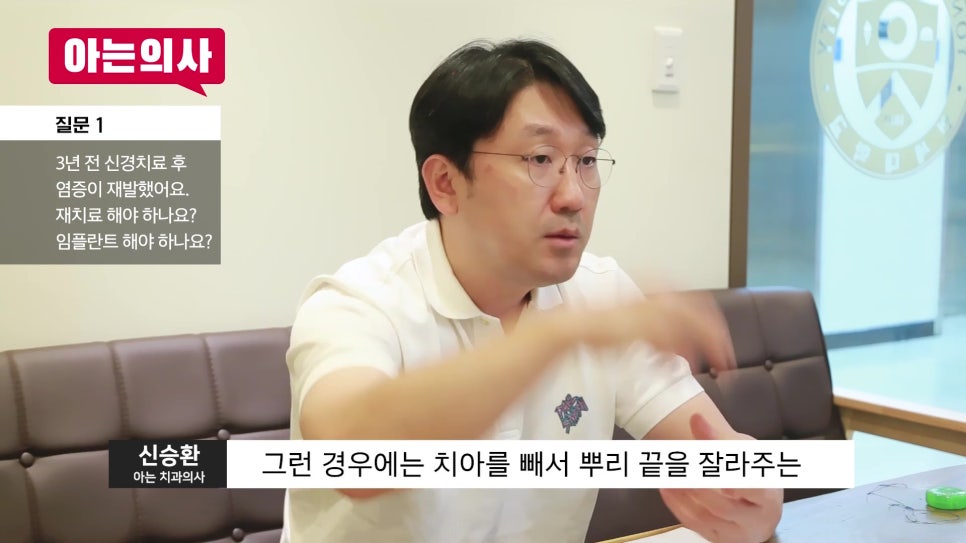
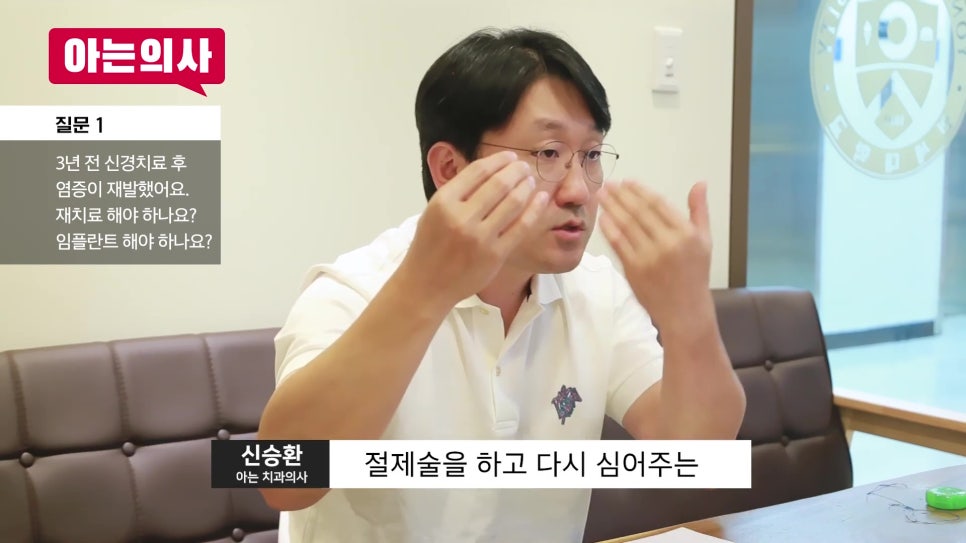
In such cases, another option is to extract the tooth, cut off the tip of the root, and replant the tooth.
This is not a commonly performed surgical procedure, but it is still possible to make every effort to save the tooth.
If this does not work either, extraction followed by implant placement may be the appropriate choice.
However, it is important to determine clearly whether the inflammation is caused by the root canal treatment or whether there is another cause.
For example, the tooth root may be cracked, or there may be a problem with the tooth itself.
In other words, it is best to choose a treatment method only after determining whether the inflammation simply developed after root canal treatment or whether another problem is involved.
Trying to save the tooth is a worthwhile effort.
If it still does not work despite doing everything possible, another option can be chosen at that point.