Hello. This is Yonsei U-Line Dental Clinic, located near Gangnam Station in Yeoksam-dong, Gangnam-gu.
Some people say that the restoration feels slightly smaller than their original tooth after implant treatment.
In fact, this is not just an illusion—the restoration is actually made slightly smaller.
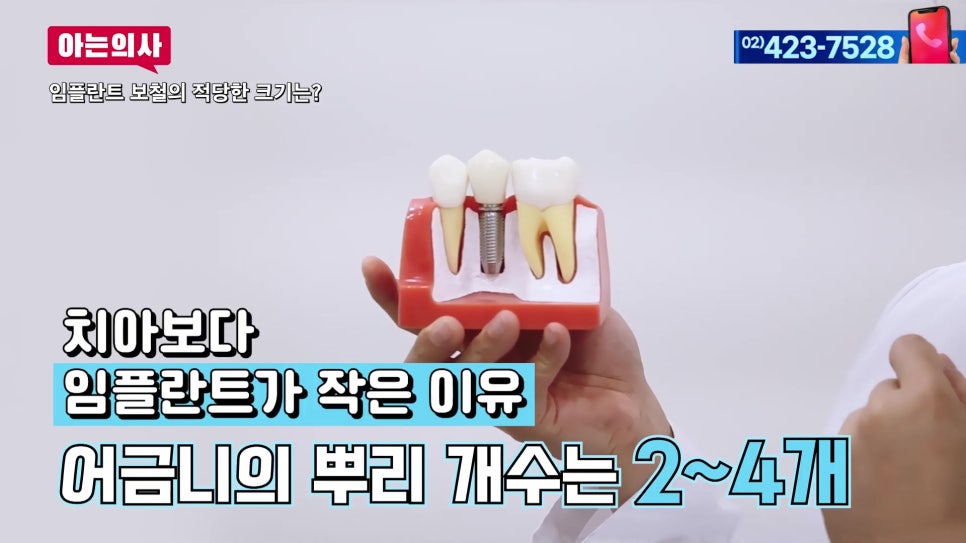
Let me explain why in simple terms.
Natural teeth, particularly molars, have two to four roots that spread out widely, but implants cannot be structured this way.
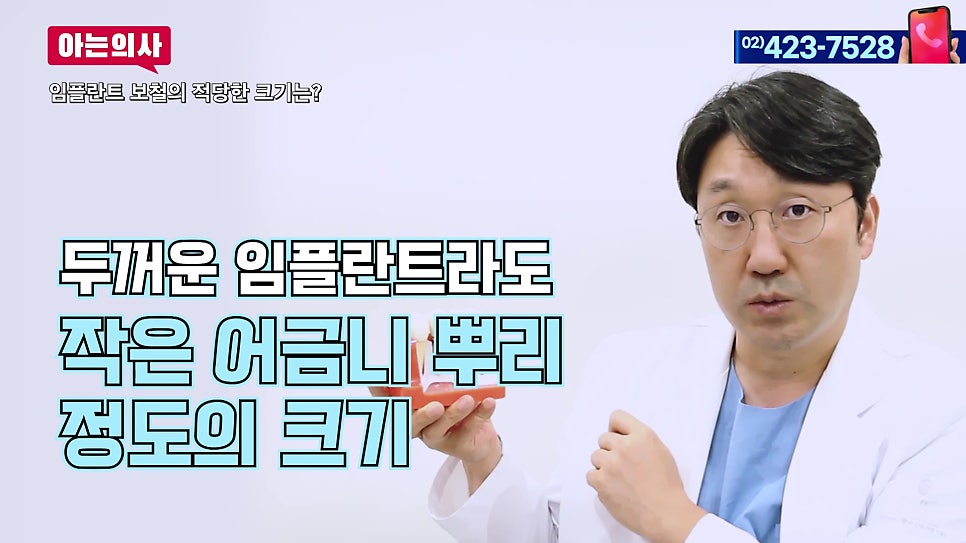
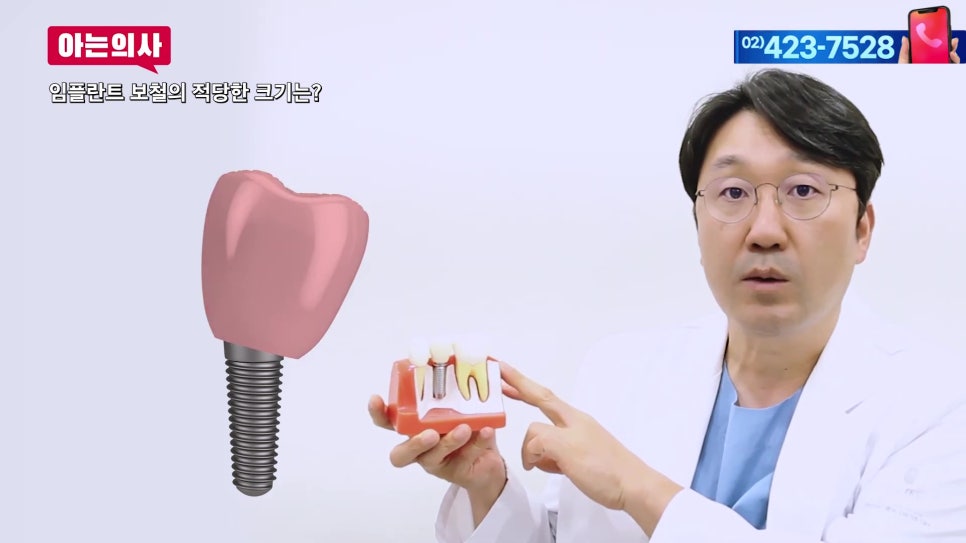
Instead, an implant involves placing a single post and attaching a restoration on top of it, so it can be difficult to make it exactly the same size as a natural tooth.
Also, if the restoration is too large, chewing forces may become concentrated in one area and cause problems. For this reason, it is common to make the restoration approximately 80–90% of the size of a natural tooth.

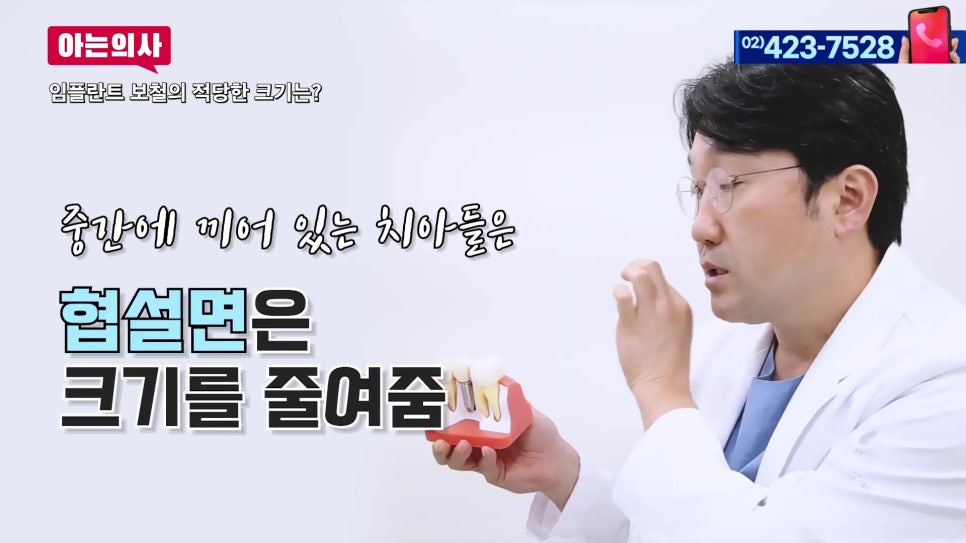
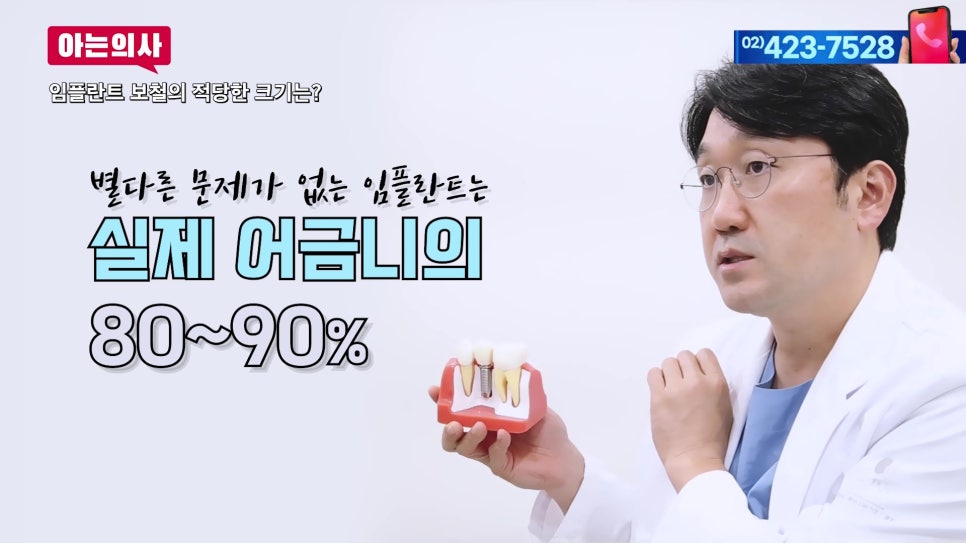


In particular, when implants were first developed, they were not as strong as they are today, so restorations were often made even smaller.
If they were made too large, excessive stress could be placed on the implant, and in severe cases, it could even become loose and fall out.



When I was studying at school, I learned that it was generally standard to make implant restorations approximately 60–70% the size of natural teeth.
However, technology has advanced significantly, improving adhesion strength, and restorations can now be made at approximately 80–90% of the natural tooth size.


When several implants are placed, it may be possible to make them nearly the same size as the original teeth. However, because implants generally have smaller root sections than natural teeth, it is common for the restorations to be made slightly smaller as well.


Therefore, if your implant looks slightly smaller than your original tooth, you can think of it as having been adjusted to an optimal size in terms of both function and stability.