Hello. This is Yonsei U-Line Dental Clinic, Gangnam Station Branch, located in Yeoksam-dong, Gangnam-gu, near Gangnam Station.
Today, I’d like to talk about “secondary cavities.”
You may have had a cavity treated once, only to find that the area around the treated tooth decays again over time.
This is what we call a “secondary cavity.”
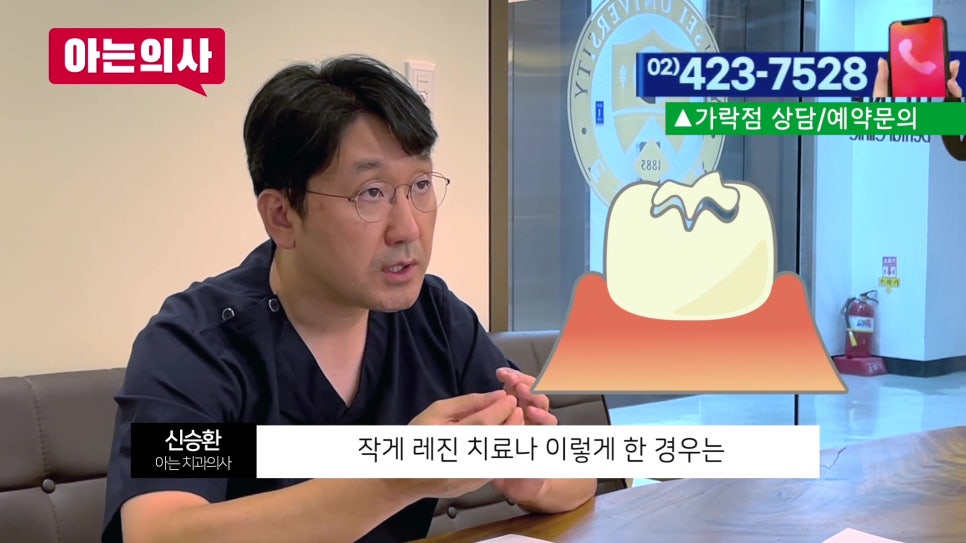
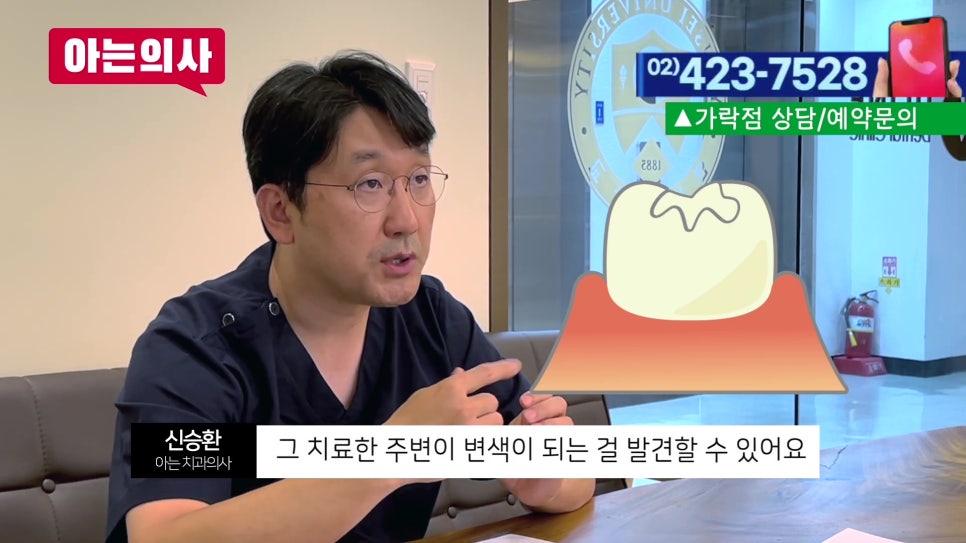
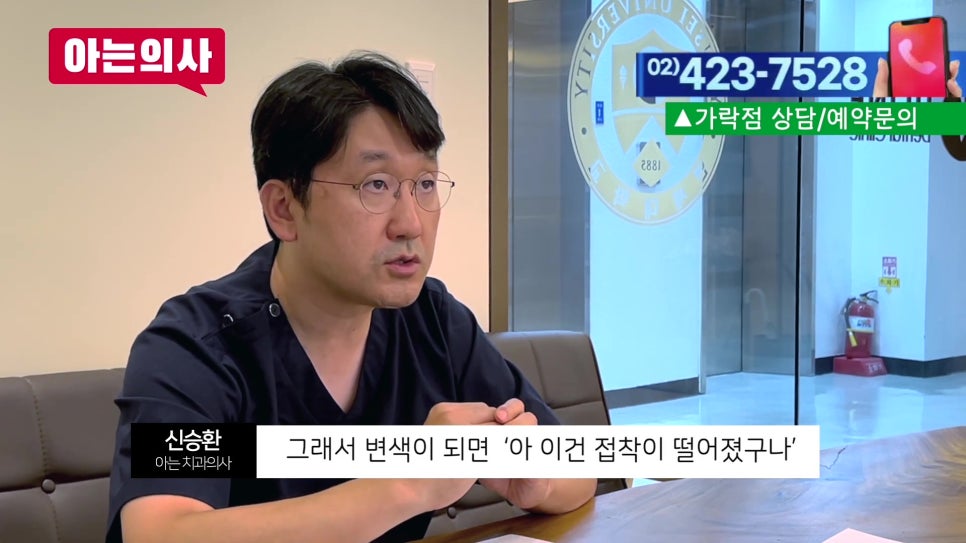
For example, if a small cavity was treated with composite resin, you may notice the area around it becoming discolored or darker over time.
In this situation, you might think, “The bonding has come loose, or it will come loose soon,” and if it is left untreated for longer, another cavity may develop underneath.
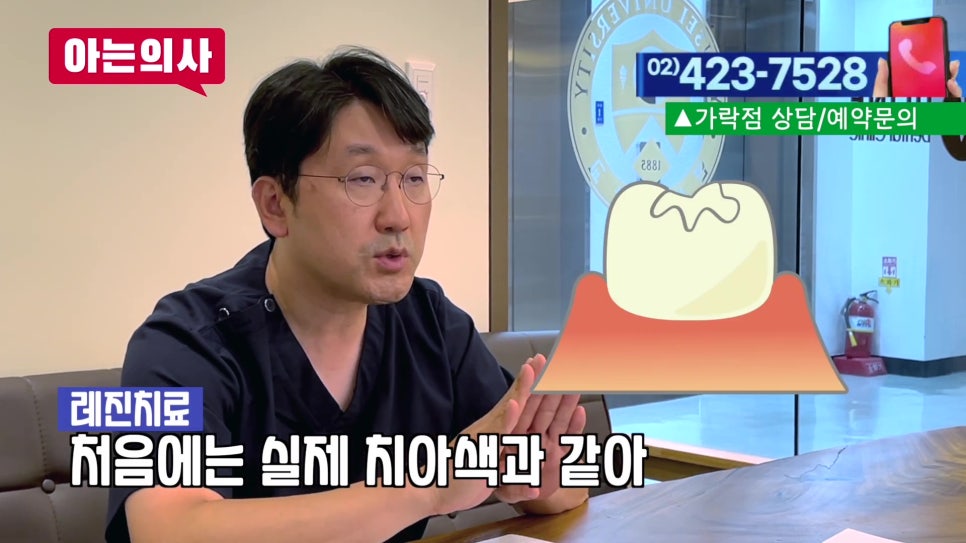
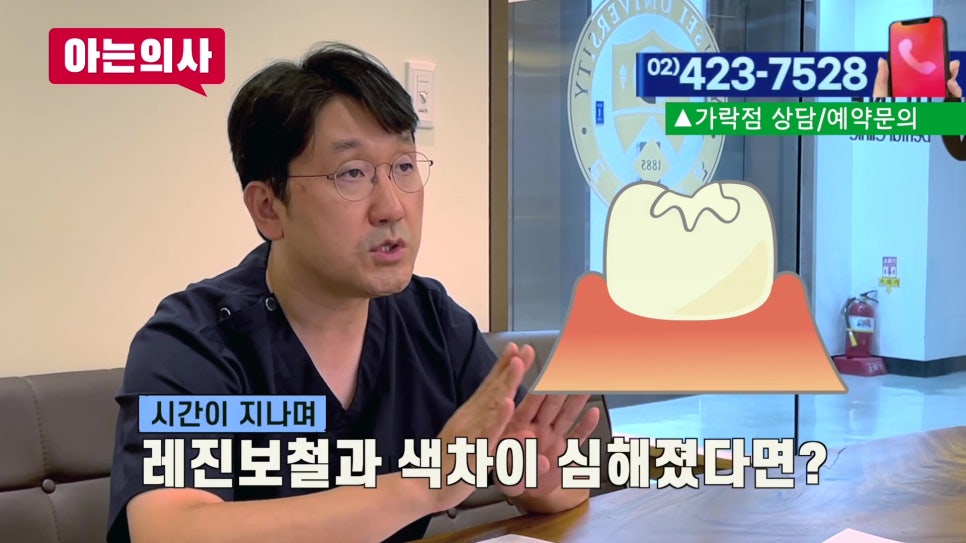
At first, the tooth was neatly filled with tooth-colored resin so that the treatment was barely noticeable. However, after a few years, the boundary often becomes more distinct and much easier to see.
This may be a sign that a secondary cavity is developing.
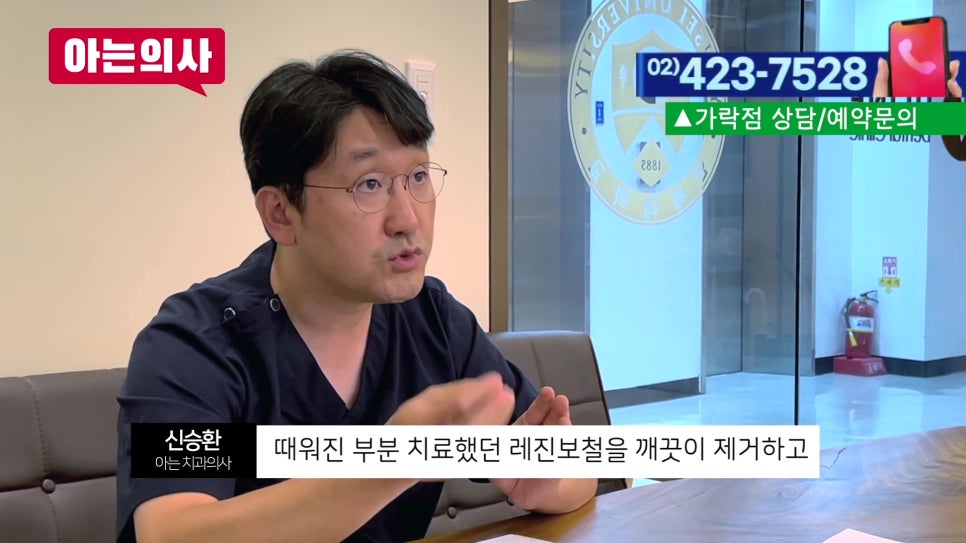
In this case, the existing resin can be removed and the tooth can be cleanly restored again.
However, if the cavity has become somewhat larger, treatment with resin alone may be difficult.
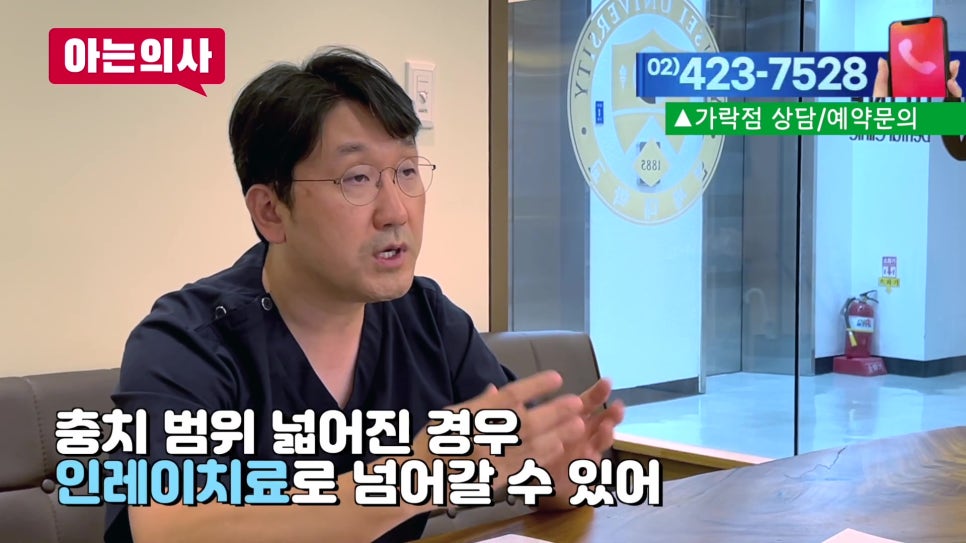
Treatment may then proceed to an inlay, which uses a somewhat larger and stronger material for the restoration.
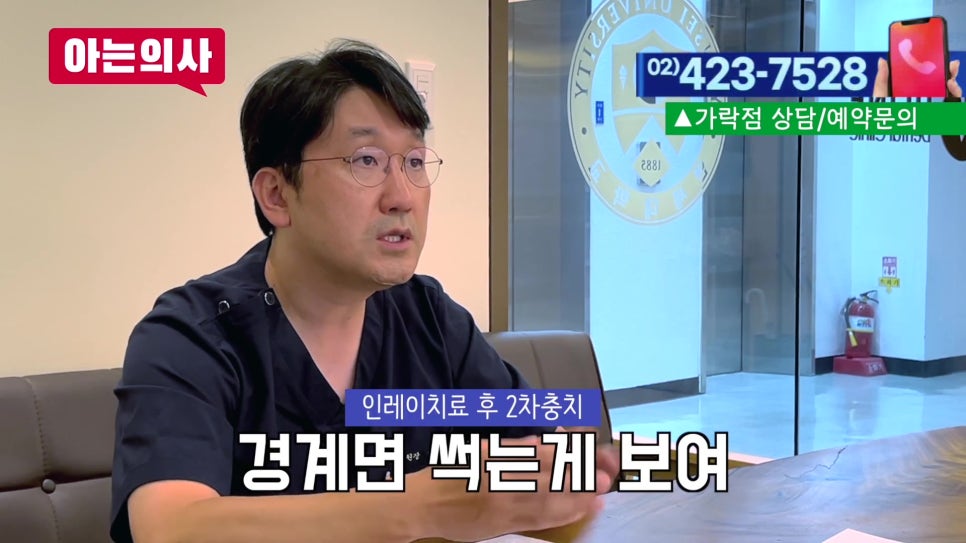
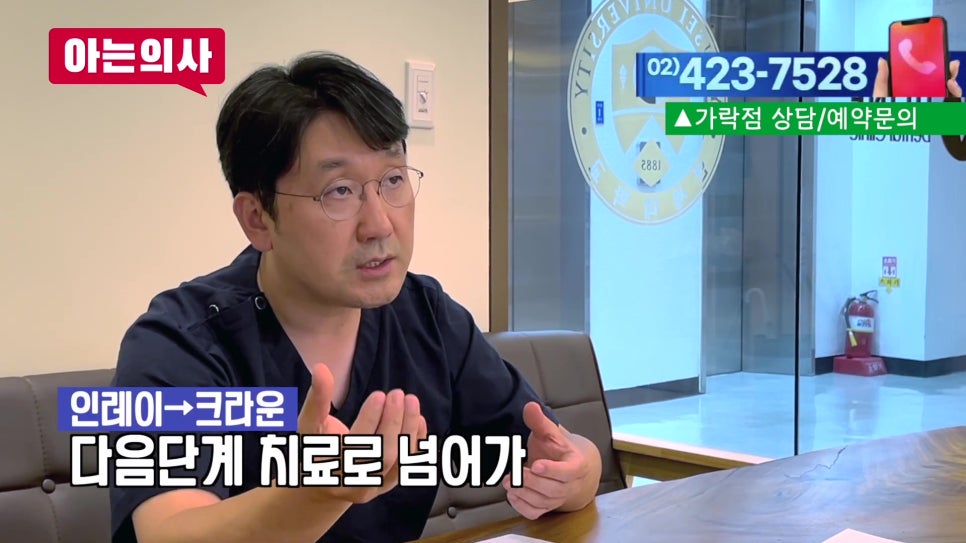
Alternatively, if someone who has already had an inlay or similar treatment develops another cavity along the margin, treatment may need to progress beyond an inlay to a crown—in other words, a treatment that covers the entire tooth.
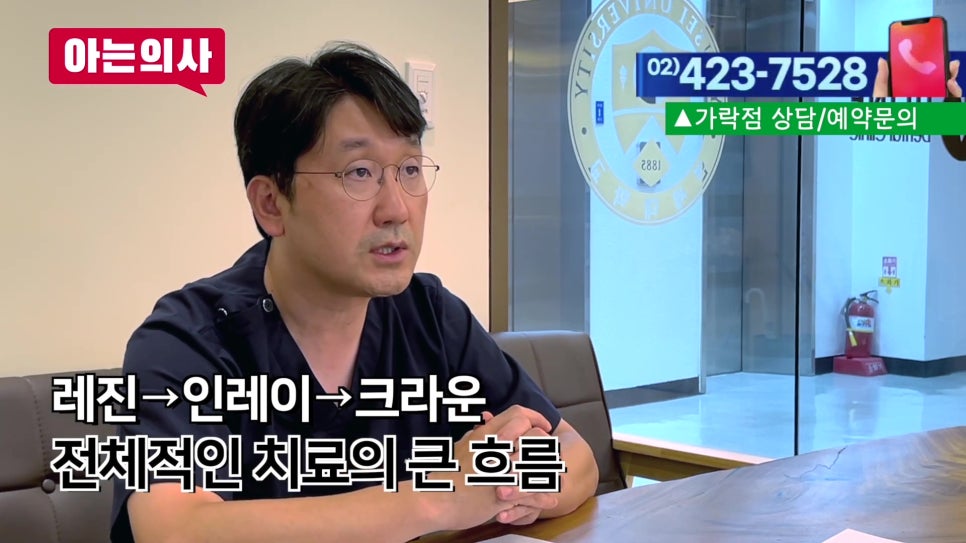
In this way, you can think of the treatment progression as becoming more extensive in stages:
Resin → Inlay → Crown
Many people ask:
“I’m not in pain right now. Do I really need treatment?”
This is something you should carefully consider.
If treatment begins only after pain develops, the cavity has often already progressed deeply, and in such cases, root canal treatment is frequently required.
Root canal treatment is, literally, a procedure that removes the nerve inside the tooth. Although it may seem beneficial because the pain temporarily disappears, a tooth without its nerve is structurally weakened and may later break or fracture more easily.

Teeth that have undergone root canal treatment can also experience recurring inflammation over time. Therefore, whenever possible, it is important to manage them in advance so that root canal treatment can be avoided.
For this reason, I would say that getting regular checkups before pain develops and receiving prompt treatment when a secondary cavity is suspected is a much better choice.
You can usually inspect visible resin or inlays to some extent, right?
However, when treatment such as a crown covers the entire tooth, it is difficult to check at home.
In my experience, if it has been about 10 years since you received crown treatment, I recommend having a detailed examination at least once.
It may feel wasteful, but crowns can wear down or develop cracks, and even when the inside beneath the restoration cannot be seen, the cement may have dissolved, creating a high possibility of a secondary cavity.
To summarize, if it has been about 10 years since you received crown treatment, it is very important to replace the crown with a new one to help prevent secondary cavities.