Hello. This is Yonsei Uline Dental Clinic, Sillim Branch, located in Sillim-dong, Gwanak-gu, near Sillim Station.
How many teeth do we actually need to chew our food properly?
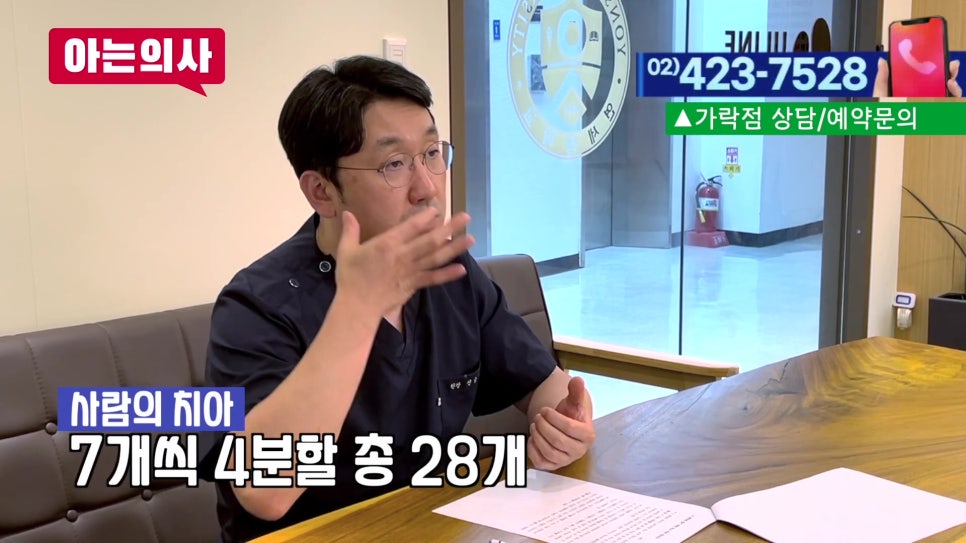
Teeth generally function as 14 teeth each in the upper and lower jaws,
for a total of 28 teeth.
They are commonly described as having a “four-section structure,” with seven teeth each in the upper left, upper right, lower left, and lower right sections.
The most ideal chewing function is possible when all 28 teeth remain evenly distributed.
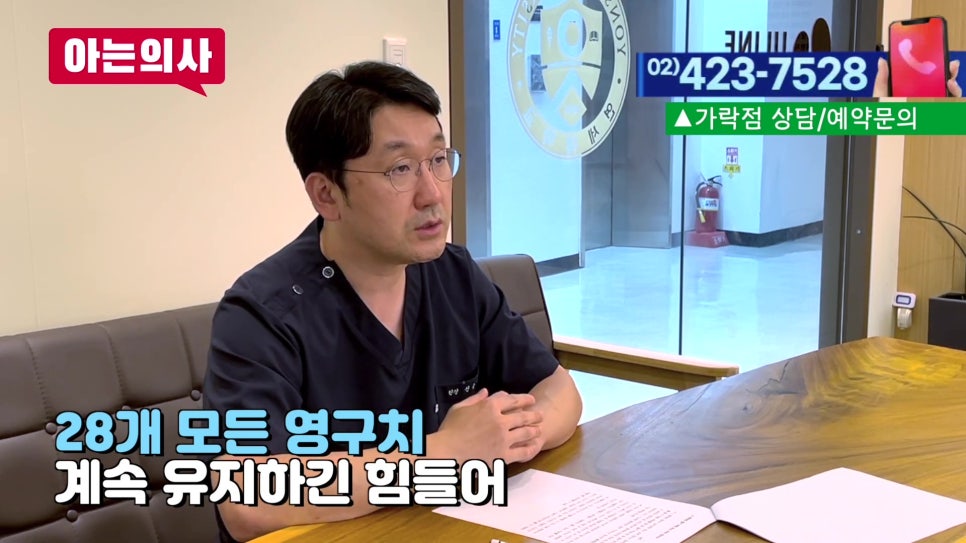
However, realistically, it is difficult to maintain all 28 teeth throughout life,
which is why the concept known as “2080” emerged.
It means maintaining 20 teeth until the age of 80.

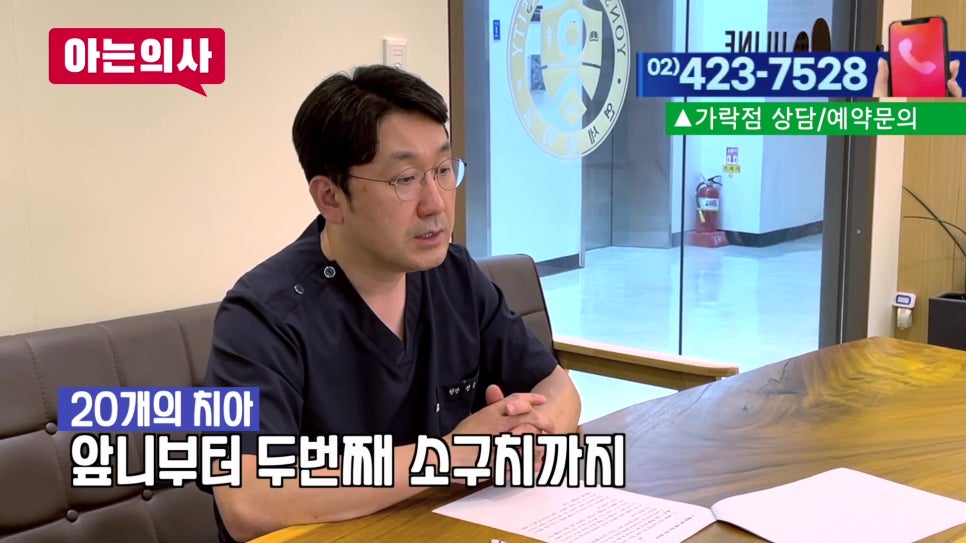
In fact, this figure of 20 often includes only the teeth from the front teeth through the second premolars,
so chewing function may be insufficient in practice.
This is because the molars play an important role in breaking food into smaller pieces and grinding it.
With molars, the chewing surface is wider and the chewing force is stronger.
For this reason, many people now believe that at least the first molars should be maintained even in old age.
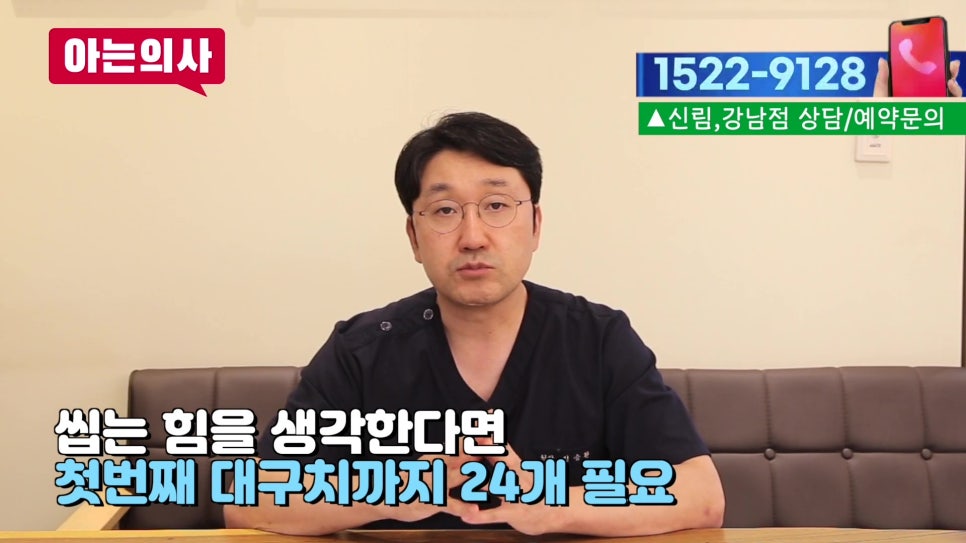
Based on this standard, it is considered necessary to have at least around 24 teeth
to eat relatively comfortably.
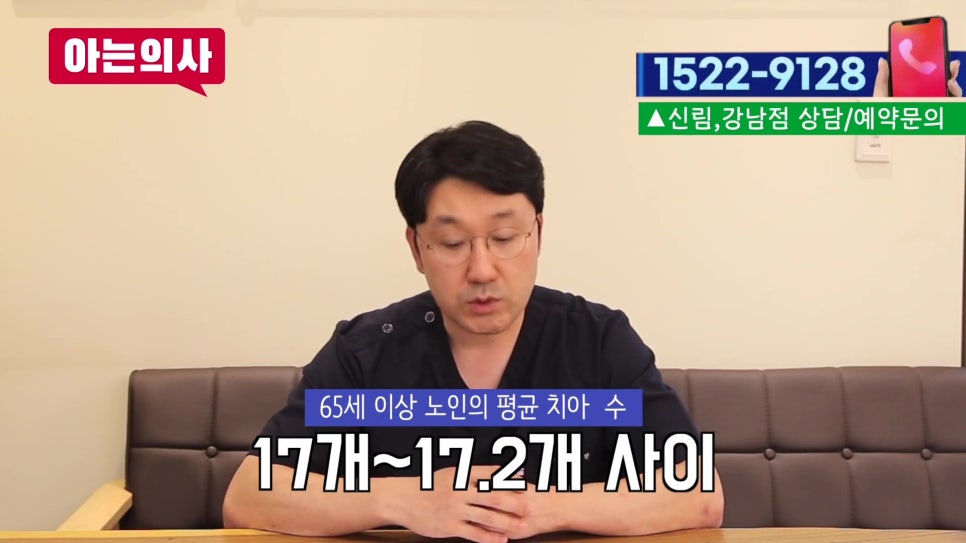
Then what is the average number of teeth among older adults in reality?
According to research, the average
number of remaining teeth among people aged 65 and older is reported to be around 17.
This is fewer than 20 teeth.
Therefore, many people compensate for missing teeth
through prosthetic treatments such as dentures or bridges.
However, dentures cannot perfectly replace the function
of natural teeth.
In fact, when even one natural tooth is lost, the surrounding teeth
can also be affected in succession.
The adjacent teeth tilt toward the empty space,
while the opposing teeth that once met them move downward.
As a result, the bite can become disrupted,
which may reduce overall chewing function.
In addition, when one tooth is lost, people tend not to use that side,
which increases the burden on the opposite side.
Eventually, the function of both sides may weaken,
potentially making it difficult to eat normally altogether.
The important thing is to respond early.
When a single tooth was lost, dentures or bridges
were commonly used in the past, but these methods
had the disadvantage of potentially damaging the surrounding teeth.
These days, the most common approach is to restore only the missing tooth
using implant treatment.
Because implants can restore a substantial portion of the original function
without affecting the surrounding teeth,
they can also help extend the lifespan of the remaining teeth.
In summary, the ideal number of teeth for chewing properly is 28,
24 is considered the minimum for eating meals,
and when the number falls below 20,
functional difficulties may be considerable.
Therefore, when even one tooth develops a problem, do not put it off.
It is important to receive an accurate diagnosis and appropriate treatment at an early stage.
Because a lost tooth does not naturally grow back,
the choices you make now can become an important factor in determining your quality of life in the future.