Hello, I am Shin Seung-hwan, the director of the Garak Branch of Yonsei U-Line Dental Clinic, located in Garak-dong, Songpa-gu, near Garak Market Station.
Today, I would like to talk in a little more depth about whether we are brushing our teeth properly in our daily routines and whether we are really cleaning them effectively.


When a dentist says, “Please open wide,” patients show a wide range of reactions.
Some people open their mouths only slightly because they feel embarrassed, while others open them very wide with great enthusiasm.

In fact, most people think that opening wide also helps them brush more thoroughly.
However, today I would like to explain that opening your mouth “too wide” can actually get in the way.
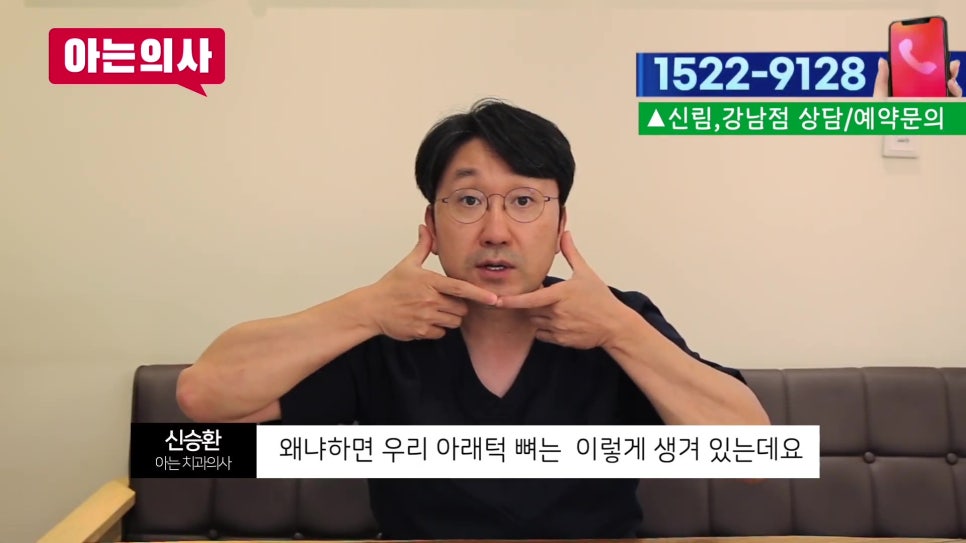
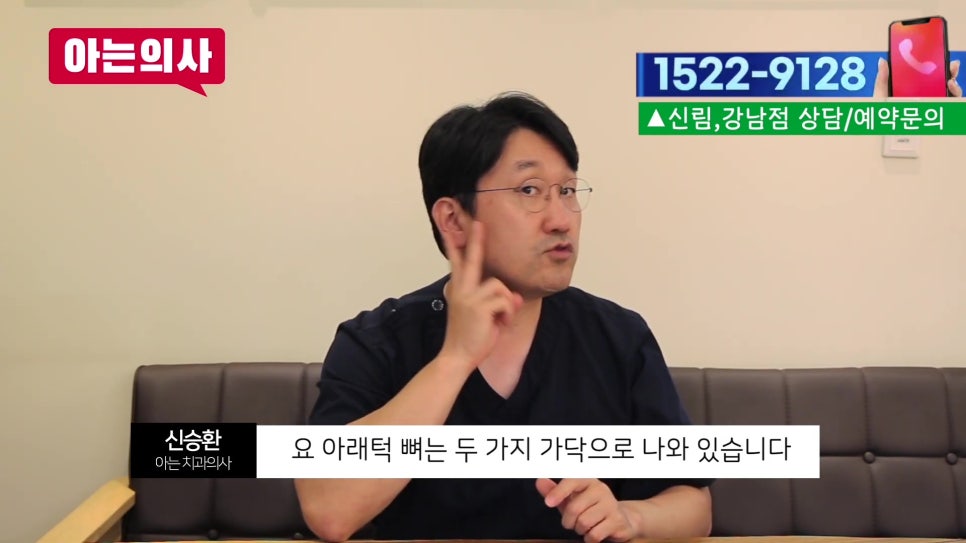
If we look at the structure of the lower jaw, there is the part that forms the jaw joint, and in front of it is another projection where a muscle attaches.
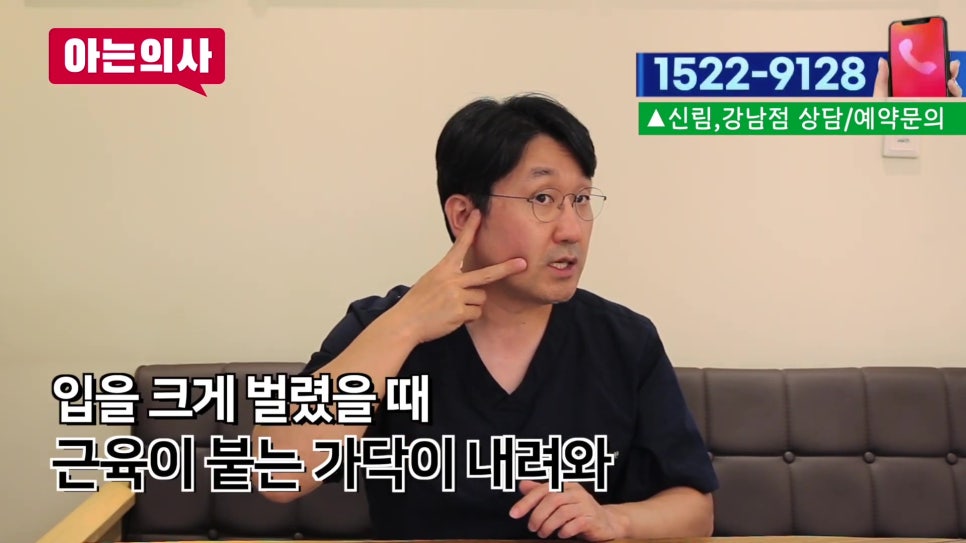
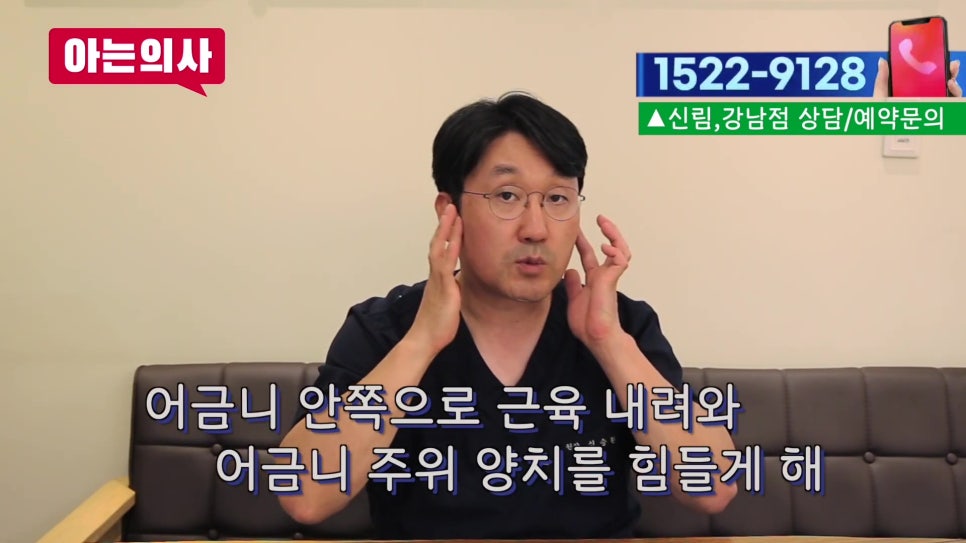
When you open your mouth wide, the area where this muscle attaches moves downward and inward. This can block the toothbrush from reaching the outer surfaces of the upper molars, especially the areas at the back on both sides.
This area is called the “coronoid process,” and it narrows the space available for the toothbrush to enter.

Therefore, opening your mouth wide while brushing the lower molars is generally not a problem. However, when brushing the outer surfaces of the upper molars, especially the cheek-side or rear areas, opening your mouth too wide can actually prevent the toothbrush from reaching them.

In this situation, you need to keep your mouth only half open and move your lower jaw slightly from side to side.
For example, if you want to brush the right side, do not open your mouth wide. Instead, keep it slightly open and move your lower jaw toward the right.

This creates enough space for a finger to fit beside the outer surface of the upper molars.
The toothbrush needs to be able to reach through this gap in order to clean the area properly.

The same applies to the left side. Do not open your mouth excessively. Instead, turn your jaw slightly to the left and touch the outer surface of the upper molars with your finger. If you can reach it, that means the toothbrush can reach it as well.
When people try this, many realize, “Oh, I have not been brushing that area properly all this time.”


There is one more point worth mentioning.
When you are young, cavities often develop on the chewing surfaces, so it is important to brush those areas well. However, from your 30s and 40s onward, the pattern tends to change somewhat.


Rather than cavities, problems more often develop between the teeth or in areas that the toothbrush cannot reach easily.

That is why it is important to use dental floss properly and to know how to effectively clean areas that are difficult to reach with brushing alone.

In particular, the outer and rear surfaces of the upper molars are difficult to see and not easy for a toothbrush to reach, so they are easy to miss.
Please remember that the habit of opening your mouth too wide can actually block this space even more.
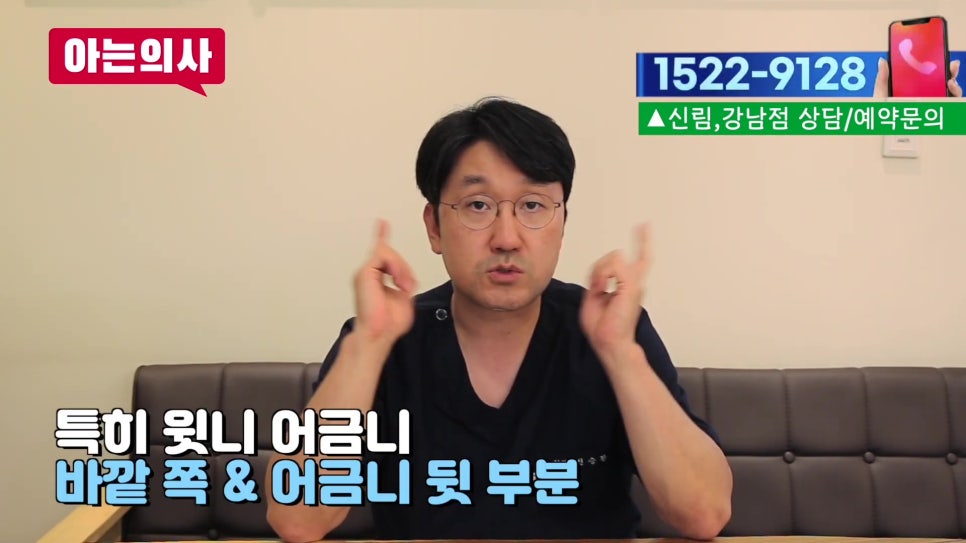


To summarize, it is important to brush every area diligently. However, when cleaning the outer and rear surfaces of the upper molars, it is much more effective to keep your mouth only half open and move your lower jaw slightly from side to side as you reach those areas.
Even developing this habit can help you clean the areas you usually miss much more thoroughly.
Please try what we discussed today for yourself and see how it feels. You may notice a bigger difference than you expect.