Hello. I am Kang Dong-ho, the director of 연세유라인치과의원 신림점, located in Sillim-dong, Gwanak-gu, near Sillim Station.
Have you ever woken up with a stiff jaw and a heavy, foggy feeling in your head?
It could be a symptom of teeth grinding.
The problem is that you often do not know whether you grind your teeth while sleeping.
So, until someone around you points it out,
it is easy to dismiss it by thinking, “I must just be tired.”
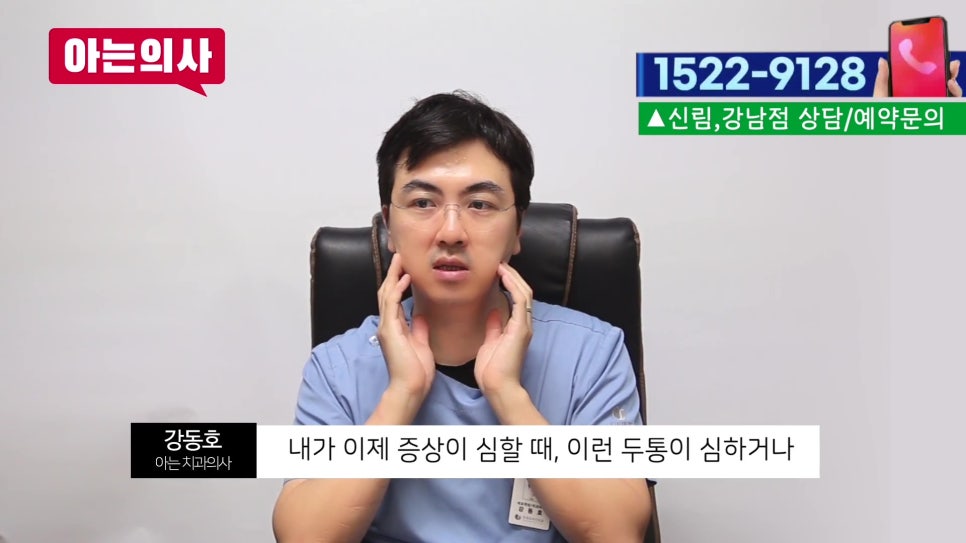
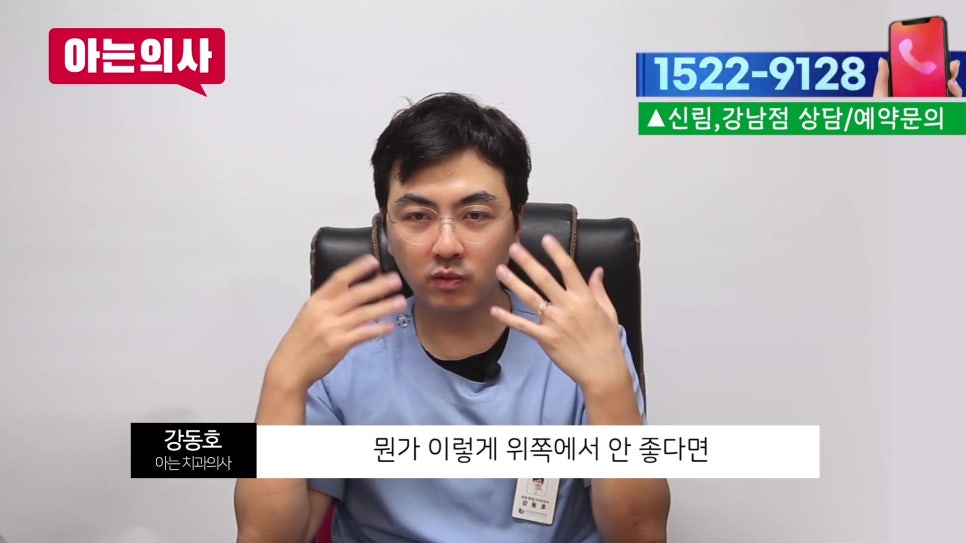
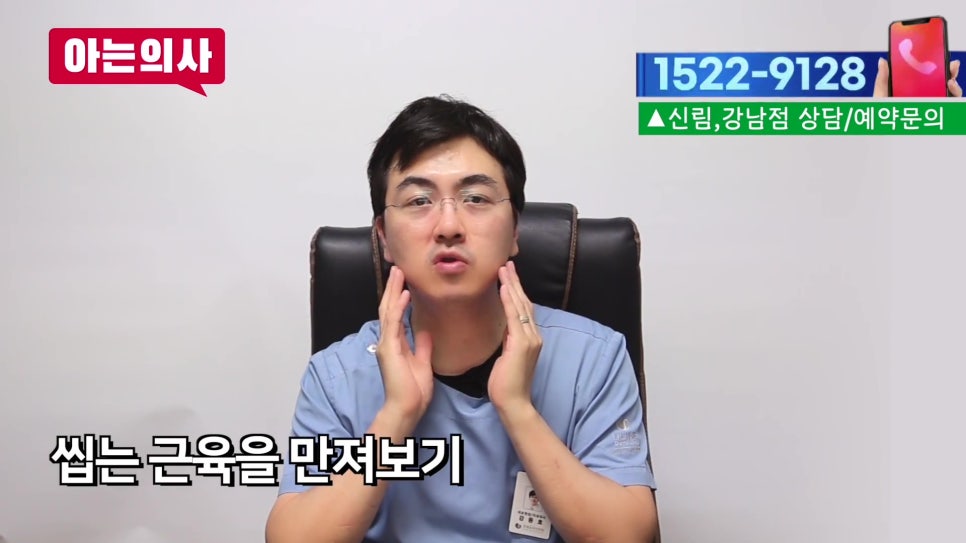
However, in cases like this, it is worth checking yourself at least once.
There is a way to check whether your jaw muscles are excessively tense.
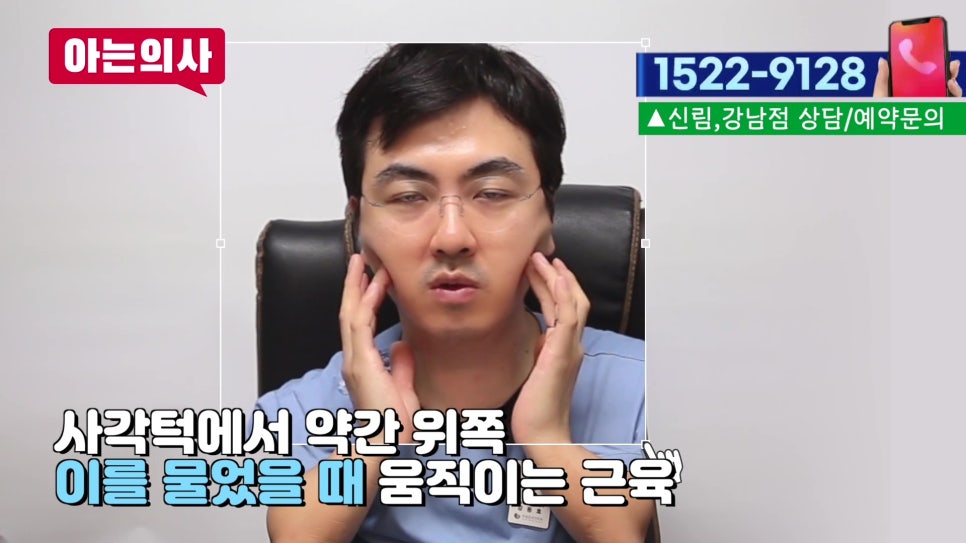
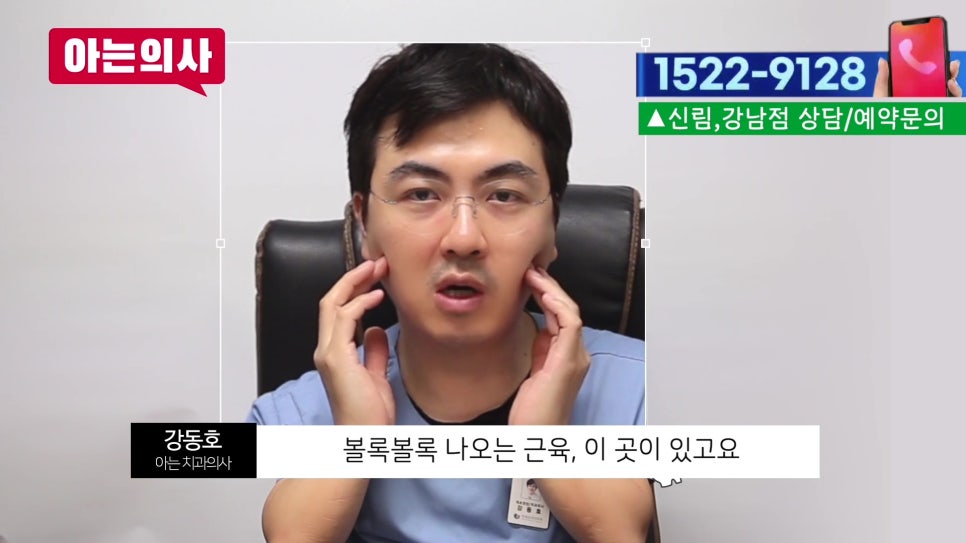
First, place your hand on the side of your cheek, just above the angle of your jaw.
When you clench your teeth, you should be able to feel the muscle bulging outward.
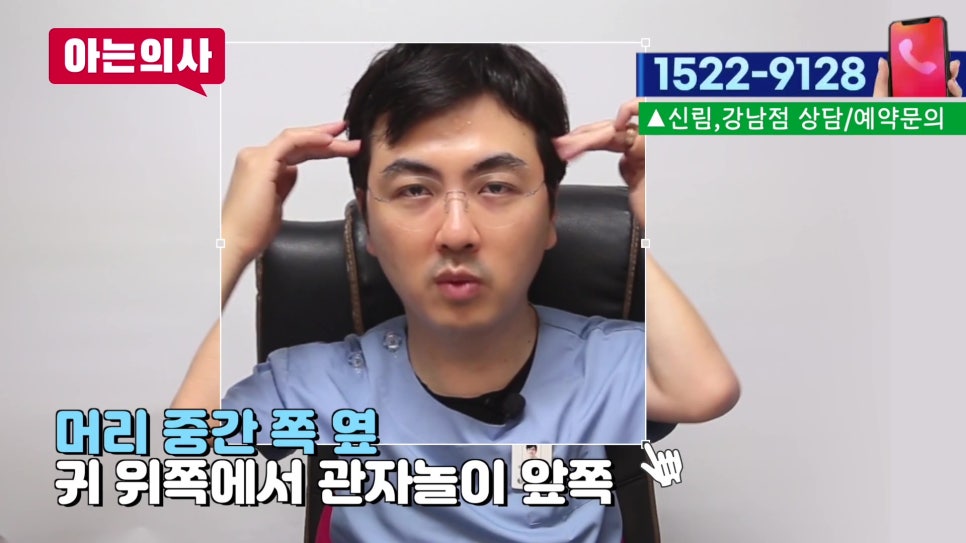
You can also press around the area above your ears and your temples.
There may be areas that feel relieving when pressed or that are painful to the touch.
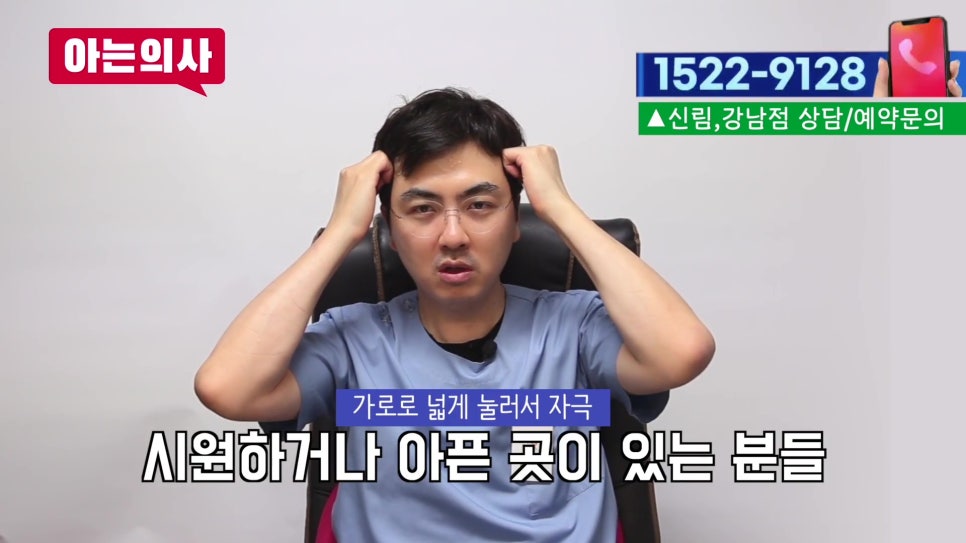
If these areas are painful or one side is particularly sensitive,
that may be a sign that your jaw muscles are excessively tense.
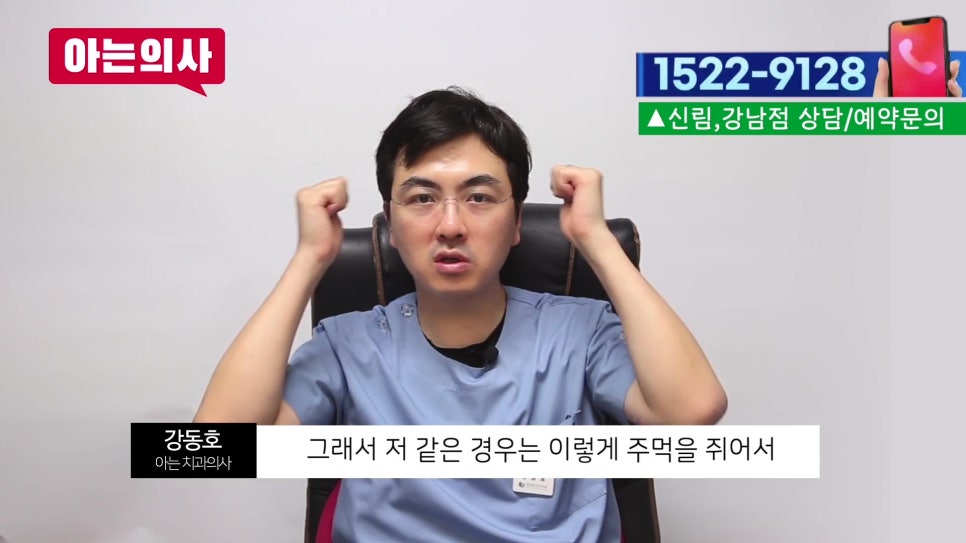
I usually recommend lightly making a fist and then pressing broadly along the side of the jaw to check.
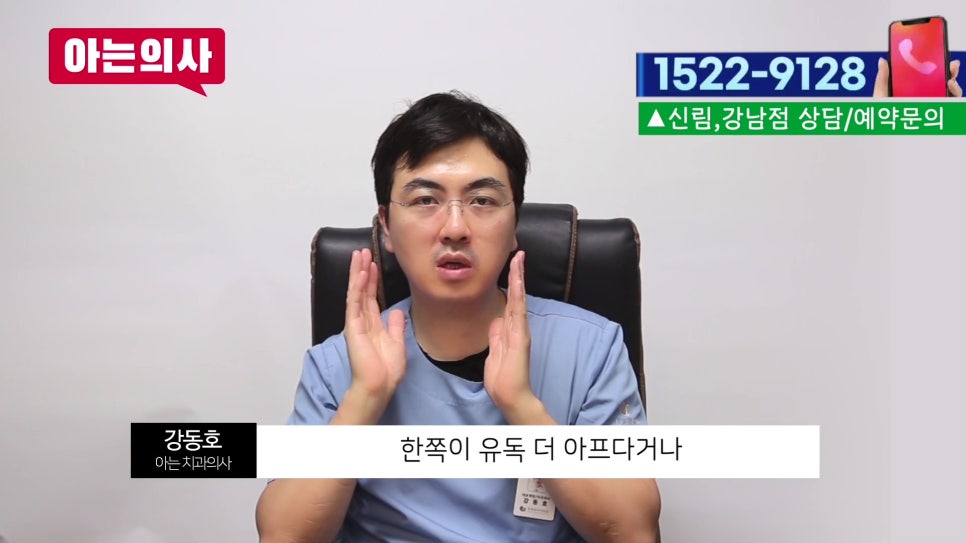
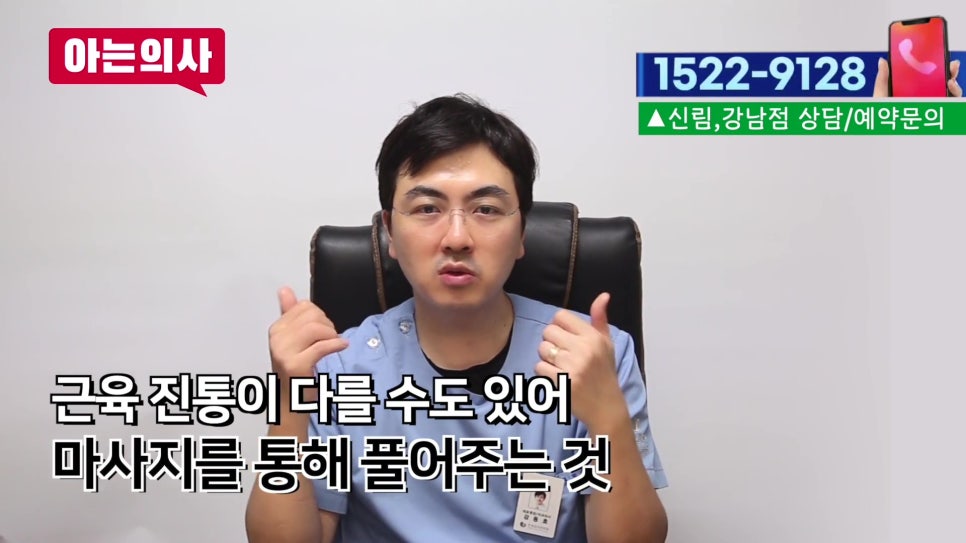
If you feel relief or a tingling sensation,
your muscles are likely already fairly tense.
In that case, gently massage and relax the muscle,
then test for yourself whether your headache, dizziness, or jaw stiffness improves.
Many people find that their symptoms improve considerably with this simple method alone.
If teeth grinding is suspected or you have actually been diagnosed with it,
one of the most commonly recommended options is a nighttime splint.
As the name suggests, it is a device that helps prevent your teeth from grinding against each other while you sleep.
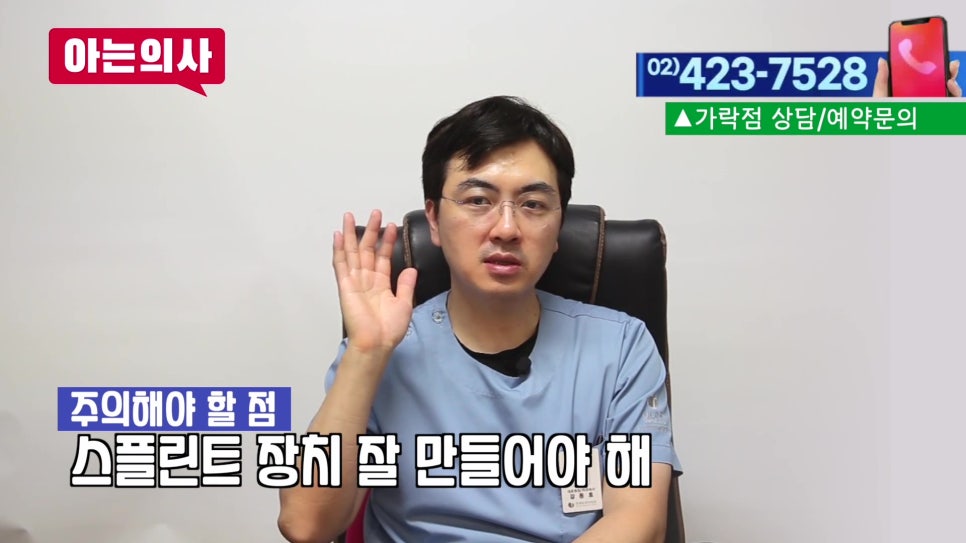
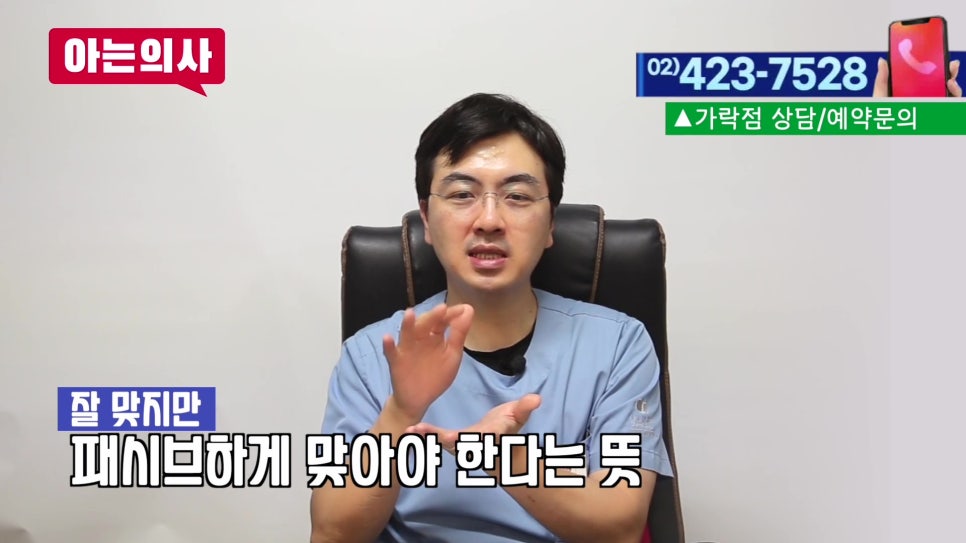
However, simply making the device in any manner does not mean it will be effective.
It must be made precisely, comfortably, and “passively.”
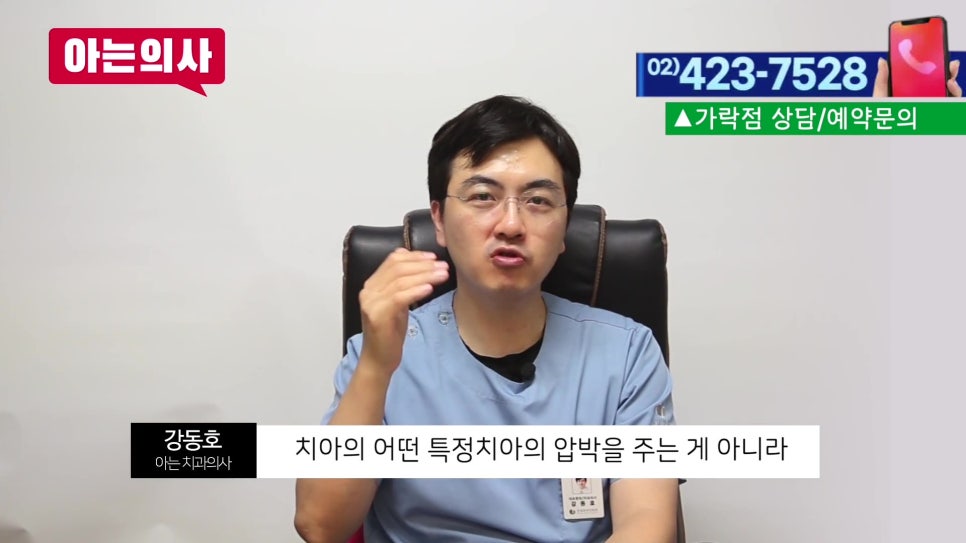
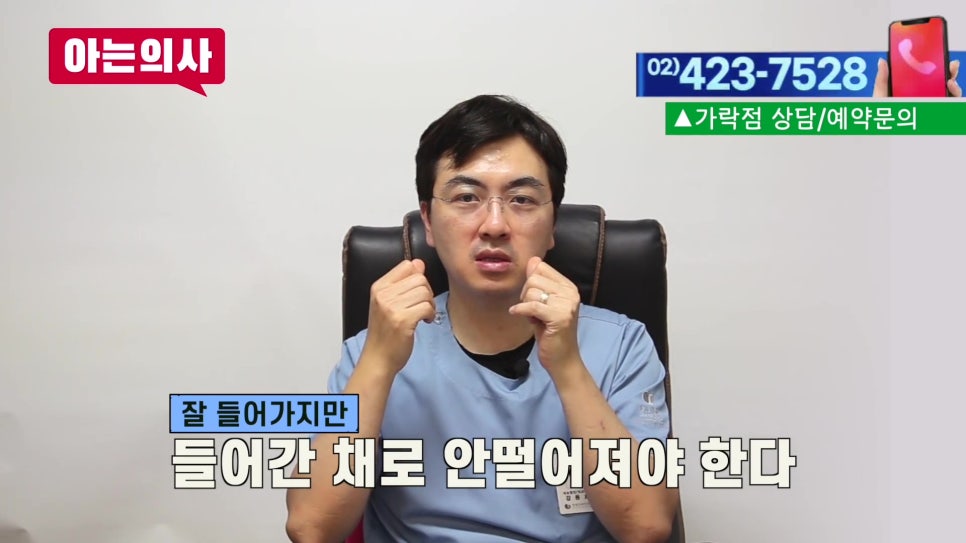
What does “passive” mean?
Rather than feeling tight or putting pressure on particular teeth when inserted,
it should feel as though it naturally slides into place on your teeth.
It should fit securely while being worn without causing any discomfort.
And there is one more important point!
When you close your mouth, you should not feel as though only one tooth is making contact.
If you feel contact only on the front teeth or pressure on just one side of the molars,
that means the device has not yet been fully adjusted.
You should have it readjusted at the dental clinic.
In the past, devices had to be individually shaped by hand,
which made the fabrication process difficult.
These days, they can be made quite precisely using 3D printers or CAD systems.
Even so, devices are still sometimes made too tightly,
so it is a good idea to check how they feel when worn before you begin using one.
To sum up, if your jaw feels numb or sore every morning or you frequently have headaches,
but cannot find an obvious reason,
it could be a sign of teeth grinding.
Checking the condition of your muscles and considering treatment with a device may help you feel much more comfortable in daily life.
Rather than automatically pursuing treatment, listening to your body’s signals first is what matters most.