Hello. I am Shin Seung-hwan, the director of Yonsei U-Line Dental Clinic, Garak Branch, located near Garak Market Station in Garak-dong, Songpa-gu.
Today, I would like to talk about teeth grinding.
Teeth grinding that occurs unconsciously at night is not merely a habit; it is an issue that can significantly affect dental health.
It can cause teeth to wear down or crack, place strain on the jaw joint, and even reduce sleep quality.
Today, I will discuss the causes and problems associated with teeth grinding, as well as splint appliances, which are used as a treatment method.
Teeth grinding occurs mainly at night rather than during the day.
It tends to become more severe, especially on days when you are tired or under significant stress.



Because the teeth do not always come together perfectly while eating during the day, the brain responds by attempting to correct this.
As a result, while asleep, a person may unconsciously grind their teeth in an attempt to adjust their bite.

The problem is that this process can cause significant damage to the teeth.
Teeth naturally wear down gradually over time, but teeth grinding can greatly accelerate this process.


In severe cases, teeth can split or crack. Rather than affecting only specific teeth, the upper and lower teeth may also become damaged together.
In addition, because the jaw muscles remain tense and active throughout the night, they cannot rest, which can significantly reduce sleep quality.

There is currently no treatment that can completely eliminate teeth grinding.
However, there is a way to prevent tooth damage and help the jaw feel more comfortable: a teeth-grinding appliance, also known as a splint.

Splints are usually made of transparent plastic and are often worn on the upper teeth.
When the appliance is worn, it is adjusted so that the lower teeth make even contact. This allows the jaw to move freely without being held in a particular position.

As a result, the jaw muscles can rest more comfortably, and unnecessary force is not applied to the teeth.
Because the plastic appliance, which is softer than teeth, wears down in their place, it also helps protect the teeth.


However, appliances also become worn over time.
If deep grooves develop, the jaw may become fixed in the same position again and feel uncomfortable. Therefore, regular visits to the dentist are necessary for adjustments.
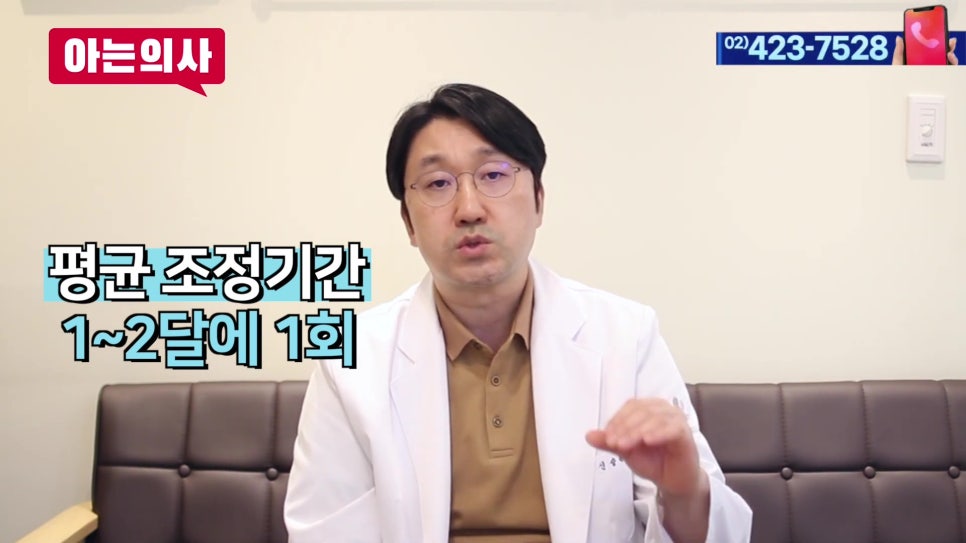
It is generally advisable to have the appliance checked every one or two months.


Some people ask, “Wouldn’t a soft appliance protect the teeth better?”
Although a soft appliance serves as a cushion, it can cause the jaw muscles to move more, potentially making teeth grinding worse. It is also less durable.


Therefore, a hard plastic splint is generally recommended.
In conclusion, teeth grinding is not simply a problem of noise. It can cause various issues, including tooth fractures, jaw joint pain, and reduced sleep quality.
Therefore, rather than leaving it untreated, it is most important to receive an accurate diagnosis at a dental clinic and manage the condition by wearing a protective appliance.