Hello. We are Yeonsei Uline Dental Clinic, Sillim Branch, located near Exit 7 of Sillim Station in Sillim-dong, Gwanak-gu.
Today, to help first-time parents, we prepared a post about when to start brushing a baby’s teeth.
The purpose of brushing is to prevent food debris left after meals
from turning into plaque or tartar and causing cavities or gum disease.
It also helps reduce oral bacteria and relieve bad breath.
So, does a formula-fed baby who does not have teeth yet need brushing?
And after primary teeth erupt, how should they be cared for?
- Oral care for infants and toddlers before teeth erupt
For infants and toddlers who only drink formula,
there are no teeth yet, so brushing is not necessary.
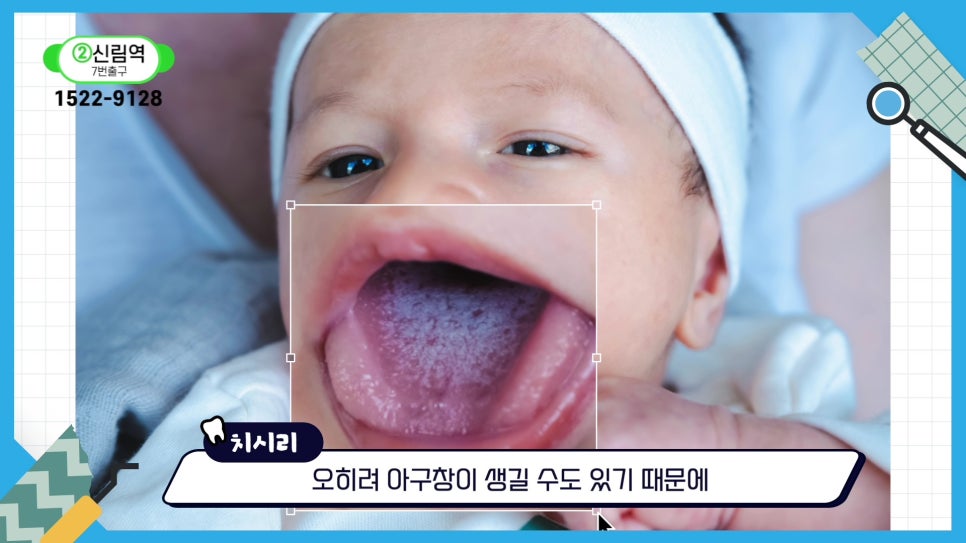
If the mouth is wiped in an improper way,
however, mucosal damage or oral thrush (oral candidiasis)
may occur, so caution is needed.
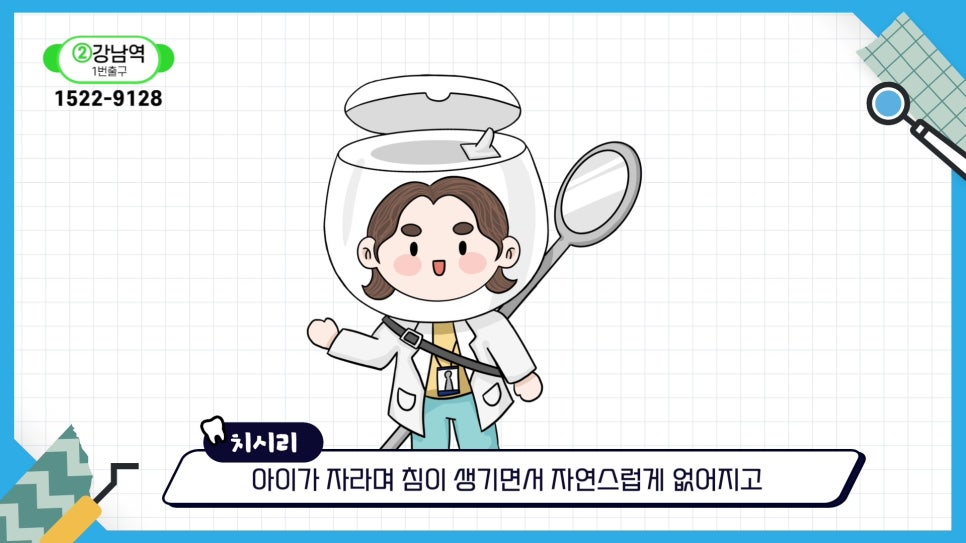
Even if formula residue is visible on the tongue,
it will naturally disappear as saliva production increases,
so no separate action is needed.
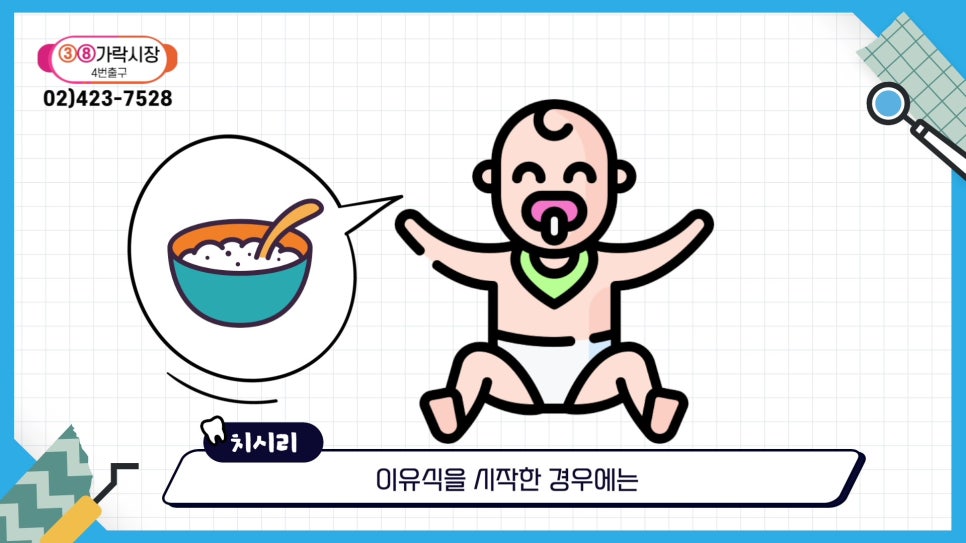
However, if the stage of starting baby food has begun,
oral hygiene care is needed.
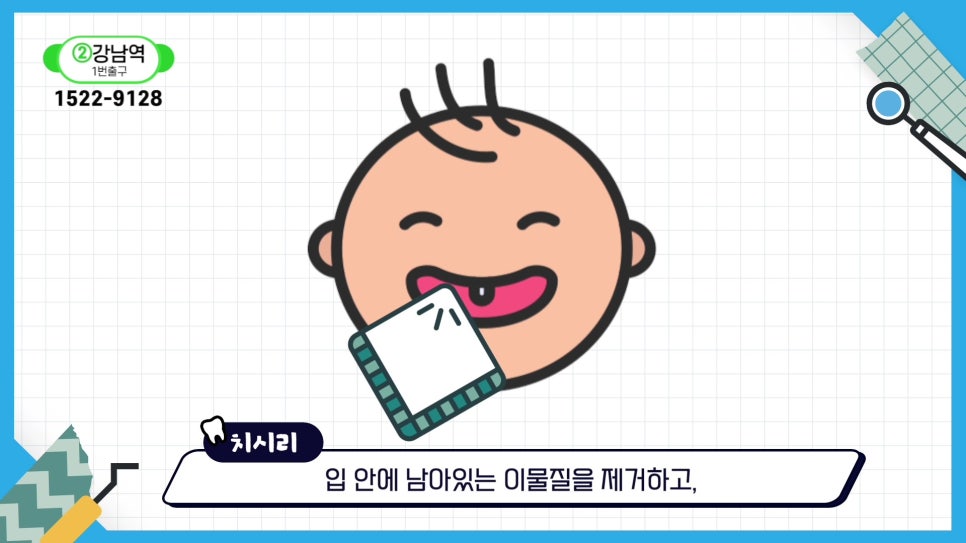
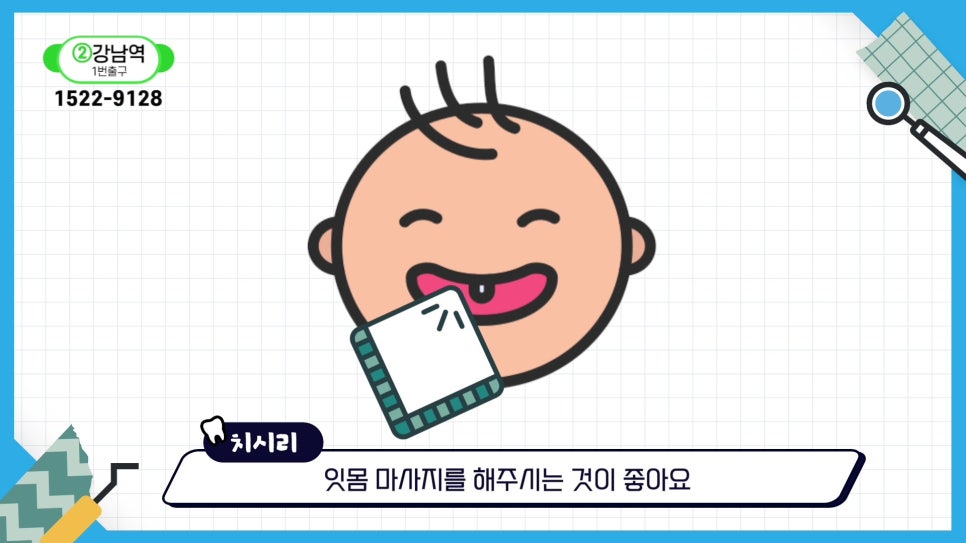
Gently wipe away residue inside the mouth with an oral tissue or sterilized gauze cloth,
and combining this with gum massage can help stimulate the gums.
At this time, be careful not to wipe with excessive pressure.
- When to brush and how to brush after primary teeth erupt
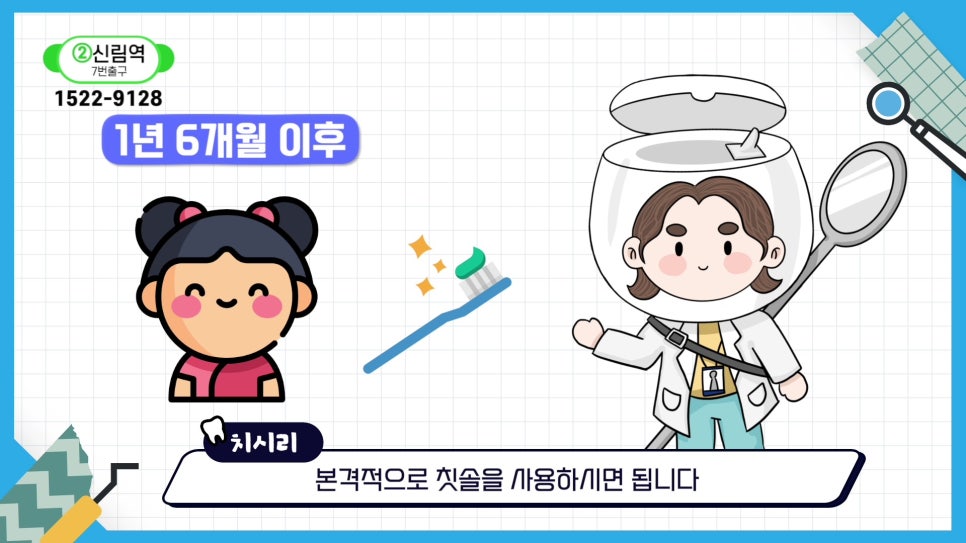
When primary teeth begin to erupt around 18 months of age,
it is time to start using a toothbrush.
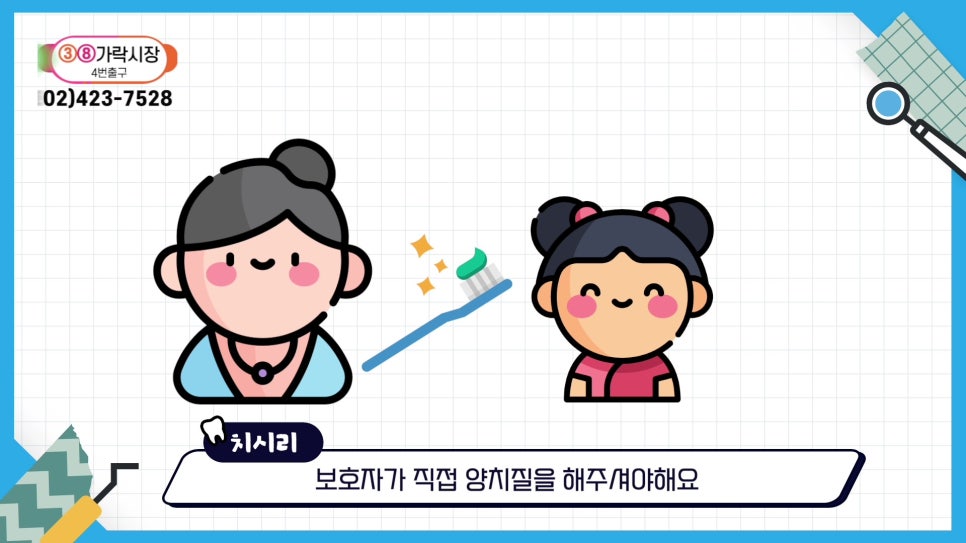
From ages 2 to 5, because a child’s hand control is still immature,
it is the general rule for a caregiver to brush for them directly.
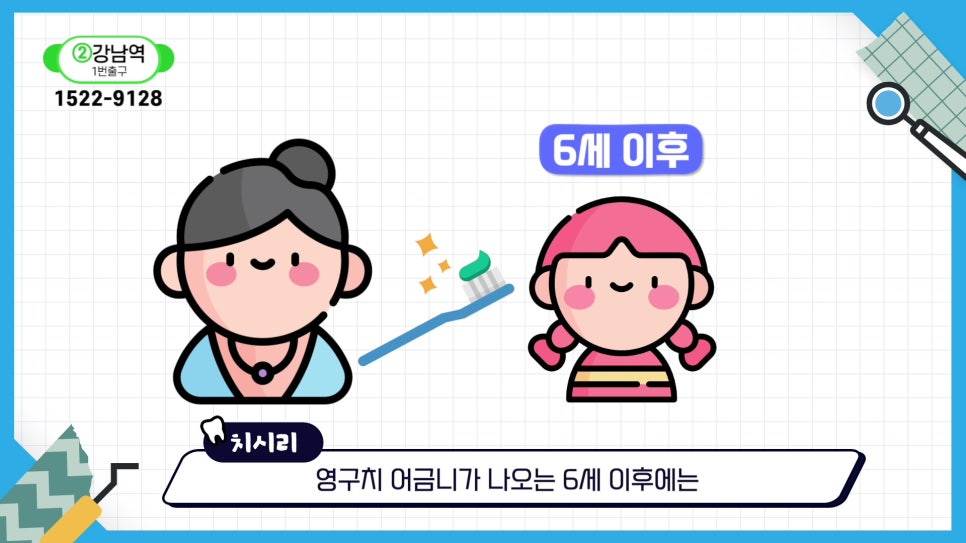
After age 6, the first permanent molars erupt,
so it is good to use a toothbrush for premolars or a special children’s toothbrush
to prevent food from getting stuck easily on the occlusal surface (the chewing surface).
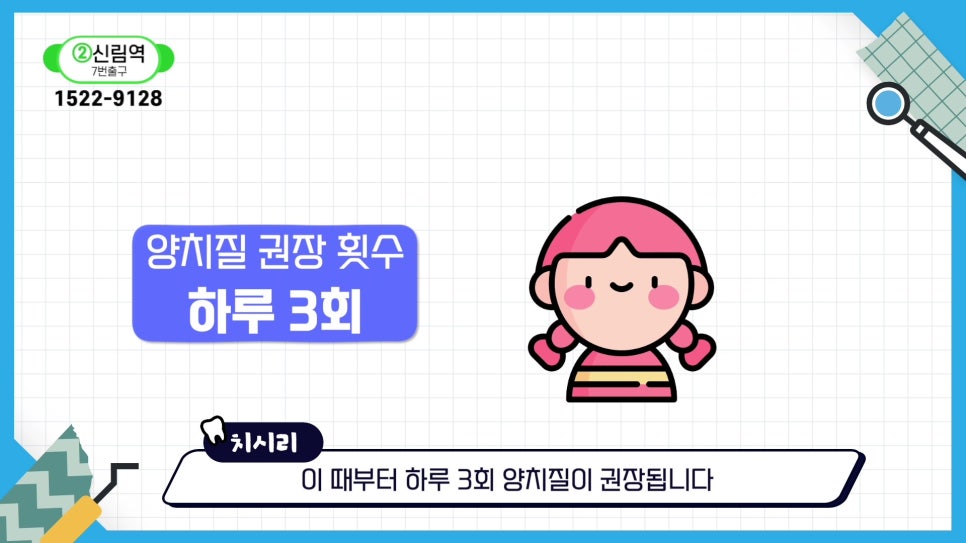
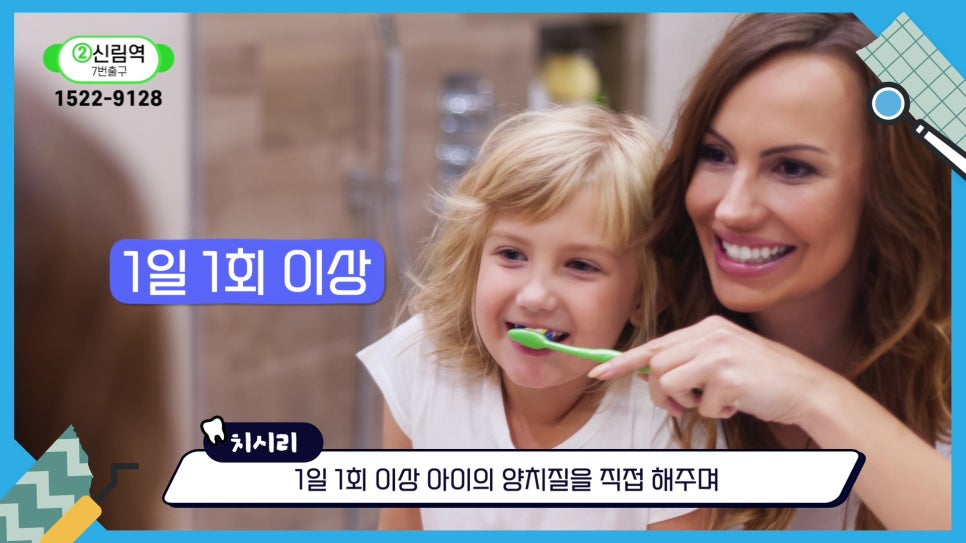
From this stage onward, brushing three times a day is recommended,
and even if the child brushes on their own, it is desirable for a caregiver to
check and finish the brushing at least once a day.
This kind of care has a major effect on the healthy eruption of permanent teeth
and the formation of proper brushing habits.
- Criteria for choosing toothpaste for infants and toddlers
In the past, it was common to use toothpaste without fluoride,
but currently, the use of high-fluoride toothpaste is increasingly recommended.
According to the Ministry of Health and Welfare and the Korea Disease Control and Prevention Agency’s
"Infant and Toddler Oral Examination Manual (revised in 2021),"
high-fluoride toothpaste is also recommended for infants and toddlers under 3 years old.
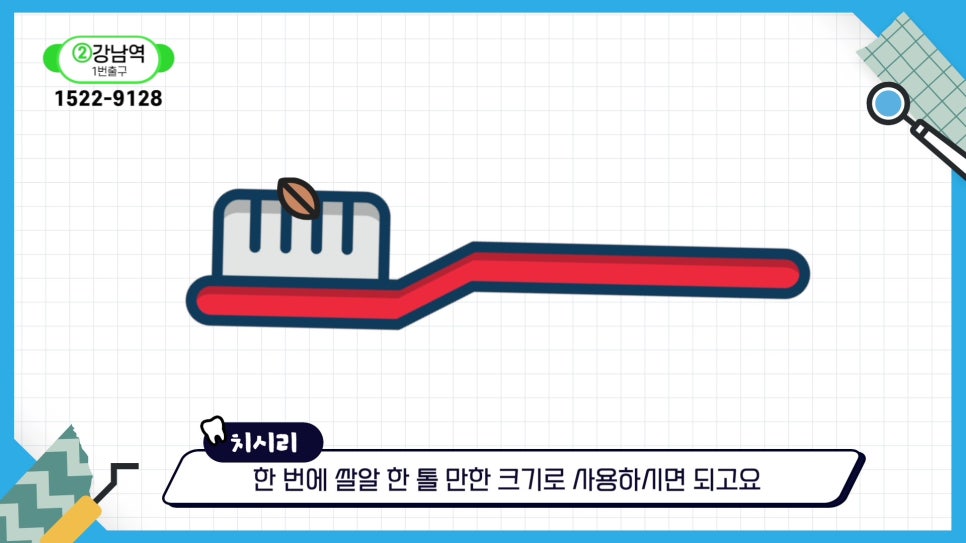
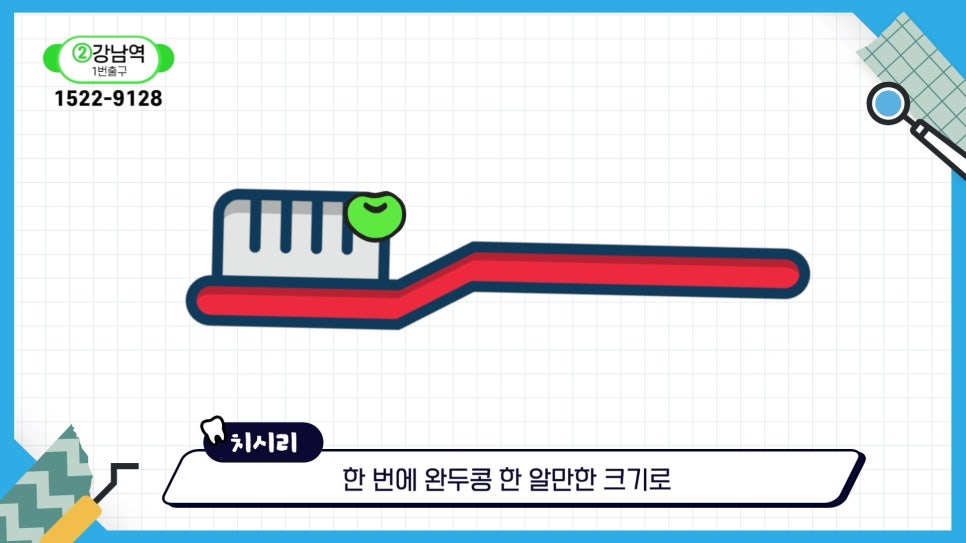
However, more important than the fluoride content is controlling the amount used.
Under age 3: the size of one grain of rice
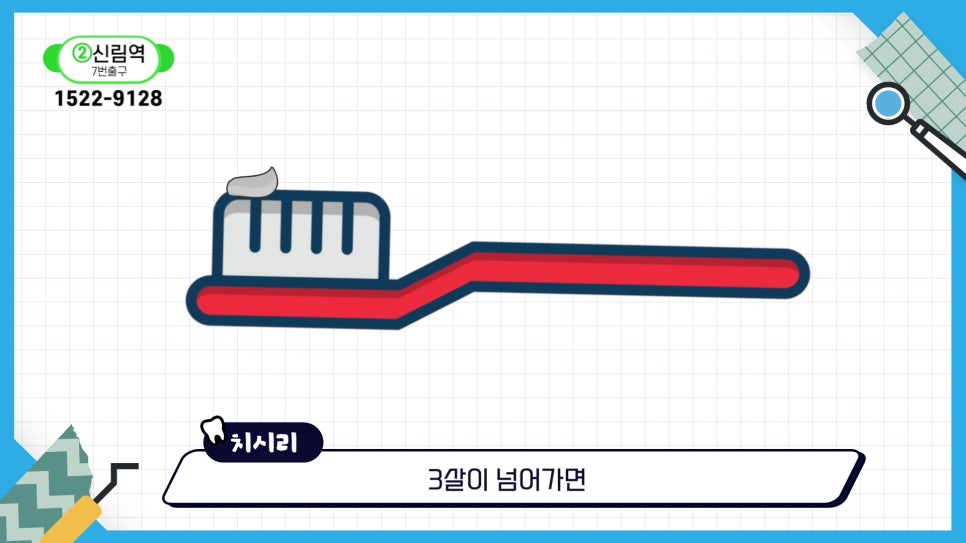
Age 3 and older: the size of one pea
An amount this small is not a problem even if swallowed.
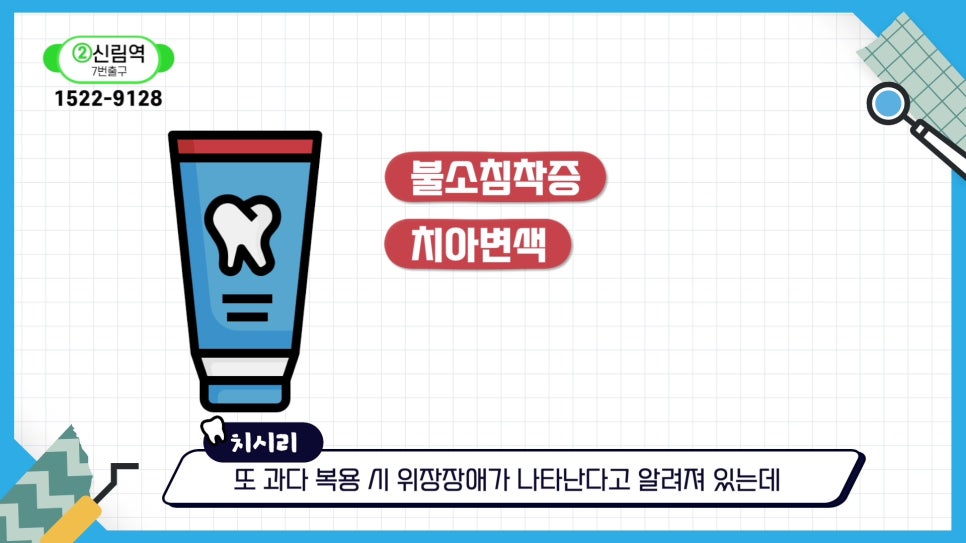
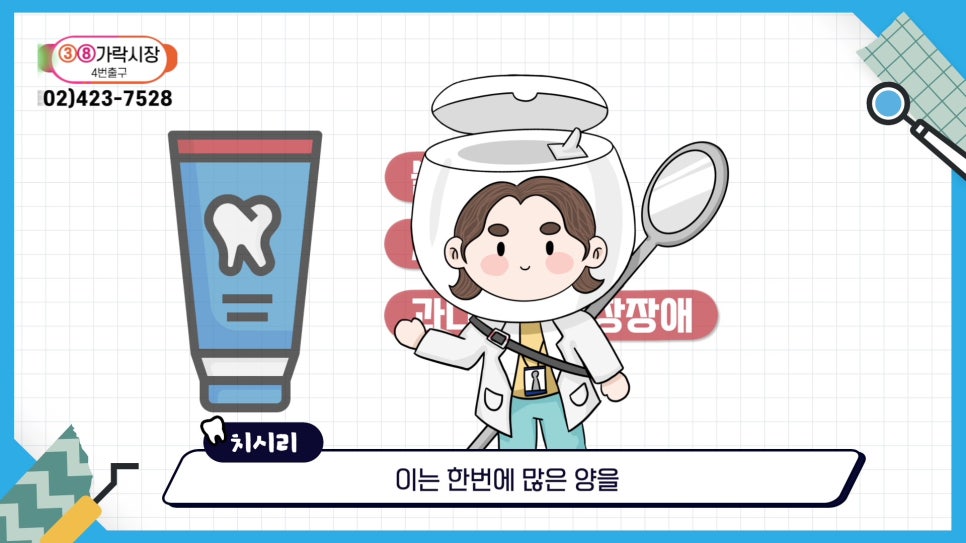
Tooth discoloration (fluorosis) or gastrointestinal discomfort caused by fluoride
occurs when fluoride is consumed continuously in excessive amounts,
so it can be used safely if the recommended amount is followed.
- The importance of early oral care
Oral care during infancy and toddlerhood is more than simply preventing cavities.
It is the starting point for forming lifestyle habits that determine lifelong oral health.
As the saying goes, "What is learned in the cradle is carried to the grave,"
if proper brushing habits and oral hygiene care take root during this period,
the risk of cavities and gum disease can be significantly reduced even after growth.
In conclusion, before teeth erupt, focus on mucosal care rather than brushing;
after primary teeth appear, establish brushing habits led by a caregiver;
and after age 3, proper use of high-fluoride toothpaste is important.
We hope you will help your baby grow into healthy, beautiful teeth
through proper oral care tailored to each stage of growth.
This has been Yeonsei Uline Dental Clinic, located in Sillim-dong, Gwanak-gu.