송파구치과 - 잇몸치료와 스케일링 차이는?
Hello. Near Garak Market Station in Garak-dong, Songpa-gu,
This is Shin Seung-hwan, the chief director of Yonsei Uline Dental Clinic, Songpa-gu Garak-dong branch.
Many of you may have gone to the dentist for scaling
and been told, “You need gum treatment, not scaling,”
or received a notice during a health checkup that said
“Gum treatment needed,” which may have made you curious.
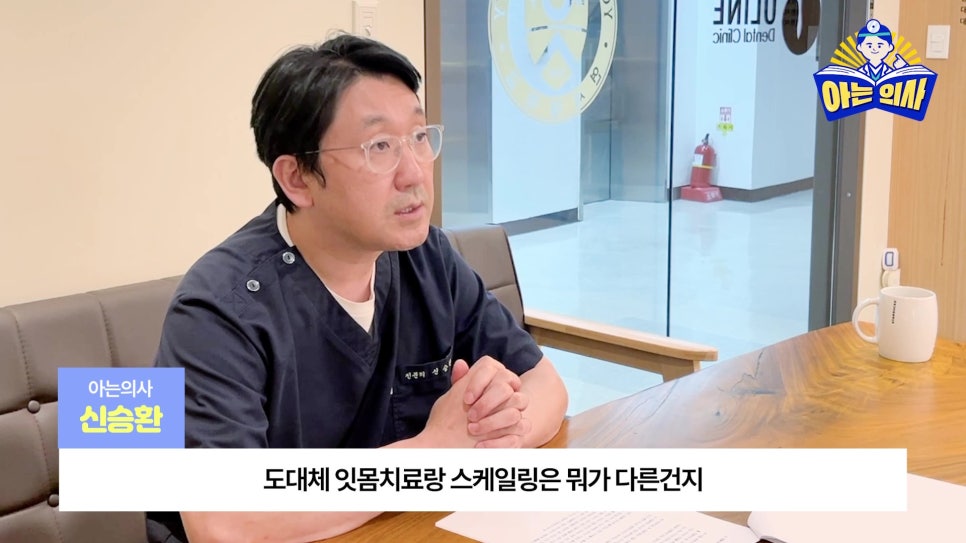
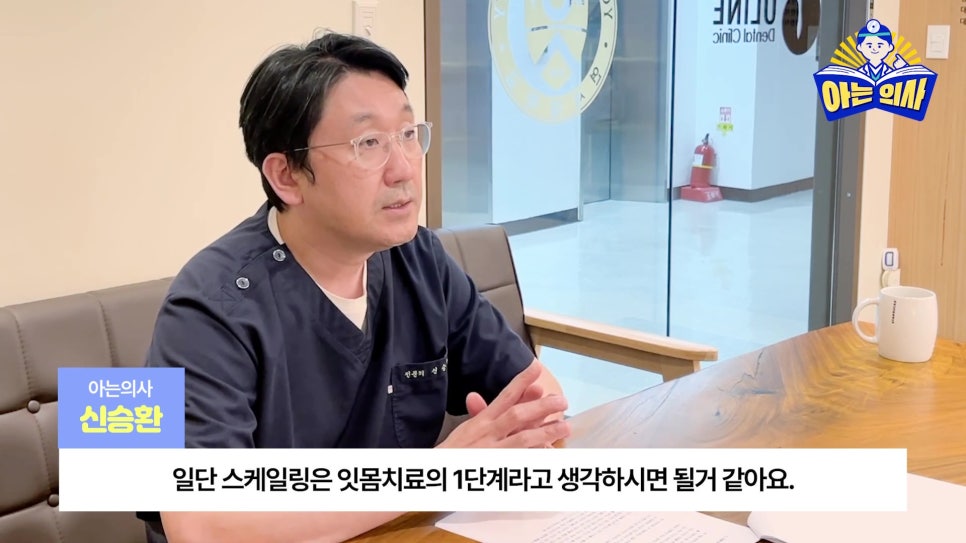
Today, I’ll explain the difference between scaling and gum treatment.
Simply put, scaling can be thought of as the
first step of gum treatment.
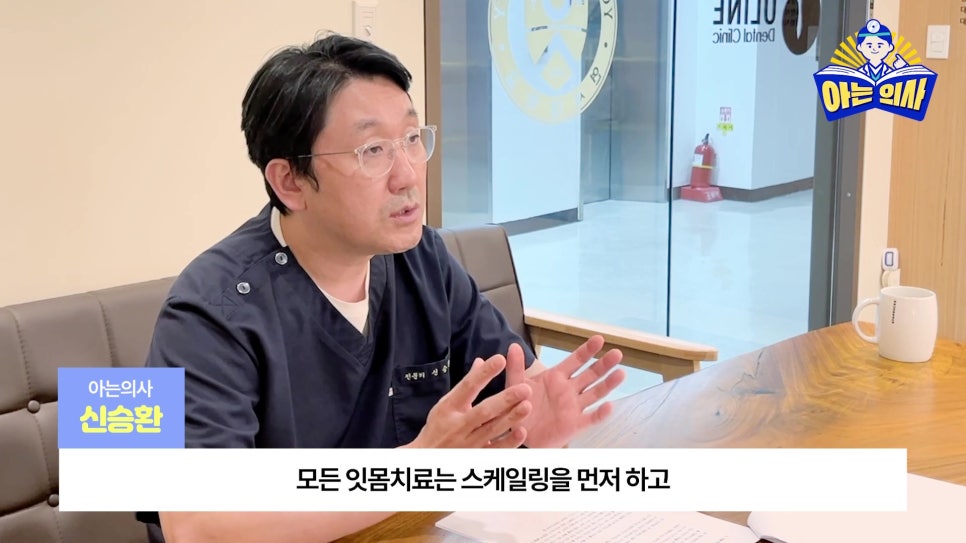
All gum treatment must begin with scaling,
and only when problems remain after that do we move on to gum treatment.
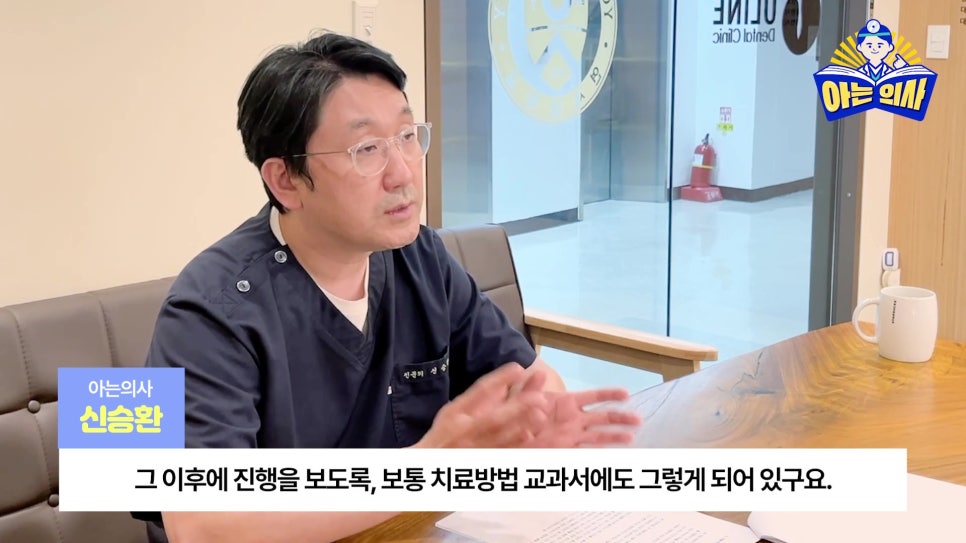
This is clearly defined in dental textbooks,
and the same distinction is made in the health insurance system.
The gum treatment items covered by insurance
are standards set by the government,
so they are not applied at the discretion of the dental clinic.
The structure is that scaling is done first, and gum treatment is performed only when deep gum disease remains unresolved.
Korea’s national health insurance system is quite well developed by global standards,
and among its benefits, gum treatment is especially valuable because patients can
achieve significant results at a low cost.
In the past, some people thought scaling was only for cosmetic purposes,
but in fact tartar is not just something to remove because it looks unpleasant.
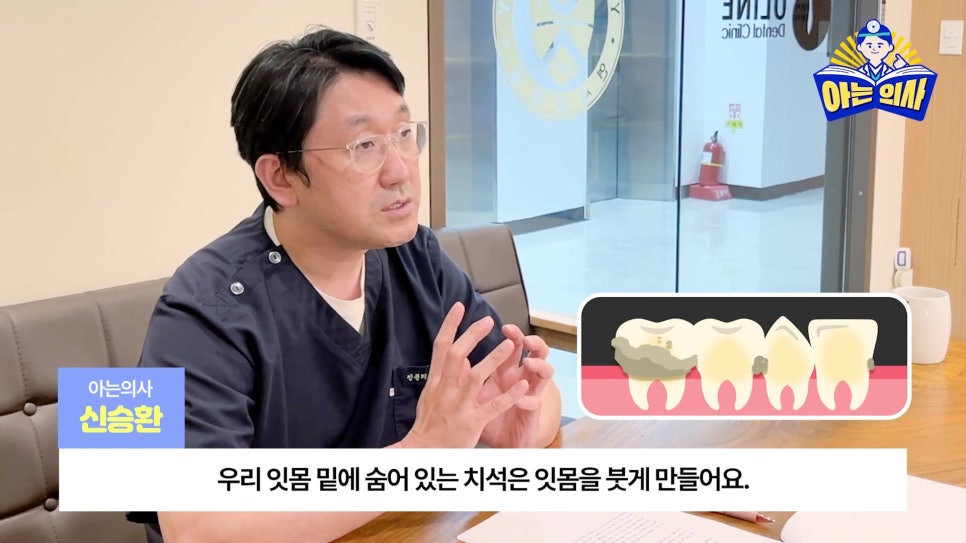
Over time, tartar moves from visible areas to invisible areas and becomes more deeply lodged.
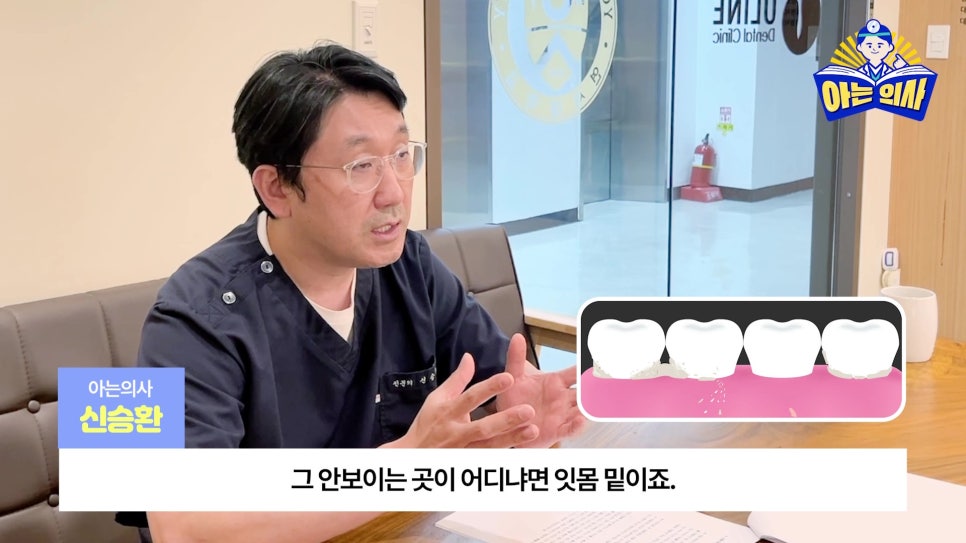
Because scaling removes what is visible on the surface,
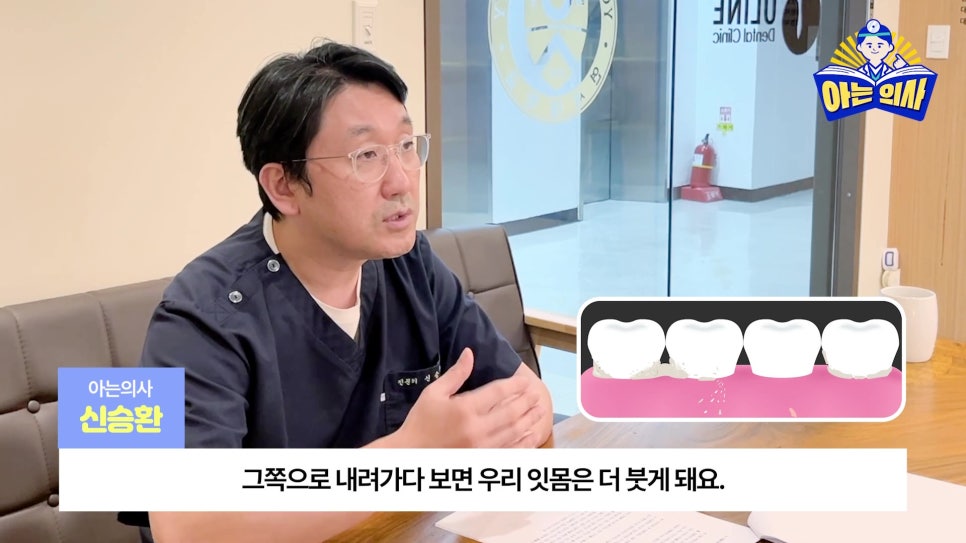
it keeps accumulating in the direction that is hard to see, that is, below the gums and into the gap between the tooth root and the gums.
The gums then swell and cling more tightly in an attempt to hide that tartar.
For this reason, scaling is not simply cosmetic;
it is treatment to protect gum health.
It has been about 10 years since scaling was covered by insurance in Korea,
and I think it is a very good policy for public health.
Scaling is the process of removing tartar visible on the surface,
gum treatment is the process of removing tartar hidden deep under the gums.

Then you may think, “Can’t they just do the deeper areas together during scaling?”
But if the deeper areas are touched without anesthesia,
it is usually too painful to perform the treatment.
So scaling and gum treatment are similar in process,
but they differ in treatment depth,
and deep treatment must be performed by a dentist after anesthesia.
There is a common misunderstanding here.
After gum treatment, some people say the gaps between the teeth seem larger,
or that the sensitivity feels worse than before.
But this is not a failure of treatment;
rather, it is evidence that proper treatment was carried out.
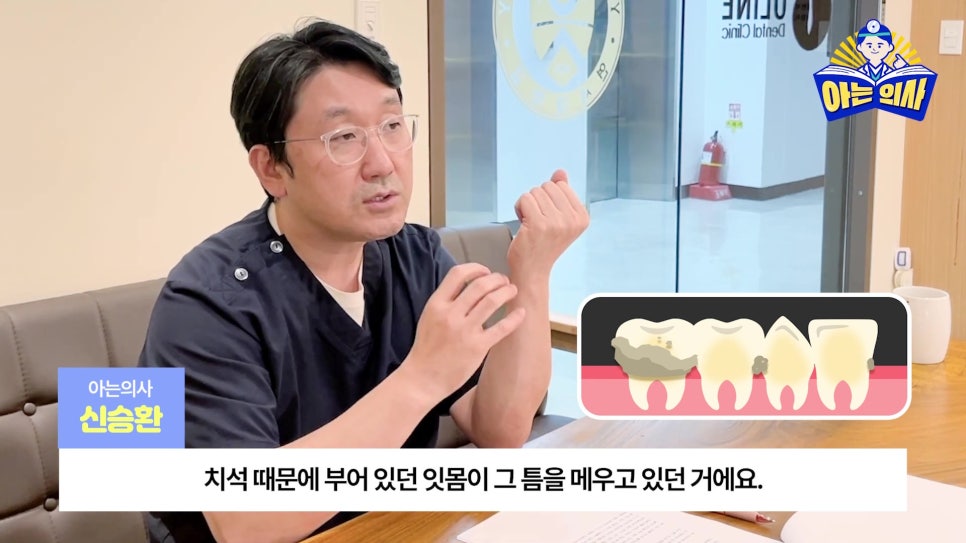
The tartar hidden under the gums caused the gums to swell,
and that swelling had been covering the gaps that originally existed between the teeth.
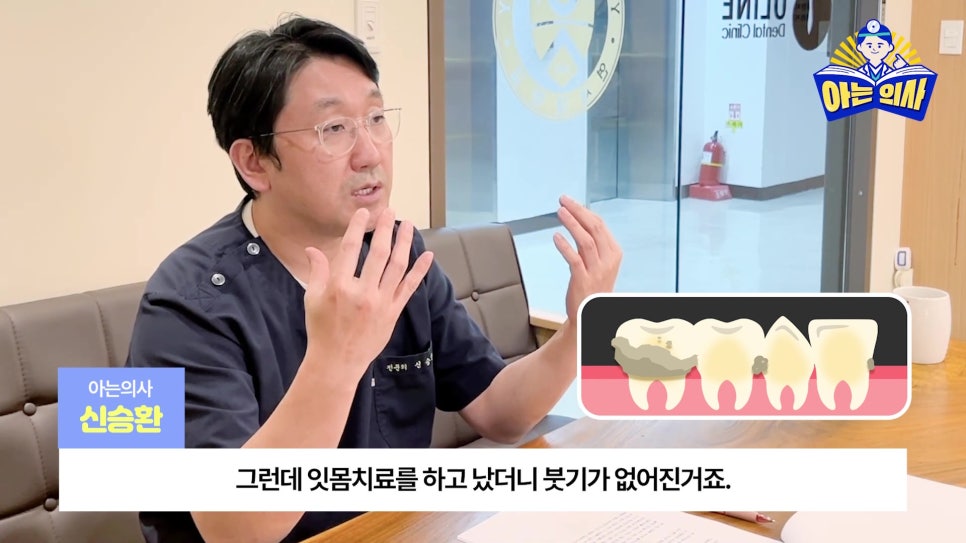
When the swelling goes down after gum treatment, the hidden gaps are revealed.
That is why misunderstandings arise, such as “they cut away the gums”
or “the condition got worse than before treatment.”
As we age, the gum bone naturally recedes,
and spaces between teeth develop for everyone.
Even with scaling alone, you may feel air passing between your teeth.
Some people find that refreshing,
while others find it strange or unpleasant,
but that gap is a space that was there originally.
It is just that tartar and swollen gums had been hiding that space.
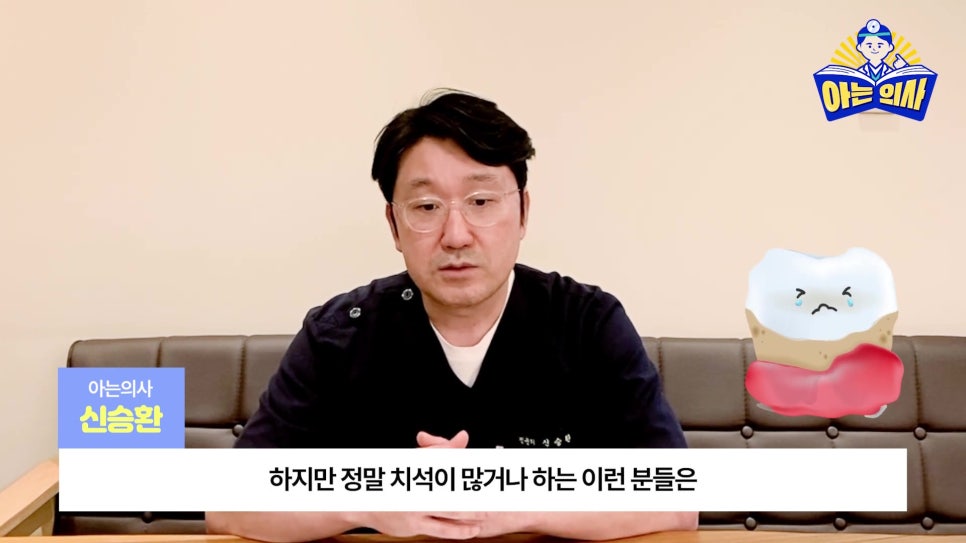
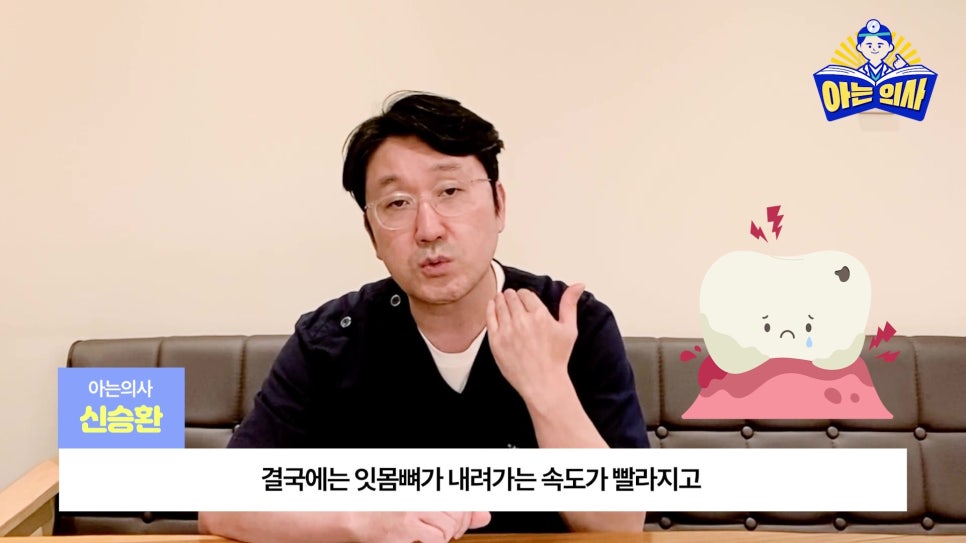
The problem is that if you keep leaving tartar untreated because you dislike that gap,
bone loss will progress faster,
and gum disease will advance much more quickly, eventually leading to tooth loss from periodontitis.
In other words, the appearance of a gap does not mean the disease has progressed further;
it is a natural change revealed during treatment.
If your gums often swell or bleed,
please do not leave them untreated out of fear of developing gaps;
the correct approach is to visit the dentist and receive gum treatment.
You need healthy gums in order to keep your teeth for a long time
and maintain chewing function for as long as possible.
That’s all from Yonsei Uline Dental Clinic near Garak Market Station in Garak-dong, Songpa-gu.