Hello. I’m Shin Seung-hwan, the chief director of Yonsei Uline Dental Clinic, Garak-dong branch, near Garak Market Station in Garak-dong, Songpa-gu.
Today, I’d like to talk about why it can feel sharp when you chew.
A crack in a tooth is called a “crack.”
In the past, it mainly appeared in older adults,
but recently it has been found more and more often
in younger people as well.
Sometimes a tooth cracks because it hits something due to external impact,
but the most common cause in reality is
the repeated force applied during everyday chewing.
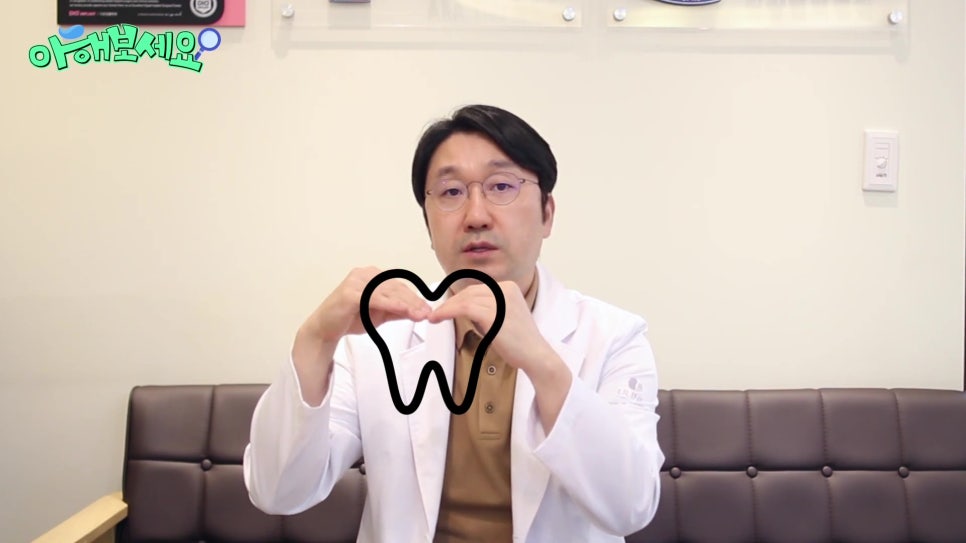
If you look closely at the surface of a molar,
it is not completely flat and has many curves and grooves.
This structure helps you crush and chew food well,
but at the same time, it continually transfers forces
in a direction that naturally spreads the tooth apart.
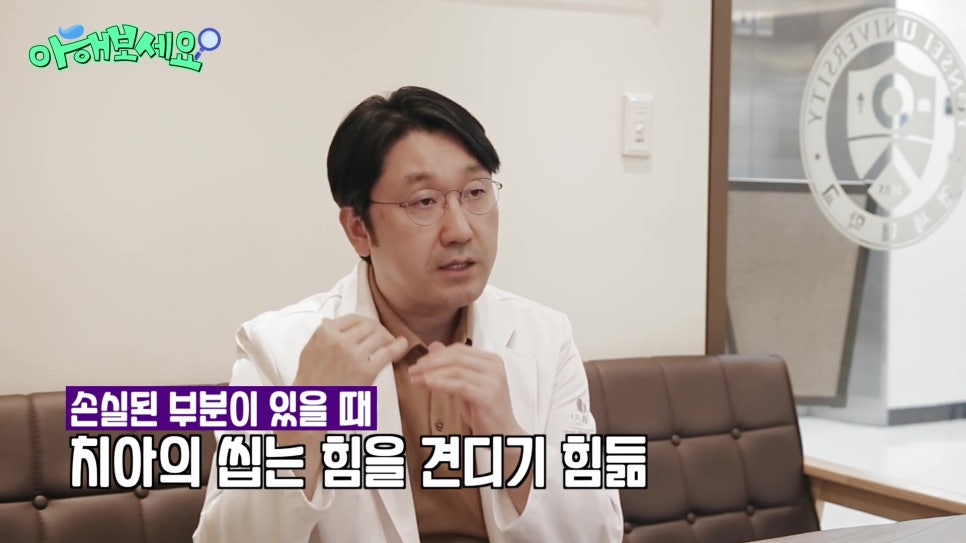
As time goes by and you get older,
teeth wear down, the surface gradually becomes smoother,
and you end up chewing with stronger force than before.
That force is no longer used only to break down food,
but acts in a direction that splits the tooth itself, causing cracks.
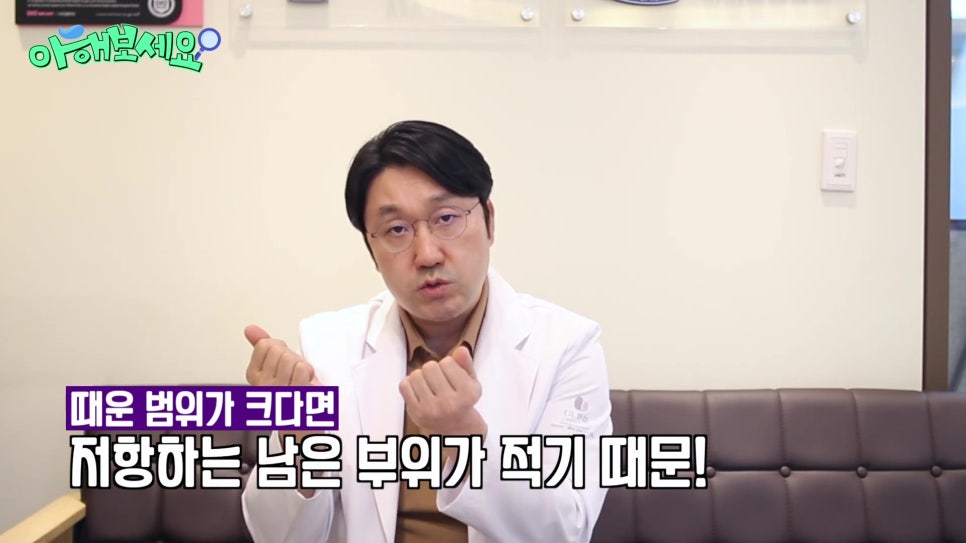
Teeth that have undergone resin or inlay treatment for cavities
can be even more vulnerable.
When the naturally hard enamel no longer covers the entire tooth,
a tooth that has been partially removed and filled with artificial material
can no longer be considered structurally one complete solid piece.
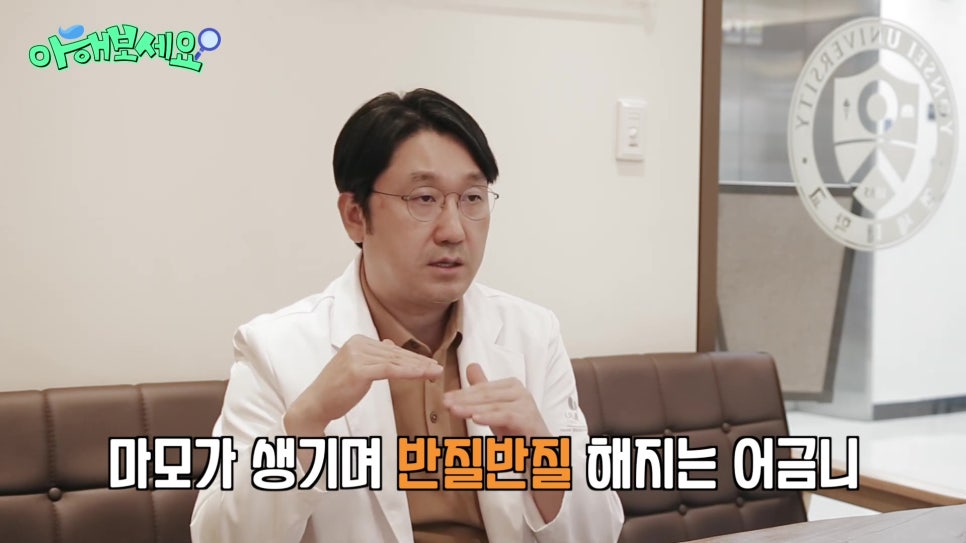
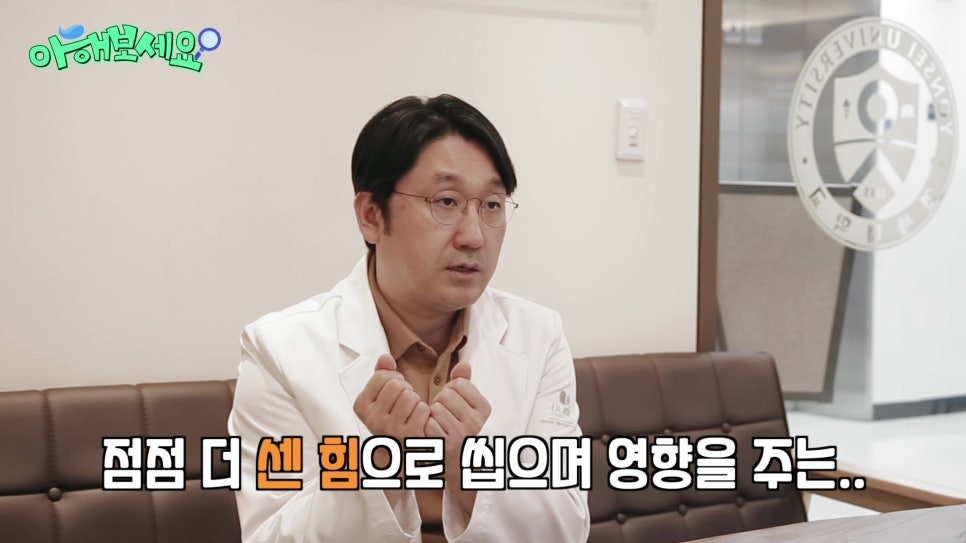
The less tooth structure remains, the lower the resistance
against chewing force becomes,
and over time the likelihood of a crack increases.
Another important cause is the habit of chewing only on one side.
You should use both sides evenly,
but many people unconsciously use only one molar side.
At first, there is no particular feeling,
but when force accumulates repeatedly in the same area,
eventually it causes a crack in the tooth on that side.
When a crack develops, a brief sharp or tingling pain
can appear while chewing.
In the early stages, the discomfort is often not severe,
so many people just let it pass,
but if the crack continues to progress, inflammation can reach
the tooth nerve inside, and eventually root canal treatment and
crown treatment become necessary.
Because the treatment process becomes more complex, and the tooth may
become weaker than before after treatment,
detecting it early is more important than anything else.
If you repeatedly feel a sharp sensation when chewing,
don’t dismiss it as simple tooth wear and it is better to
receive a detailed examination at a dental clinic.
A crack is not a problem that happens only because of poor care,
like cavities.
Even people who brush well and get regular checkups
can develop this problem as they use their teeth for a long time.
In particular, if you grind your teeth or clench your jaw,
if your front teeth are not aligned evenly and you end up
using your molars more, or if you often eat chewy and hard foods
such as dried squid or dried snacks,
the risk of cracks is higher.
Some people also think that frequently chewing gum is good for training the teeth,
but teeth are not structures that become stronger like muscles;
they are structures that wear down with use, like tires.
Continuously applying strong force repeatedly can actually become a cause of cracking.
Once a tooth cracks, it does not heal naturally.
That is why not taking early symptoms lightly,
and receiving an accurate diagnosis and appropriate protective treatment,
is the most realistic way to use your teeth for a long time.
This has been Yonsei Uline Dental Clinic in Garak-dong, Songpa-gu.