Hello. I am Kang Dong-ho, the chief director of Yonsei Uline Dental Clinic, Sillim-dong branch, near Sillim Station in Sillim-dong, Gwanak-gu.
Today, I’d like to talk about jaw joint problems that many people experience at least once.
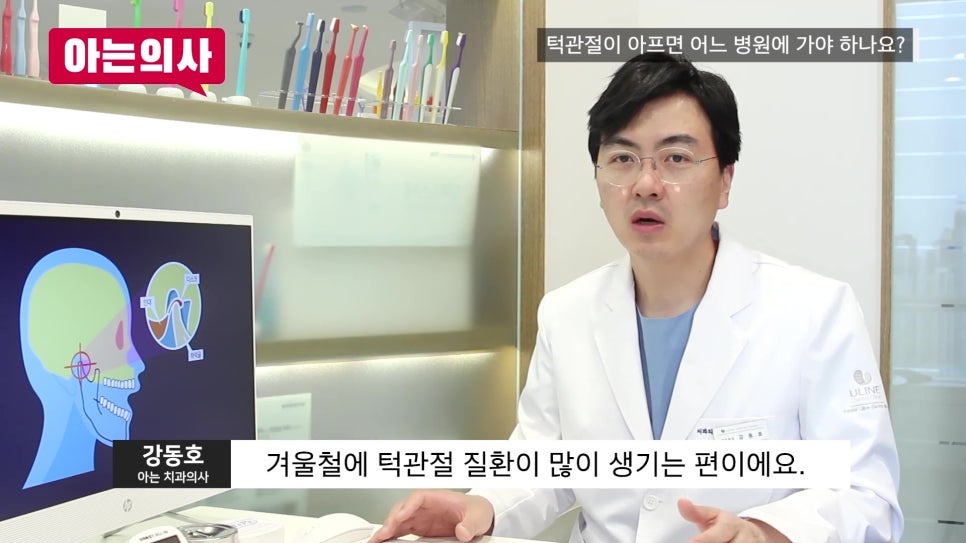
The time when the jaw joint becomes uncomfortable is somewhat related to the season as well. In particular, during colder seasons like winter, when the body stiffens, muscle pain around the jaw tends to occur more easily, and many people develop clicking sounds in the jaw or pain when chewing.
Looking at why most patients come to the clinic, it is not as common as you might think for people to visit because of a clicking sound in the jaw.
Instead, people often come in because of specific discomforts such as a stiff and painful jaw, difficulty opening the mouth, the jaw twisting when opening, or accompanying headaches.
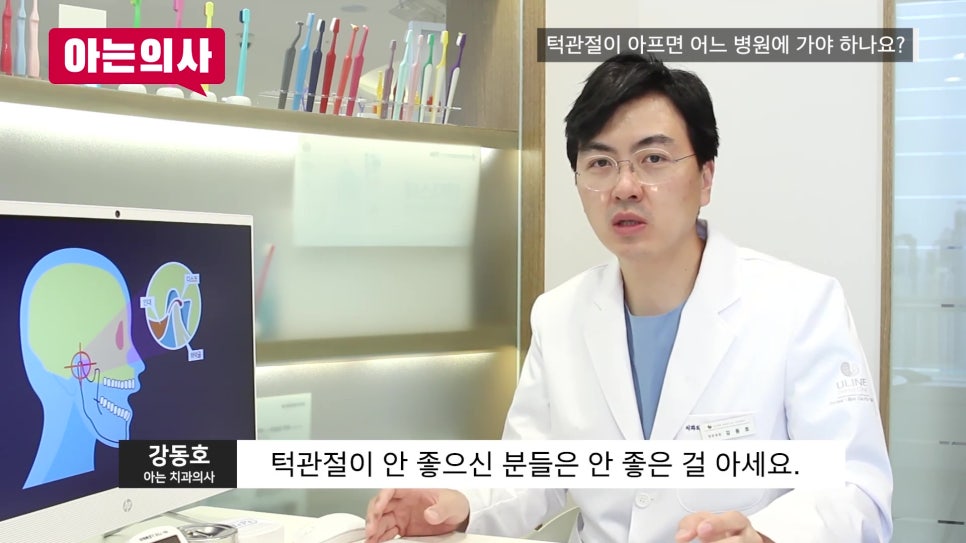
They themselves often feel, “Ah, my jaw joint is not in good condition.”
The problem is that this leads to the question, “Then where should I get this treated?”
It can be confusing whether to go to a dental clinic, a Korean medicine clinic, or an orthopedic clinic. To reduce this confusion, the most important thing first is to understand why jaw joint pain occurs and what principle treatment is based on.
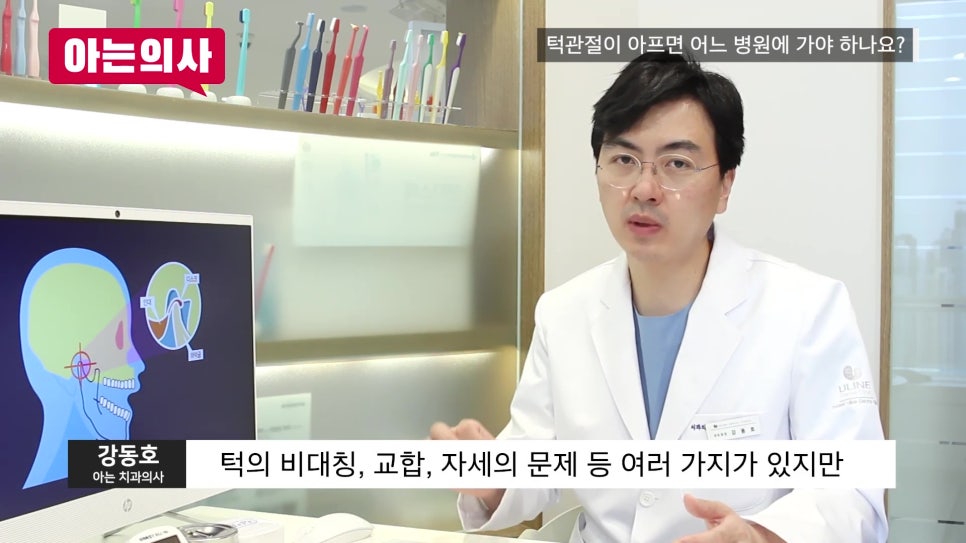
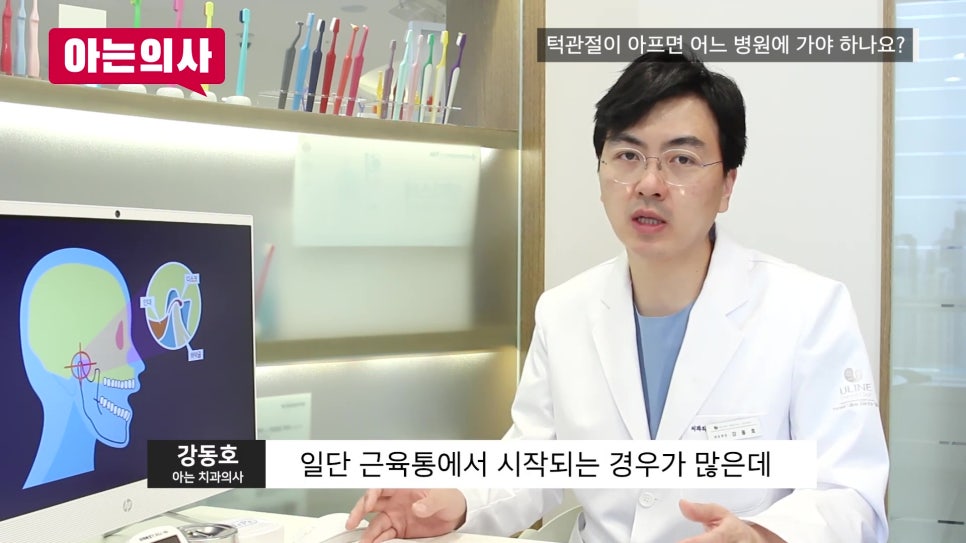
Jaw joint problems usually begin with muscle pain.
Of course, causes can include left-right asymmetry of the jaw, bite problems, or poor posture in daily life, but the starting point is usually muscle pain that appears when the chewing muscles around the jaw become excessively tense.
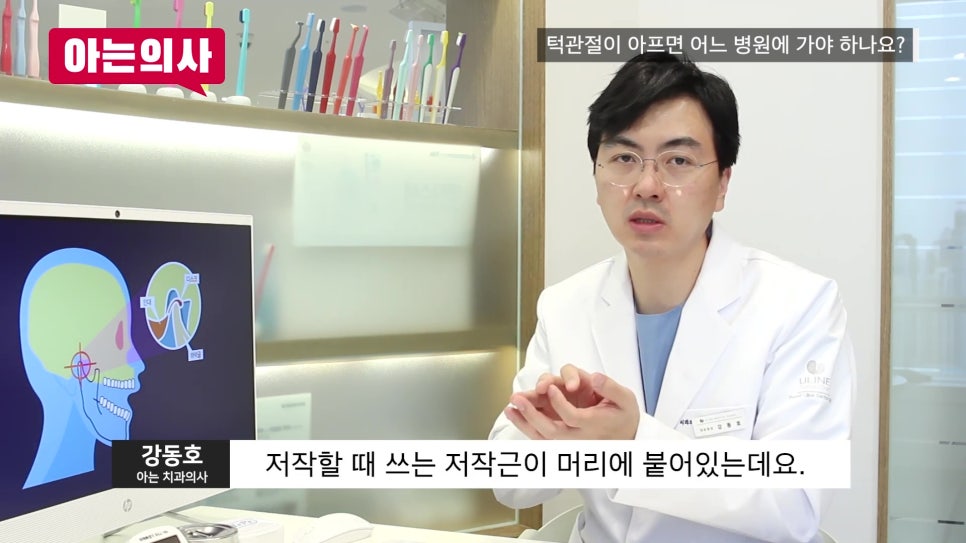
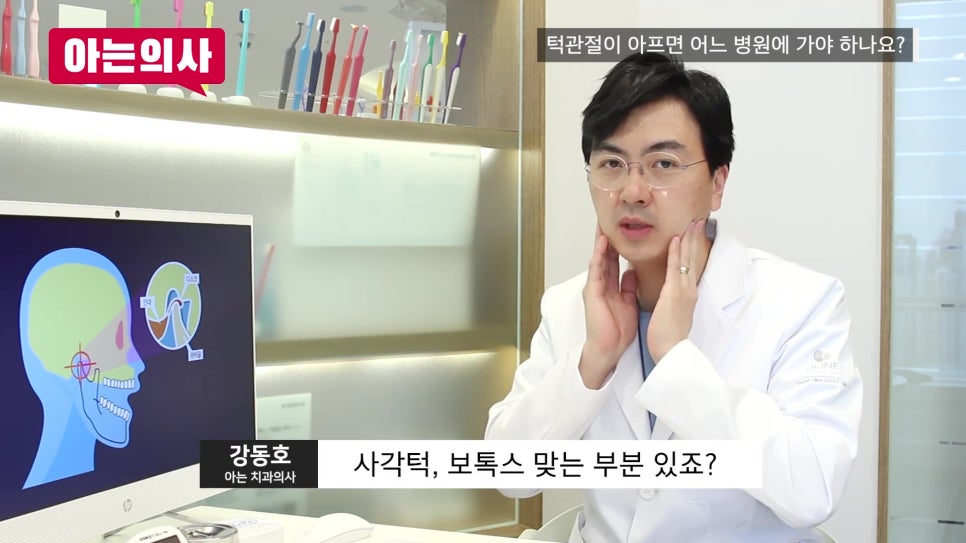
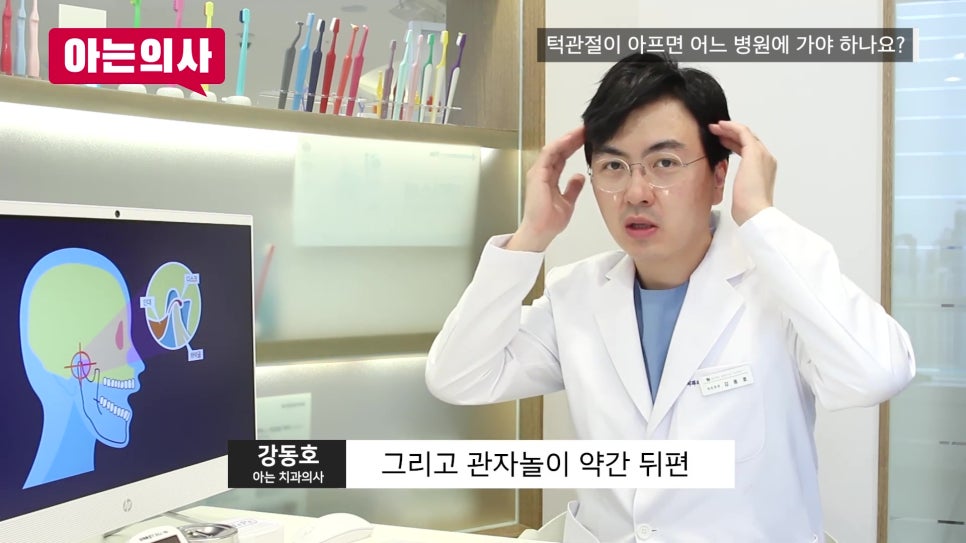
Among the chewing muscles used when opening and closing the mouth, the masseter muscle and the temporalis muscle play the biggest role.
The area where you get botox for a square jaw, and the painful spot when you touch behind the temple, are exactly these muscles.
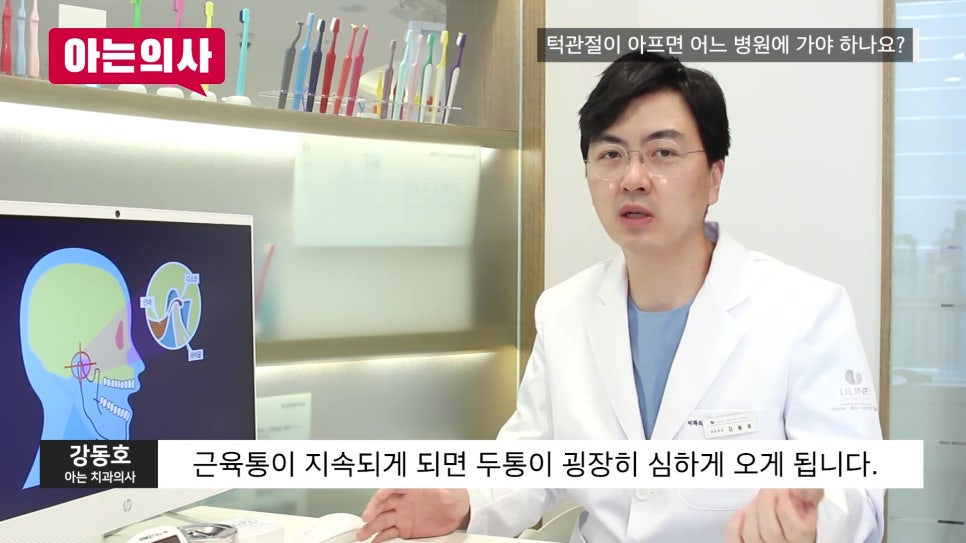
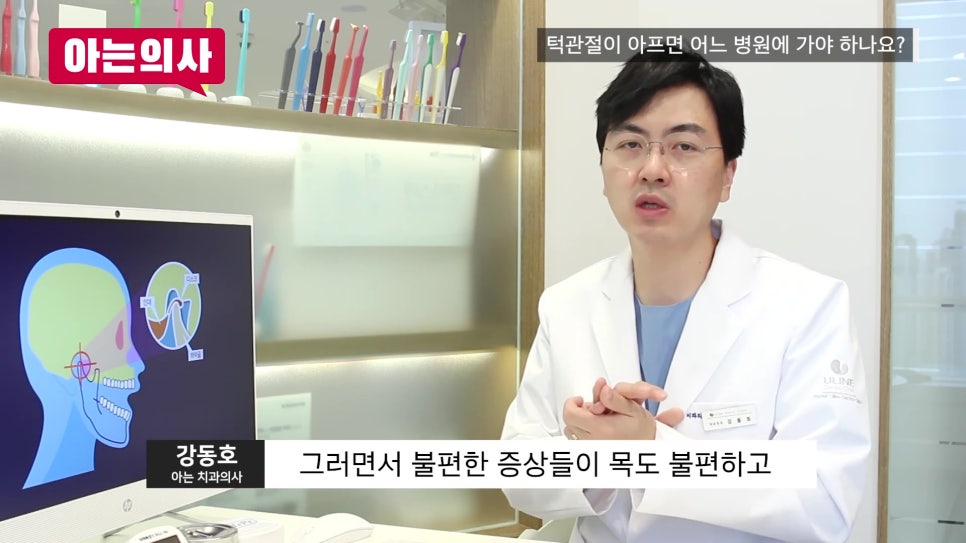
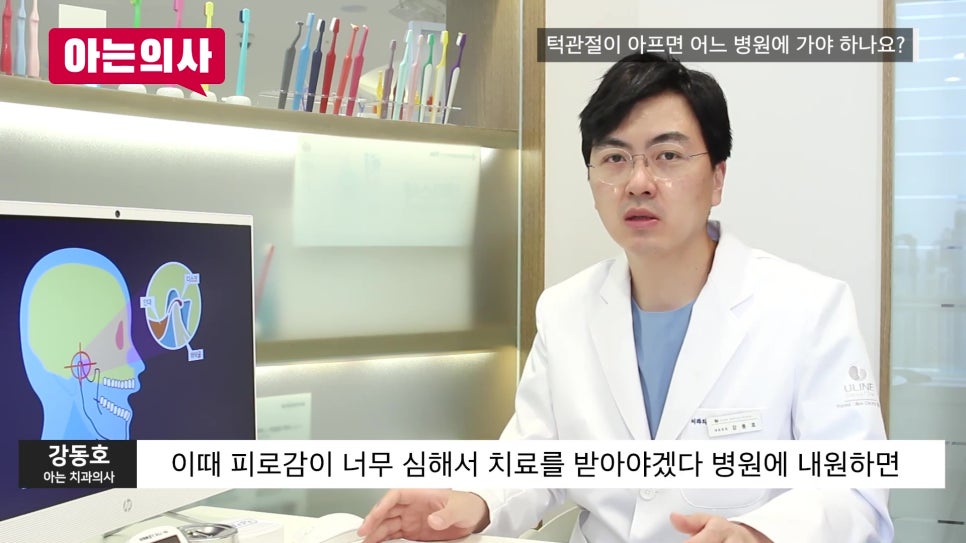
When this area becomes tense, pain occurs when chewing, and discomfort can spread into a heavy, stiff feeling in the jaw, the back of the neck, or even the head.
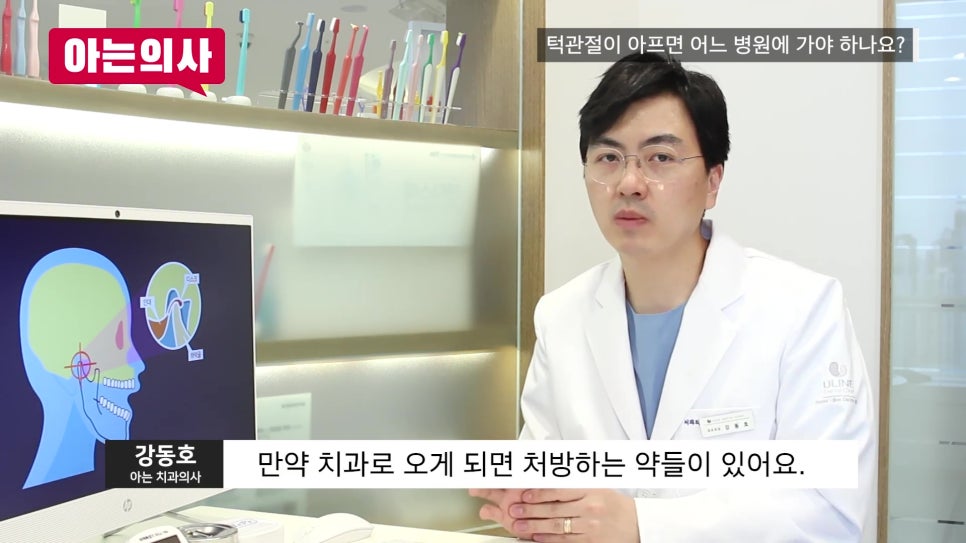
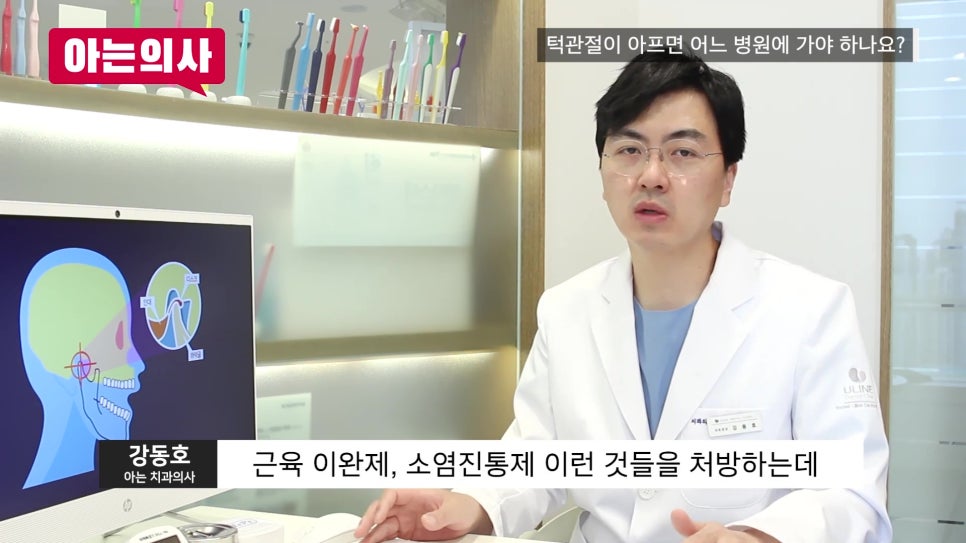
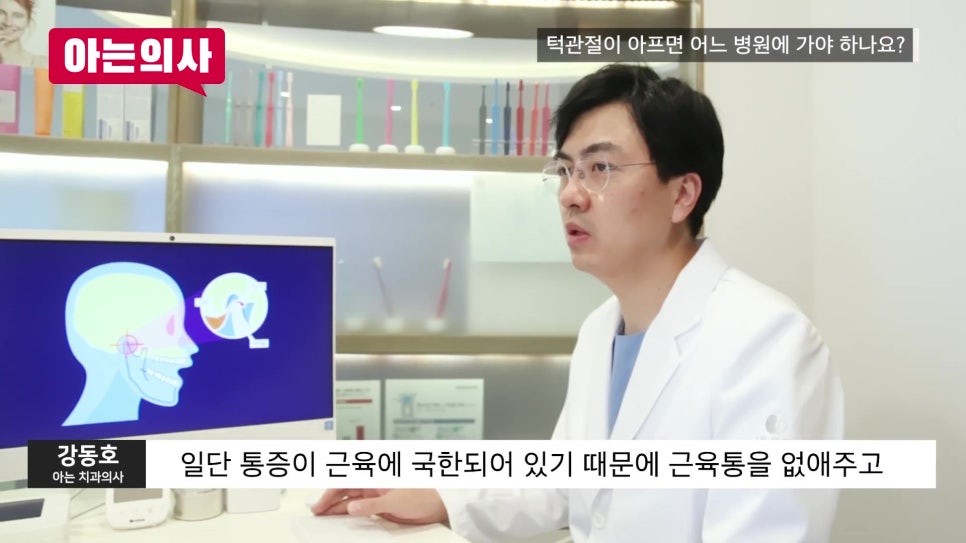
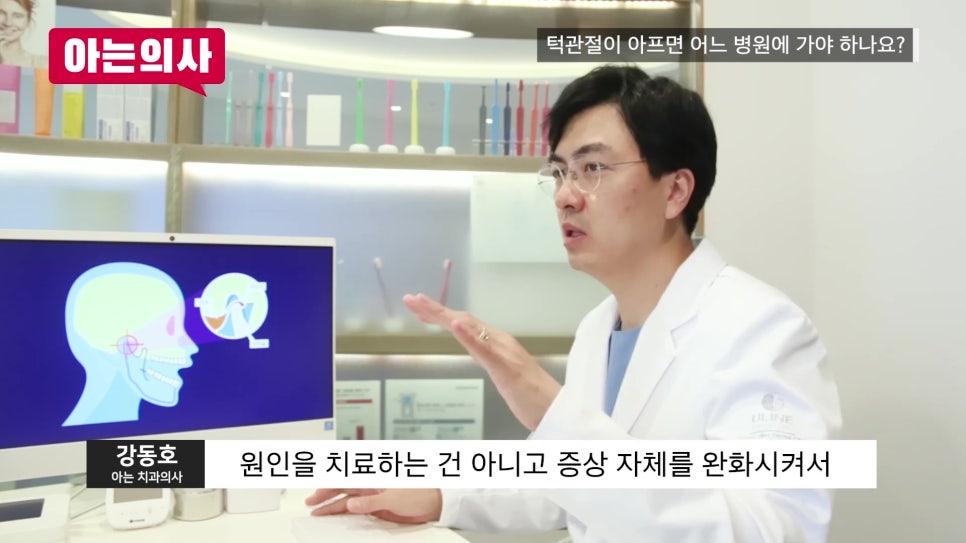
When muscle pain becomes severe, it can also place stress on the jaw joint itself, leading to clicking sounds in the jaw or even difficulty opening the mouth. That is why, at first, dental clinics prescribe anti-inflammatory painkillers or muscle relaxants to reduce pain.
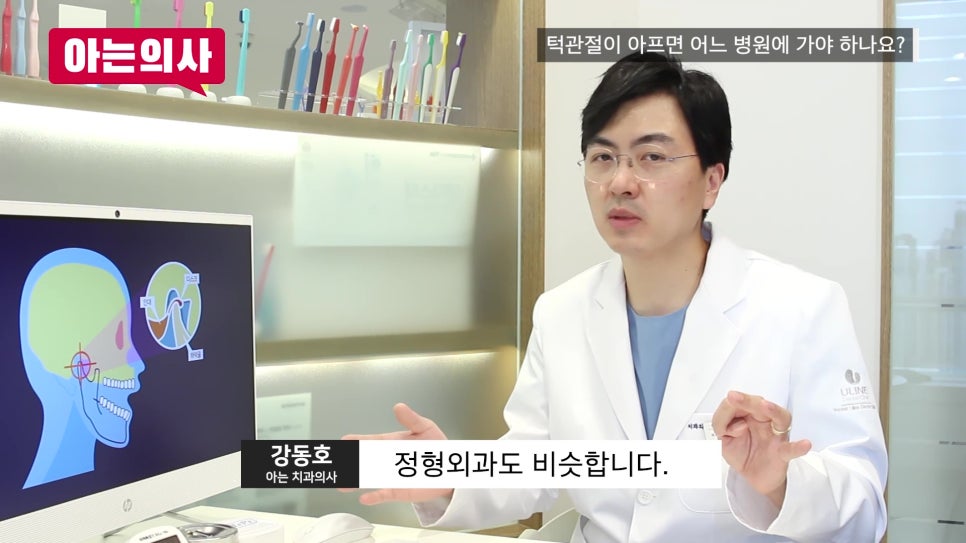
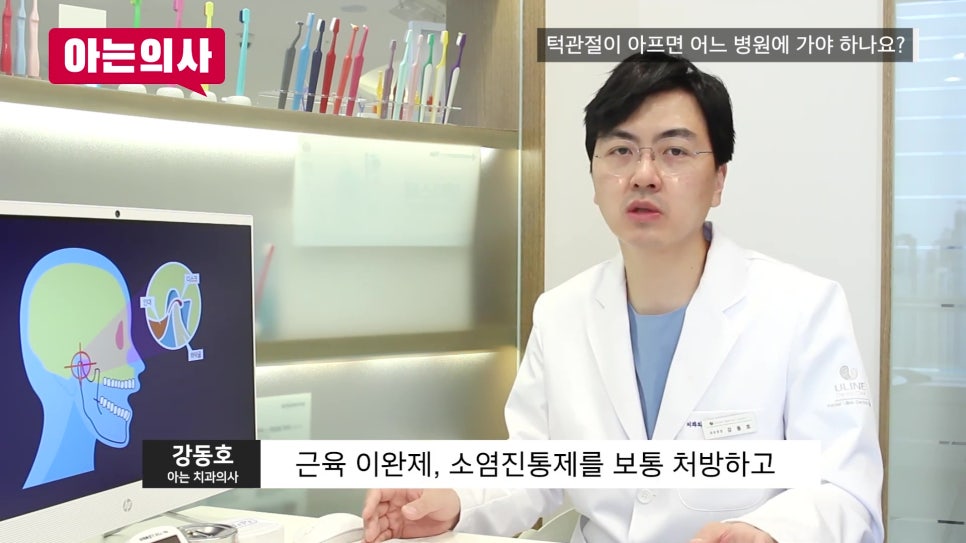
Orthopedic clinics take a similar approach.
The focus is on making the muscles relax.
The problem is that if symptoms are only eased with medication like this, it may feel better for the moment, but after a few months the problem often repeats.
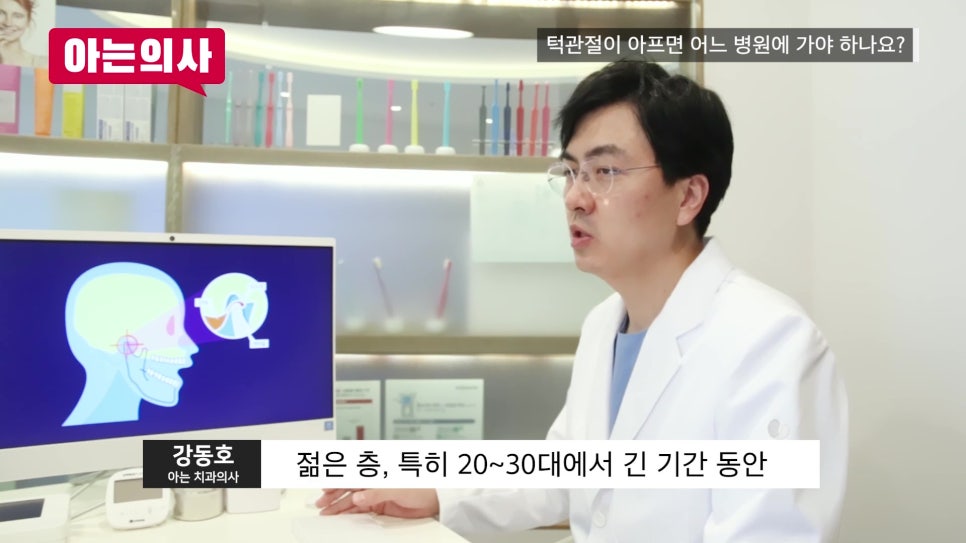
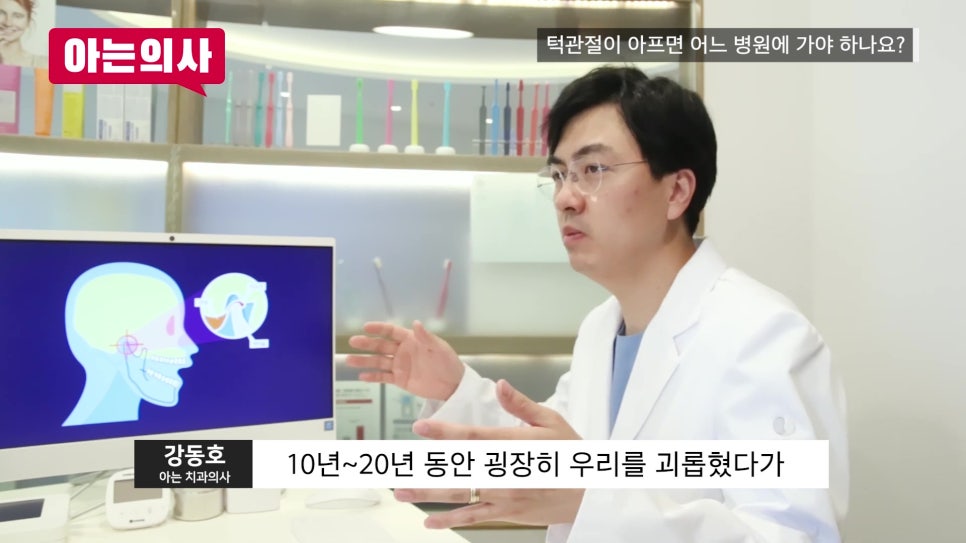
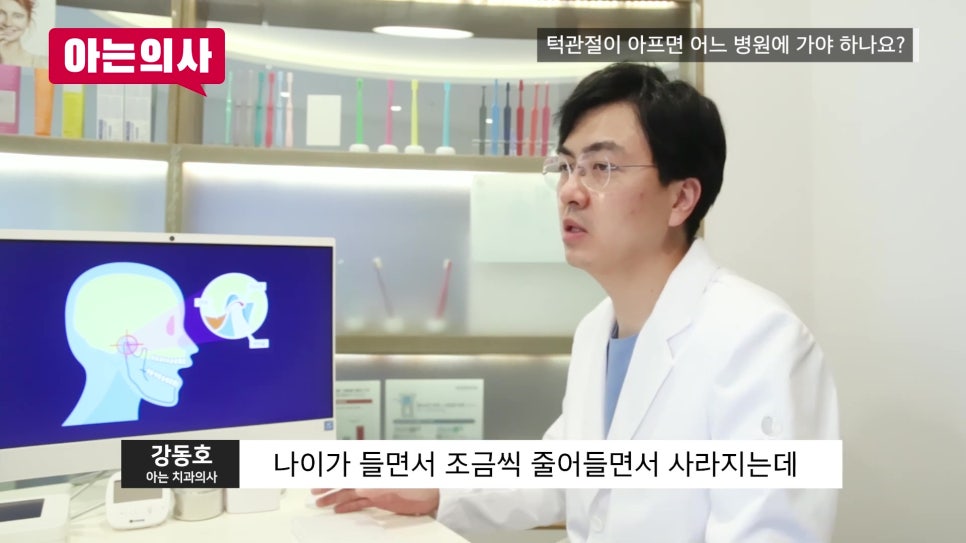
That is why jaw joint disorders are called chronic conditions. In particular, many patients in their 20s and 30s experience these symptoms for more than 10 years, and it is also common for the symptoms to gradually decrease as they get older.
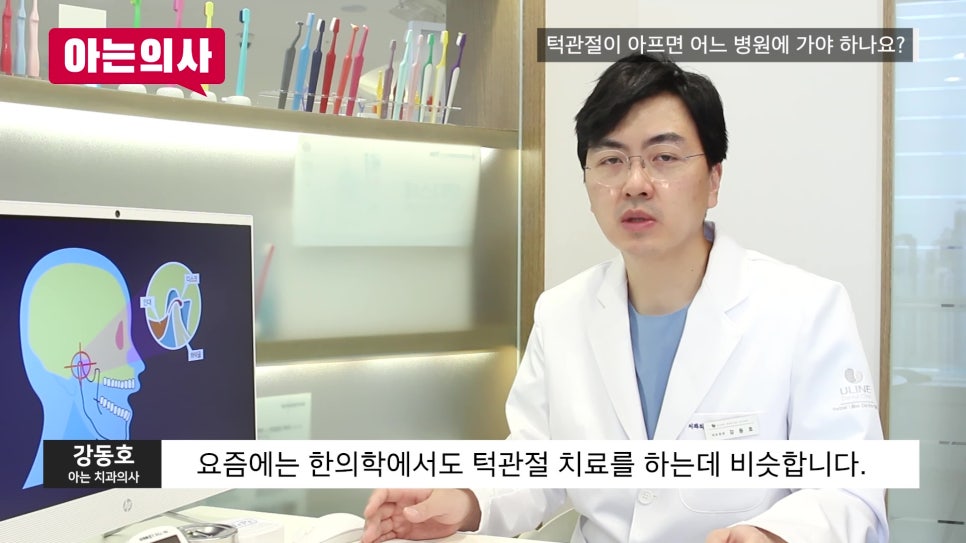
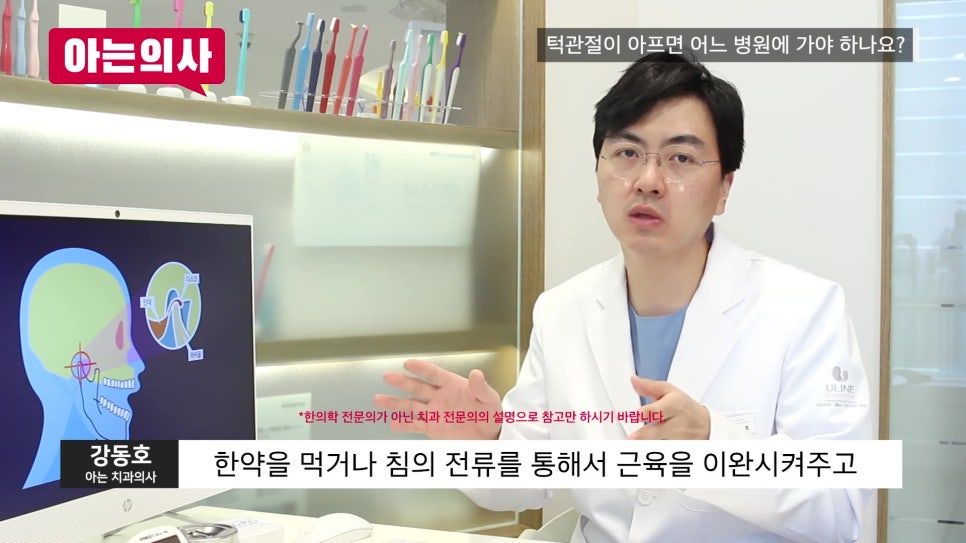
The basic principle in Korean medicine clinics is similar.
It involves relaxing tense muscles with acupuncture or electroacupuncture, and if necessary, adjusting the body’s condition with herbal medicine.
In the end, because jaw joint pain has the structure of muscle over-tension → pain onset → spread to surrounding tissues, no matter which department treats it, the key is “relaxing the muscles.”
Physical therapy, medication, and acupuncture therapy are all based on this principle.
What is important is that if these symptoms are left alone, thinking they will naturally go away later, they tend to repeat periodically and can continue to cause inconvenience in daily life.
For those whose jaw twists when opening, or whose symptoms extend to headaches or neck pain, it is important to establish a treatment direction and manage the muscle condition.
This has been Yonsei Uline Dental Clinic in Sillim-dong, Gwanak-gu.