Sillim-dong Dental Clinic: Myths and Truths About Digital Implants
Hello. I am Kang Dong-ho, chief director of Yonsei Uline Dental Clinic, Sillim-dong Branch, near Sillim Station in Sillim-dong, Gwanak-gu.
Today, I’d like to talk about implants.
For the past few years, implant surgery has increasingly been performed using digital methods.
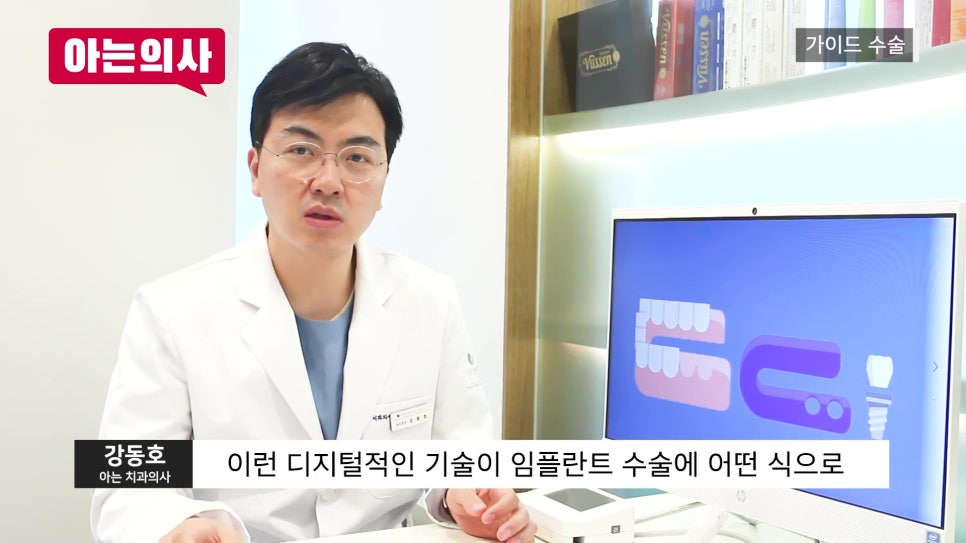
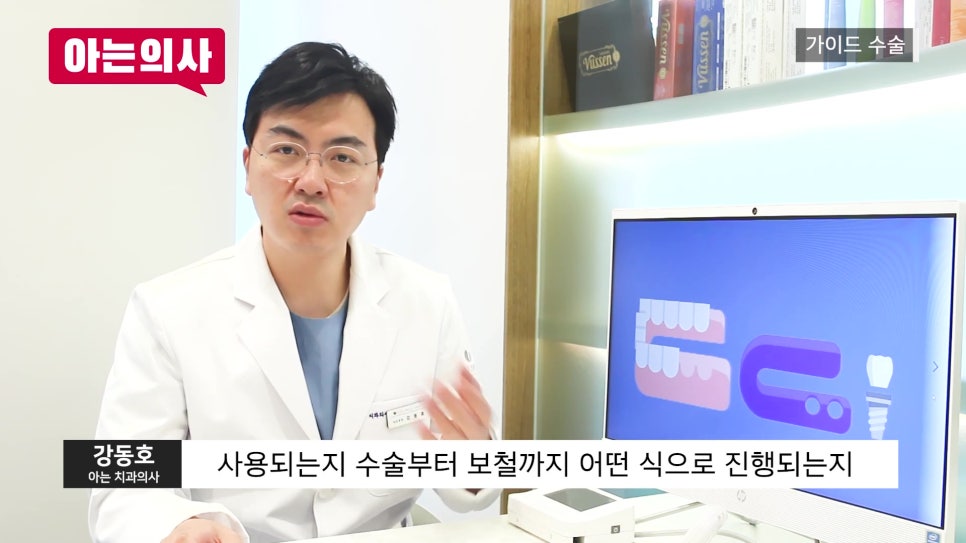
This is because in many dental clinics these days, CT and 3D printers are used to plan implant positions, create a guide that helps place the implant according to that plan, and apply it during surgery.
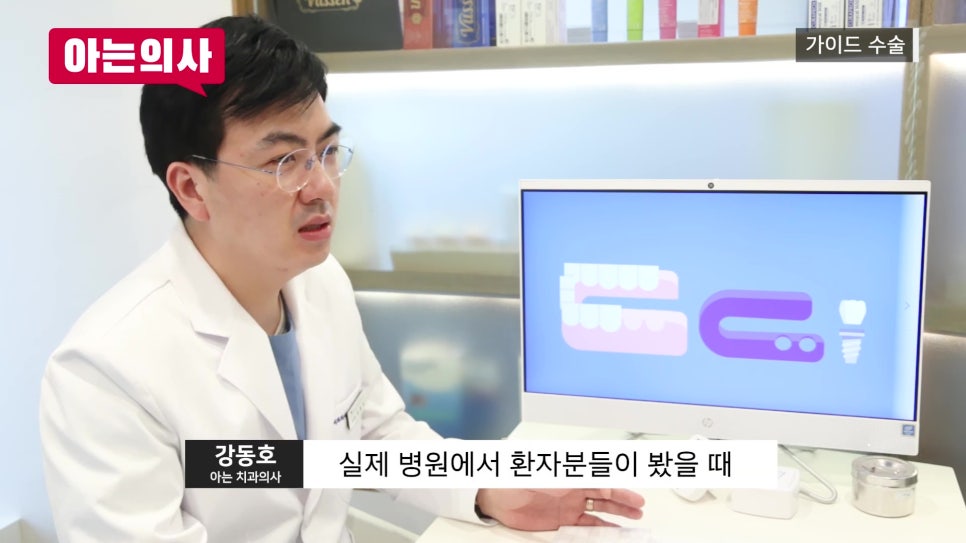
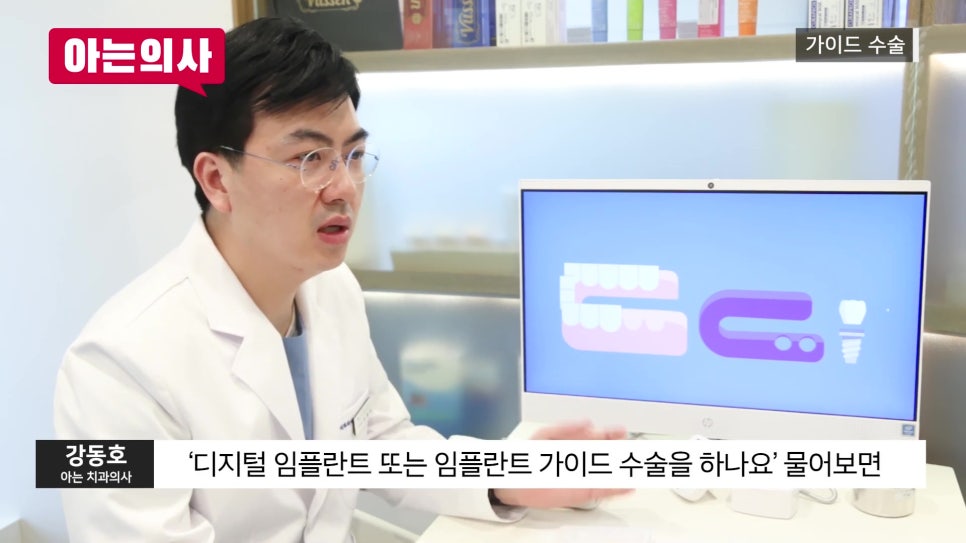
As a result, patients often ask at the clinic,
“Do you do digital implants?”
“Please do it with guided surgery.”
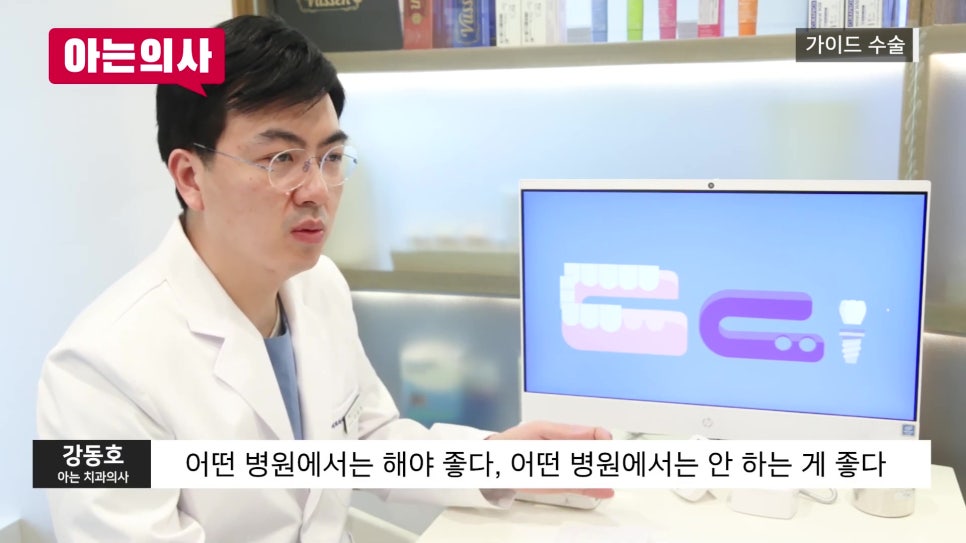
However, opinions differ from clinic to clinic.
Some places say it is absolutely necessary, while others say it is better not to use it, which can be confusing.
So today, I’d like to explain what guided implants actually involve, when they are helpful, and when they are not really necessary.
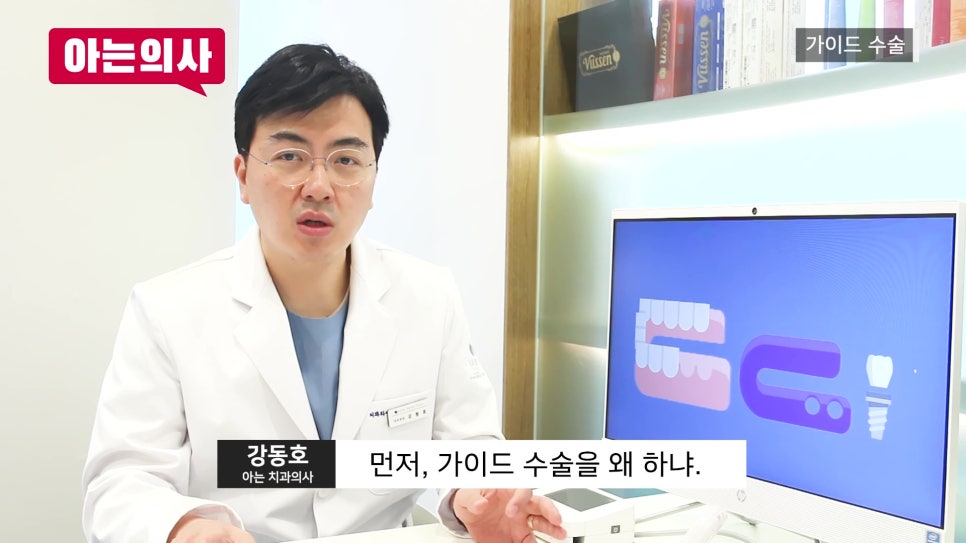
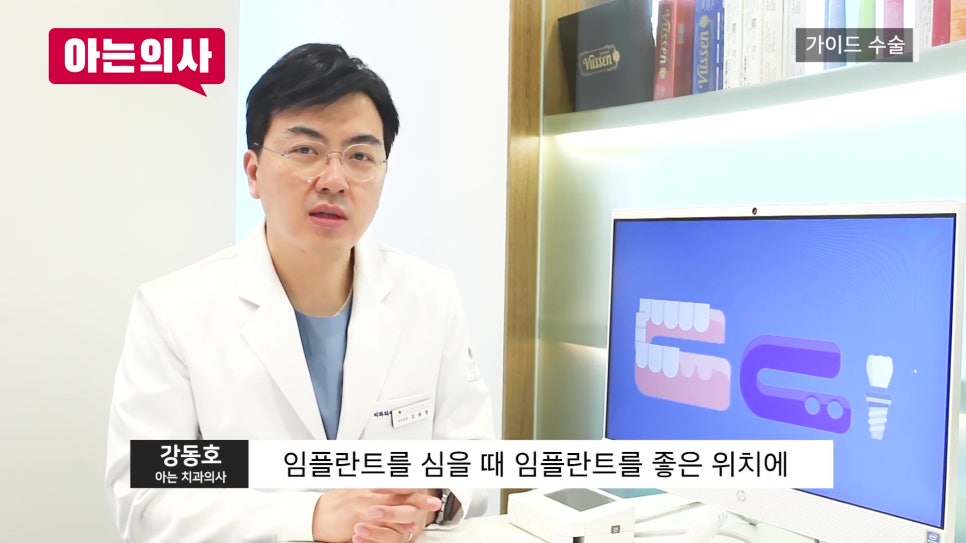
The most important thing when placing an implant is to accurately determine the root position so that the prosthetic restoration can later be placed in the best possible position.
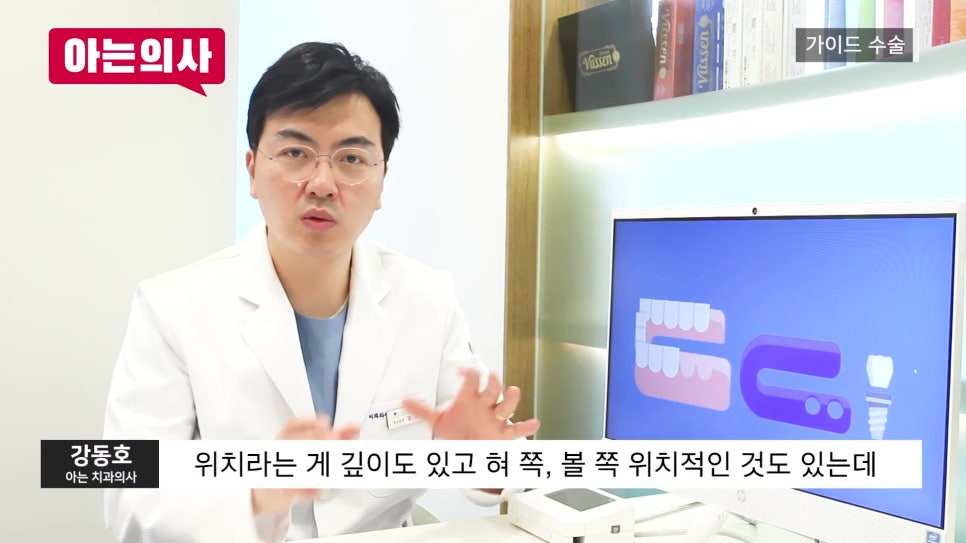
You have to consider the depth, the direction such as toward the tongue side or cheek side, the distance from adjacent tooth roots, and even avoiding anatomical structures such as nerves.
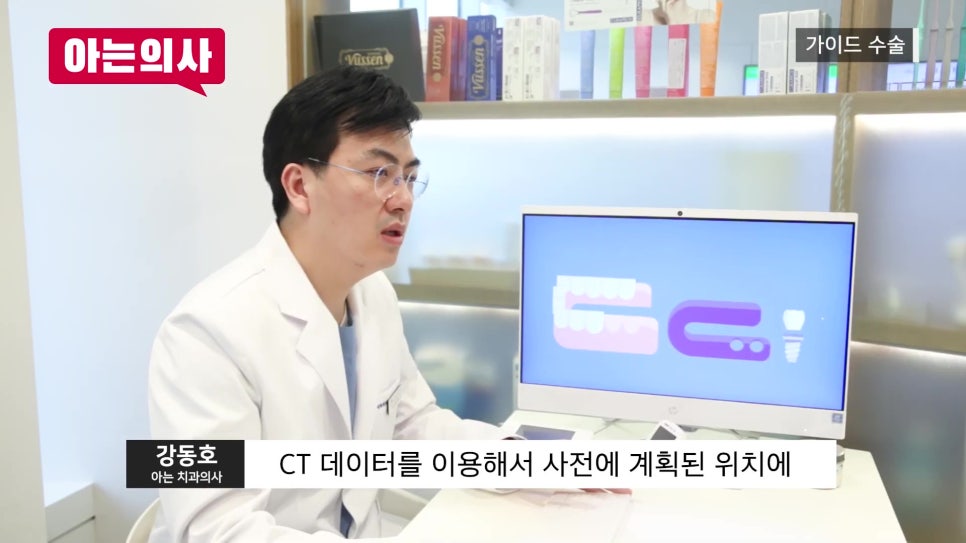
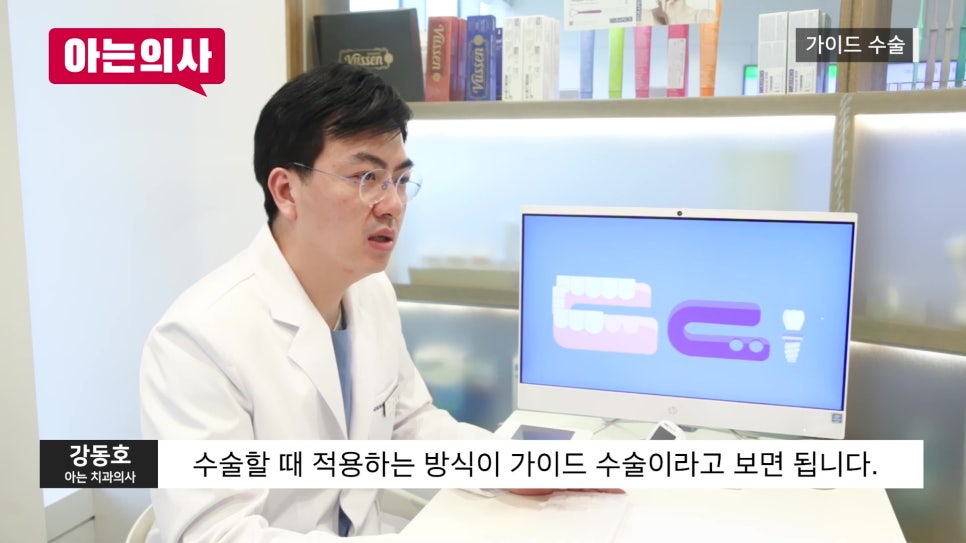
That is why guided surgery uses CT data to design the ideal implant position in advance, then uses a guide made so that the design can be implemented exactly during the procedure.
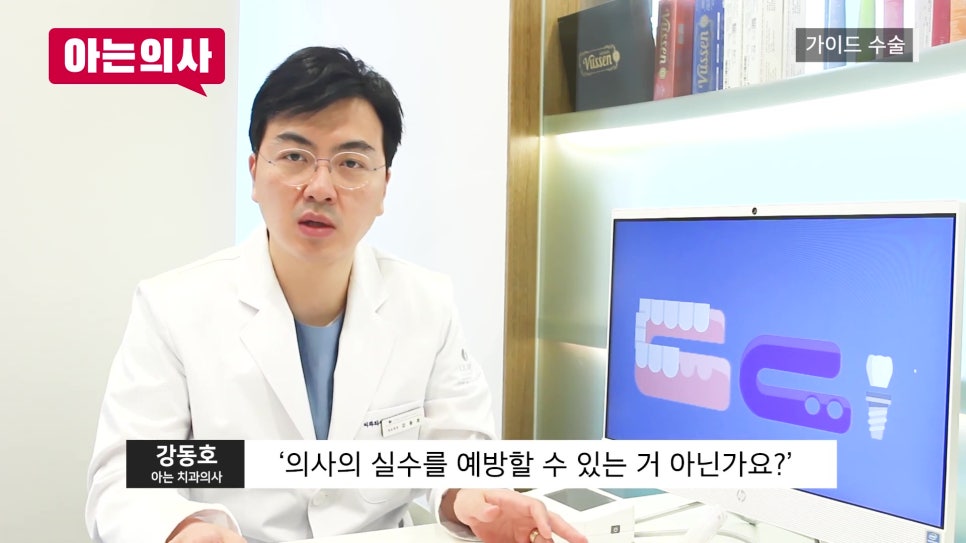
So does guided surgery always mean better results?
Many people say that since doctors are human too, reducing mistakes would be a good thing.
That is true, but it cannot always be said to be the case.
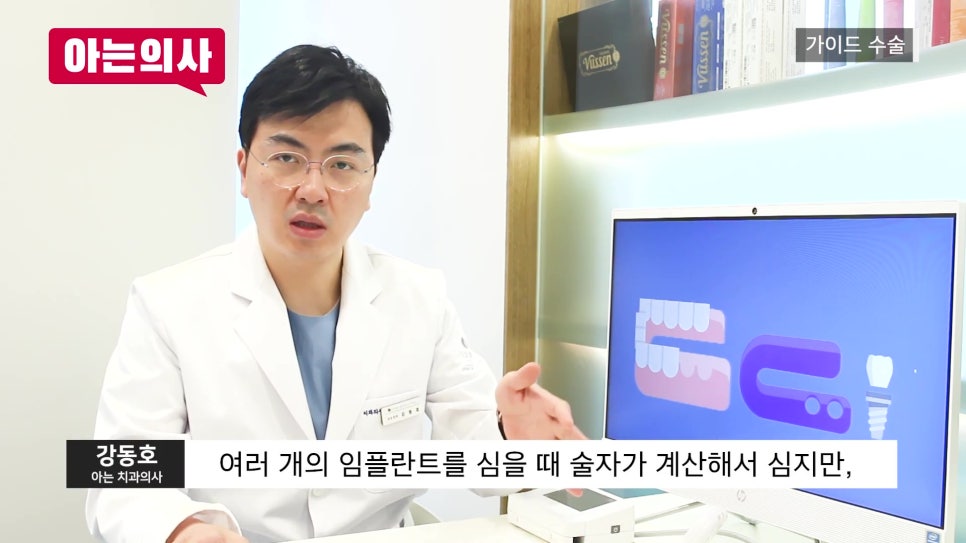
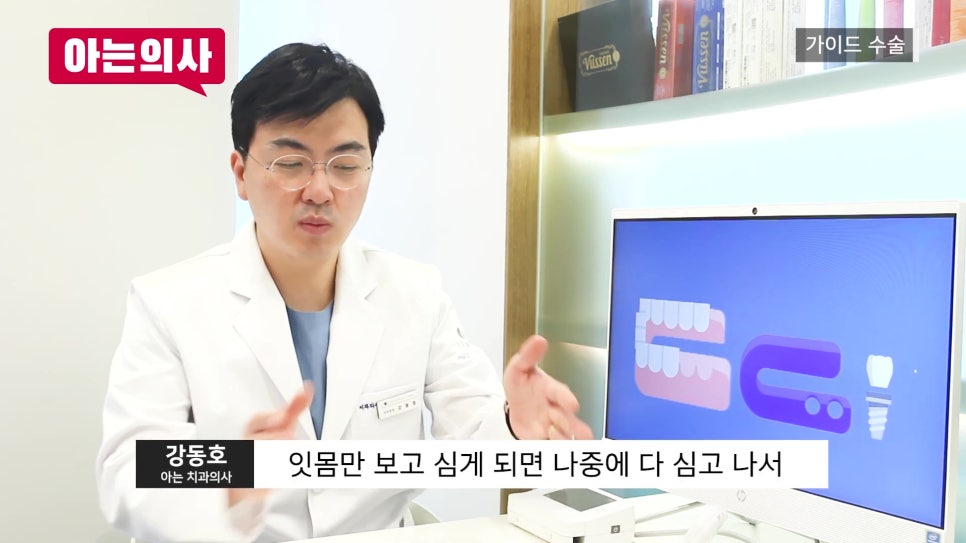
For example, if multiple implants are being placed, a guide can be very helpful.
That is because the parallelism between implants, the occlusal relationship with the upper and lower teeth, and the position of the prosthesis after restoration must all be aligned precisely.
A guide also improves stability when the bone condition is irregular or weak and there is a possibility that the drill may shift.
In fact, there are cases where implants were placed without a plan and the position ended up slightly off, making the later prosthetic work less than ideal, so in such situations a guide can be quite meaningful.
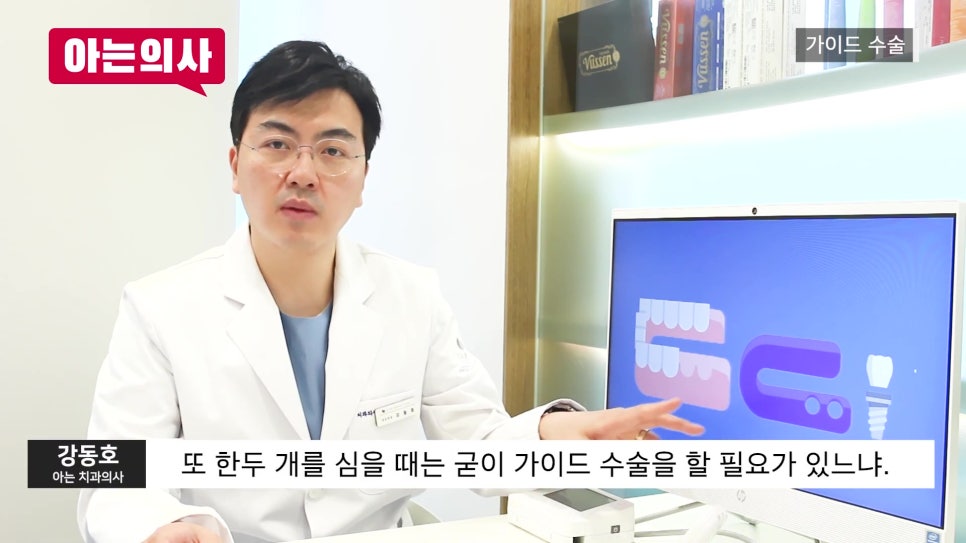
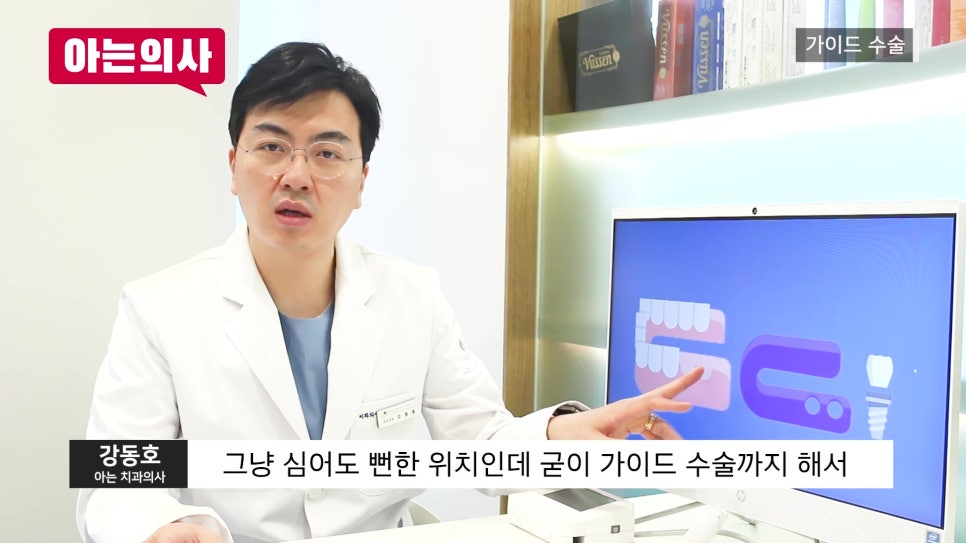
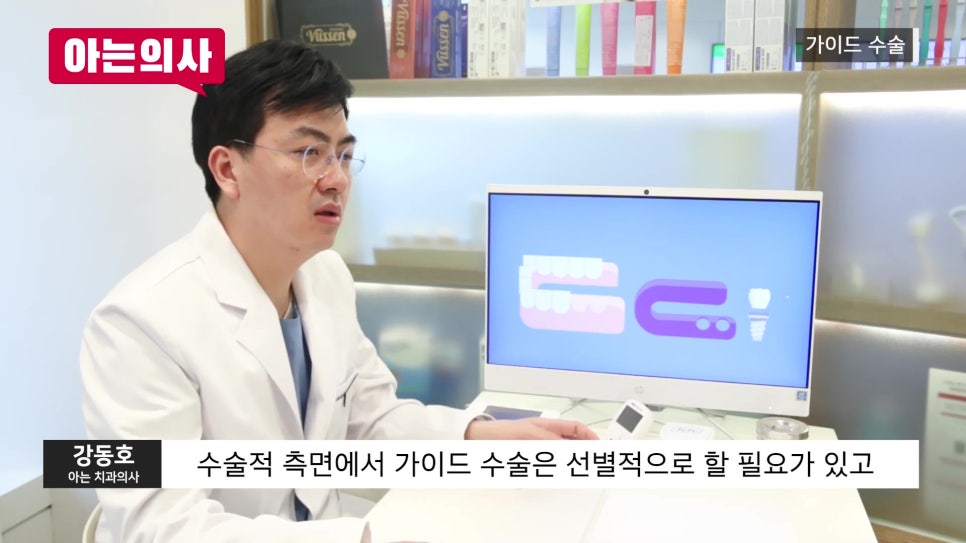
On the other hand, if it is a simple case with only one or two implants, or if the bone is very strong and the shape is stable enough to provide sufficient bone support no matter which direction the implant is placed, then there are times when a guide is not really necessary.
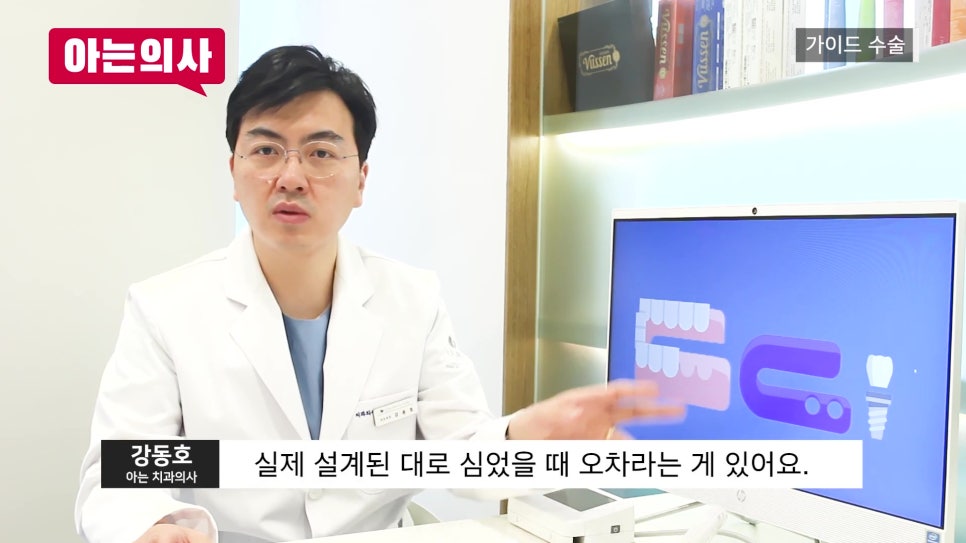
The important point is that using a guide does not completely eliminate error.
No matter how accurate the digital design is, the patient’s actual bone condition may differ slightly, and during surgery, if the guide lifts a little or does not fit perfectly, the planned position and the actual position can differ.
When a CT is taken again after placing the implant, there are actual cases where the position deviates by about 1–3 mm to the left or right from the plan.
Even if there is no major problem with depth, if the direction changes slightly, there are cases where the implant ends up being placed toward the thinner side of the bone compared with the original plan.
Doctors who have had many such experiences sometimes say, “Even with a guide, errors can happen, so it may actually be more accurate to see directly and place it by hand.”
That is why some directors prefer not to use guided surgery and instead favor surgery performed with their own experienced sense of touch.
On the other hand, there are also doctors who believe that a guide is very helpful in some cases.
In the end, opinions can differ depending on the situation.
To sum up, digital implants, that is, guided surgery, are simply one of several ways to place implants, and they are not absolutely necessary for every patient.
They are clearly helpful when placing multiple implants or when the bone condition is poor, but in simple cases, there are also situations where they are not really needed.
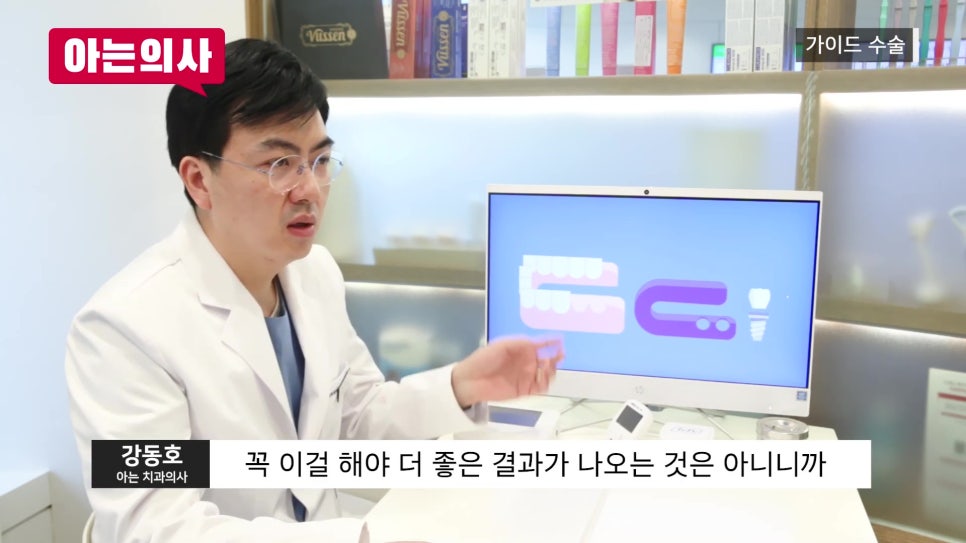
So there is no need to insist, “It must be done with a guide” at the clinic, and it is better to understand that the dentist will assess the case and suggest it when appropriate.
This has been Yonsei Uline Dental Clinic in Sillim-dong, Gwanak-gu.