Hello. I am Kang Dong-ho, the chief director of Yonsei Uline Dental Clinic, Sillim-dong branch, near Sillim Station in Sillim-dong, Gwanak-gu.
When a dental clinic recommends an extraction, many people
first say this.
“Why do I need to pull it if it doesn’t hurt?”
“It’s not even loose yet—can’t I keep using it?”
From the patient’s perspective, that is a very understandable reaction.
If there is no pain and no major inconvenience in daily life,
it is not easy to accept being told
that the tooth needs to be extracted right away.
However, in dentistry,
decisions are not made based only on the current condition.
We look at the degree of tooth mobility, the condition of the gum bone,
the shape of the tooth root, and whether it can be managed in the future,
and make an overall assessment.
Even if it looks fine on the outside, if bone resorption in the gums has already
progressed significantly, there are cases where the condition is likely to keep worsening
even with treatment.
Especially if inflammation keeps recurring or chewing food remains uncomfortable,
an extraction may be considered.
The problem is that in many cases, this condition does not appear initially as severe pain.
So patients end up thinking, “It’s still usable,
so why take it out?”
But if you force yourself to keep a tooth in poor condition,
the surrounding teeth can also be affected.
In many cases, what could have been handled with the extraction of one tooth
turns into a bigger problem involving damage to the gum bone of the adjacent teeth,
spreading to two or even three teeth.
Also, when one tooth becomes uncomfortable,
people tend to chew only on the other side, and over time
even the teeth on the healthy side can be overloaded.
In the end, the overall balance of the bite is disrupted,
and the scope of treatment often becomes larger and larger.
Even if only one tooth is extracted, over time
the neighboring teeth may tip into the empty space
or shift.
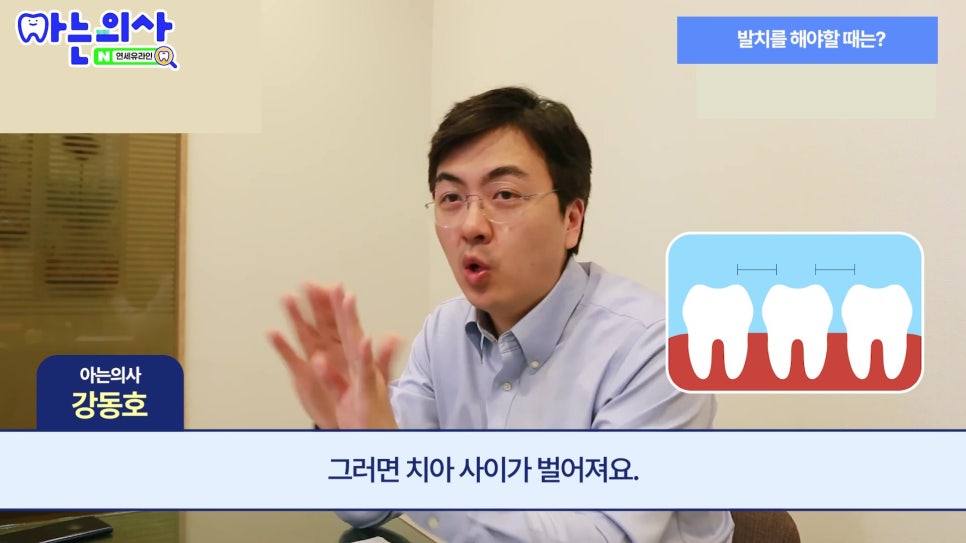
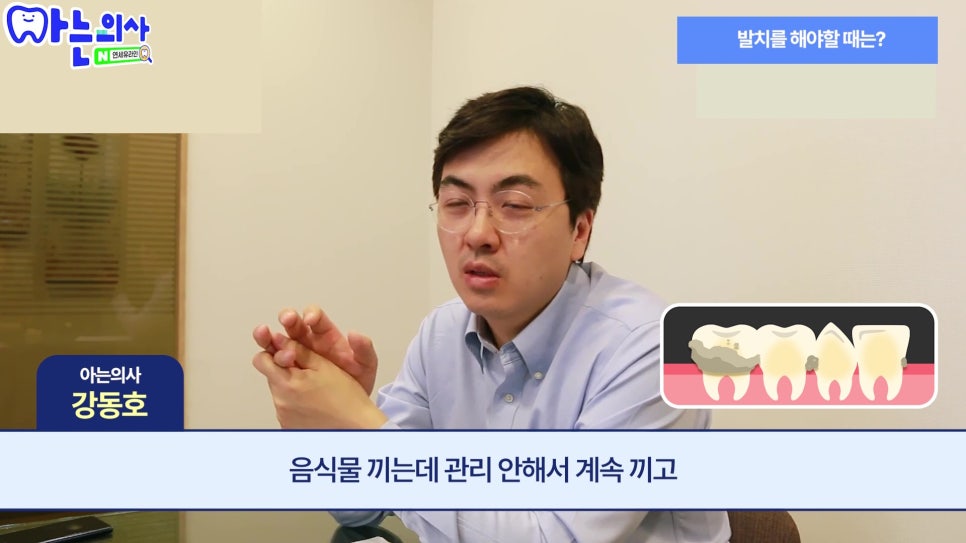
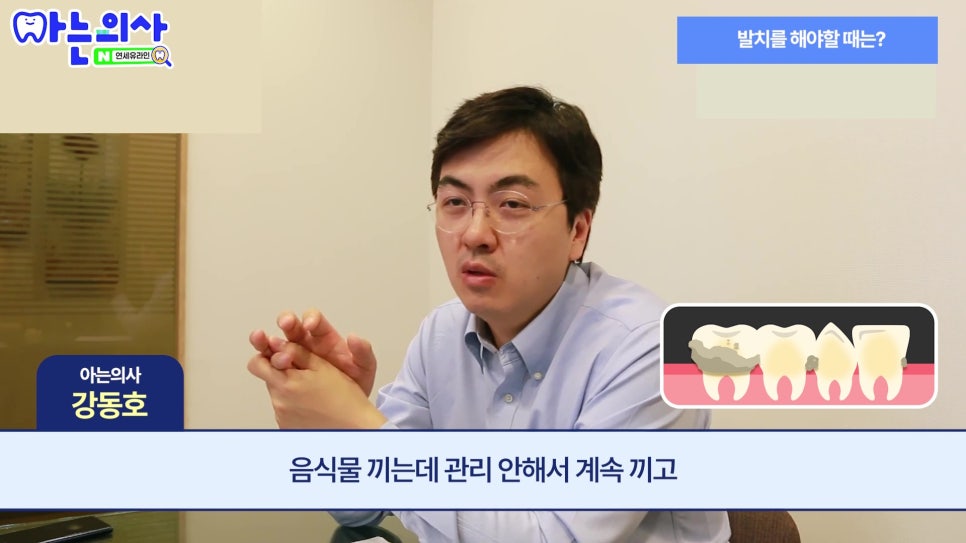
Then food gets trapped more easily,
management becomes more difficult, and the gum condition
can become worse again.
But because these changes progress gradually,
it is often difficult for patients to notice them early.
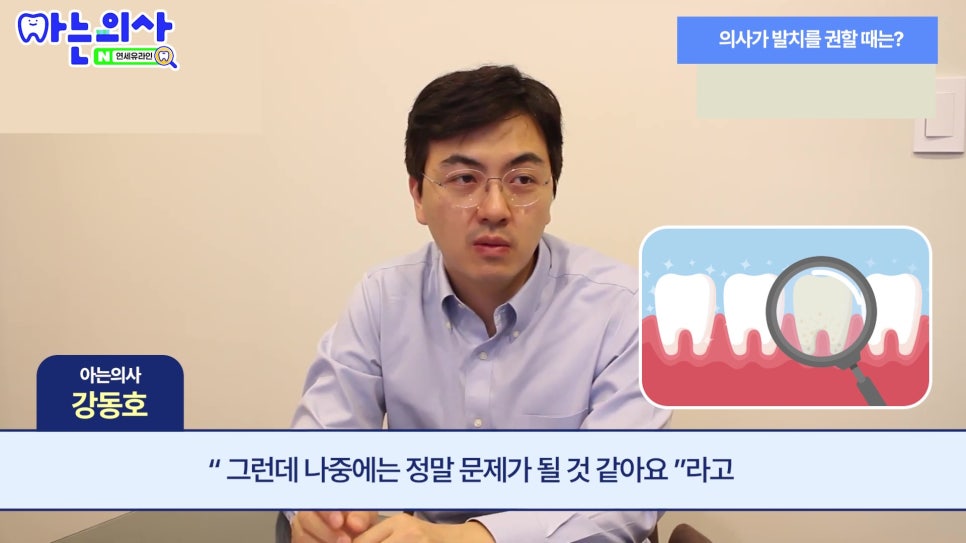
That is why dental clinics place more importance on how the condition will progress in the future
than on whether it hurts right now.
Even if it looks fine at the moment, if there is a high chance it will lead to a bigger problem,
we explain that in advance and recommend preparing for it.
In many cases, patients initially say, “Let’s watch it,”
but later return after pain or discomfort develops.
By then, the condition has often progressed further,
and in many cases, extraction and additional treatment
become necessary in the end.
Even when considering denture treatment,
the number and balance of the remaining teeth are important.
If teeth remain only on one side or the supporting structure is unstable,
excessive force can be concentrated on the remaining teeth,
which may cause them to deteriorate more quickly.
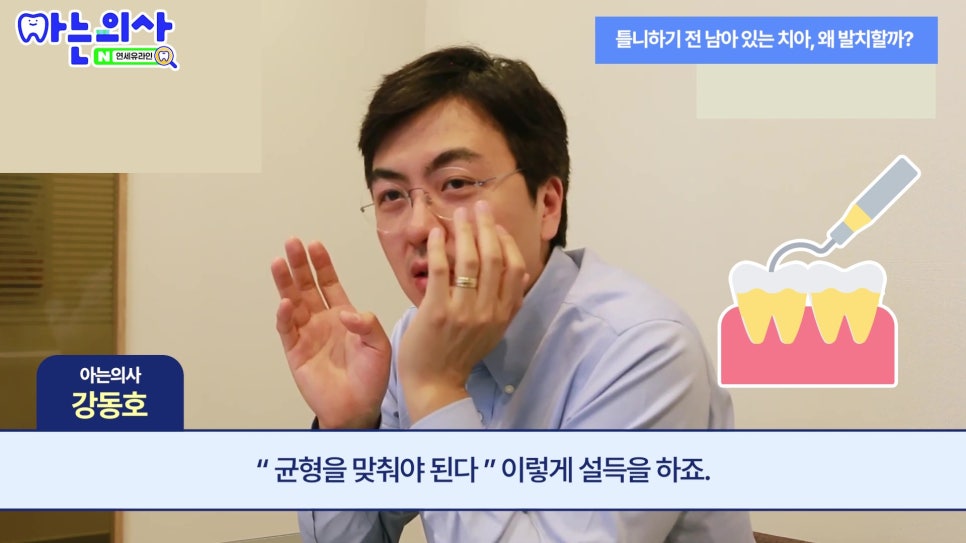
In such cases, rather than forcing the preservation of some teeth,
a treatment direction that considers overall balance
may lead to better results.
An extraction is a burdensome decision for anyone.
However, it is often not just a matter of “it doesn’t hurt right now, so it’s fine,”
but one that also requires considering future changes
and the overall condition of the mouth.
So when a dental clinic recommends an extraction, it would be good to keep in mind
that the decision is being made with future problems
as well as the present situation in mind.
This has been Yonsei Uline Dental Clinic in Sillim-dong, Gwanak-gu.