Why don’t implants rust?
Hello, this is Seok Plant Dental Hospital.
When undergoing implant treatment,
some people may also worry
whether the implant might rust.
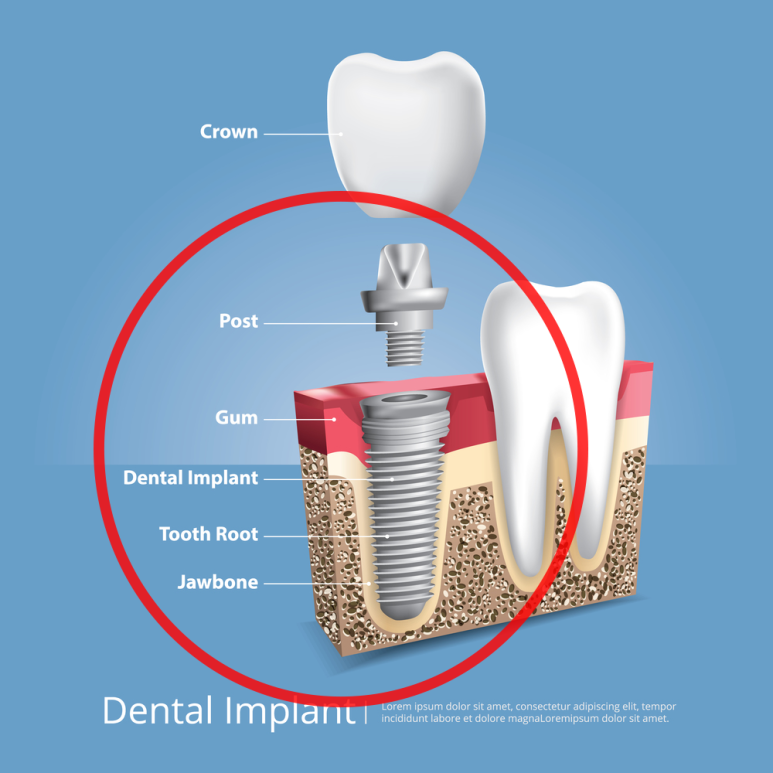
Shall we first look at the structure of an implant?
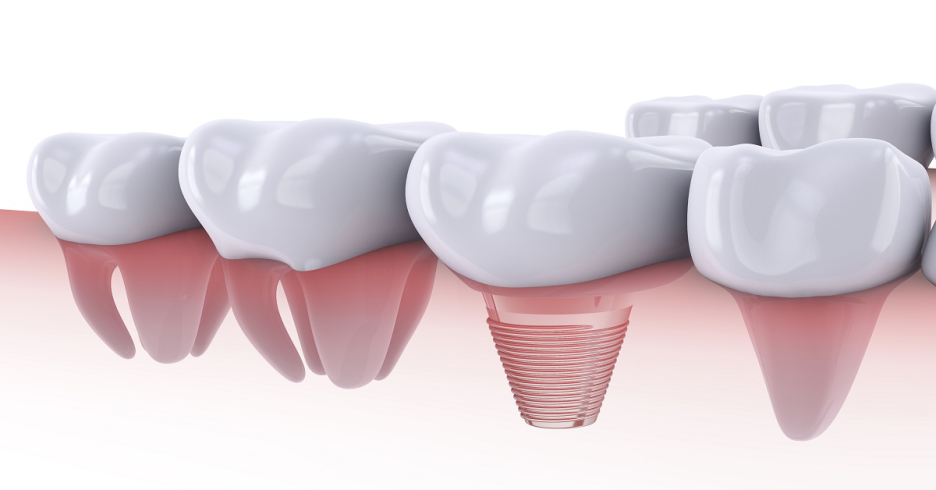
An implant can be broadly divided into three parts.
① The implant “fixture,” which is placed into the bone and acts as the tooth root
② The “abutment,” which connects to the fixture and supports the upper prosthetic
And
③ The “crown,” which is directly used for chewing and is visible to the eye
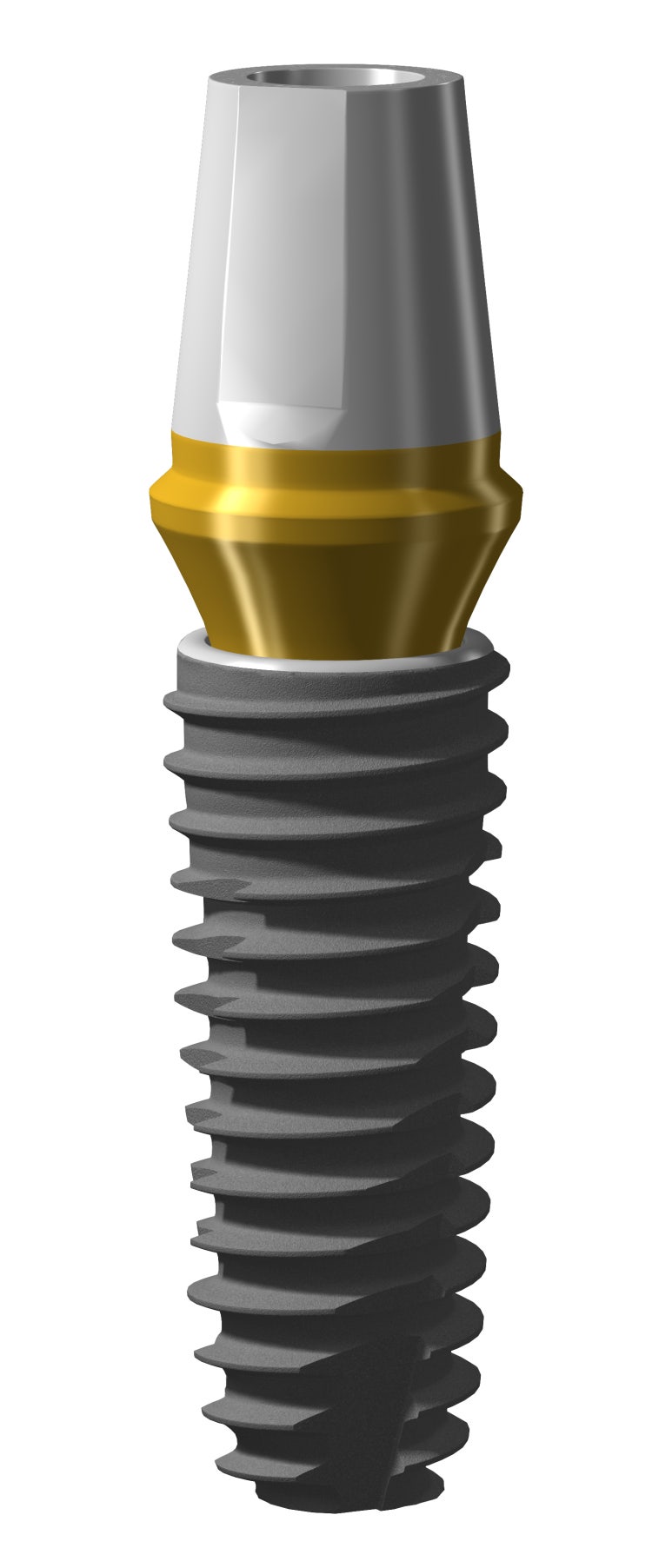
Among these, the implant fixture that serves as the root
is made of metal, so some people may wonder whether it could rust.
The metal used in implants is called titanium.
Titanium forms an oxide layer on its surface and has a stable structure,
so it does not rust.
For this reason, it is also widely used in other medical fields,
such as orthopedics, general surgery, and plastic surgery.
Because titanium is a metal, it may appear on X-rays and other images,
but there is no issue such as being detected by a metal detector.
That’s it!
As of this year, Seok Plant Dental Hospital is in its 16th year since opening,
and the entire 1st to 14th floors of the building are used as treatment space
for implants.
For more advanced treatment,
it has a systematic collaborative care system.
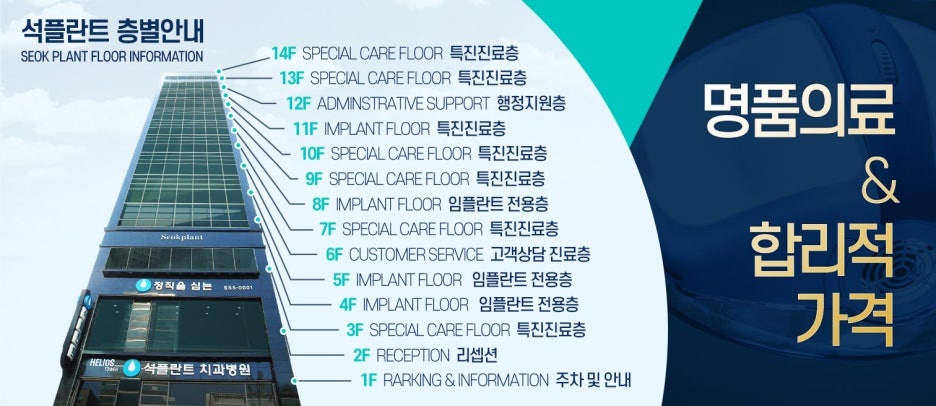
Seok Plant Floor Guide
In addition, all treatment rooms
are operated as private rooms for one person,
providing a more comfortable and safe
treatment environment.
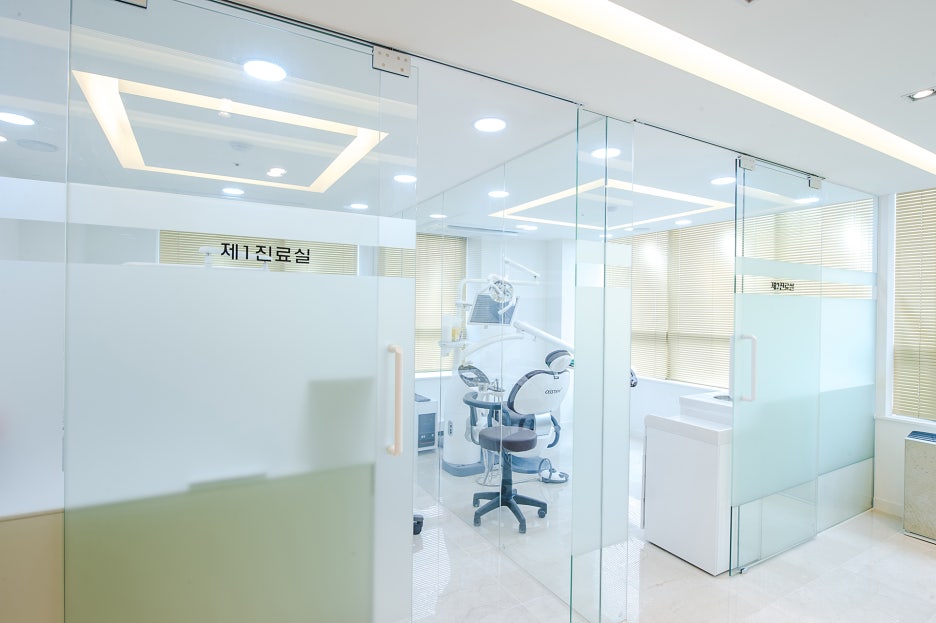
Private treatment rooms for one person
If you are considering implants,
please take a look at Seok Plant Dental Hospital’s implants.
Seok Plant Dental Hospital
Since opening in 2007,
as of July 2022,
the cumulative number of implant placements has reached 340,000.

Implant placement count piled higher than Mt. Baekdu
If the 320,000 implants placed at Seok Plant
were stacked by height,
they would be taller than Mt. Baekdu,
which shows that we have extensive experience
in implants.