Implants mean Seokplant!
This is Seokplant Dental Hospital.
Implants are an excellent solution that replace missing teeth and help many people regain the joy of chewing. If you had to point out one of the few drawbacks of implants, the cost would be a significant one.
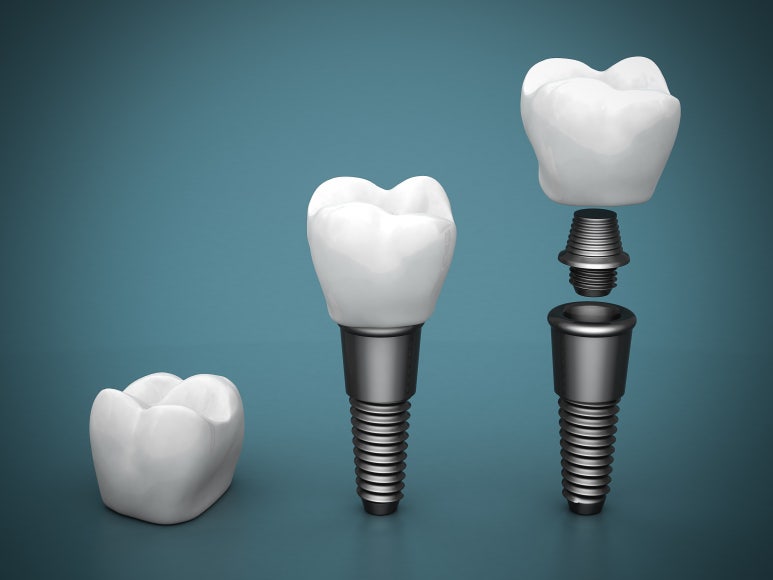
Since you spend a lot of money on them, you need to be careful about peri-implantitis if you want to use your implants for a long time. So today, let’s look at the characteristics of peri-implantitis and how to prevent it.
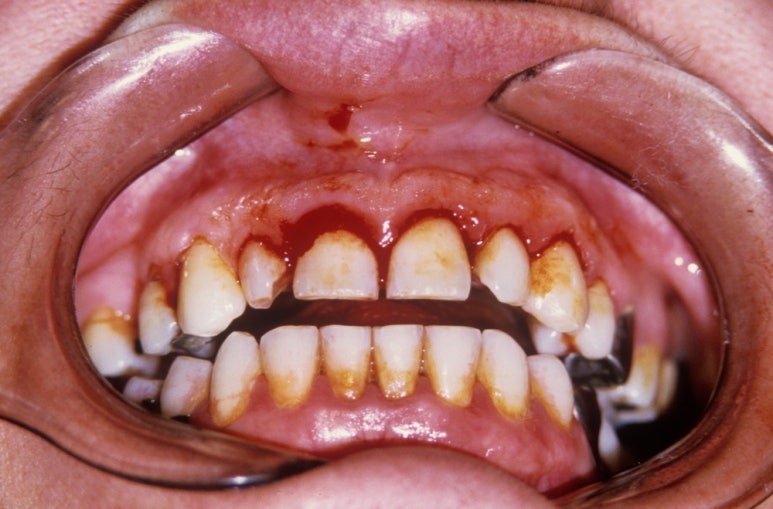
What is peri-implantitis?
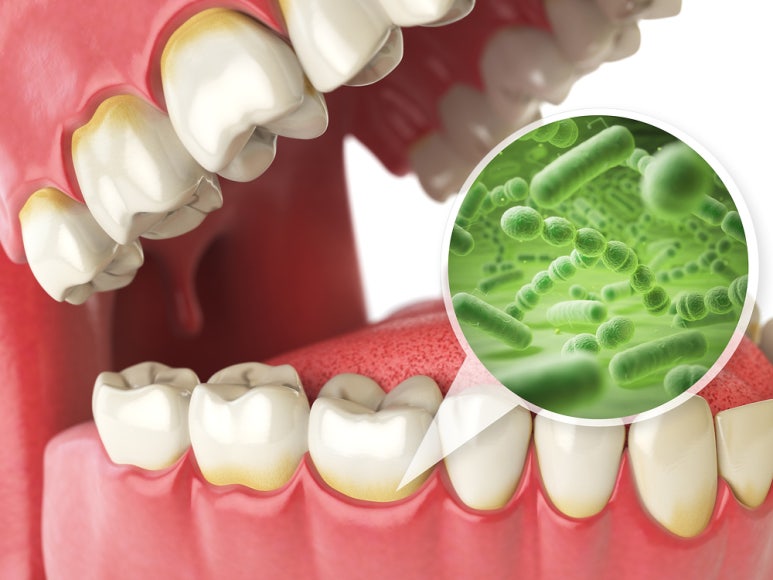
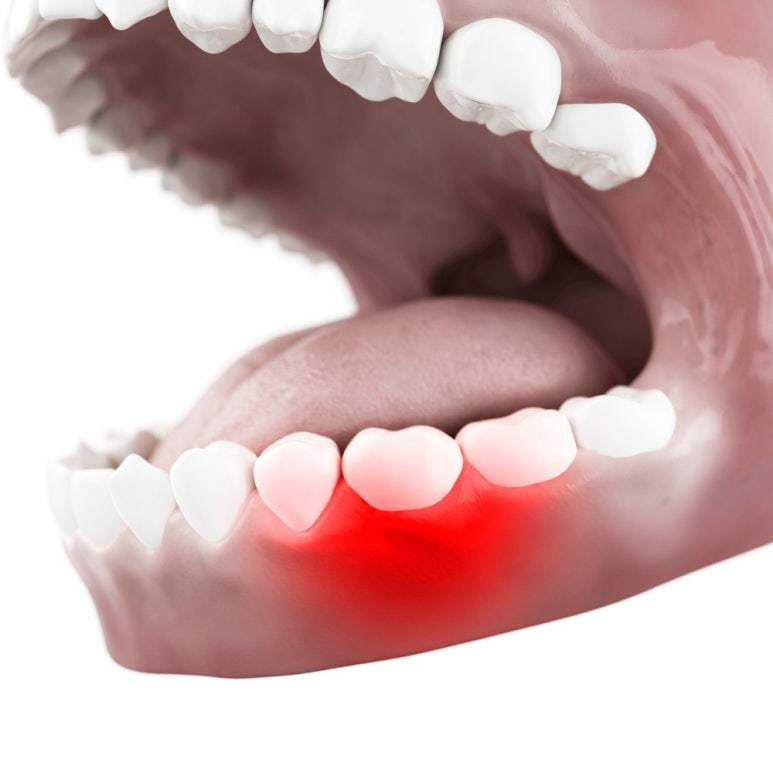
Peri-implantitis can occur due to poor oral hygiene and shows symptoms similar to periodontitis. These symptoms include blood and pus coming from the gums, along with bad breath, swelling, and pain in the gums.
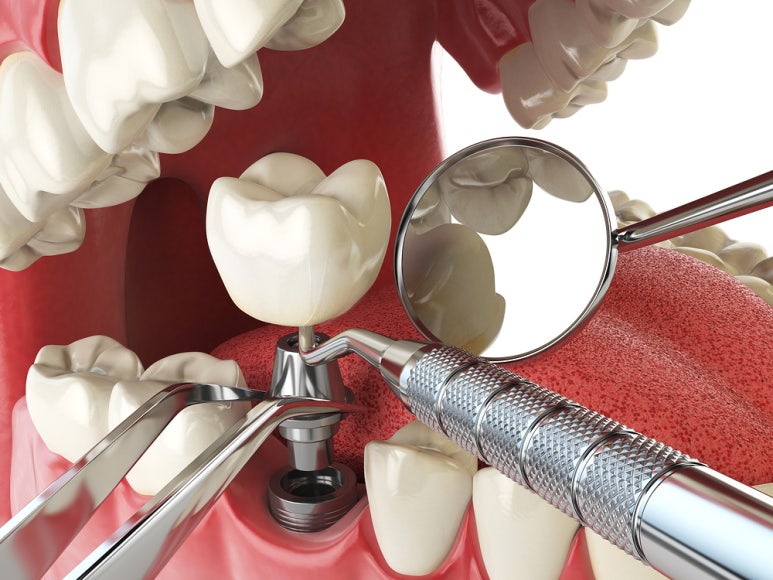
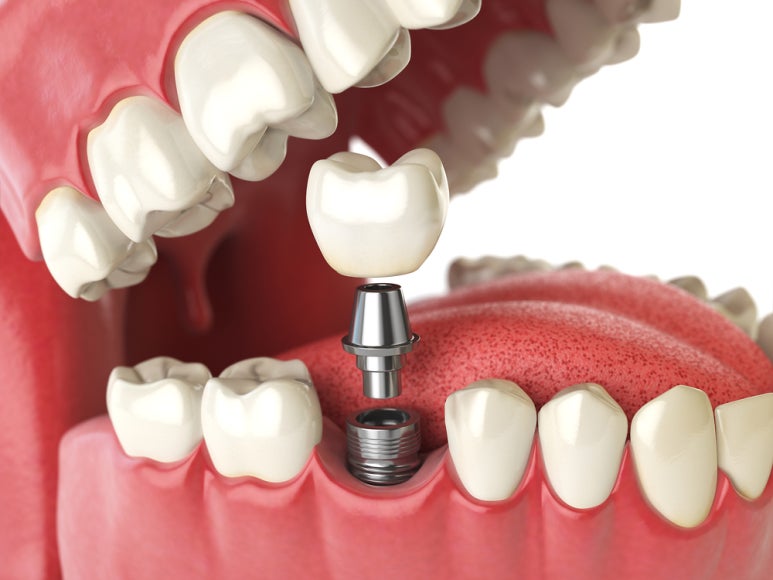
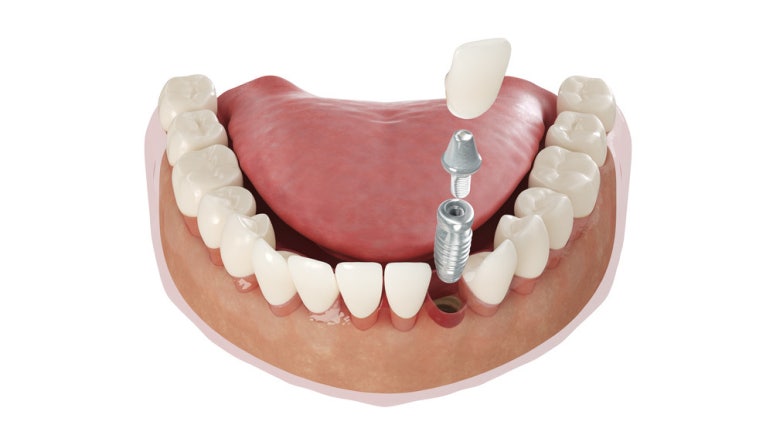
The most dangerous symptom of peri-implantitis is implant mobility. Mobility in an implant is completely different from tooth mobility. There are two main causes of implant mobility.
Previous image
Next image
First, the implant may shake because a screw that makes up the implant has loosened. In this case, the problem can be solved by tightening the screw again at the dental clinic.
Previous image
Next image
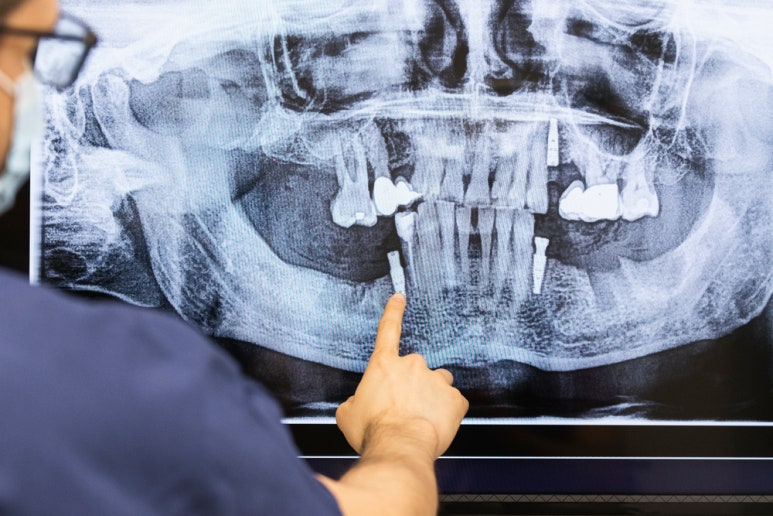
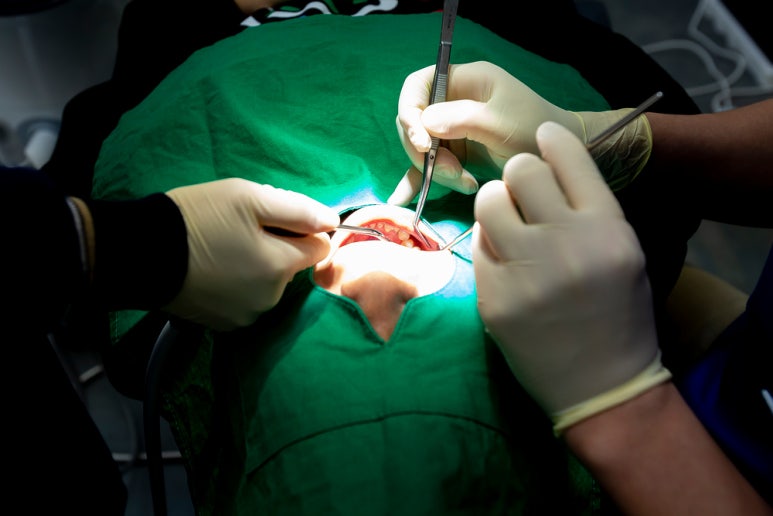
Second, the bone integration between the implant and the alveolar bone may be destroyed due to peri-implantitis or other causes. In this case, the implant must be removed, and if necessary, bone grafting should be performed.
Who needs to be more careful?
Peri-implantitis can occur in anyone, but it may appear more frequently due to certain factors. For example, people with a history of periodontitis are said to have about four times higher risk of developing peri-implantitis than the general population. If an implant is placed after a tooth is extracted due to periodontitis, the risk of peri-implantitis is higher.
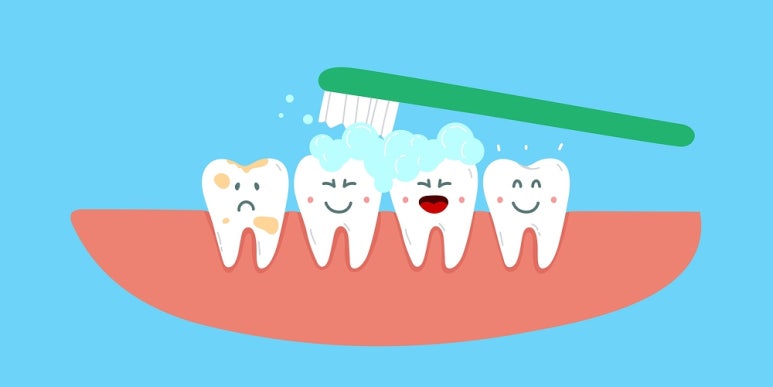
People with poor oral hygiene habits are also vulnerable to peri-implantitis. If the oral hygiene habits that cause periodontitis are not improved, the likelihood of peri-implantitis increases. In addition, people who do not receive regular dental checkups may also have a higher risk of developing peri-implantitis.

Previous image
Next image
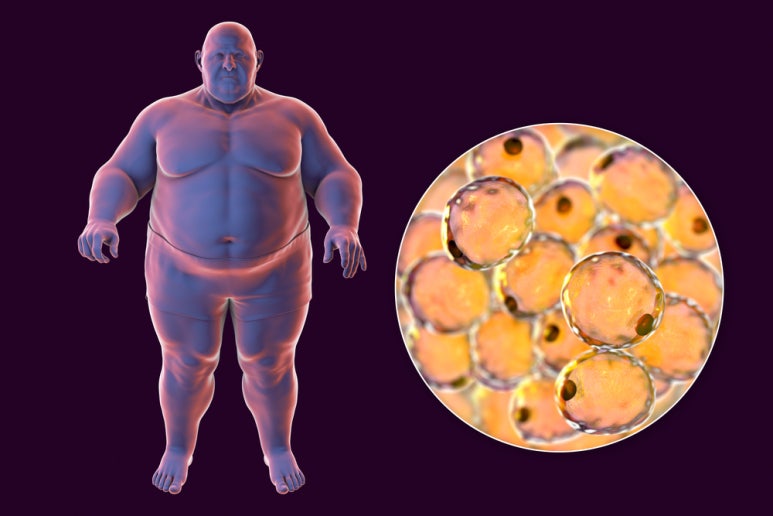
Patients with diabetes and smokers should also be careful, as they can negatively affect the development and treatment of peri-implantitis.

Previous image
Next image
How should peri-implantitis be treated?
In the early stages, inflammation can be suppressed through medication. However, this is not a complete solution either, and it must be supported by thorough oral care.
If the inflammation is severe, surgery may be necessary. Depending on the extent of bone damage around the implant, surgery may be performed to make an incision in the gums and disinfect the implant. Bone grafting may also be performed if necessary. Because of the screw structure of the implant, the surgery is difficult, making it hard to achieve satisfying results like those of ordinary tooth treatment.
What lifestyle rules should be followed after implant placement?
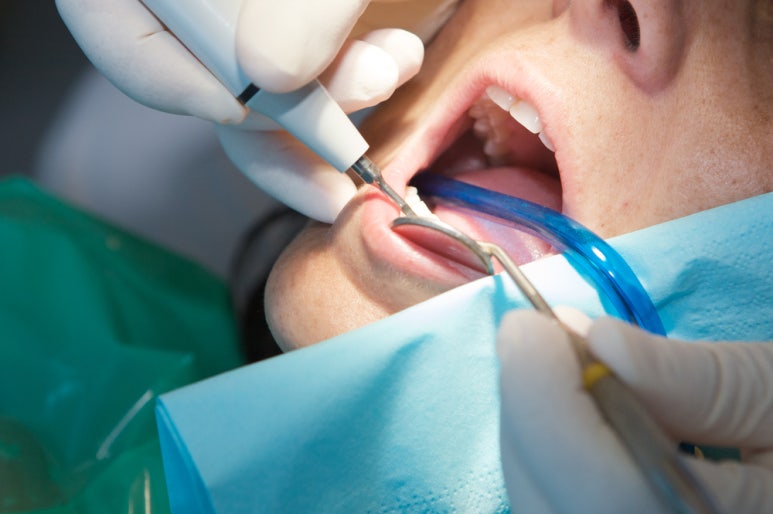
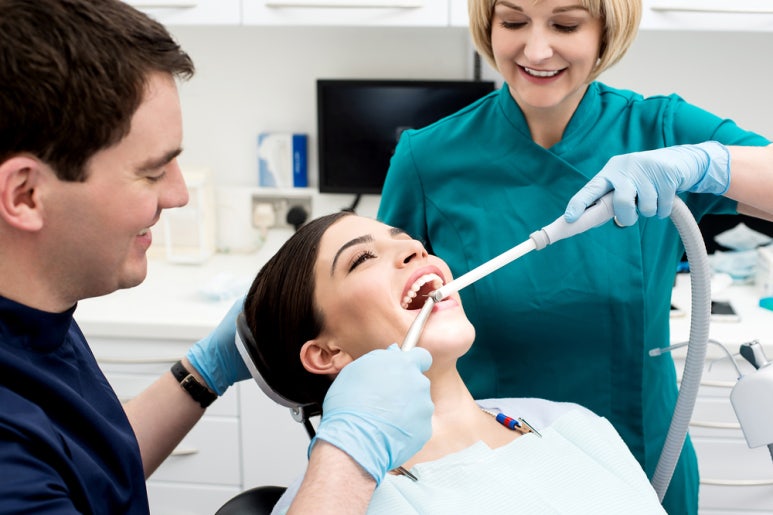
Ongoing care is still necessary even after an implant is placed. Regular dental checkups are extremely important, and one scaling session per year is provided free of charge, so we strongly recommend that you receive it. When you go for a dental checkup, it is also important to take X-rays as needed and continuously monitor the condition of the alveolar bone.

Oral hygiene must always be managed thoroughly. Implants do not develop cavities and are permanent, but you still need to pay attention to oral hygiene. Brush carefully, and use dental floss or interdental brushes to remove food debris.
If you care for your implant with the mindset that it is the last tooth you need to protect, you will be able to keep your teeth healthy for a long time. Fighting!