

In the past, in an experiment conducted by a domestic university research team in Korea involving 300 fourth-grade elementary school students in Seoul, it was found that drinking 100% pure green tea at 10 a.m. and after lunch reduced the bacteria that cause cavities, leading to the conclusion that it is effective in preventing cavities. As a result, “drinking green tea three times a day” once emerged as a new topic of interest for children’s cavity prevention.

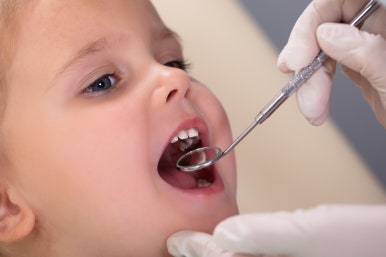
Cavities commonly occur in children around the ages of 10 to 11, and oral care at this time is known to determine oral health for life. However, green tea for cavity prevention has already been omitted, and it has limitations when it comes to addressing tooth problems once cavities have already formed.
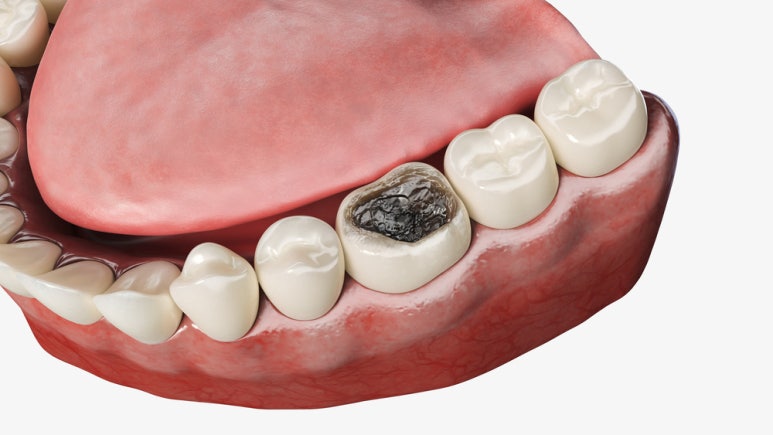
When a cavity develops, a black line can usually be seen on the tooth with the naked eye. If the cavity continues to progress, it causes pain, and the decayed area of the tooth extends to the nerve tissue. Because of this, it affects the nerve tissue, causing it to die, and creates inflammation at the tip of the tooth root. In addition, food gets stuck in the gaps of the decayed area, worsening the cavity further and causing an uncomfortable foreign-body sensation in daily life.
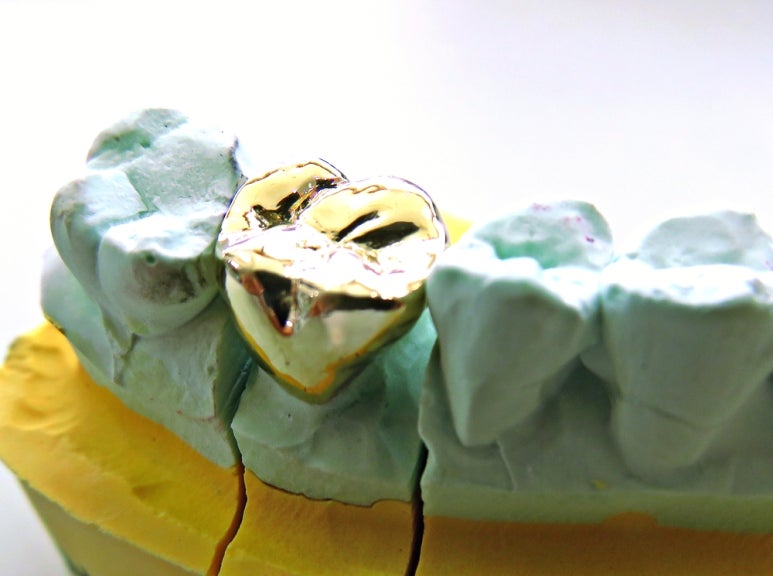
As a solution for damaged cavities, an “inlay” appears. Experts introduce it by saying, “There is a treatment method called an inlay that helps improve the functional and aesthetic aspects of teeth damaged by cavities and aids in restoring oral health.”
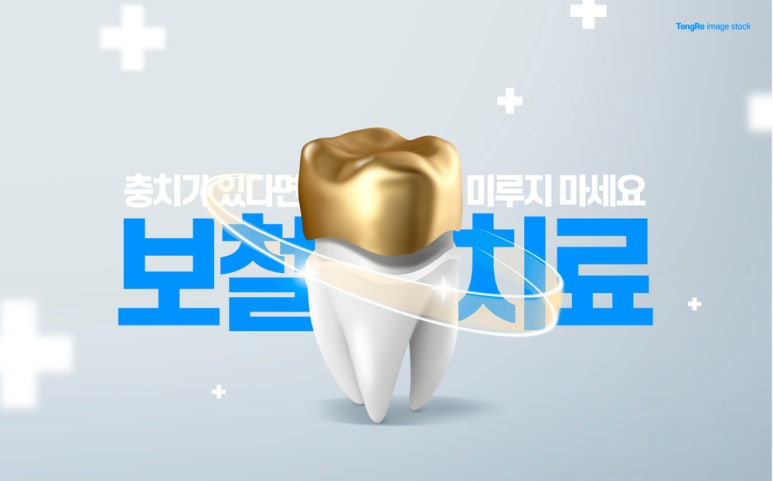
Gold inlays and resin inlays are mainly used. Gold inlays have strength and hardness similar to natural teeth and have the advantage of not corroding in the moisture of the mouth. Resin inlays are a treatment method in which a reinforced plastic that is harmless to the human body is attached to decayed or fractured areas, and they are effectively used because they have strength similar to gold inlays.

However, they have the drawbacks of lower strength and material shrinkage for wide carious areas. Experts advise, “For children’s dental health, proper brushing and regular dental checkups are important,” and “it is best when careful parental management is also accompanied in everyday life.”