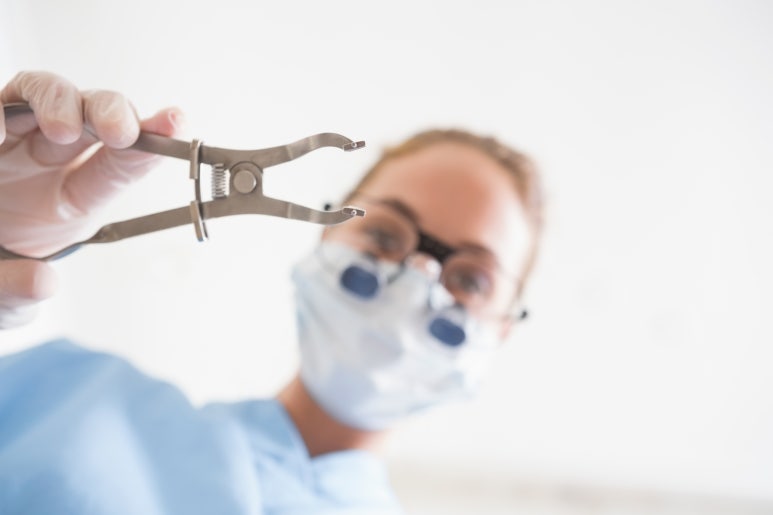
Mijin (58, pseudonym), an office worker who loves drinking, is a heavy drinker who always answers the call to go out for drinks, and by the end of the year she has so many year-end parties that her glass is never empty. Then one day, Mijin began to feel severe pain coming from her right molar.
What she had brushed off as pain from a tooth crowned with gold two years earlier eventually came back as a major problem. At the dental clinic she visited, Mijin heard an unexpected diagnosis. The cavity was so severe that the tooth had to be extracted.


The cause was alcohol. Alcohol has a major effect on cavities. Drinking for reasons such as relieving stress can have a significant impact on teeth. In particular, fermented drinks such as makgeolli and beer are known to have a high likelihood of causing cavities because a large amount of sugar is added during the manufacturing process.


Not only that, but the snacks enjoyed with drinks also contribute to cavities. Soups and stews often use a lot of seasonings such as salt and red pepper powder, which increase sodium intake and can cause cavities. In particular, hot soup or hard, chewy snacks can weaken the gums as well as cause tooth wear.
How should tooth loss caused by untreated cavities be addressed?
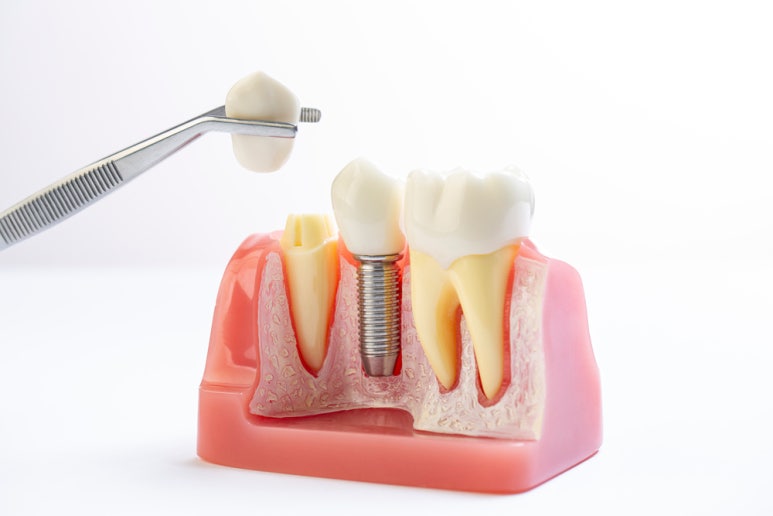
Like Mijin, many people leave cavities untreated even when the condition could be resolved with simple treatment, and as a result, they end up losing teeth. Even if a cavity has already been treated, neglecting proper care can allow the tooth to continue decaying and eventually require extraction. The gap left by a missing tooth should be replaced with an appropriate prosthetic, selected with chewing ability and aesthetics in mind.
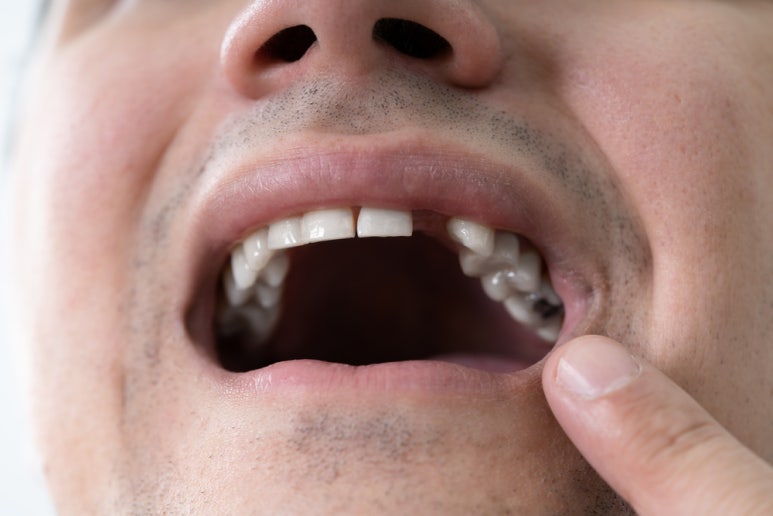
You might think it is fine to leave the extracted space as it is, but if a lower tooth is missing, the upper tooth may descend, and if a front tooth is missing, the back teeth are likely to tip forward. Experts emphasize that "leaving a missing tooth as it is not only looks unattractive cosmetically, but also disrupts tooth alignment, so it is not good."
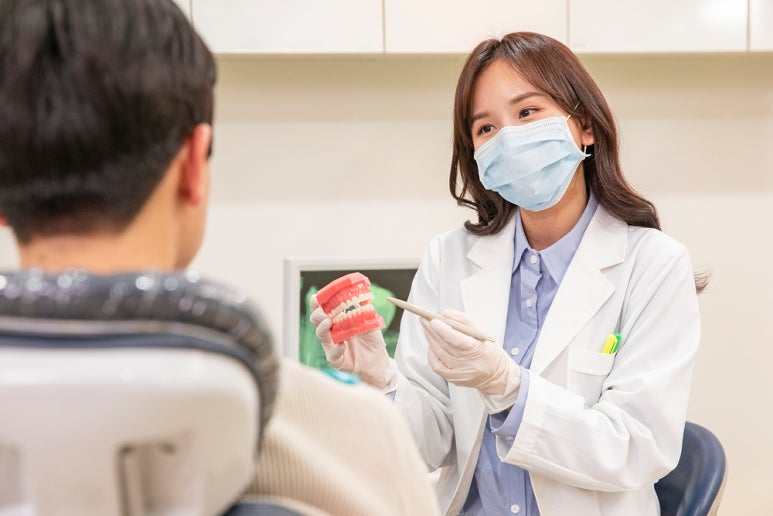
Experts recommend considering implant treatment. This is because implants do not require sacrificing healthy teeth and can restore function and shape that are very similar to natural teeth. In addition, because they are supported by bone tissue, there is no need to worry about problems such as loosening or gum pain.
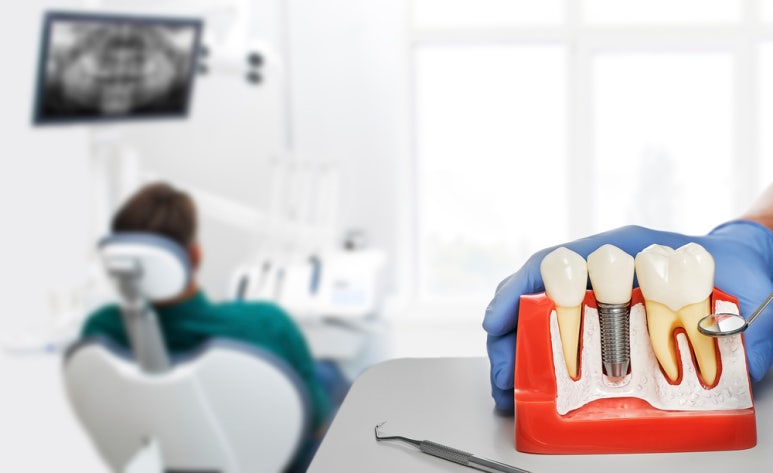
Experts explained, "A prosthetic should restore tooth function, aesthetics, accurate speech, and overall oral health," adding that "implants are a relatively efficient treatment method compared with bridges or dentures, which do not require removal of healthy teeth."

Implants are no longer a choice only for older adults. Above all, the best way to prevent tooth loss is to receive regular cavity treatment. However, if you have already lost a tooth due to cavities, it is advisable to consider implant treatment as an effective way to improve the situation.