
Hello! Today, I’d like to talk about the connection between dementia, one of the diseases people worry about most as they age, and dental health. Prevention is important for dementia, but did you know that dental health is just as important?

The relationship between dental health and dementia
Dental health can affect not only quality of life in old age, but also the occurrence of dementia. According to research by Professor Kim Hyun-deok’s team at Seoul National University School of Dentistry, leaving missing teeth untreated increases the risk of cognitive impairment by as much as 2.7 times. Gum disease, which commonly occurs after middle age, can lead to tooth loss, and if it is not treated in time, brain function may decline.

Problems caused by missing teeth
When you are missing teeth, your ability to chew food declines, making it difficult to maintain a balanced diet and supply the nutrients needed for brain activity. In addition, as people tend to choose softer foods, chewing strength weakens, blood flow to the brain decreases, memory and cognitive function weaken, and the risk of dementia increases. Therefore, maintaining a basic number of teeth is very important for a healthy later life.
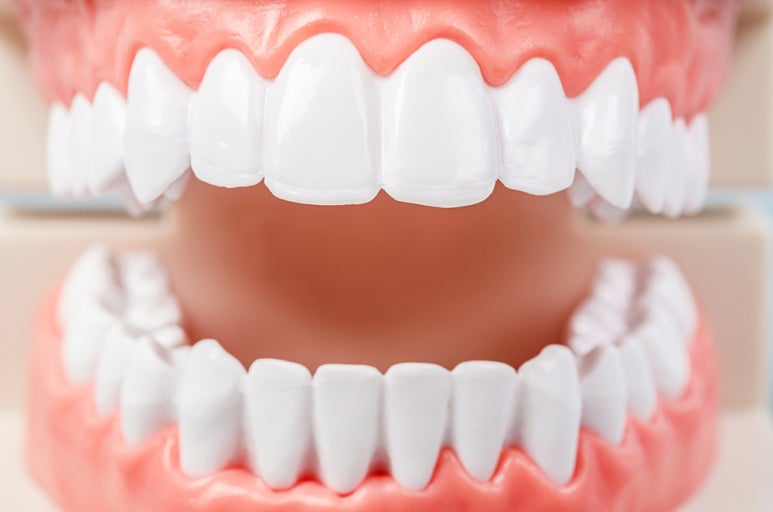
To be able to chew and swallow rice and kimchi, staples in the Korean diet, at least 20 remaining teeth are needed (10 upper and 10 lower), and to eat meat properly, at least 24 teeth are needed (12 upper and 12 lower).
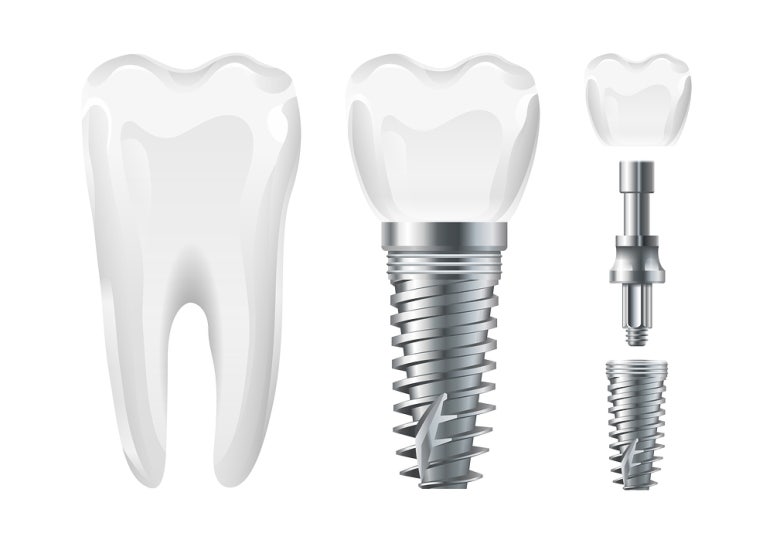
Implants that replace natural teeth
One way to replace natural teeth is with implants. They can improve both function and appearance, which is why many people choose this treatment. The procedure involves making an incision in the gums, placing an artificial root that serves as the tooth root, and then attaching a tooth-shaped artificial crown on top. Currently, people aged 65 and older can receive National Health Insurance coverage for up to two implants per person.
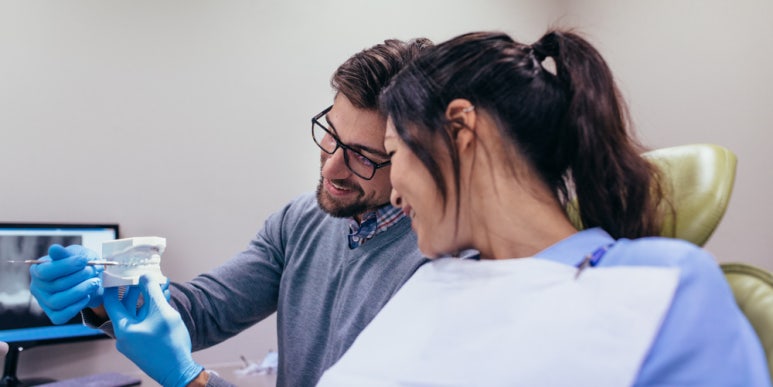
The importance of care after implant treatment
After an implant is placed, careful management is necessary. The average lifespan of an implant is about 10 years, but with proper care, it can last longer. On the other hand, neglecting care can shorten its lifespan.
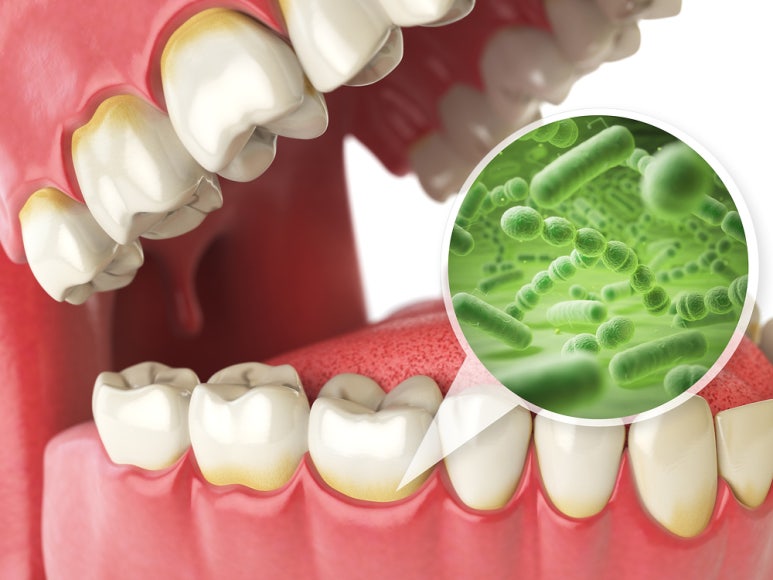
In particular, peri-implantitis must be watched carefully. Unlike natural teeth, implants do not have periodontal ligaments between the tooth and the jawbone, so even if inflammation occurs, you may not feel pain. If peri-implantitis worsens, the jawbone supporting the artificial root can weaken, creating a risk that the implant will loosen and fall out. To prevent this, you should brush properly after meals and clean between teeth thoroughly using dental floss and interdental brushes. Also, smoking and excessive drinking can damage implants, so it is best to avoid them.
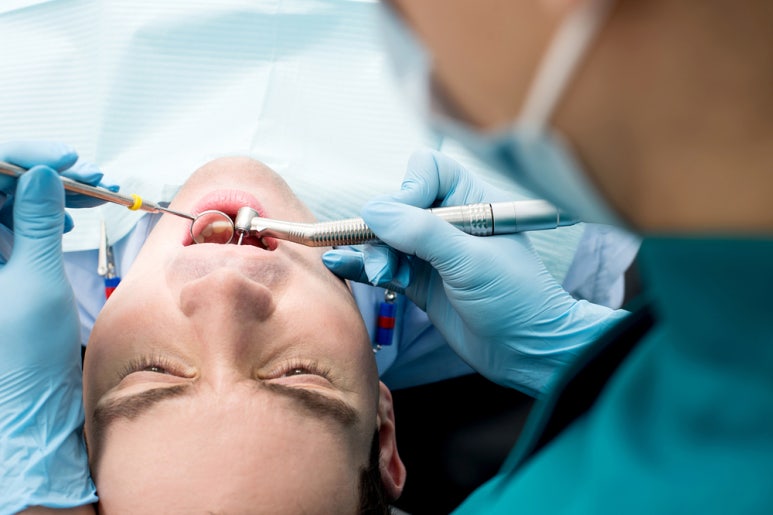
Experts advise, "Because bacteria can build up deep in the gums, it is best to visit the dentist every 3 to 6 months for regular oral checkups and scaling."
At Seokplant Dental Hospital, we are doing our best to help protect your dental health. Please contact us anytime.