Winter sensitive skin care advice from Im Eui-seok Theme Dermatology

Winter, when skin is more easily damaged by seasonal changes, requires especially careful skin care. In particular, people with sensitive skin, which can develop eczema, dryness, and itching even from minor irritation, and people with rosacea skin, which shows redness and dilated capillaries, need to be even more careful.
To provide skin care that suits you in winter, an accurate diagnosis is essential. Since sensitive skin also has various types, it is important to understand your condition accurately, and based on that, personalized care should be carried out.

Before discussing effective winter skin care methods, let’s talk about three bad habits that can further damage weakened skin.
- Randomly increasing the number of cosmetics (moisturizers) applied to the face!
- Even if your skin feels dry in winter, becomes flaky, and feels rough because it lacks moisture, using moisturizers indiscriminately can actually damage your skin.
- Using exfoliators indiscriminately!
- For people with sensitive skin, it is true that exfoliation in winter should be managed carefully, but indiscriminate use of exfoliators is a no-go!
- Neglecting skin temperature management!
- We will also talk about skin temperature when discussing effective skin care methods, but people with sensitive skin should be especially careful about the difference between indoor and outdoor temperatures that occurs in winter.
Winter skin care methods for sensitive skin!
Use cosmetics that suit you!

Rather than simply increasing the number of moisturizers, it is better to use products that are a perfect match for you. Even if you use many products that are said to be good for skin hydration, if your skin cannot absorb them all and you keep layering products, they can actually clog pores, interfere with the skin’s ability to breathe, and cause breakouts.
Exfoliation for skin hydration
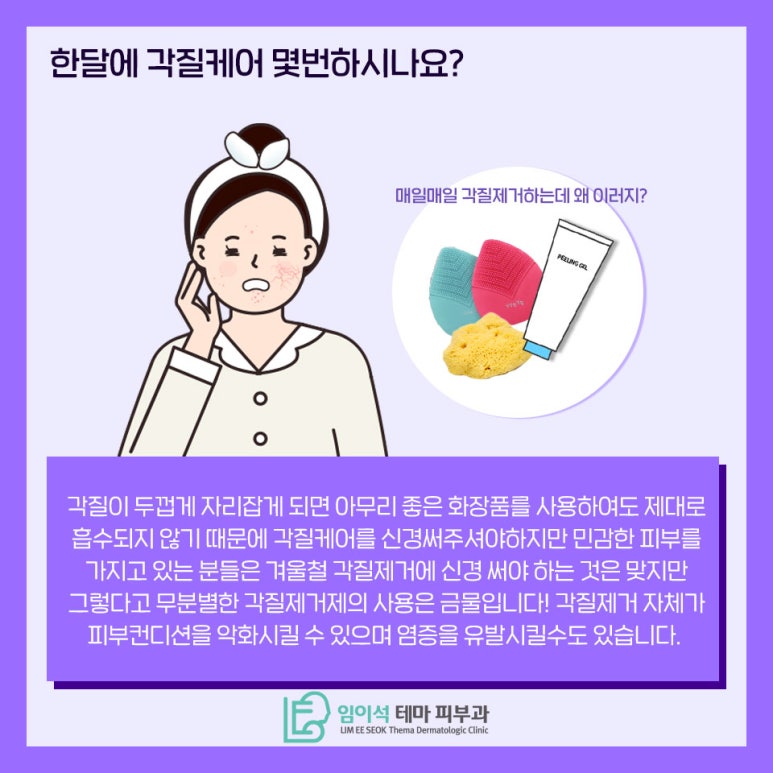
People with sensitive skin in winter should exfoliate consistently. If dead skin cells build up too thickly, even the best cosmetics (moisturizers) will not absorb properly.
However, for people with sensitive skin, exfoliation itself can worsen skin condition and may trigger inflammation. Therefore, it is best to avoid exfoliation methods that irritate the skin too much or use strong acids. The thinner the skin, the more it can react even to small刺激, and the skin barrier can be damaged. Most people with sensitive skin also have thinner skin layers. Therefore, when exfoliating, it is recommended to use peeling products that can gently remove surface skin cells and to do it in a gentle way. This method is effective at removing dead skin cells without adding extra irritation to the skin.
Maintain the proper skin temperature!
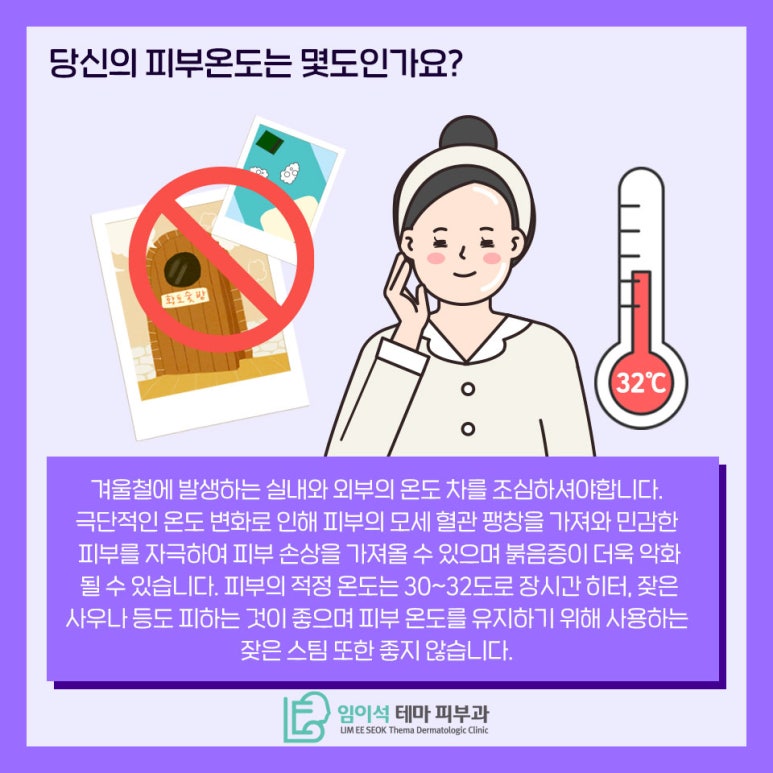
In winter, the temperature difference between indoors and outdoors is very large. For example, if you move from outdoor activity in subzero winter weather to a warm indoor space, the extreme temperature change can cause blood vessels in the skin to expand, which may irritate sensitive skin, lead to skin damage, and worsen redness. The proper skin temperature is 30 to 32 degrees Celsius, so it is best to avoid prolonged heater use, frequent saunas, and frequent steaming used to maintain skin temperature.
Antibacterial care to protect the skin barrier!
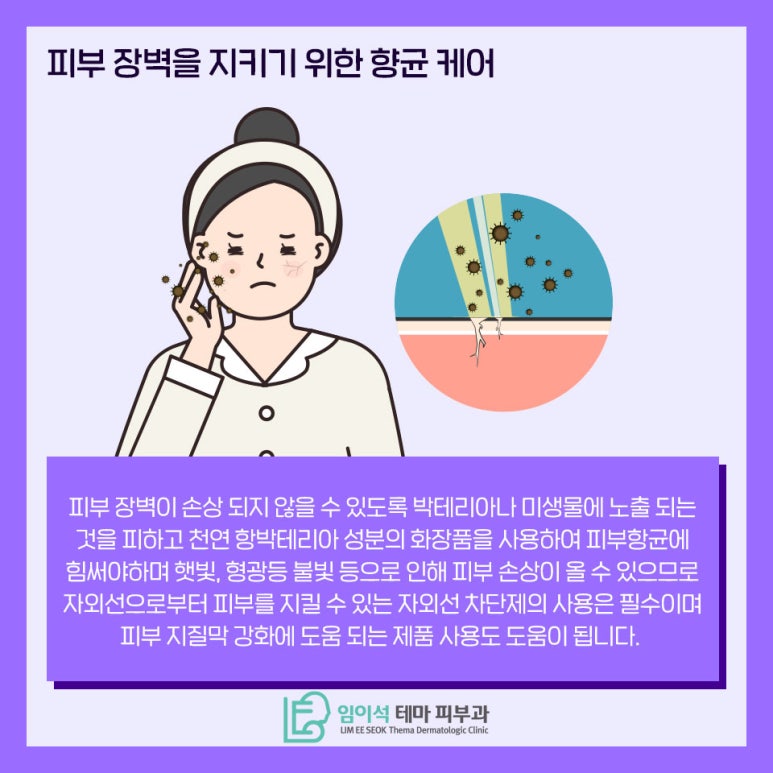
As environmental pollution worsens, infections caused by environmental factors must be avoided. To prevent damage to the skin barrier, you should avoid exposure to bacteria and microorganisms and work on skin antibacterial care by using cosmetics with natural antibacterial ingredients.
Also, even in winter, skin damage can occur from sunlight and fluorescent lights, so using sunscreen to protect the skin from ultraviolet rays is essential, and using products that help strengthen the skin barrier is also helpful.
Eliminate reactive oxygen species not only from the outside but also from within the body!
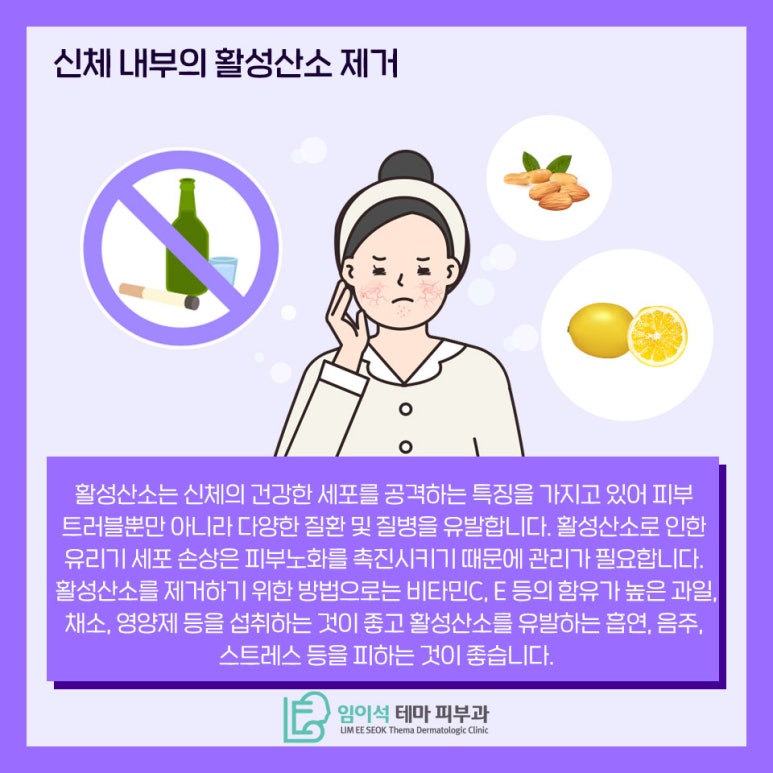
Reactive oxygen species have the characteristic of attacking healthy cells in the body, causing not only skin problems but also various conditions and diseases. Oxygen goes through an oxidation process in the body as a person breathes, and oxygen generated when this process does not oxidize properly is called reactive oxygen species. In particular, free radical cell damage caused by reactive oxygen species accelerates skin aging, so care is needed.
To eliminate reactive oxygen species, it is good to consume fruits, vegetables, and supplements rich in vitamin C and vitamin E, and it is best to avoid smoking, drinking, and stress, which can generate reactive oxygen species.

Today, we talked about how to care for sensitive skin in winter. In addition, there are various other methods such as using a humidifier, washing your face in the morning only with lukewarm water, and replenishing moisture. For effective skin care, you should choose a method that suits your condition. Even the best skin care method can have a negative effect if it does not match your skin type, so for effective care, please consult with a specialist or receive a medical examination and then care for your skin in a way that suits you. That concludes our guide to winter sensitive skin care. If you have any further questions or would like a skin consultation, please apply for a consultation through the link or number below.