In implant consultations,
we often hear about “bone grafting.”
Is it really always necessary?
When the subject of implants comes up, many people’s expressions change when they hear one particular term: “bone grafting.”
When looking into implant treatment, many people are told that their jawbone is insufficient and that bone grafting is needed first.
I fully understand how this can make the psychological burden of treatment feel even greater.
Today, I would like to calmly explain in which situations implants without bone grafting may be possible and how clinicians approach cases in which the jawbone is insufficient.
✨ Watch the Chiterior YouTube video ✨
(Click)
Bone grafting: Does it take a long time and cost a lot?
❗Click here if you are curious about the Nobon Arch method without these disadvantages❗
Why the jawbone decreases
Let’s understand this first
After a tooth is lost, the jawbone at that location is naturally resorbed over time.
When a tooth is present, chewing stimulation is transmitted to the bone and helps maintain bone density. After the tooth is lost, that stimulation disappears.
In particular, when several years have passed since extraction, when dentures have been used for a long time, or when gum disease has progressed, the height and width of the bone have often decreased considerably.
If an implant is placed using a conventional method in this condition, there may not be enough stability, leading to the conclusion that bone grafting should be performed first.

Bone grafting is not necessarily required in every case
If the jawbone is insufficient, does that mean bone grafting is unconditionally necessary?
Not necessarily.
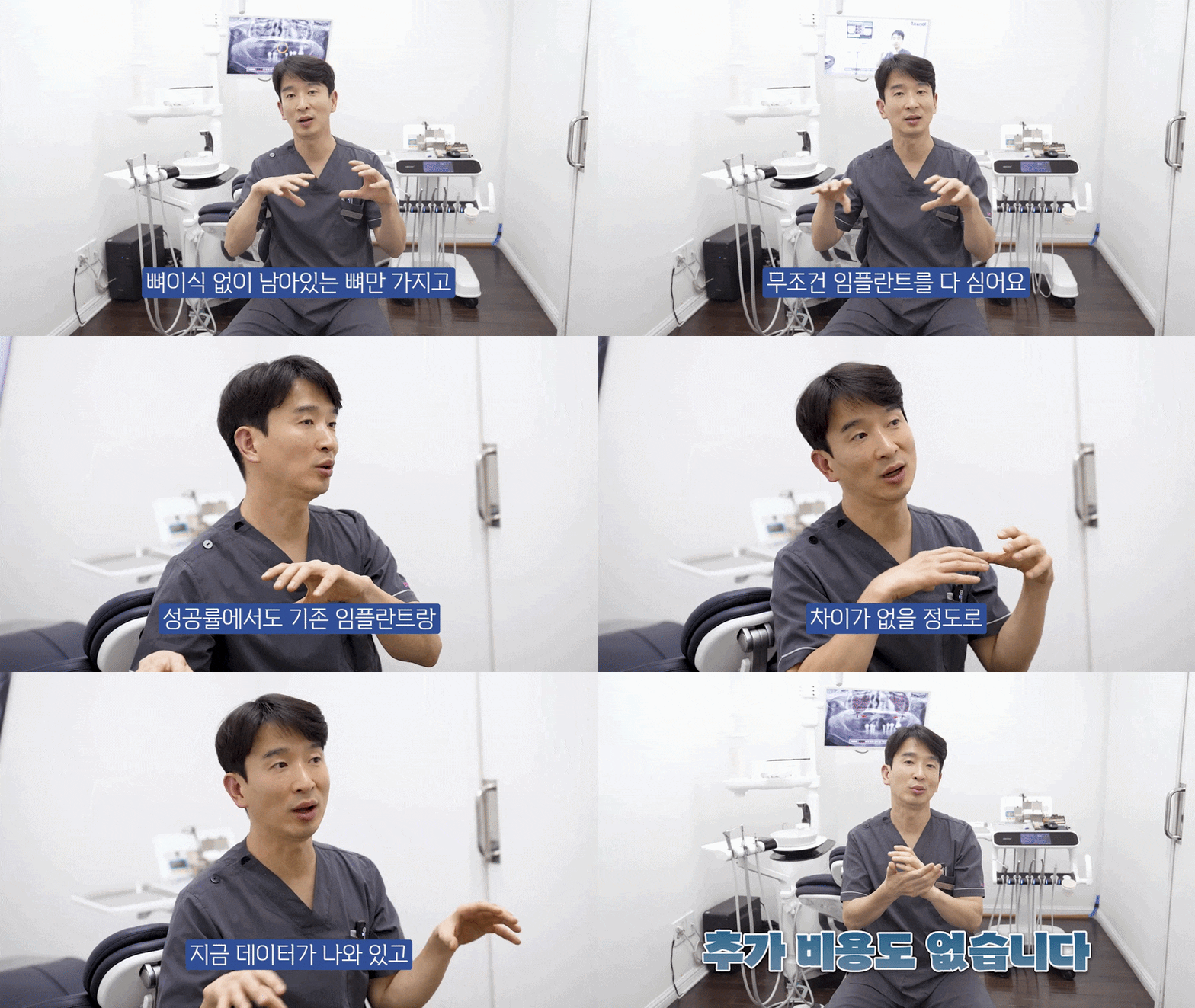
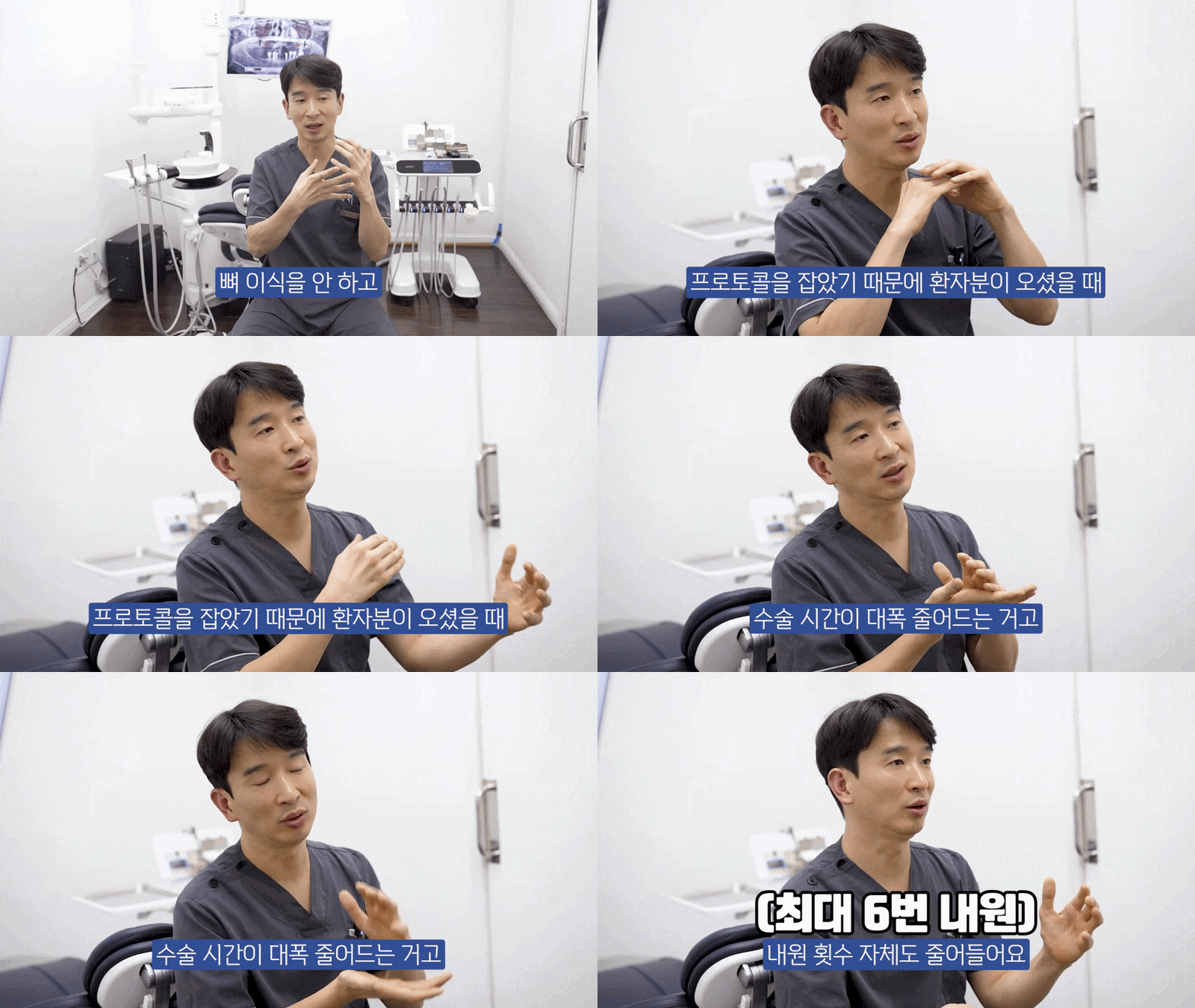
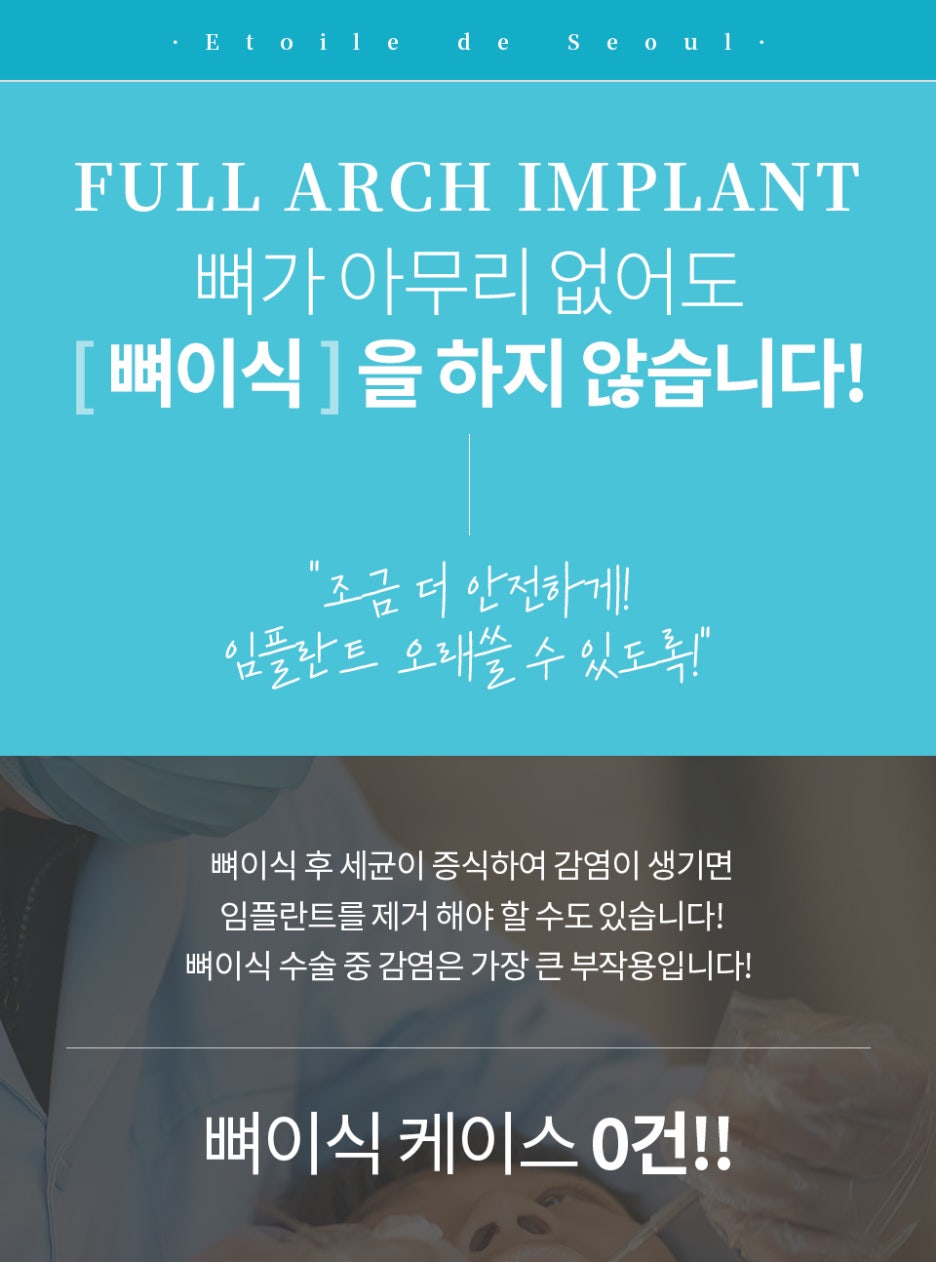
When implants without bone grafting are possible, the approach involves analyzing the location, density, and structure of the remaining bone using a detailed 3D CT scan, then adjusting the implant angle and placement position.
For example, even when the amount of bone is limited, placing the implant at a certain angle may make it possible to secure sufficient contact with the bone.
This method is used particularly often for full-arch implants in people who have no teeth at all. It is also a key principle in designing a structure that supports all the teeth with only four to six implants.
The role of 3D navigation in precise planning
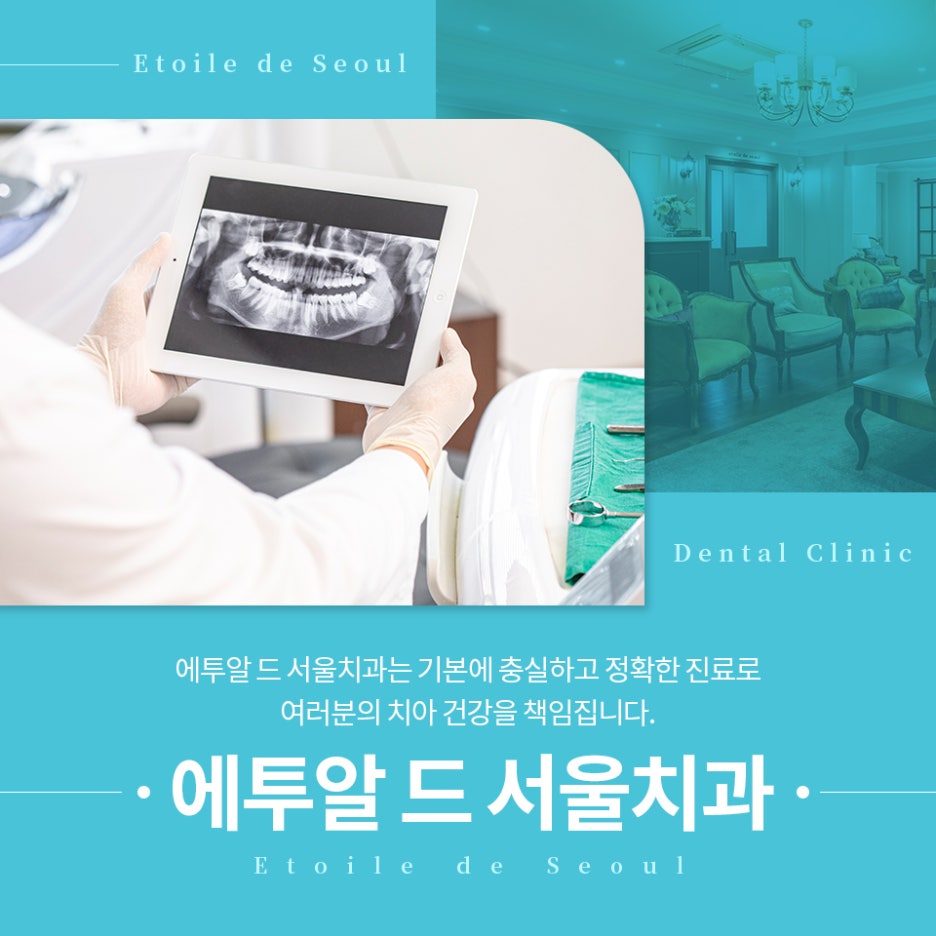
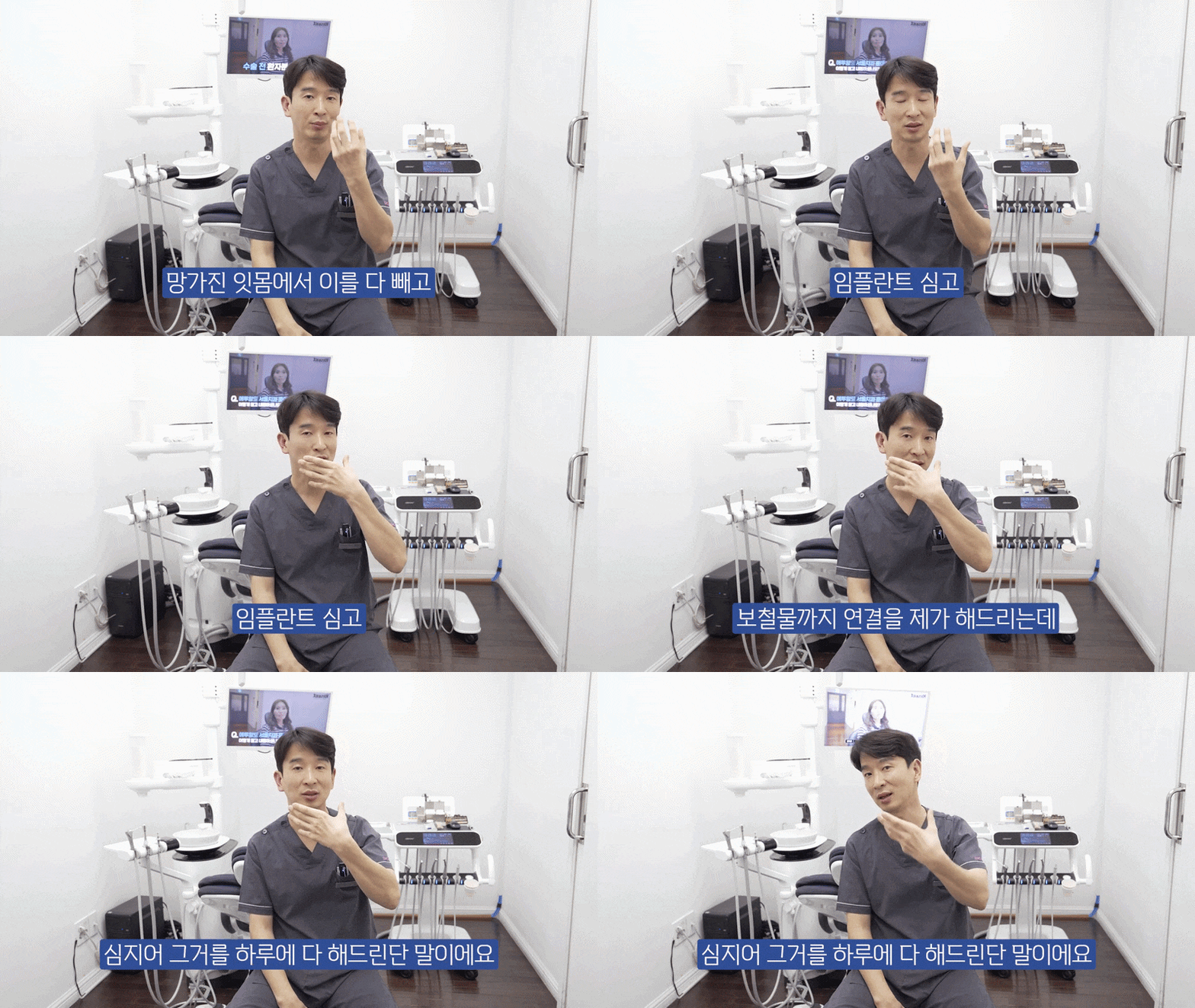
At Etoile de Seoul Dental Clinic, we carry out a virtual preoperative planning process using equipment such as CT scanners, intraoral scanners, 3D printers, and DIO Navi Guides.
Through this process, we can plan in advance the angle, depth, and position at which the implant will be placed.
When a plan is established to use the remaining jawbone as efficiently as possible, it may also be possible to determine that treatment can proceed without bone grafting.
Ultimately, whether implants without bone grafting are possible depends not simply on “whether there is bone,” but on “how the remaining bone can be used.”

There are options even when bone grafting is necessary
Of course, when bone loss has progressed considerably, bone grafting may need to be performed alongside implant treatment to secure the implant’s long-term stability.
Even then, the treatment process and recovery period vary depending on the material used and the extent of the grafting.
If you have heard for the first time that “bone grafting is necessary,” it may be helpful to ask for a thorough explanation of the reason, extent, and possibility of alternative approaches.
This is because the treatment plan should be established individually according to the patient’s overall health, oral structure, and desired outcome.

Post-treatment care determines long-term results
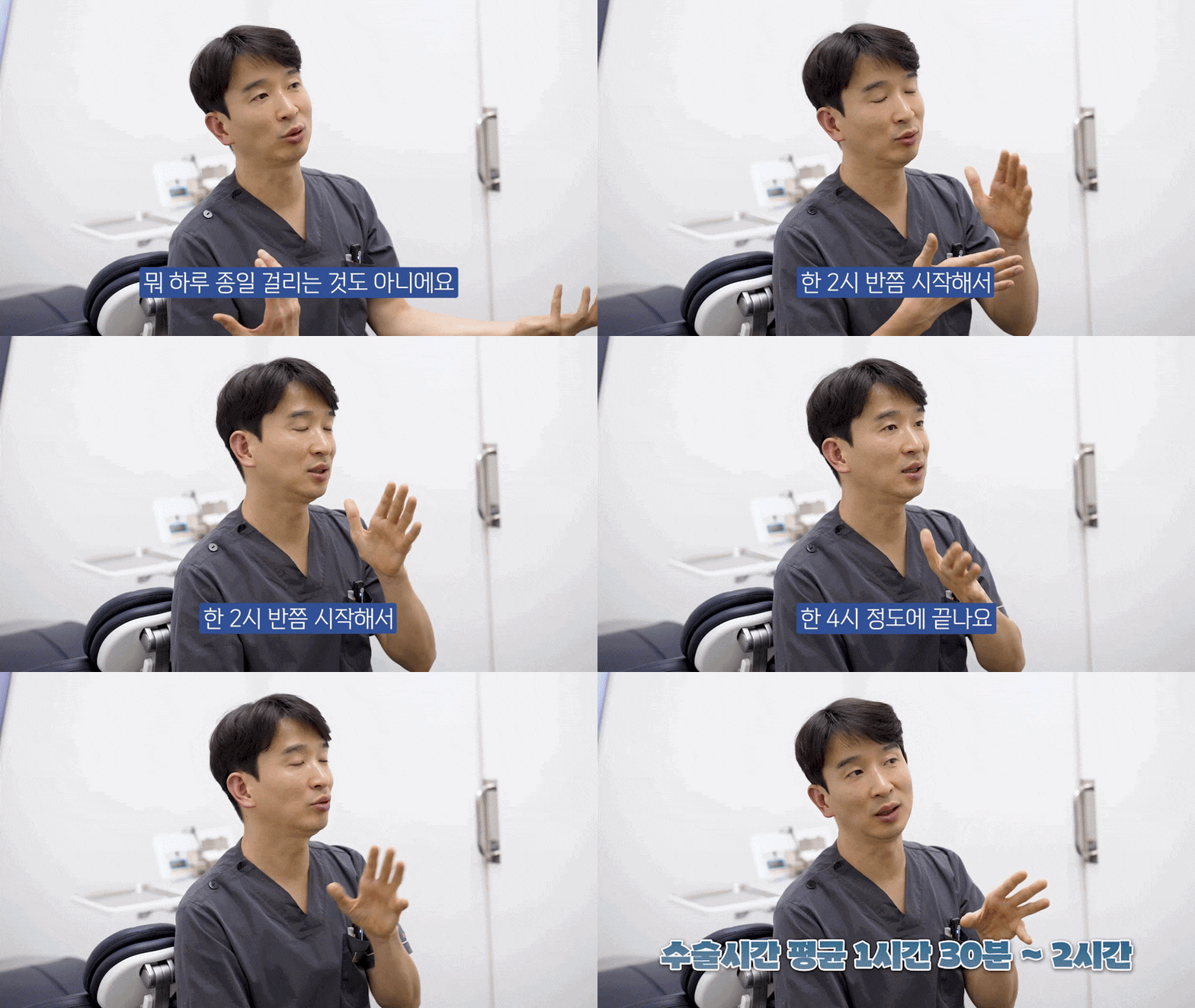
Whether you proceed with implants without bone grafting or undergo bone grafting alongside the implant treatment, post-treatment care affects the implant’s longevity.
Implants need to be cared for consistently, just like natural teeth.
It is important to brush properly every day and use dental floss together with an interdental brush.
During the period when temporary prostheses are in place, it is advisable to avoid hard or chewy foods. Even after the final prosthesis is fitted, we recommend regular checkups every six months to examine the condition of the gums around the implants and the bite of the prosthesis.
We provide care that considers tooth preservation first
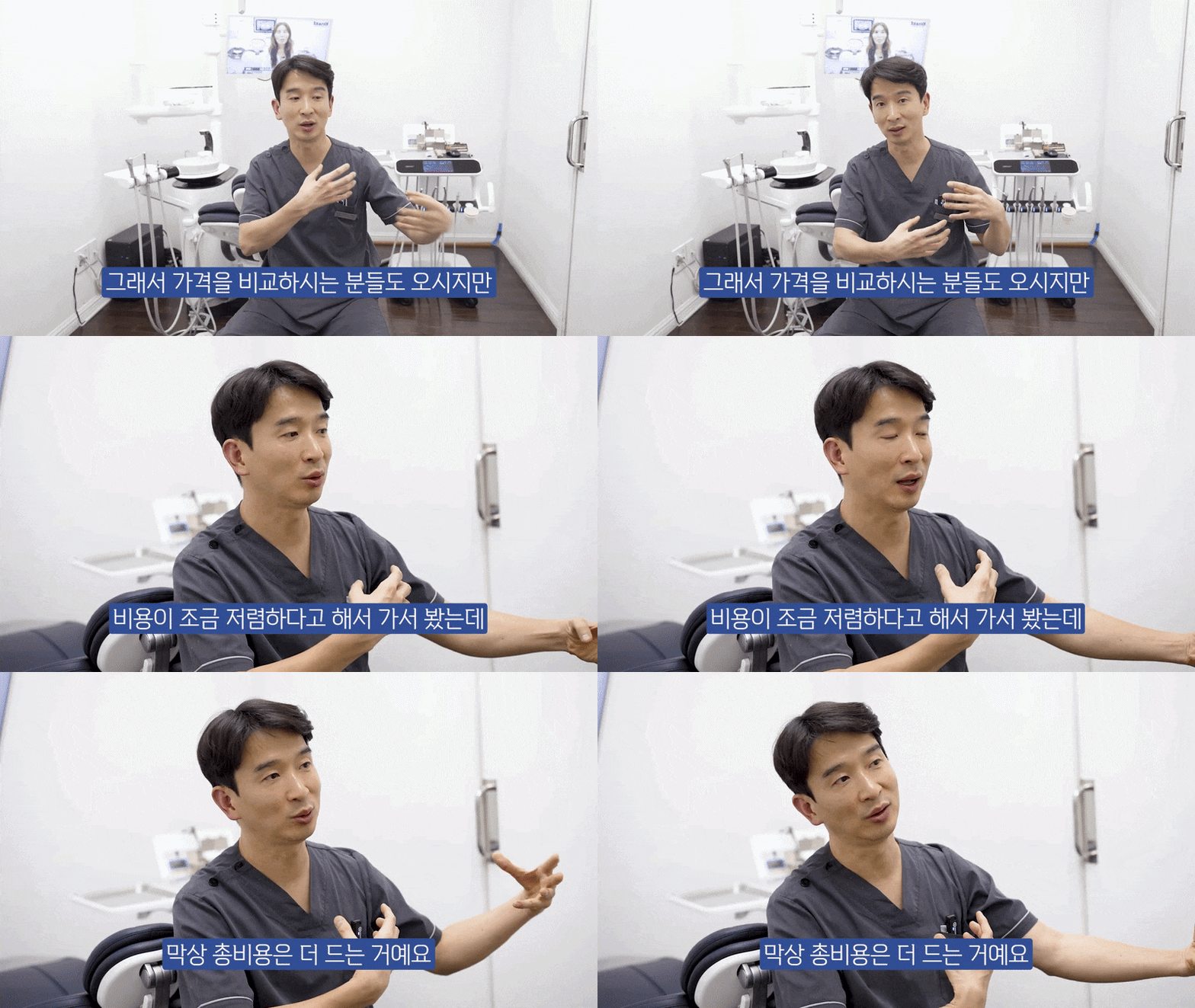
In my practice, I always first consider ways to preserve the teeth as much as possible.
If implants are necessary, my treatment principle is to reduce unnecessary procedures and establish a plan suited to each patient’s oral structure.
Whether implants without bone grafting are possible can only be accurately determined through CT analysis and a detailed diagnosis.
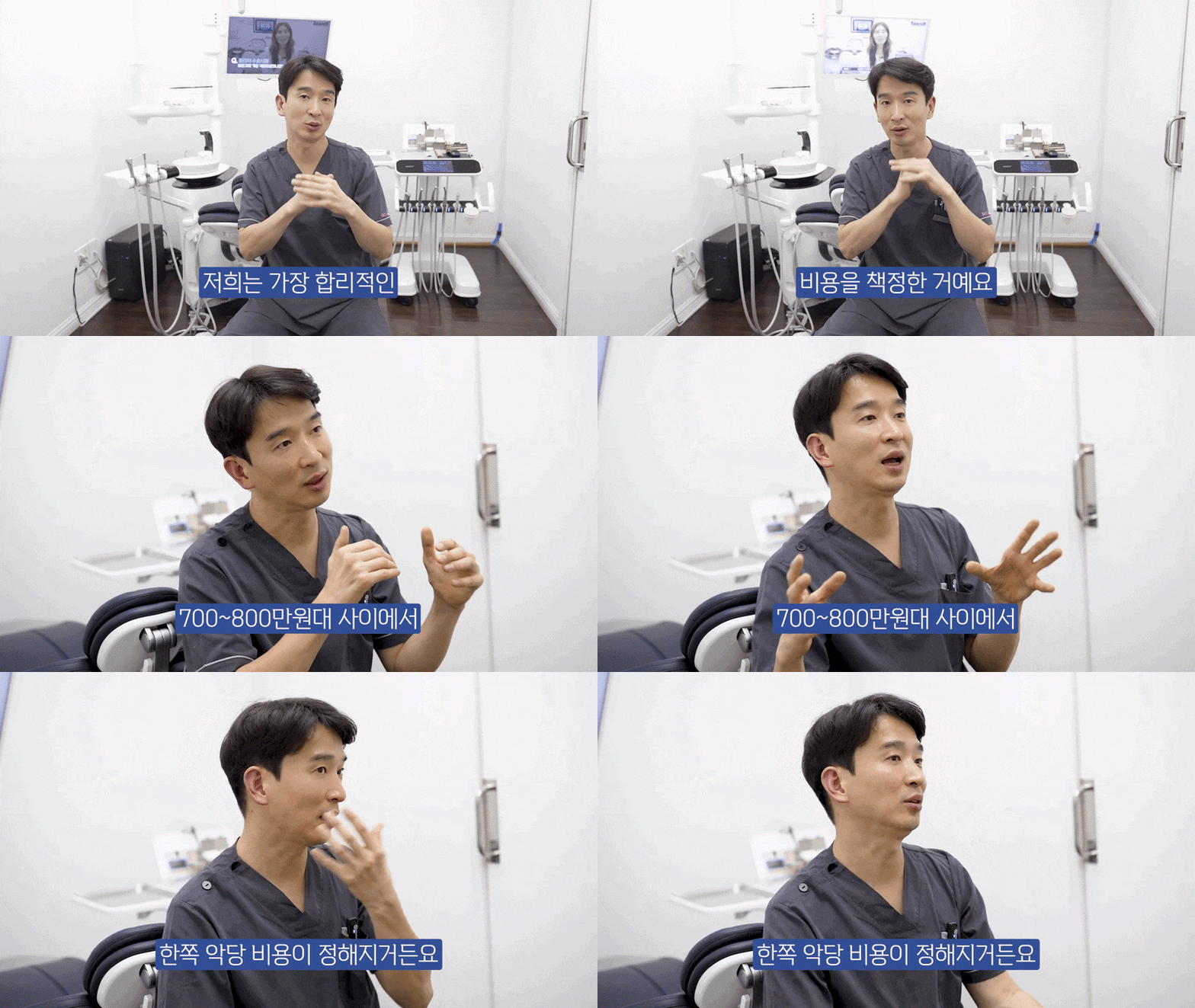
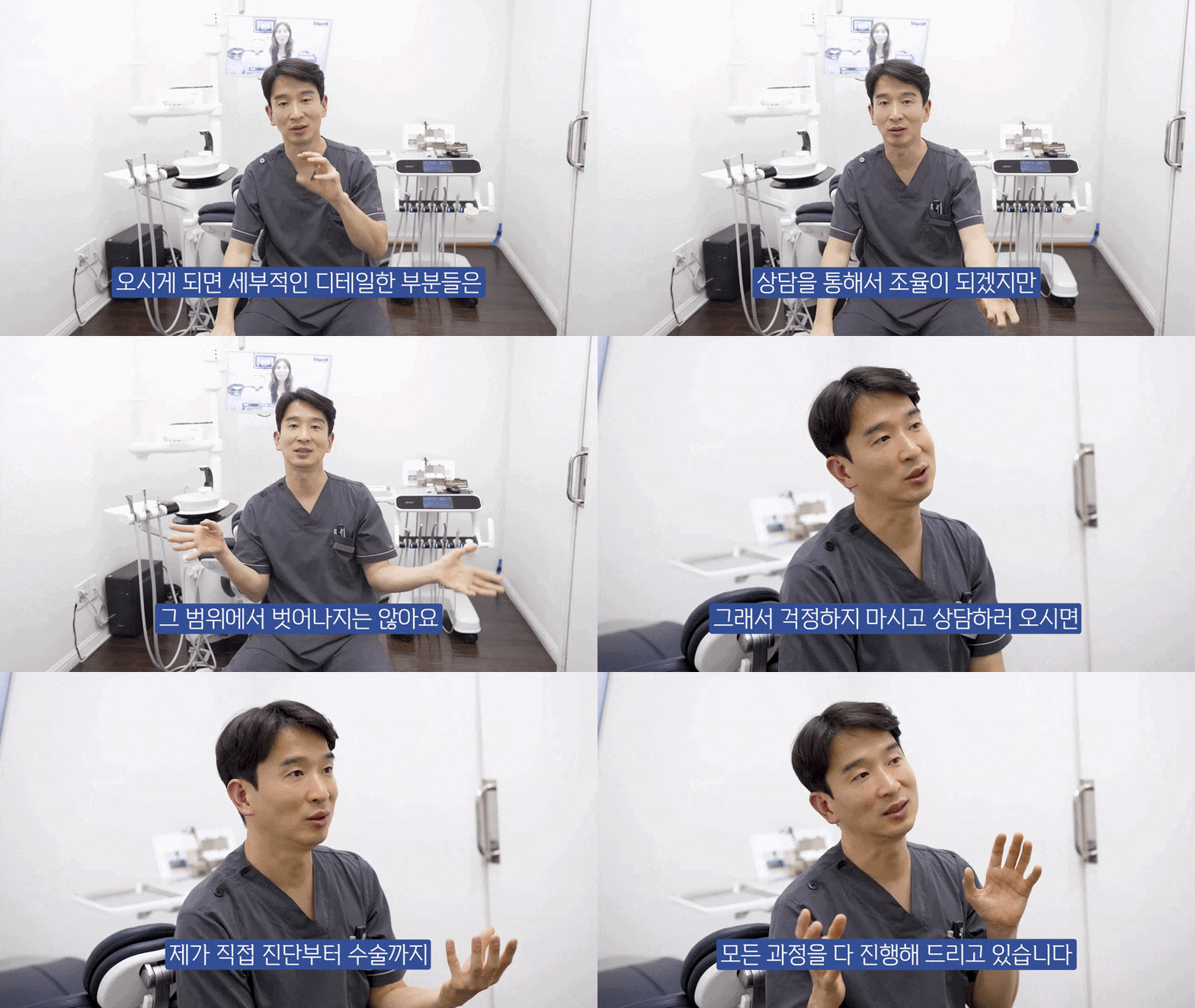
The clinic’s director, a graduate of Seoul National University, personally develops a plan suited to each individual patient’s situation.
Even if you have been told, “You cannot receive implants because you do not have enough bone,” another approach may be possible. Please make sure to accurately understand the condition of your mouth.
The greater your fear of treatment, the more accurate information can help you.
This has been Lee Jang-wook, director of Etoile de Seoul Dental Clinic.













Previous image
Next image









Previous image
Next image