
When the weather turns chilly and during the school vacation season, the surgery that many people seek most is double eyelid surgery. Double eyelid surgery is a procedure in which part of the eyelid tissue is excised and the skin and muscles are sutured to create a double eyelid line and enlarge the eyes. When you undergo double eyelid surgery, which creates wounds in the tissue, swelling naturally occurs. Many people worry about swelling after surgery. Swelling varies depending on the person's constitution, but early care can speed up the reduction of swelling. Today, I will explain how to help swelling and bruising recover more quickly.
- Compresses (cold and warm compresses)

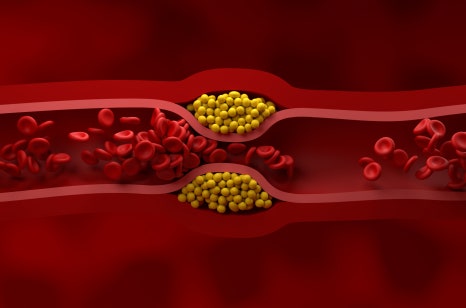
After double eyelid surgery, it is good to refrigerate the cold pack received from the hospital to lower its temperature, then place gauze or nonwoven fabric over it and cool the tissue around the surgical area.
When our body temperature drops, blood vessels constrict, and these vessels can be thought of as pathways for swelling. When the pathway becomes smaller, the blood vessels constrict, which can help reduce swelling.
On the other hand, warm compresses can be effective for reducing bruising. Just as blood vessels constrict when the temperature drops, when the temperature rises,
blood vessels expand. Bruising is caused by blood pooling, and the bruising can disappear only when the pooled material drains away. So it is good to raise the temperature, expand the blood vessels,
and help the material drain out.
However, warm compresses can cause swelling, so to get both swelling relief and bruising relief at the same time, it is best to combine cold and warm compresses appropriately. For the first 3 days after surgery, use cold compresses, and after that, alternating cold and warm compresses is considered the most advisable method.
- Diet


The foods you eat after double eyelid surgery can also affect swelling. If you eat salty or spicy foods that contain a lot of salt, the concentration of salt in the body becomes higher. At that time, the body draws in water to dilute it, and fluid can accumulate in the surgical area, increasing swelling. So after surgery, it can be helpful to avoid spicy or salty foods as much as possible and eat foods that can help oxygen circulate more smoothly in the blood vessels, which may help reduce swelling.

In addition, supplements commonly said to be good for blood circulation, such as omega-3, ginkgo leaf, nattokinase, and arginine, have blood-thinning properties and may interfere with swelling relief. Therefore, stopping them at least one week before surgery may help reduce swelling.
- Posture


The posture you take when resting after double eyelid surgery also has a significant effect on swelling. Blood circulation in our body is driven by the heart's contractions. If the surgical area is placed lower than the heart, blood may pool there not only because of the heart but also due to gravity. After surgery, placing 2 to 3 pillows behind your back so that the surgical area is higher than the heart and resting in that position may help blood circulation, and therefore reduce swelling.
In addition, taking a light walk to promote blood circulation can help reduce swelling even more, but it is best to avoid excessive exercise that makes you sweat.
When walking during the day, prolonged exposure to ultraviolet rays may cause pigmentation or prevent scars from healing neatly, so it is good to use items that can block UV exposure. However, applying sunscreen directly to the surgical area to block UV rays should be avoided, as it may irritate the wound.

To bring the results of double eyelid surgery to the best possible outcome, it is important to continue proper care not only during the early recovery period after surgery, but also long term.
For at least 3 months and up to 1 year after surgery, minor changes may occur in the eyelid tissue that was irritated, so continuous caution is needed, and you should avoid excessively rubbing your eyes or applying pressure. However, the care methods and precautions may differ in detail depending on the hospital where the surgery was performed, your personal constitution, or the case, so it is accurate to follow the guidance of the surgeon in charge. When sufficient consultation with a specialist, accurate surgery, and proper post-operative care all come together, the best results can be achieved.