
Diabetes, along with high blood pressure, is a chronic condition that must be managed throughout life. That is why it is important to take care of your health in everyday life so that diabetes does not develop. These days, it is said to be important to manage your condition starting at the prediabetes level, rather than waiting until diabetes values are reached, in order to prevent it from progressing to the early symptoms of diabetes.
This is because prediabetes is the golden time for treatment. Today, let’s briefly look at prediabetes values, prediabetes management methods, and the early symptoms of diabetes.
Prediabetes values
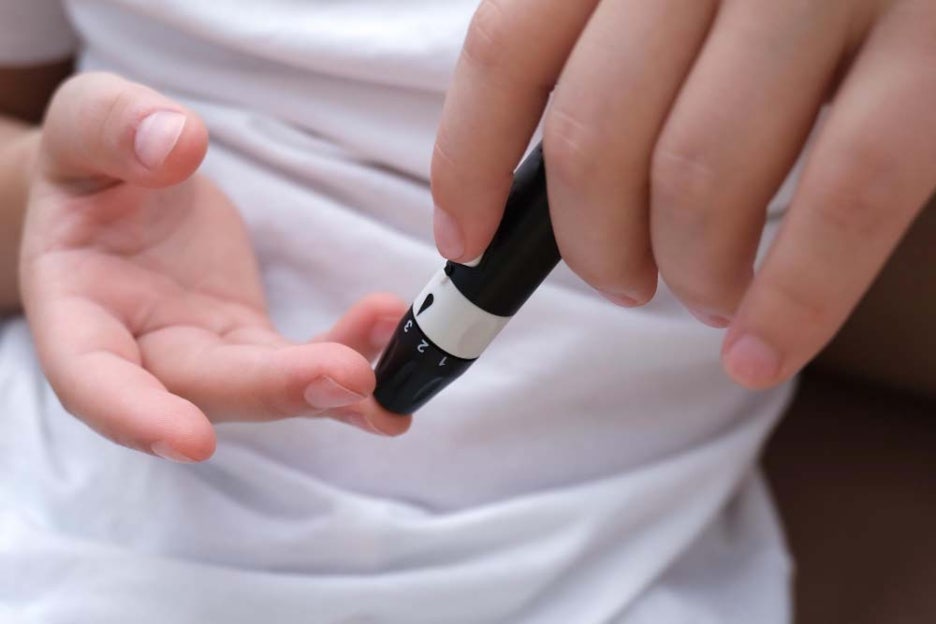
Prediabetes refers to the intermediate stage between normal blood sugar and diabetes, where blood sugar levels are higher than normal but not yet high enough to be diagnosed as diabetes. At first glance, this may seem like only a slightly worse-than-normal stage, but people with prediabetes have a high risk of developing diabetes later on, so these days active management is recommended starting at the prediabetes level. The prediabetes values are as follows.
✔ Impaired fasting glucose: blood sugar of 100–125 mg/dL after an 8-hour fast
✔ Impaired glucose tolerance: 2-hour blood sugar of 140–199 mg/dL after a 75 g oral glucose tolerance test
✔ Hemoglobin A1c: 5.7–6.4%
If you fall into the prediabetes range, active efforts to manage your numbers are needed. According to research, when prediabetes values are present, the risk of coronary artery calcification progression increases, and it is reported that there is a high likelihood of progressing to the early symptoms of diabetes.
Why prediabetes management is necessary
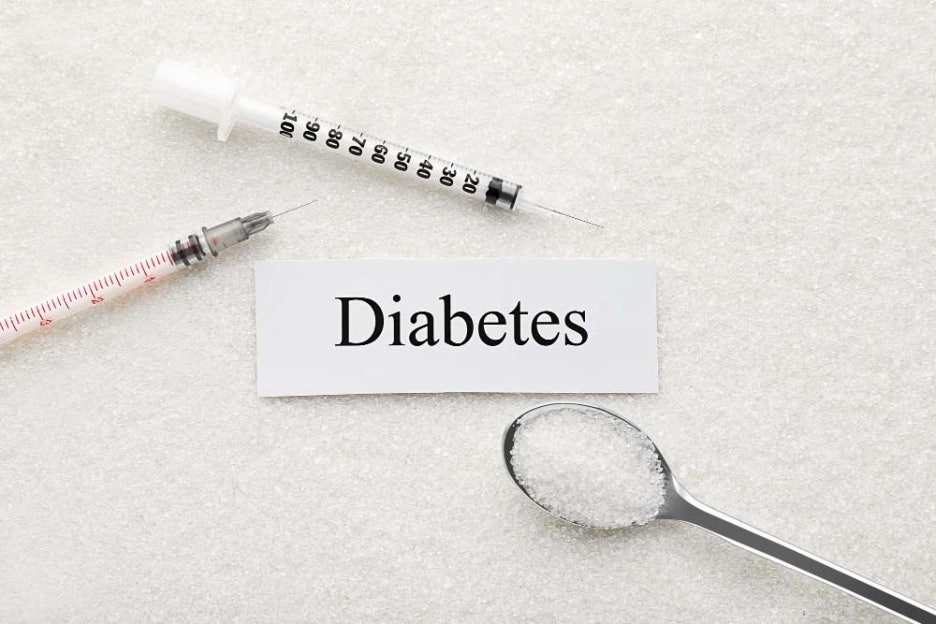
The reasons prediabetes management is necessary are as follows.
- High risk of progressing to diabetes
If health management is neglected during the prediabetes stage, about 70% are reported to progress to diabetes.
- A risk factor for cerebrovascular and cardiovascular diseases such as stroke and myocardial infarction
Prediabetes can be a risk factor for cerebrovascular and cardiovascular diseases. In addition, the risk of diabetic retinopathy, kidney failure, sexual dysfunction, and cancer may increase.
- Insulin resistance management
In prediabetes, insulin resistance increases, but blood sugar can still remain close to normal. If managed from this stage, progression to diabetes can be prevented.
- Early management
Managing prediabetes allows diabetes to be managed early, which brings significant health benefits.
Early symptoms of diabetes

So far, we have looked at why prediabetes management is necessary. To detect diabetes early, it is best to have regular health checkups. The earlier it is found, the easier it is to manage. If you learn the early symptoms of diabetes in advance and quickly notice unusual signs and respond early, it can help protect your health from diabetes.
-
Polyuria: When blood sugar rises, the kidneys try to excrete excess sugar, which increases urine volume and can make you go to the bathroom more often.
-
Polydipsia: A state of excessive thirst continues. As urination becomes more frequent, you may find yourself drinking a lot of water to make up for the loss of fluids.
-
Polyphagia: As glucose is excreted in large amounts through urine, you may feel hungry more often.
-
Weight loss: Even if you eat a lot, glucose is excreted, which can instead appear as weight loss.
-
Vision changes: As high blood sugar persists, it can affect the microvasculature and cause changes in vision. Your eyes may feel dry, or your vision may become blurry.
-
Delayed wound healing: Inflammation may not go away easily, or wound healing may slow down.
-
Itching: As an early symptom of diabetes, you may feel itching on the skin. In particular, itching may be common on the hands and feet.
Dietary habits for diabetes prevention

So far, we have looked at the early symptoms of diabetes. To prevent diabetes, your everyday eating habits are important. If you are in the prediabetes stage or have early symptoms of diabetes, it is advisable to improve your diet in the following ways.
- Control carbohydrates
It is better to replace white rice and wheat flour with complex carbohydrates such as multigrain bread or whole wheat bread. It is also good to reduce the proportion of carbohydrates to 50–60% of total calories and eat foods rich in dietary fiber.
- Reduce sugar intake
Diabetes and sugar are closely related. It is best to limit simple sugars such as sugar, honey, and juice, and avoid foods that are high in sugar and calories.
- Increase dietary fiber intake
To help prevent diabetes, it is good to increase dietary fiber intake. This is because it helps lower blood sugar and blood lipid levels. In your diet, it is advisable to increase the proportion of dietary fiber from vegetables, seaweed, and similar foods.
- Balanced meals
It is good to reduce sodium intake and build a balanced diet. Limit salty foods and, rather than eating only one type of food, it is better to obtain nutrients evenly from grains, fish and meat, vegetables, fats, fruits, and more.








 Previous image
Next image
Previous image
Next image