How can you protect your health? Exercising hard and eating foods that are good for your body are both ways, but there is one more important method. That is getting regular health checkups. In particular, since early detection is important for cancer, it is a good idea to have a health checkup if you are usually worried about cancer or have a family history of it.
During a health checkup, one of the tests that is often performed along with a general health screening is an 'upper endoscopy.' Compared with a colonoscopy, an upper endoscopy is less burdensome to prepare for, but the fasting time for an upper endoscopy can be something patients feel pressured by when preparing for the test. Today, let’s briefly compare the fasting time for an upper endoscopy and the foods that are good or should be avoided the day before the procedure.
How long is the fasting time for an upper endoscopy?
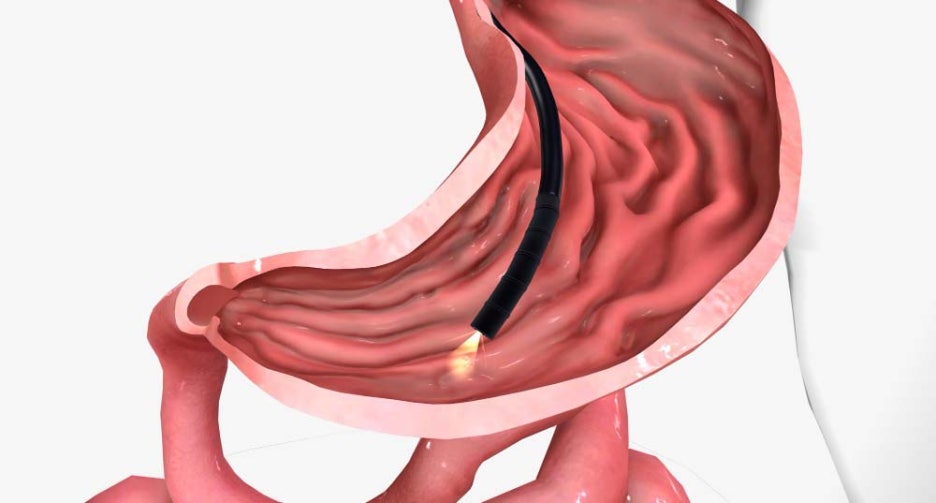
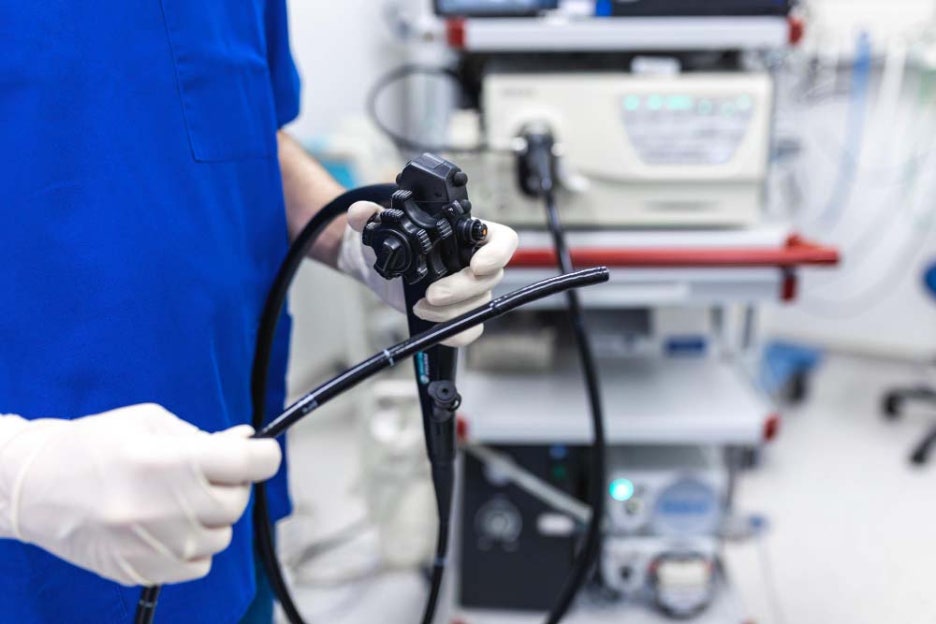
An upper endoscopy is an essential test for diagnosing gastritis, stomach ulcers, stomach cancer, duodenal ulcers, and more. Through the endoscope, which is inserted directly through the esophagus, the upper gastrointestinal tract can be examined. For a smooth examination, it is necessary to follow the fasting time for an upper endoscopy.
The recommended fasting time for an upper endoscopy is at least 8 hours.
However, since digestive ability can vary from person to person, those who usually have weak digestion are advised to fast sufficiently for more than 12 hours before an upper endoscopy.
Foods that are good to eat the day before an upper endoscopy
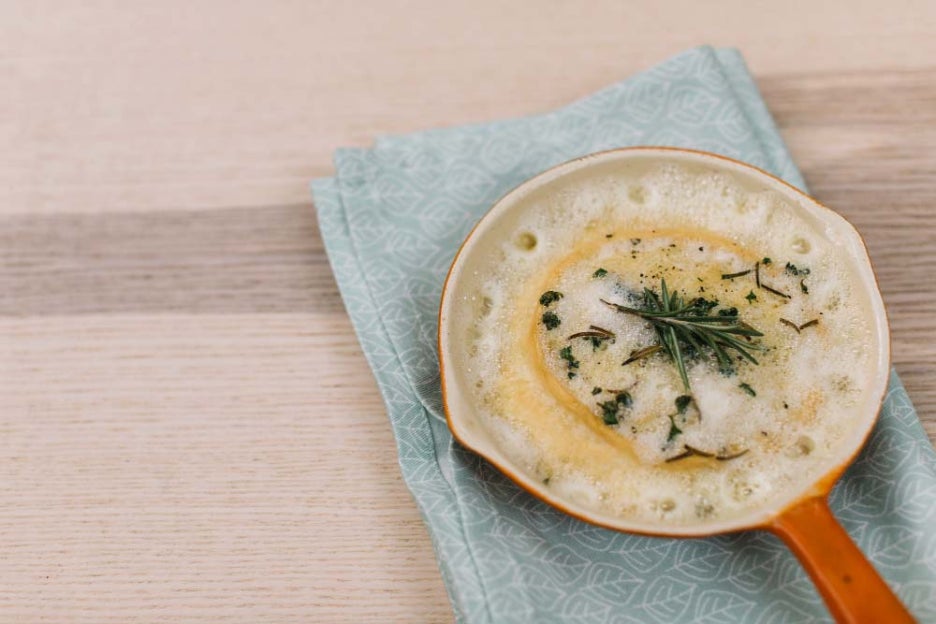
So, what kinds of foods are good to eat the day before an upper endoscopy?
The day before an upper endoscopy, soft foods that are easy to digest are good. In general, the following foods may be recommended.
-
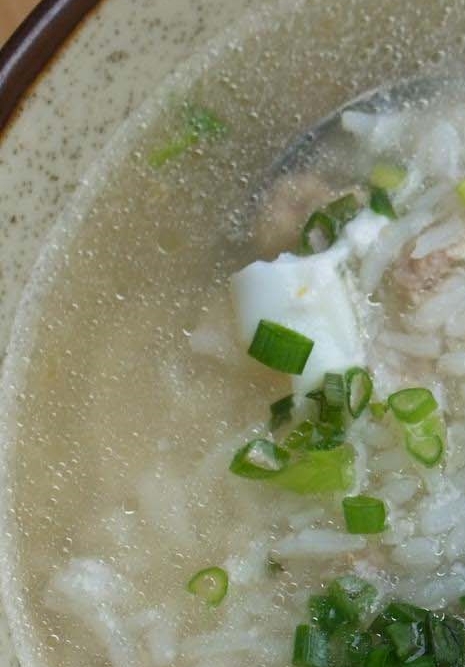
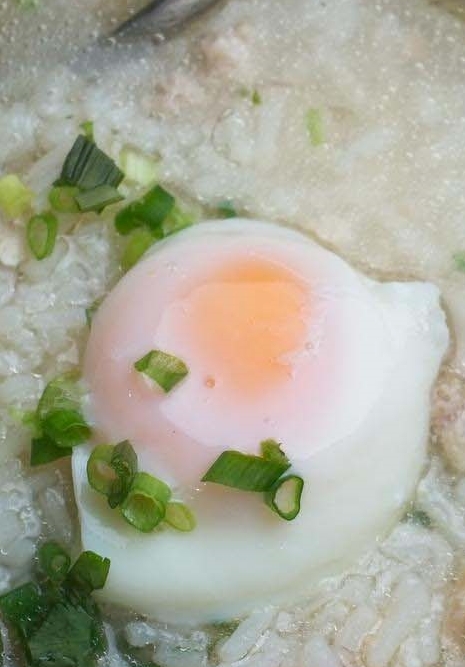
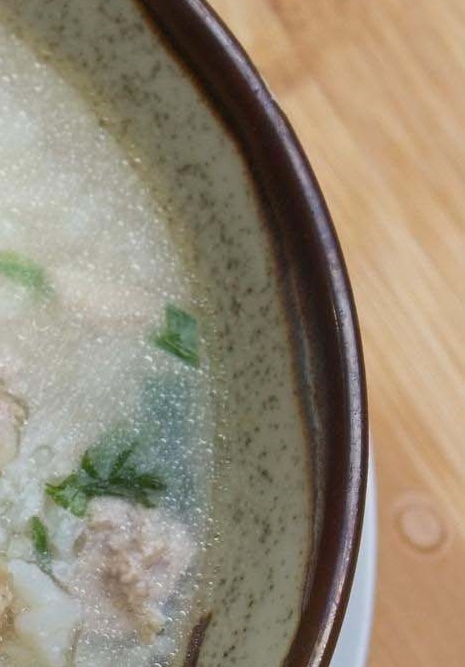
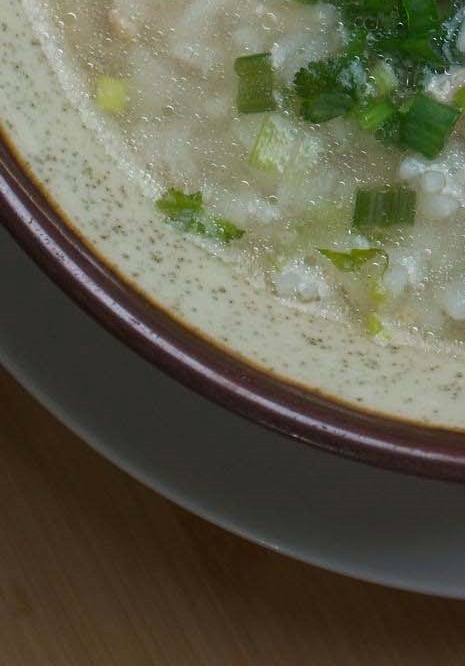
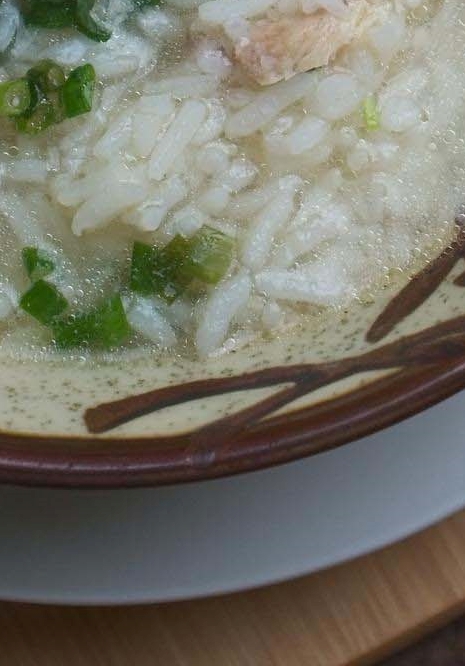
White rice porridge, thin rice gruel: Good foods for an endoscopy test. They are easy to digest and do not burden the stomach.
-
Castella: If you want bread, you can have a small amount of castella. It is a soft and easy-to-digest food, and it is also good as a food before a colonoscopy.
-
Boiled eggs: Eggs are rich in essential nutrients and protein, so they can help you feel full. They are easy to digest, making them good food the day before an upper endoscopy.
-
Soft tofu: Its soft texture does not burden the stomach, so it is good to eat when preparing for an endoscopy.
What should be avoided the day before an upper endoscopy?
Then, conversely, what foods should be avoided?
It is best to avoid foods that place a burden on the stomach.
Representative examples include the following.
There are foods that people may accidentally eat, so those who are about to undergo an endoscopy should be careful with their diet.
-
Oily foods: Avoid foods that take a long time to digest, such as fried foods or meat.
-
High-fiber foods: Avoid foods rich in fiber, such as vegetables, fruit, and whole grains, because they take a long time to digest.
-
Spicy foods: They can irritate the stomach. If you are about to have an upper endoscopy, it is best to avoid them.
-
Colored drinks: It is best to avoid colored beverages that may cause staining.
How to care for yourself after an upper endoscopy
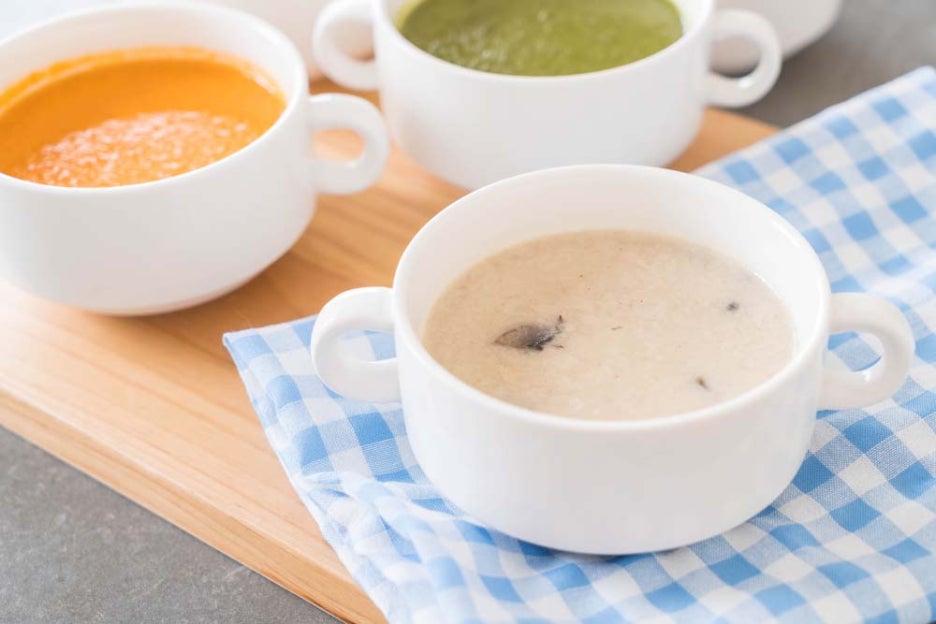
If you have had an upper endoscopy, post-exam care is also important. Rather than eating right away, it is better to wait until the anesthesia wears off and then gradually move from liquid foods to regular meals. In particular, if you had a biopsy, there may be bleeding, so it is better to eat 4 hours after the test. The following are some ways to care for yourself after an upper endoscopy.
Meal management
-
After about 30 minutes to 1 hour after the test, when the throat anesthesia wears off, eat.
-
Soft foods such as thin rice gruel and porridge are recommended. Dietary adjustment is needed for 3 to 4 days after the test.
-
Avoid alcohol, chocolate, fried foods, meat, and similar foods as much as possible.
Precautions
-
If a biopsy was performed, eating after 4 hours is recommended to prevent bleeding.
-
On the day of the test, it is best to avoid spicy, salty, and other irritating foods.
-
If you have throat discomfort or pain, you may use a gargle solution.
-
It is good to drink lukewarm water often.
If you have persistent bleeding after an upper endoscopy, severe bloody stools, throat pain, swelling of the throat, or abdominal pain, it is best to seek immediate medical attention.
 Previous image
Next image
Previous image
Next image