| This post complies with Article 56, Paragraph 1 of the Medical Advertisement Act and was written to provide accurate medical information. Accordingly, please note in advance that this is a simple informational medical article that does not require medical advertisement review. |
No Matter How Well You Brush, It Won’t Help If You Don’t Know the Right Toothbrush Replacement Cycle
Since childhood, you’ve probably heard that to protect your oral health, you need to brush well...
It’s probably something you’ve heard over and over, to the point of being tired of it.
However, even if you brush your teeth properly and well, if your toothbrush is in bad condition,
it may actually allow bacteria to multiply more or
harm your oral health.
So today, I’d like to tell you about the proper toothbrush replacement cycle, along with how to care for your toothbrush.
I’ve prepared only information that can help you maintain oral health,
so please take just 3 minutes to read through to the end.
👨⚕️ Today’s topic is as follows!
-
What is the recommended toothbrush replacement cycle?
-
How can you hygienically care for your toothbrush?
-
What is the recommended toothbrush replacement cycle?
On average, it is best to replace your toothbrush every 2 to 3 months.
After this period, the bristles can become significantly worn compared with when they were first used.
Then, even if you brush your teeth, the bristles may be too weak to properly remove plaque.
The risk of bacteria multiplying and causing diseases such as cavities may also increase.
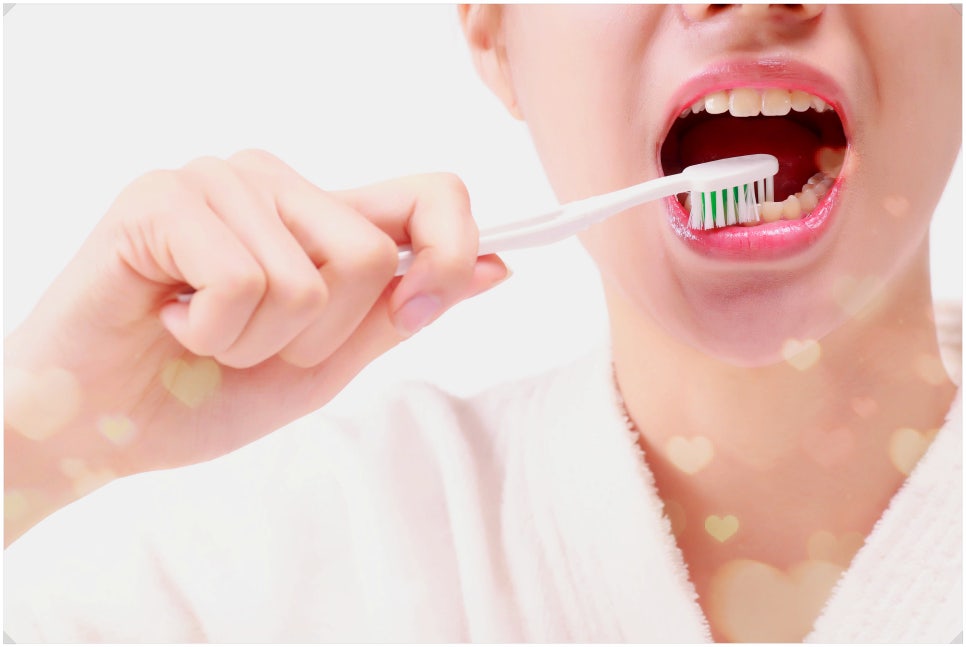
However, depending on each person’s brushing habits, the bristles may wear out faster and the replacement cycle may be shorter.
So if the toothbrush you are currently using has any of the following conditions, we recommend replacing it as soon as possible.
(1) When the head is very frayed
As mentioned earlier, if the bristles are spread out or worn down, brushing effectiveness may decrease.
In such cases, even after brushing, it may be difficult to feel truly “fresh.”
In addition, this condition of the bristles can irritate the gums, and in some cases, cause bleeding.
Therefore, if the bristles are badly frayed, we recommend replacing the toothbrush right away!
(2) When the toothbrush has an unpleasant smell
An unpleasant smell from a toothbrush means that bacteria have multiplied.
So if you continue using a toothbrush in this condition, bacteria can enter the mouth as well,
which may lead to problems such as cavities or gum disease.
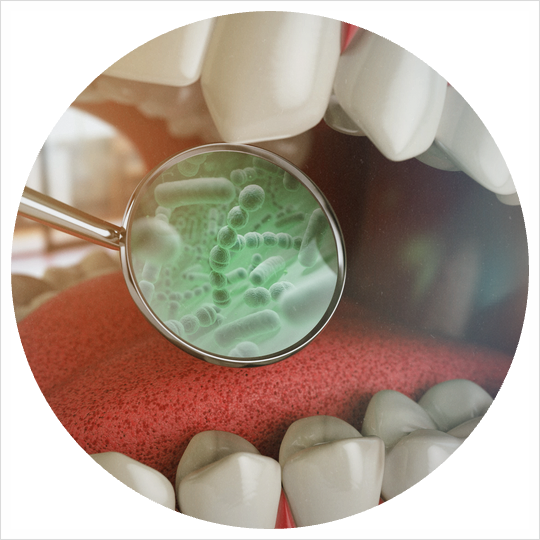
Therefore, in this case too, we recommend shortening the replacement cycle and changing it sooner.
- How can you hygienically care for your toothbrush?
Even if you replace your toothbrush properly, if you do not store or manage it correctly,
that too can allow bacteria to multiply and harm your dental health.
So please follow the precautions below and pay attention to storage and care.
(1) Clean it thoroughly so no residue remains after use
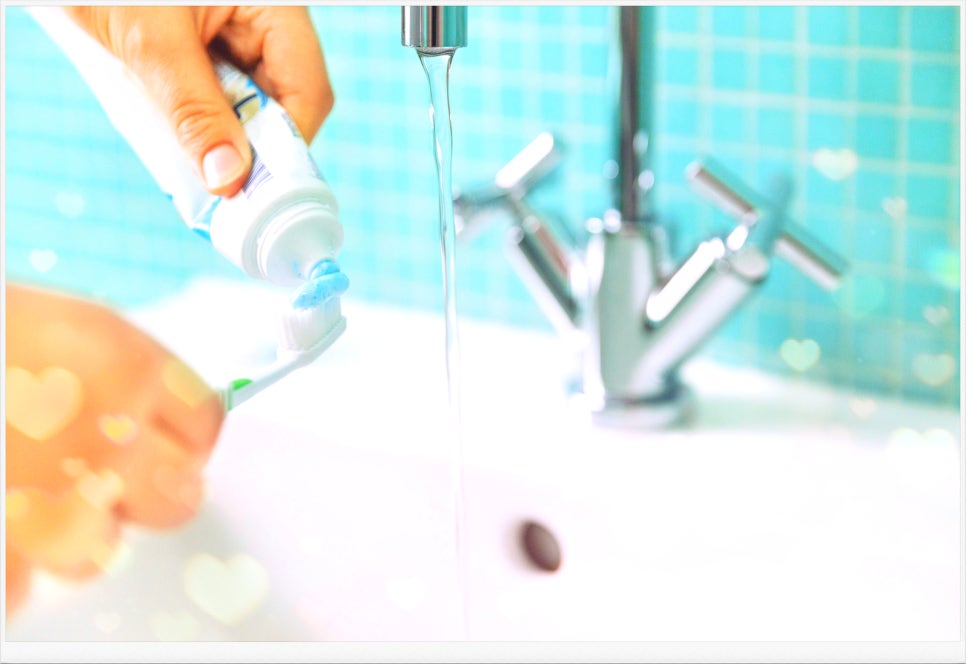
After finishing brushing, when you wash it, make sure no toothpaste or other residue remains.
It is best to rinse it thoroughly under running water.
(2) Make sure to dry it completely before storing it
If it is left without being properly dried, the likelihood of bacterial growth may increase.
That is why, after washing, you need to shake off the water well and let it dry thoroughly.
In addition, when storing it, it should not touch other toothbrushes so that cross-contamination can be prevented, so please keep that in mind.
At this time, using a separate cover or storage case may be helpful.

(3) It is also good to disinfect it periodically
For those who want to manage it more hygienically, replacing the toothbrush more often is good, but
disinfecting it can also be helpful.

Based on 100 ml of water, mix in about one drop of vinegar,
and if you soak the toothbrush for about 5 minutes, you can expect a sterilizing effect.
Baking soda can also help with disinfection.
For this method, dissolve 1 spoonful of baking soda well in warm water and soak the toothbrush for 20 minutes.
However, even in this case, as mentioned earlier, you must make sure to dry it thoroughly.
If the methods above feel inconvenient, using a UV sterilizer can also be an option.
So far, I’ve explained the toothbrush replacement cycle as well as how to store and care for it.
I sincerely hope today’s information was helpful, and I’ll end the post here.
Thank you.