| This post complies with Article 56, Paragraph 1 of the Medical Advertising Act and was written directly by Smile D Dental Clinic to provide accurate medical information. Accordingly, please note in advance that this is a simple medical information post that does not require review under medical advertising regulations. |
Causes and Prevention of Periodontal Disease: Must-Read for Keeping Your Gums Healthy Even 10 Years From Now
Periodontal disease refers to a condition in which the gums are so unhealthy that even a light wind can make the teeth feel loose.
Many people mistakenly think periodontal disease is a problem that naturally occurs as they get older.

In fact, periodontal disease is a type of periodontitis (gum disease),
and it occurs as the periodontal tissues that surround the teeth become progressively damaged.
In severe cases, it is a frightening disease that can cause teeth to become loose or even fall out.
However, if the cause is identified early and managed properly, it can be sufficiently prevented.
In this post, we will look at why periodontal disease develops, its causes and symptoms,
and introduce practical ways to keep your gums healthy even 10 years from now.
Causes of periodontal disease?
The fundamental cause is plaque and tartar
The most basic cause of periodontal disease is poor oral hygiene,
which allows plaque and tartar to build up.
Plaque is a sticky film formed when food debris and bacteria combine,
and if it is not properly removed, it gradually hardens into tartar.
When tartar penetrates between the gums and teeth, it causes inflammation,
which eventually destroys even the bone tissue that supports the teeth, causing the teeth to become loose and fall out.

Meanwhile, periodontal disease is easy to overlook because it often has no obvious symptoms.
If you carefully check the condition of your teeth and gums,
you may be able to detect early signs of abnormality through the following symptoms.
- Early stage (gingivitis)
➡️ At this stage, recovery is possible through proper brushing, flossing, and scaling.
- Mid-stage (mild periodontitis)
-
Gum bleeding occurs more frequently
-
Gums are swollen and painful to the touch
-
Gums gradually recede, making teeth look longer (gingival recession)
-
Bad breath worsens
-
Plaque and tartar build up between the teeth and gums
➡️ At this stage, scaling and gum treatment may be necessary, and if left untreated, periodontitis will worsen.
- Advanced stage (severe periodontitis)
-
Gums recede severely, exposing the tooth roots
-
Teeth begin to become loose
-
Pain occurs when chewing
-
Pus may come out (gum inflammation and infection)
-
Persistent bad breath
➡️ At this stage, periodontal surgery may be worth considering.
- End stage (alveolar bone loss, tooth loss)
-
Teeth become severely loose or fall out
-
Chewing becomes difficult, making eating uncomfortable or impossible
-
The alveolar bone (jawbone around the gums) has nearly disappeared
-
Gums are severely receded, and inflammation persists chronically
➡️ At this stage, tooth extraction and implant or denture treatment may be necessary.
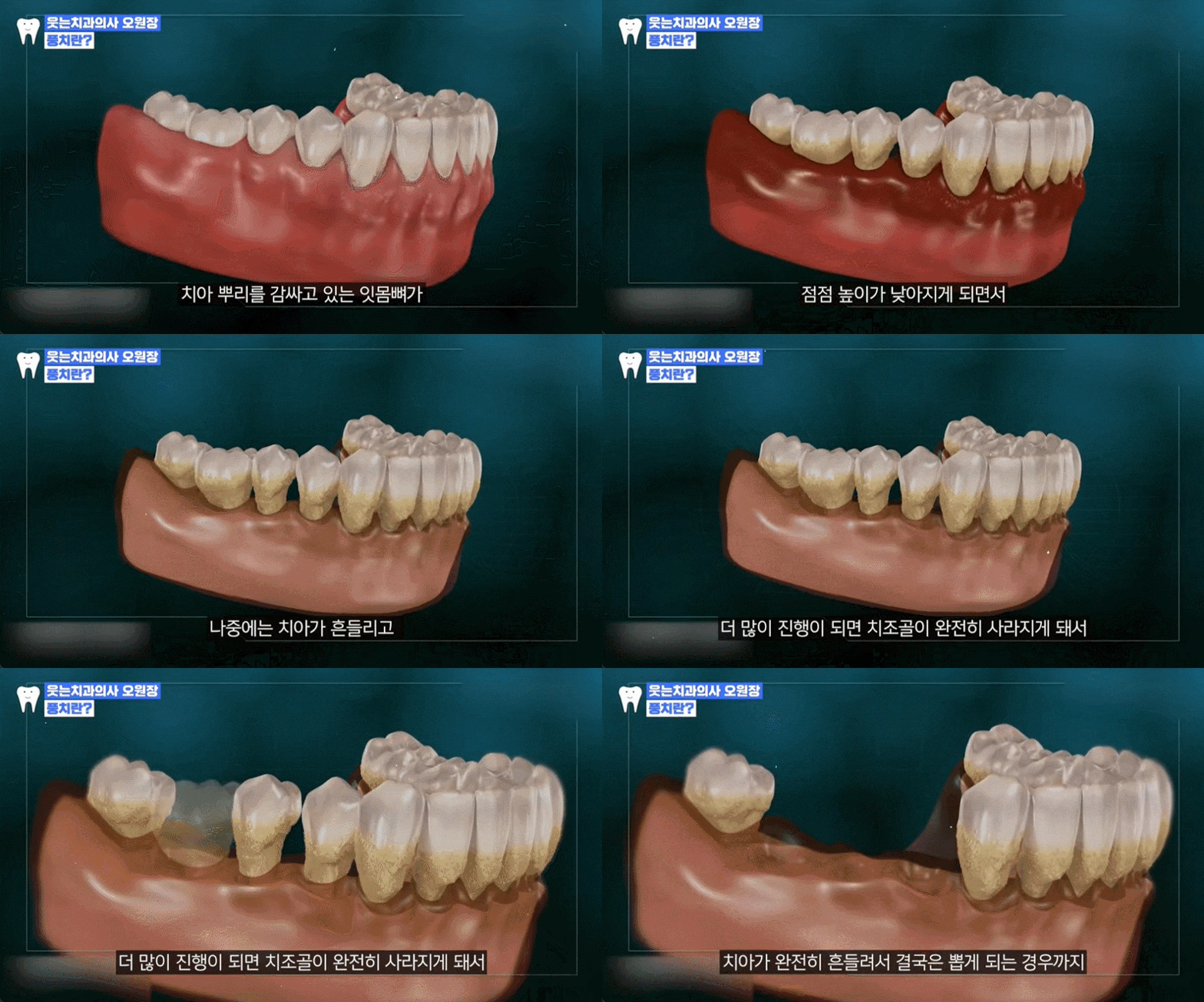
As you can see, the longer periodontal disease is left untreated, the harder it becomes to treat, and it eventually leads to bigger problems.
If it is not treated while it can still be managed with a simple scaling procedure in the early stage,
it may reach the point where a tooth has to be extracted.

So rather than letting a small problem become a big one, please manage and prevent it early.
Next, I will explain specific ways to prevent periodontal disease.
Periodontal disease does not heal on its own
Prevention and thorough management are the only way
Causes of periodontal disease
The most basic preventive measure is proper brushing habits.
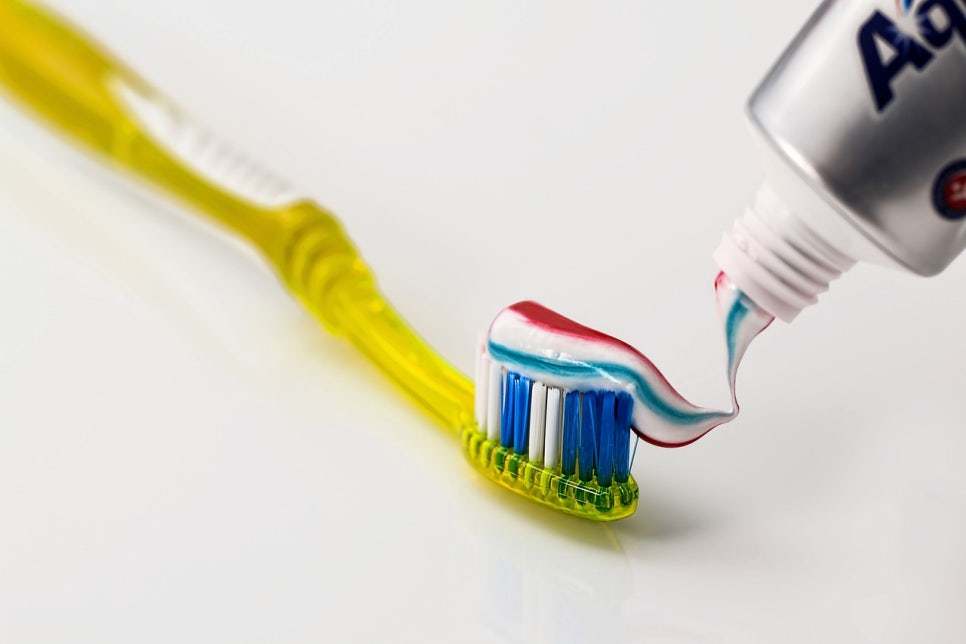
It is recommended to follow the 3-3-3 rule: brush carefully three times a day for at least three minutes within three minutes after meals,
and at this time, it is important to brush gently as if massaging the boundary between the teeth and gums.
Also, to effectively manage plaque and tartar that cannot be removed with a toothbrush alone,
it is a good habit to use dental floss and interdental brushes together.
Regular dental checkups and scaling also play a major role in preventing periodontal disease.
You should get scaling at least once or twice a year to remove tartar,
and if there are abnormal symptoms such as gum bleeding or pain, it is a good idea to get examined.
Along with this, improving lifestyle habits is also important.
Smoking interferes with blood flow in the gums and worsens periodontitis, so quitting is recommended,
and reducing sugar intake while maintaining a balanced diet rich in vegetables, fruit, and protein is helpful.
In addition, reducing stress and overwork and getting enough sleep help improve overall immunity,
which is beneficial for maintaining gum health.
 I've explained the causes and prevention of periodontal disease so far.
To address plaque and tartar, the root causes of periodontal disease, the following two things are most important.
| (1) | Practice proper oral care habits |
|---|
| (2) | Receive regular checkups and scaling |
A small difference in daily habits can determine the health of your teeth, so please prevent problems in advance and manage them consistently.
| ※ All treatments may cause side effects depending on the individual, so please proceed after sufficient consultation. |