
Flossing Order: Before Brushing? After?
The Correct Way to Use Dental Floss
Hello, I’m dentist Oh Suhwan with 18 years of experience.
Many of you may use dental floss or interdental brushes for oral health.
Ironically, however, there are many cases where improper use of dental floss or interdental brushes causes gum problems.
This can increase the risk of gum inflammation or periodontal disease,
leading to results that can be worse than not using them at all.
Today, I’ll take a detailed look at the flossing order, as well as how to use dental floss and interdental brushes specifically.
How to Use Dental Floss: Just Follow This
Flossing Order
Dental floss is an aid that helps clean areas that brushing alone cannot reach thoroughly.
It can also be said to be essential for preventing tartar buildup and protecting gum health.
But if used incorrectly, it can place excessive stress on the gums,
causing tiny wounds or inflammation.
So how should you use it? I’ll explain step by step now.
① First, tear off a length of about 40 cm (roughly shoulder width).
If it is too short, it is difficult to move properly, and if it is too long, it becomes hard to handle.
② Next, wrap both ends of the floss around the middle or index fingers of each hand,
leaving about 2–3 cm of floss between your hands.
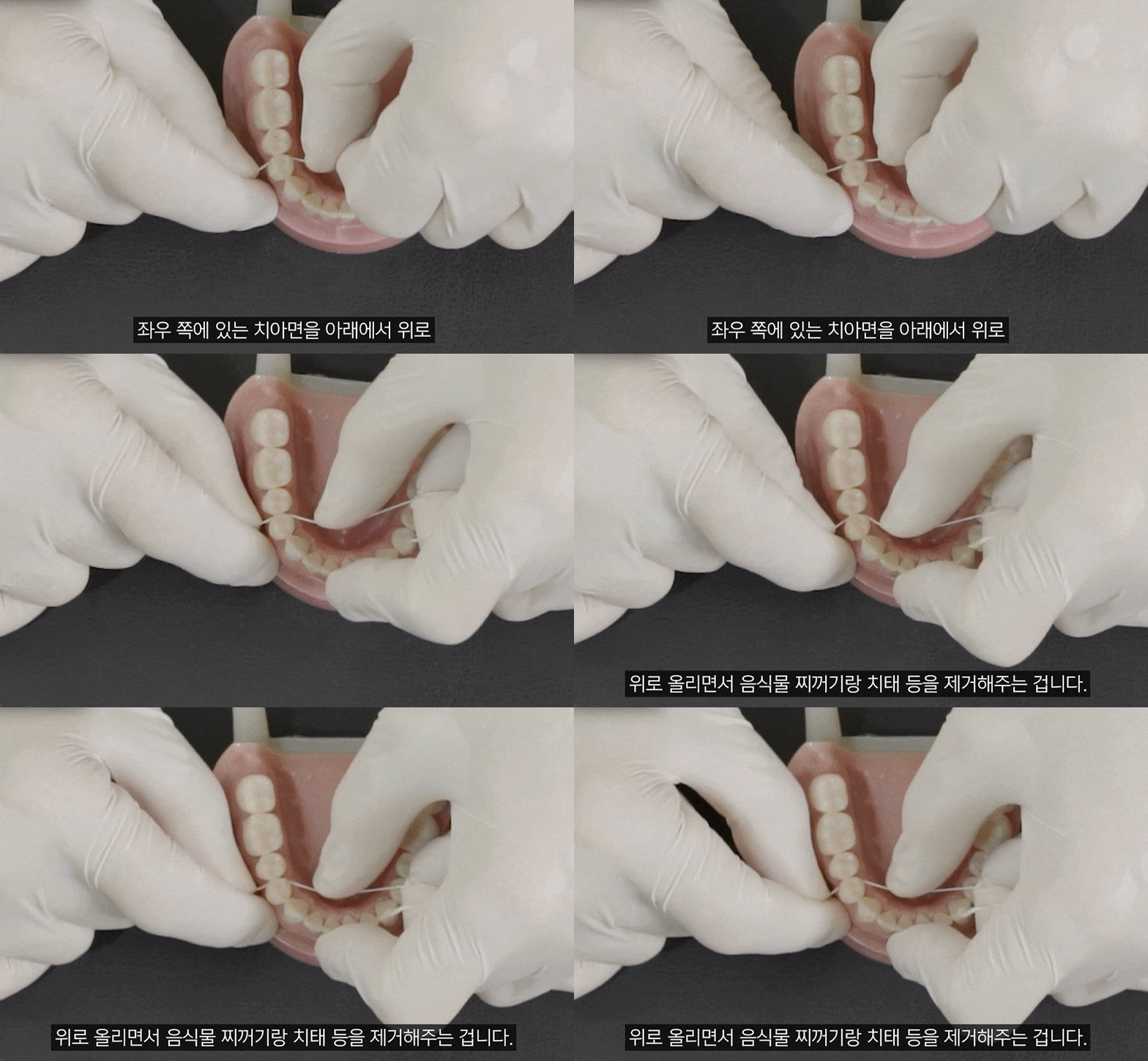
When inserting the floss between your teeth, do so gently so as not to strain the gums.
③ Once the floss touches the tooth, curve it into a C shape along the contour of the tooth,
press it as closely as possible against the tooth surface, and move it upward from below to remove plaque and debris.
There is a tiny gap between the tooth and the gum,
so gently insert the floss into that space, then clean by lifting along the outer tooth surface from below upward.
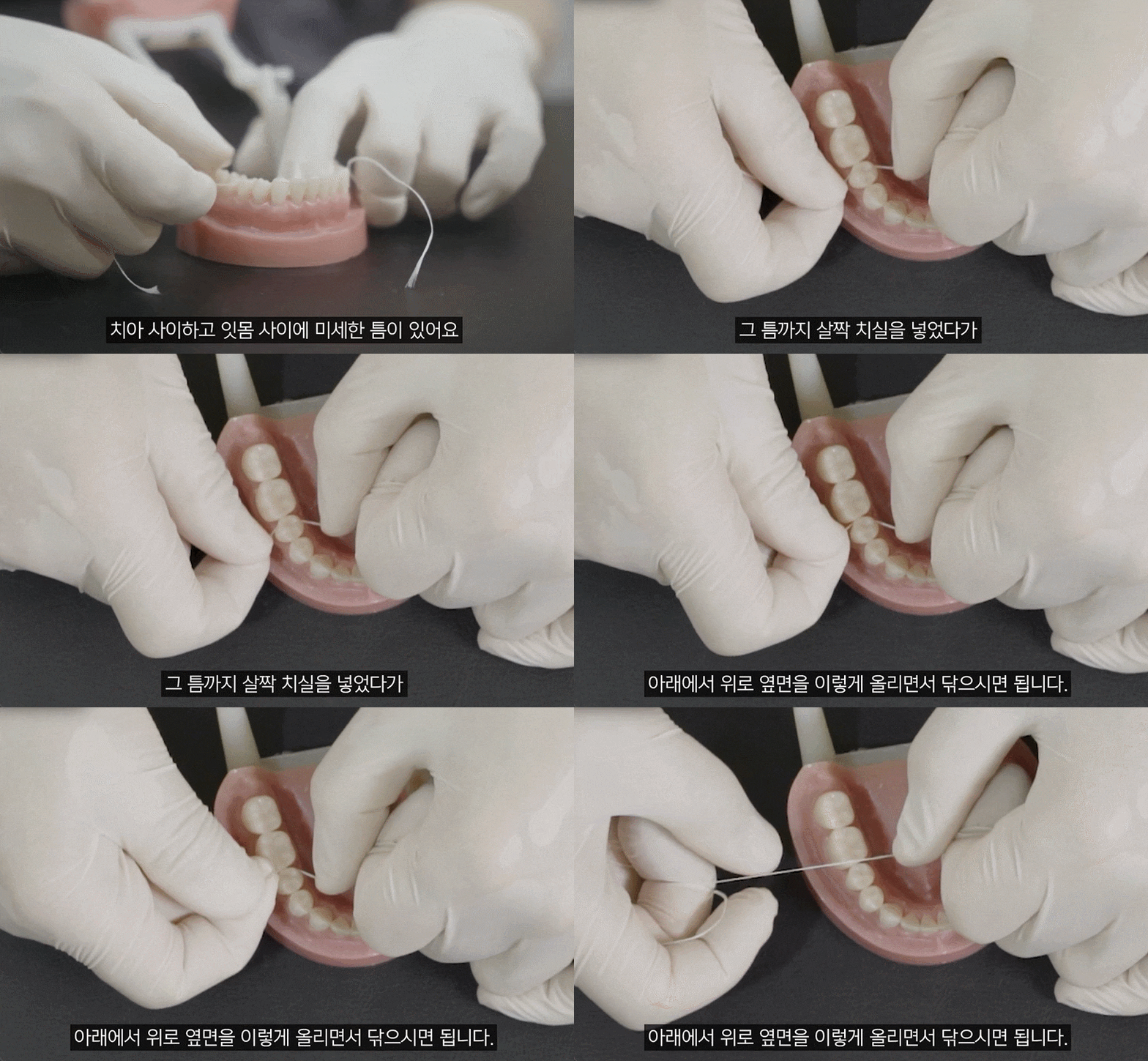
④ To prevent cross-contamination, use a clean section of floss each time you move from one tooth to another.
When using floss, people may make the mistake of applying too much force
or moving it repeatedly in only one direction.
This can irritate the gums and cause inflammation.
Therefore, it is important to proceed slowly and gently.
Should You Floss Before Brushing? Or After?
Which order is better?
Many people are also curious about the flossing order.
According to research, flossing first and then brushing
has been reported to improve plaque removal.
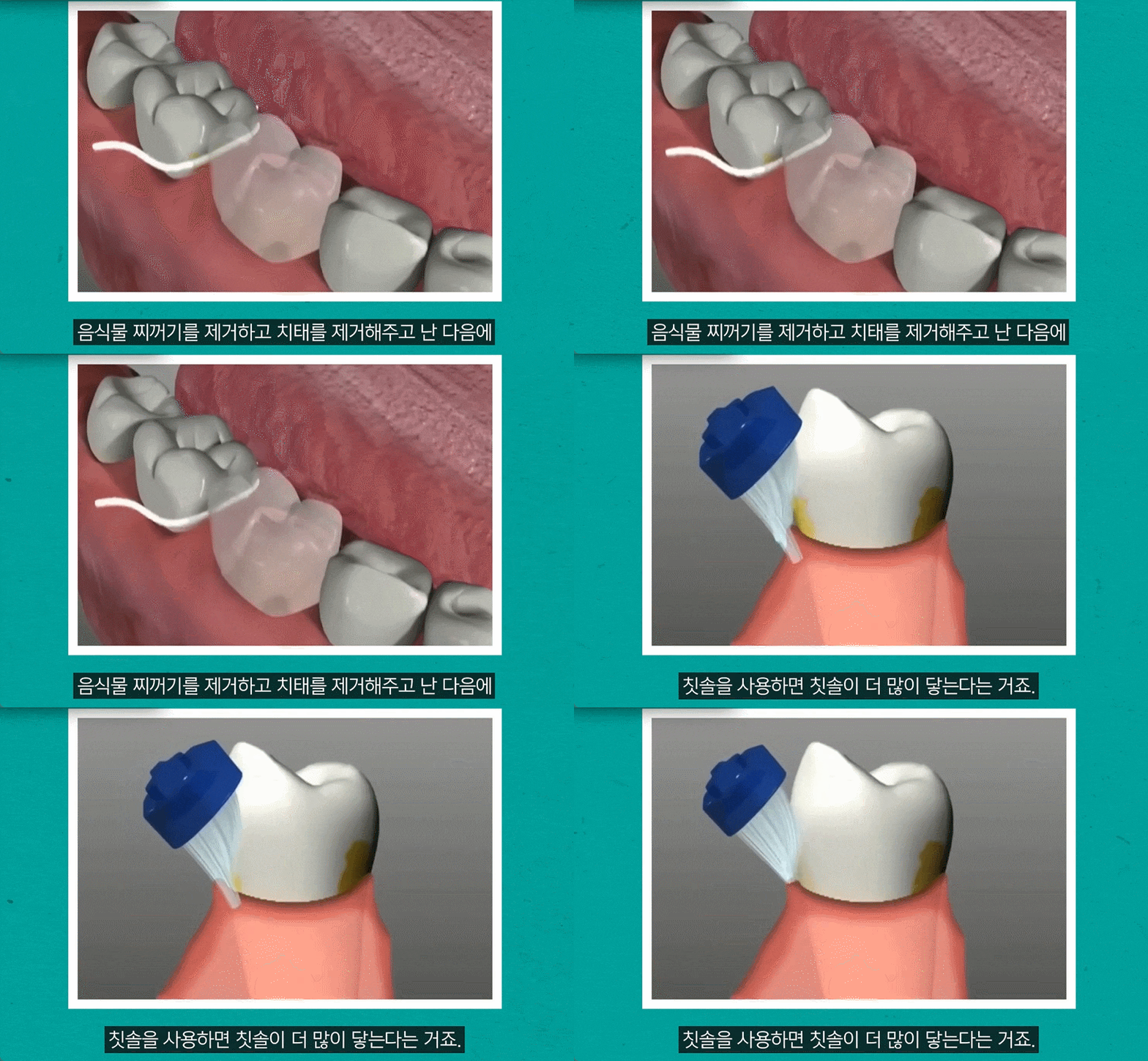
After using floss to remove food debris and plaque from areas that the toothbrush has difficulty reaching,
using a toothbrush afterward increases the area it can reach, which is said to be better for oral care.
Next, I’ll share precautions for those who also use interdental brushes, so please keep them in mind.
Using an Interdental Brush?
If You Don’t Know This, It Will Only Harm Your Gums More
Flossing Order
Many people use interdental brushes along with floss.
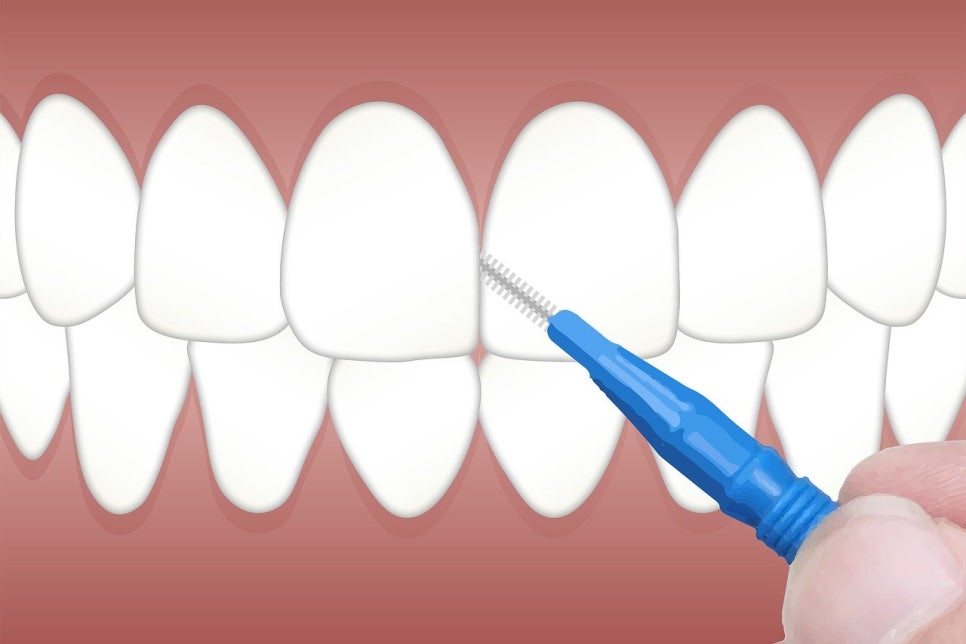
If floss is useful for inserting between teeth and cleaning the adjacent tooth surfaces,
an interdental brush is a tool needed to clean black triangles.
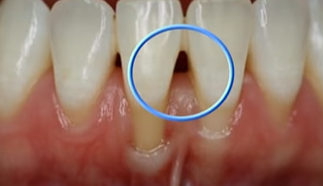 *What is a black triangle?
It refers to a triangular empty space where the area below the contact point between two teeth is not filled by gum tissue.
In particular, when there is gum recession and the empty space below the contact point between two teeth is large,
using an interdental brush is helpful.
An interdental brush has a soft brush shape and can clean a wide space between teeth.
Use it gently to clean the empty space below the contact point between teeth.
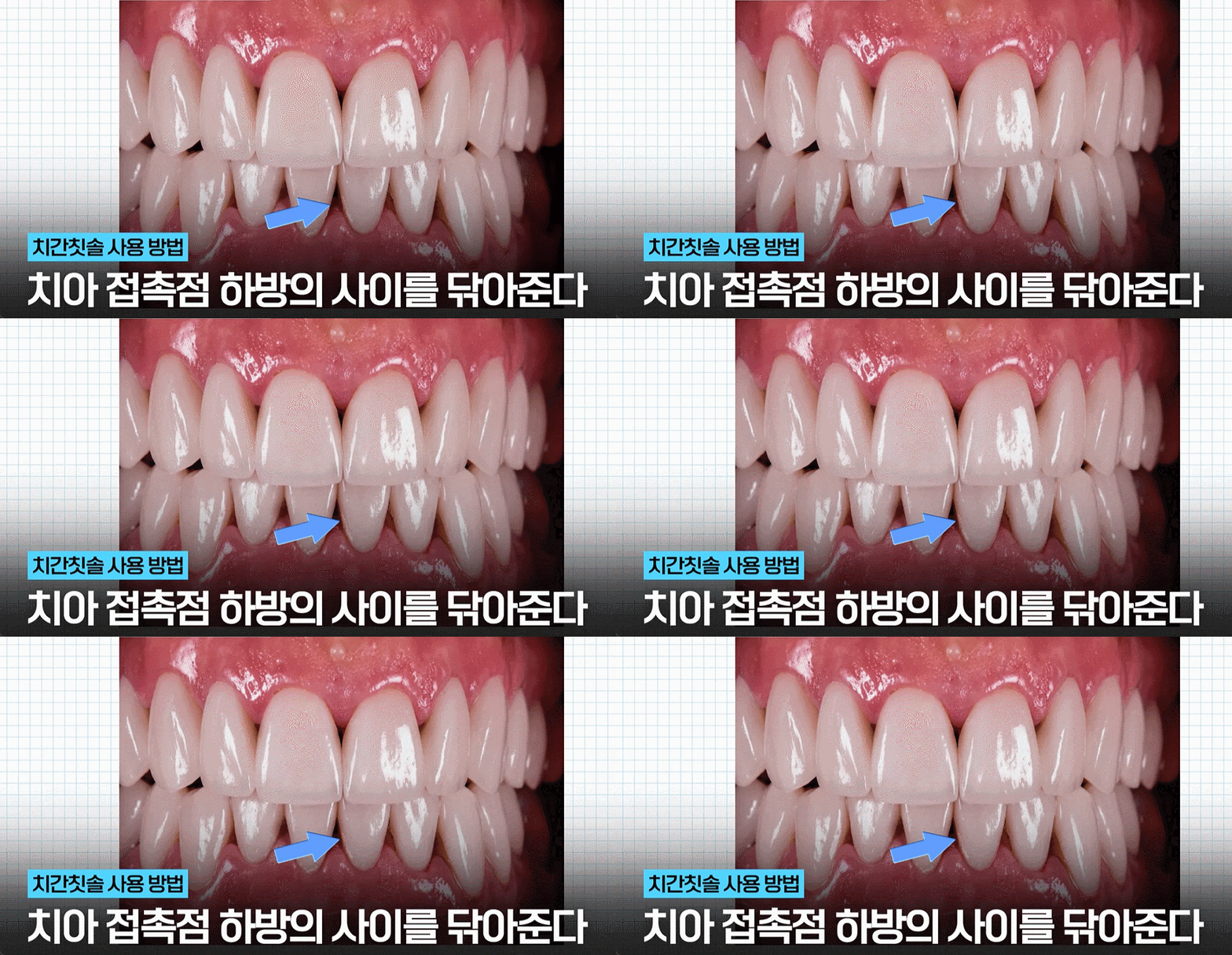
What you need to pay attention to here is the size of the interdental brush.
It should not be too large or too small,
and it is best to choose a size that can sufficiently fill the space between the teeth.
If it is too thin, it will not be effective,
and if it is too large, pressure may be placed on the gums, which can cause gum bleeding or inflammation.
Also, it is best not to apply toothpaste if possible.
Because most toothpastes contain abrasives,
using toothpaste with an interdental brush may increase the chance of wear on the tooth root (cervical area).
(Water alone is enough ^^)
One more thing: for people in their 20s and 30s with good gum health, there is usually not much of the space called a black triangle.
If the gum tissue called the interdental papilla is still intact, there is no need to force the use of an interdental brush.
If used forcibly, gum recession may occur, so please be careful.
When Using Floss and an Interdental Brush Together
What Is the Flossing Order?
In general, it is best to use an interdental brush after flossing.
This is because the interdental brush can gently clean once more any debris that floss could not thoroughly remove.
To summarize,
First step: Use floss to remove debris and plaque between the teeth.
Second step: Gently push out and clean any remaining debris in the black triangle that was difficult to remove with floss
using an interdental brush.
Third step: Carefully brush the teeth and gum line with a toothbrush.
Finally, if you use an oral rinse to remove bacteria throughout the mouth,
you can complete the best possible oral hygiene care.
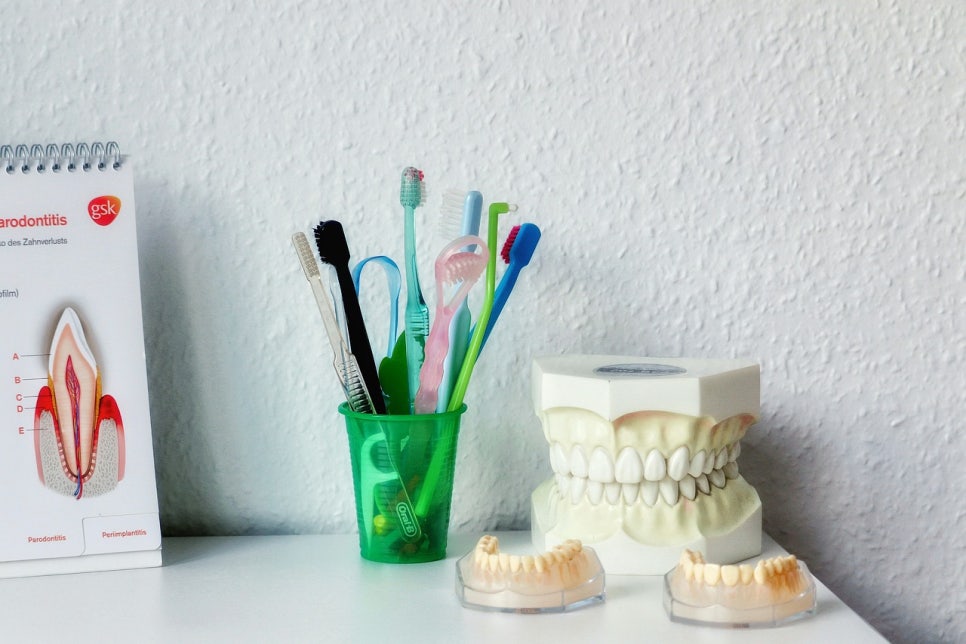 Please refer to today’s flossing order and interdental brush usage guidelines,
and build proper oral care habits.
Just doing this much will be a great help in maintaining healthy teeth and gums.
Thank you.