
Types and Causes of Bad Breath, and How to Resolve It
<Must-Read If Your Breath Smells Terrible>
Hello.
I’m Oh Su-hwan, a dentist with 18 years of experience.
Bad breath is something you may not notice yourself, but it can be unpleasant for the people around you.
There are many different causes of bad breath.
It is not simply due to poor oral hygiene,
and it may also be an abnormal sign that points to a health problem.
Today, I’ll look at the different types and causes of bad breath and introduce effective ways to address it.
What are the types and causes of bad breath?
Bad breath can be broadly divided into three types.
✔️ Physiological bad breath
✔️ Pathological bad breath - oral causes
✔️ Pathological bad breath - non-oral causes
First, “physiological bad breath” refers to bad breath that occurs in normal daily life.
Normally, saliva contains enzymes called lysozyme and lactoferrin,
which dissolve and destroy bacterial cell walls and inhibit the growth of microorganisms.
However, if saliva is not secreted properly, the self-cleansing function in the mouth weakens, allowing various bacteria to grow,
and as a result, bad breath can occur.
As people enter middle age or old age, saliva secretion in the mouth decreases,
a variety of periodontal diseases increase, and about 50% of people end up having bad breath.
| Q&A) Even young, healthy people feel that their breath smells in the morning when they wake up. Why is that? |
This is because food debris, oral cells, and saliva left throughout the mouth overnight decompose.
In particular, people who snore heavily and breathe through their mouth may have even drier mouths and stronger odors.
| Q&A) After a long period of physical activity, people say their breath smells sweet. Why is that? |
This happens because food intake decreases, which also reduces saliva secretion, activating oral bacteria,
and because the body enters a hypoglycemic state, certain fatty acids that cause bad breath are produced.
Second, “pathological bad breath” refers to bad breath caused by oral diseases or non-oral diseases.
Among the causes of pathological bad breath, 85–90% are due to problems in the mouth.
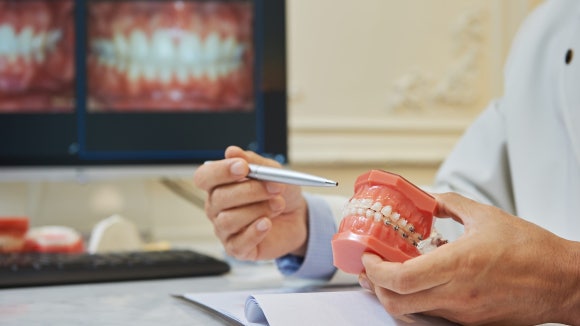
Periodontal disease, dental caries (cavities), prosthetics, and similar issues can
allow bacteria in the mouth to multiply and cause bad breath.
Also, an unclean oral condition can lead to the buildup of tongue coating or tartar, causing bad breath.
Meanwhile, non-oral causes include various systemic diseases.
Bad breath can worsen due to chronic sinusitis,
and in some cases, severe bad breath is caused by tonsil stones, the yellow granules that form in the tonsils.
Also, when the esophagus, stomach, and duodenum are damaged by a Helicobacter infection,
sulfur compounds that cause bad breath can form, leading to bad breath,
and bad breath can also be triggered by systemic diseases such as lung cancer, lung abscess, and liver cirrhosis.
As you can see, the types and causes of bad breath are varied.
However, in most cases, bad breath is caused by problems that develop inside the mouth,
so in the following section, I’ll explain in detail how to keep your mouth clean.
How to resolve bad breath and how to manage it
Types of bad breath
If oral hygiene is not properly maintained,
tiny bacteria, food debris, and dead cells in the mouth can mix together
to form tongue coating (white tongue), a thin white film.

If tongue coating builds up a lot, bad breath becomes a problem,
and it can also cause various mucosal problems in the mouth or lead to gum disease and cavities.
Therefore, it is good to remove tongue coating effectively and keep your mouth clean,
and to do so, you can try the following methods.
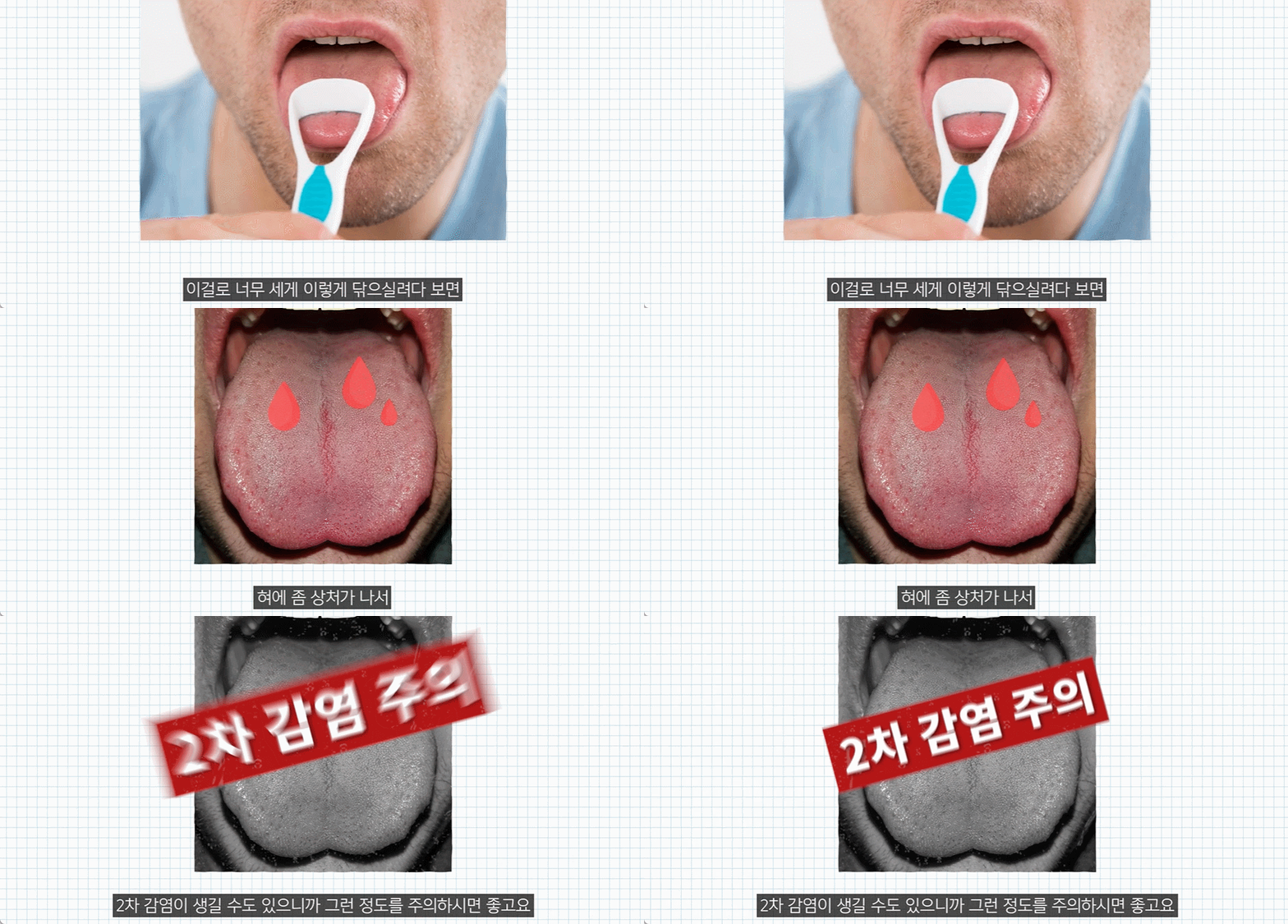
First, using a tongue cleaner is effective for removing tongue coating.
It is best to use a tongue cleaner once or twice a day, especially after brushing in the morning and evening,
and to gently scrape from the back of the tongue toward the front.
Applying too much pressure may damage the surface of the tongue and raise the risk of secondary infection,
so it is important to repeat the motion while maintaining appropriate force.
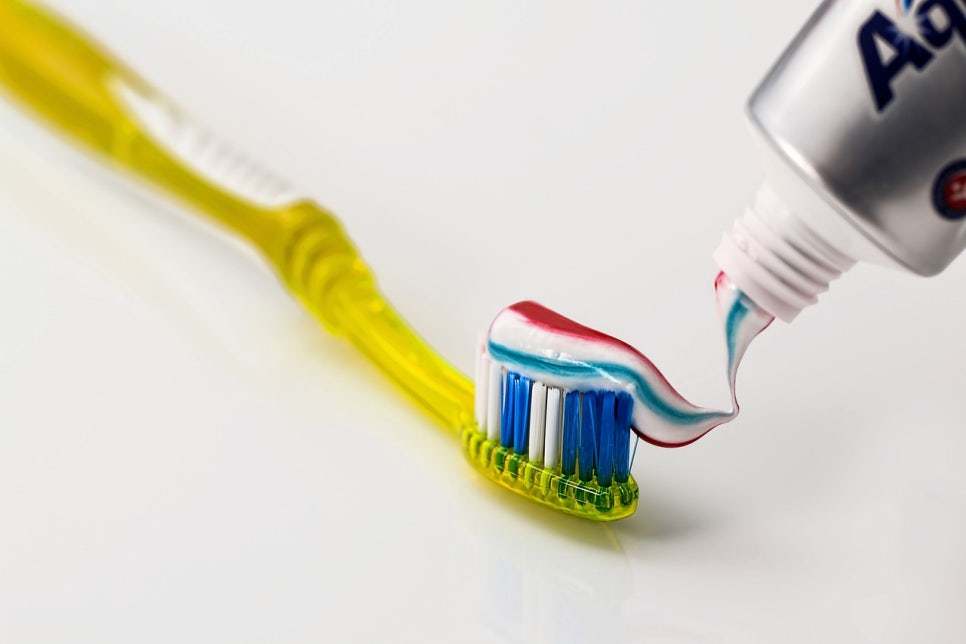
If you don’t have a tongue cleaner, you can gently brush the surface of your tongue with a soft toothbrush.
In that case, applying a small amount of toothpaste can improve bacteria removal.
After using a tongue cleaner, rinse your mouth with water or mouthwash to remove any remaining waste.
Also, to maintain oral hygiene, it is generally good to brush thoroughly 2–3 times a day.
It is best to brush within 30 minutes after a meal,
and to carefully clean each tooth along the gum line.
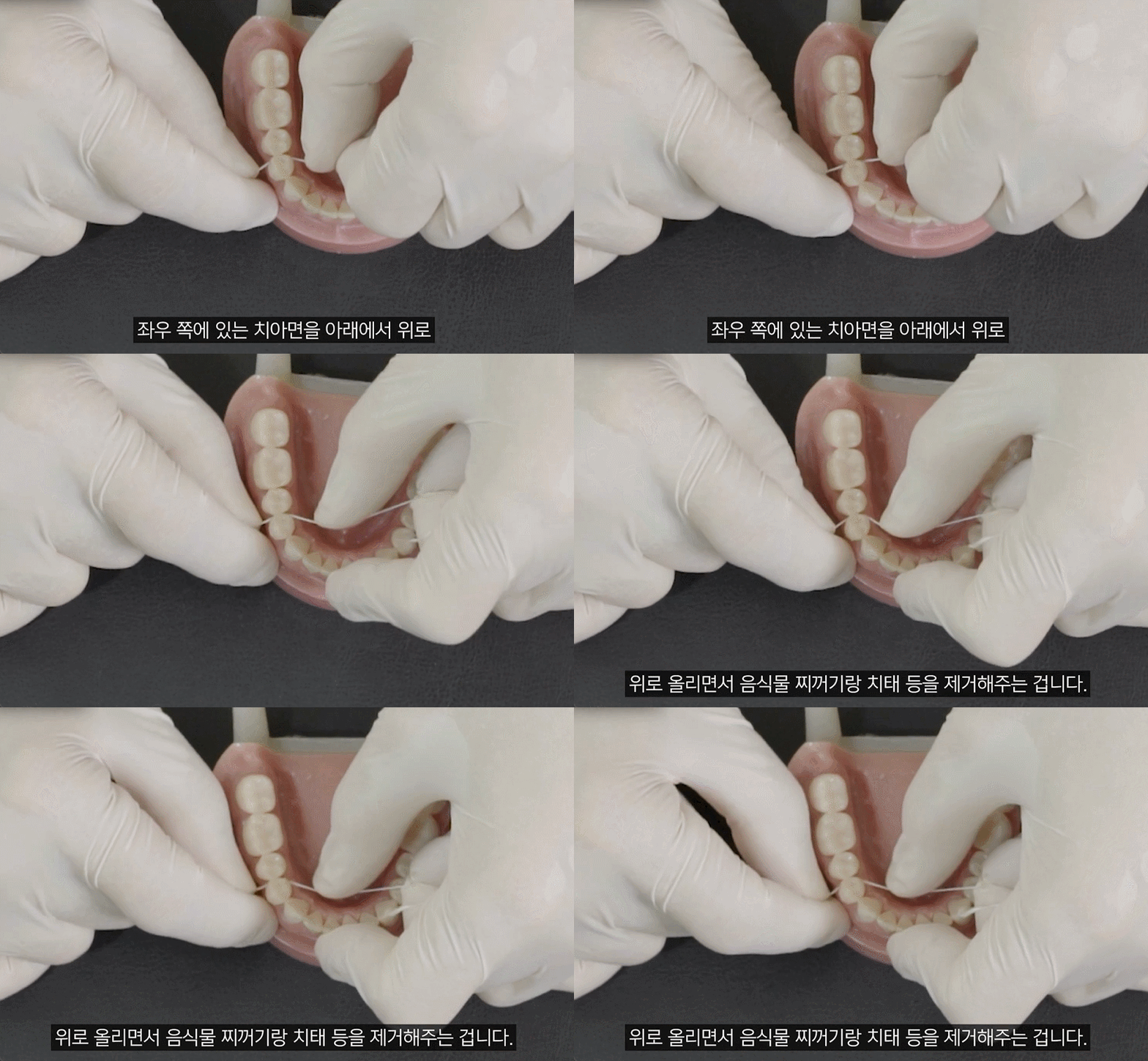
Also, to remove food debris between teeth that cannot be cleaned with a toothbrush alone,
using dental floss or interdental brushes is a good method.
After brushing, gargling with mouthwash once or twice a day
can help reduce bacteria in the mouth and prevent halitosis.
Preventing dry mouth is also an important factor in reducing bad breath.
Drinking enough water, about 1.5–2 liters a day, to keep the mouth moist can suppress bacterial growth,
and eating fruits and vegetables rich in fiber can naturally help clean the mouth.
On the other hand, reducing the intake of stimulating foods such as coffee, alcohol, and tobacco can help prevent tongue coating and bad breath.
Finally, regular dental checkups are also important.
It is good to check your oral health about once every six months,
and if necessary, get scaling to remove plaque and tartar.
If you do this, you may be able to effectively eliminate bad breath caused by oral factors,
without needing to go to the dentist.
 So far, we’ve looked at the types and causes of bad breath, as well as how to address it.
I hope you’ll refer to the information above and maintain a fresh, healthy mouth. ^^
Thank you.