
My mouth feels very dry and cracked,
what are the causes and solutions?
I am Oh Su-hwan, and I have been taking care of patients’ oral health for 18 years.
Today, I would like to talk about “dry mouth,” something many people experience.
Usually, you may think of your mouth becoming dry when you are tense or stressed,
or when your body loses water quickly during long periods of exercise.
But if your mouth often feels dry even in everyday life and it causes discomfort, you may want to consider “xerostomia.”
In severe cases, dry mouth can make not only speaking but also chewing and swallowing food uncomfortable.
Since it often cannot be solved simply by drinking more water,
it is better to identify the exact cause and find the right solution for it.
Next, I will explain the causes one by one.
I keep drinking water, but
why does my mouth keep getting dry?
A dry mouth is not caused only by a lack of fluids.
There can be several causes, so let’s look at some of the most common ones.
First cause: medication
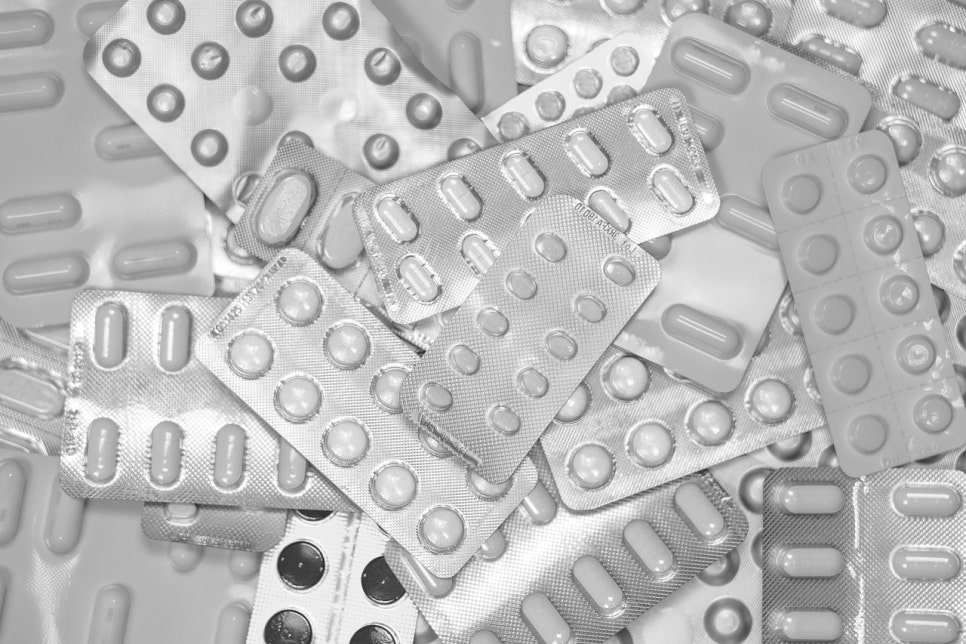
One of the most common causes of dry mouth is “medication.”
Some medications, such as blood pressure drugs, antidepressants, antihistamines, and sleeping pills, suppress salivary gland function
and make the mouth dry.
In particular, older adults who take multiple medications for chronic conditions
often take one or more drugs that affect saliva production.
Second cause: aging
As people get older, salivary gland function may decline and saliva production may decrease.
In particular, many people in their 60s and older complain of dry mouth symptoms.
Third cause: habitual mouth breathing due to an ear, nose, and throat condition
A crooked septum that divides the nasal cavity left and right is called a deviated septum.
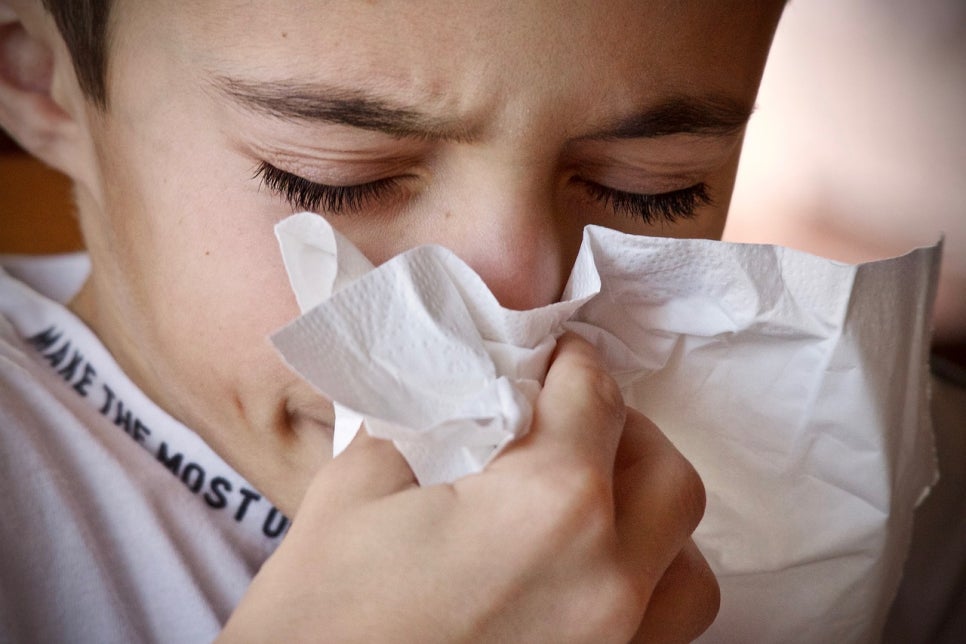
If you have symptoms such as nasal congestion or rhinitis due to a deviated septum and have developed the habit of breathing through your mouth,
the oral mucosa can become persistently dry.
Also, when the throat becomes narrower due to enlarged tonsils,
a child or even a typical adult who breathes through the mouth may complain of dry mouth symptoms.
Fourth cause: systemic disease
Systemic diseases can also cause dry mouth.
For example, people with diabetes whose blood sugar is not well controlled may feel thirsty often,
and in hypothyroidism, saliva production may decrease as metabolism slows down.
Also, in a condition called Sjögren’s syndrome, salivary glands and tear glands are damaged due to an abnormal immune system,
which can cause severe dry mouth symptoms.
(In the case of Sjögren’s syndrome, in addition to dry mouth, symptoms such as oral burning, dental abnormalities, voice changes, dry eyes, a foreign-body sensation in the eyes, and red eyes may appear.)

In addition, psychiatric issues such as smoking, fear, anxiety, and depression can also cause xerostomia.
The problem is that dry mouth can also cause cavities and gum disease.
Saliva contains minerals and antibacterial components that protect the teeth,
and it helps suppress the growth of cavity-causing bacteria such as Streptococcus mutans.
If saliva is not produced properly and the mouth becomes dry, the teeth become more vulnerable to cavity-causing bacteria and can be damaged more easily.
Saliva also helps wash away and suppress bacteria in the mouth,
but if there is not enough saliva, bacteria can more easily stick to the teeth and gums and cause inflammation.
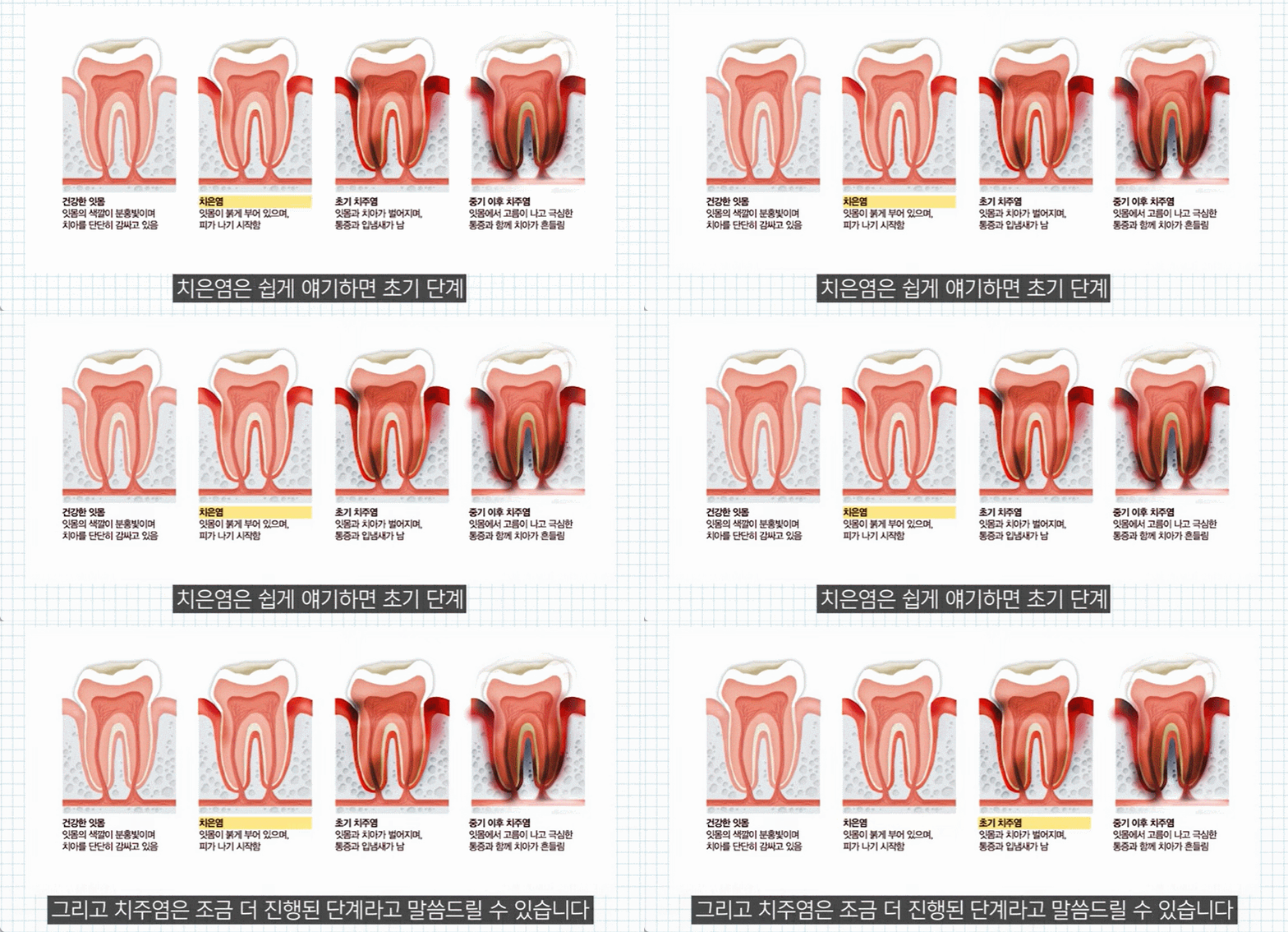
When bacteria build up, gingivitis can occur, causing the gums to swell and become inflamed,
and in severe cases, it can progress to periodontitis.
Dry mouth: solutions according to the cause
What can be done about xerostomia?
The approach differs depending on the cause discussed above.
If medication is the cause, it is a good idea to consult the doctor in charge about whether the medication can be changed to an alternative,
or whether the dosage can be adjusted.
If a systemic disease such as diabetes, Sjögren’s syndrome, or thyroid disease is the cause,
then treatment of the underlying disease should come first.
(The same applies to ear, nose, and throat conditions.)
Aside from cases where medication use or disease is the cause,
many cases of xerostomia occur because the salivary glands are not functioning properly.
Here are some methods you can try in that case.
First, there is a way to stimulate the salivary glands.
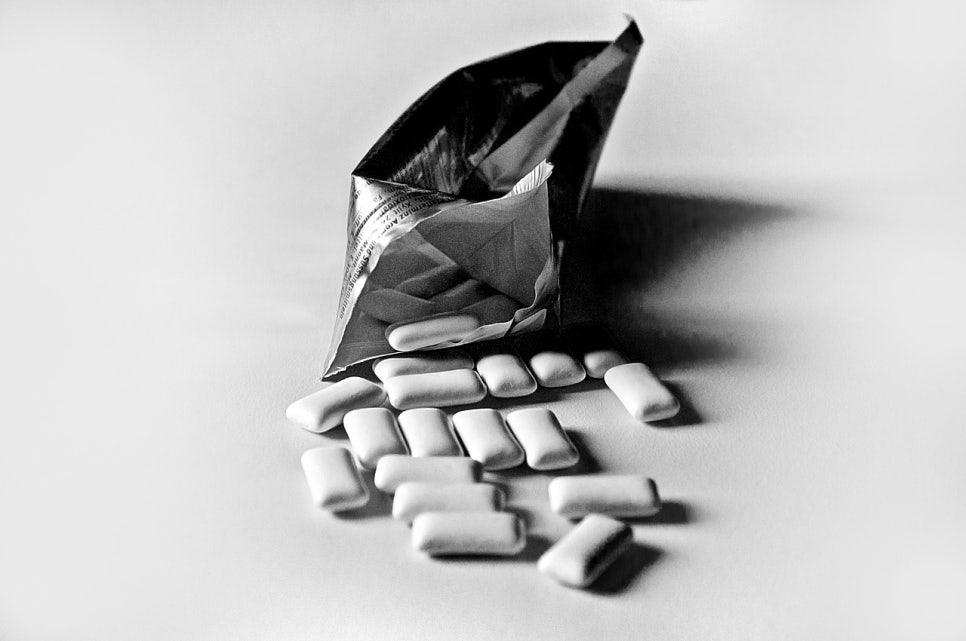
Chewing xylitol gum or sugar-free candy can stimulate the salivary glands and increase saliva production.
Eating sour foods, such as lemons and oranges, can also help.
It is also a good idea to improve your lifestyle habits.
It is important to drink at least 8 glasses of water a day consistently,
and it is also necessary to reduce or quit alcohol and smoking.
Using saliva substitutes or oral moisturizers can also help.
The most commonly used product is artificial saliva sold in gel or spray form.
If symptoms are severe, it can be used to get short-term relief.
For reference, recent research has been attempting to stimulate saliva production through electrical stimulation or acupuncture,
and efforts are also being made to treat xerostomia using stem cells or growth factors.
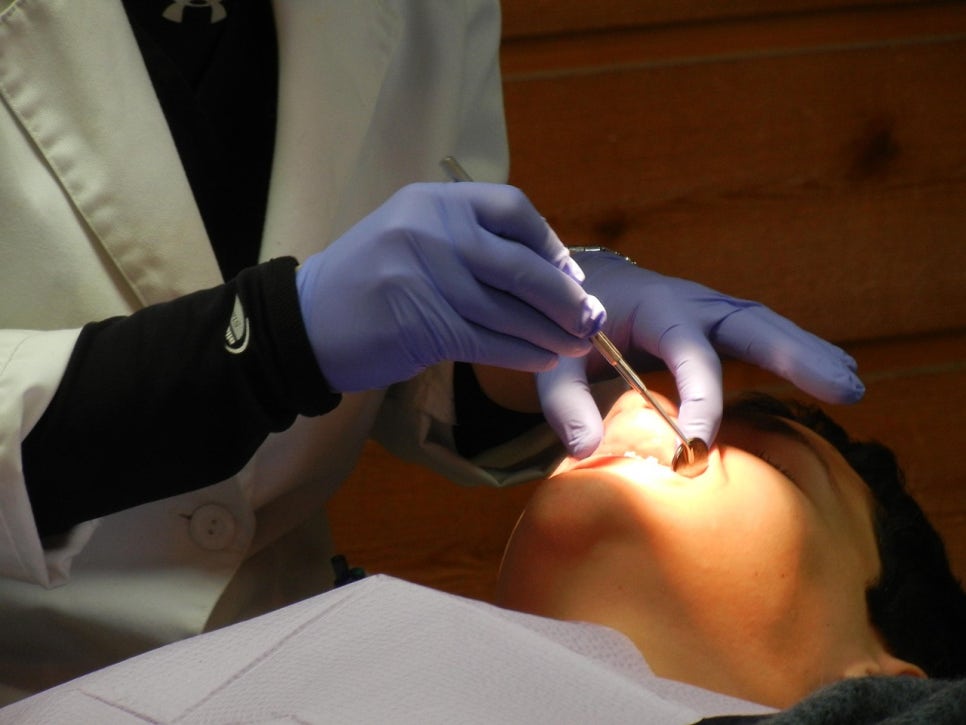
A dry mouth is more than just a minor discomfort; it can also affect oral health.
In particular, because it increases the risk of cavities and gum disease,
I hope you will identify the cause accurately and respond appropriately.
If necessary, please visit a specialist for an accurate diagnosis.
Thank you.