One front tooth sticks out,
so isn’t partial orthodontics enough?
This is a question I hear very often.
You may also be looking in the mirror and thinking,
‘If only that one front tooth could be moved slightly inward, do I really need full orthodontic treatment?’
Many of you may be wondering that.
To conclude first:
Starting partial orthodontics blindly without an accurate diagnosis can be risky.
Because teeth are not just about what you can see.
When you look inside the mouth, it is very common that the issue is not just one front tooth.
That is because the molar bite, jaw position, and even the direction in which the teeth have grown all affect one another.
Hello,
I am dentist Oh Su-hwan, who has built trust with patients with no disputes while providing more than 4,000 orthodontic treatments.
Today, I’d like to honestly explain who partial orthodontics is suitable for,
and for whom I would recommend against it.
[Smile D Dental Clinic Information]
| ☎️ Smile D Dental Clinic Phone Number |
|---|
| 0507-1449-2087 |
| ℹ️ Smile D Dental Clinic Website |
|---|
| Official website |
| 🎥 Smile D Dental Clinic YouTube |
|---|
| YouTube |
Three cases where partial orthodontics worked well
Partial orthodontics, as the name suggests, is a method that corrects only some teeth.
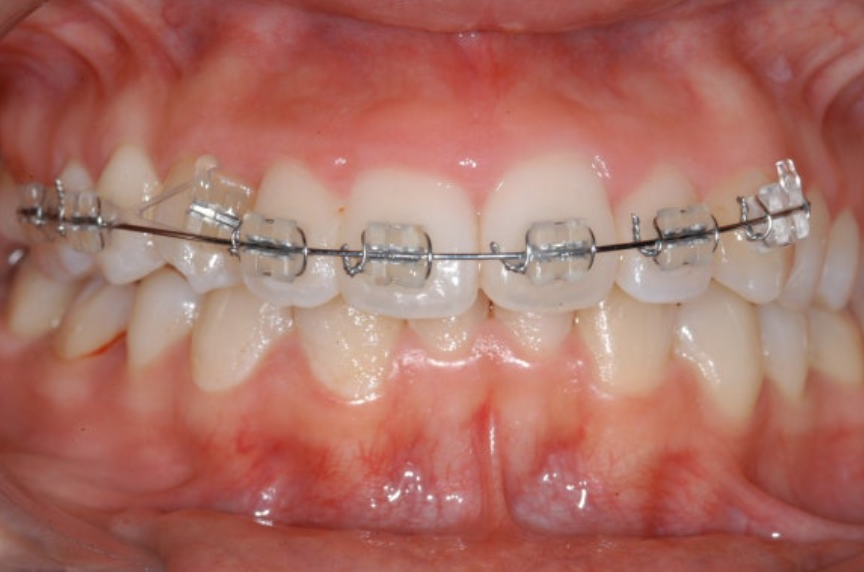
Example photo of partial orthodontics for the front teeth
Compared with full orthodontics, the treatment period is shorter, and the cost can be reduced to about half, which is an advantage.
So, for whom can partial orthodontics produce good results?
Let me show you three cases I actually treated.
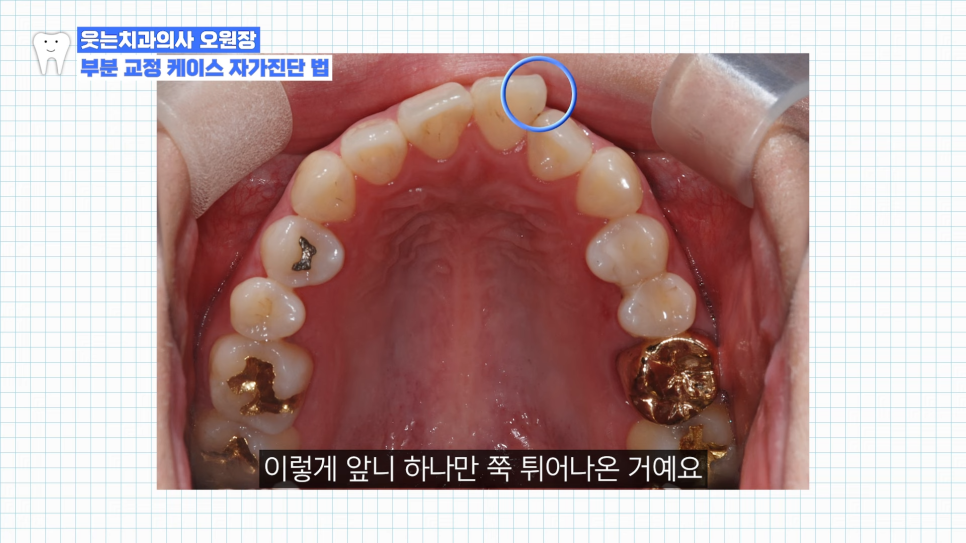
As you can see, this is a case where one front tooth sticks out noticeably.
In such cases, if appliances are attached only to the front teeth and the protruding tooth is moved inward,
it can become aligned in harmony with the other teeth.
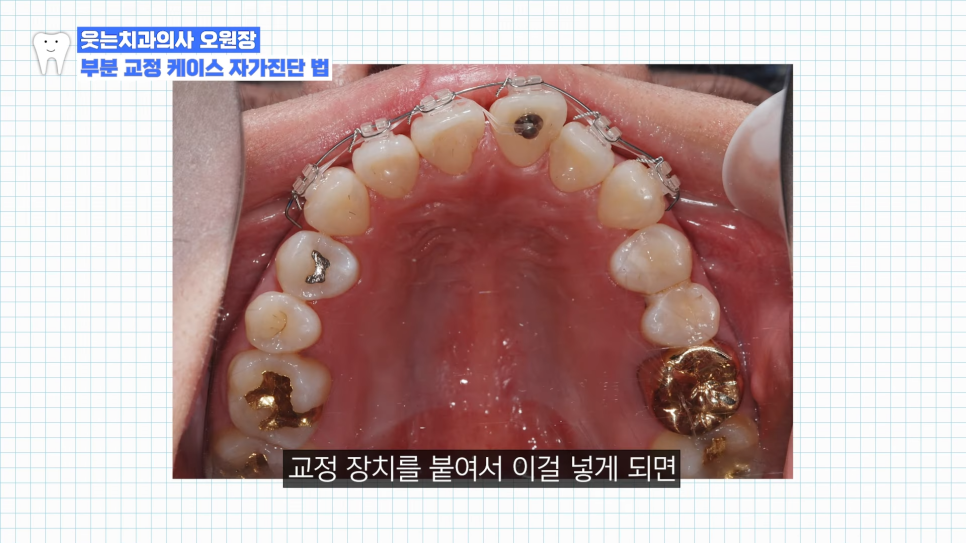
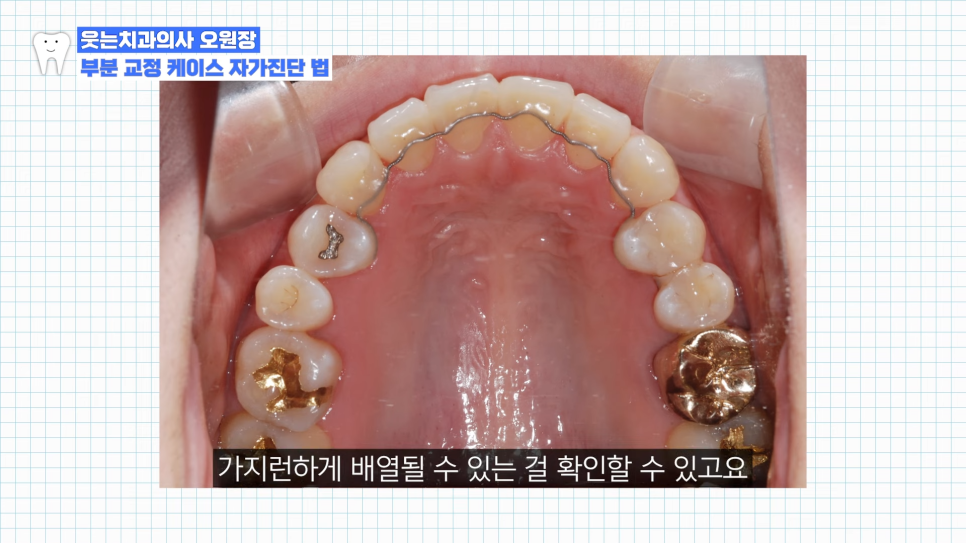
*Treatment period: 2024.03.15 - 2024.8.21
*The before-and-after photos were posted with the patient’s consent and were taken under the same environment and conditions.
*All treatments may involve side effects, so please make your decision after sufficient consultation with a doctor.
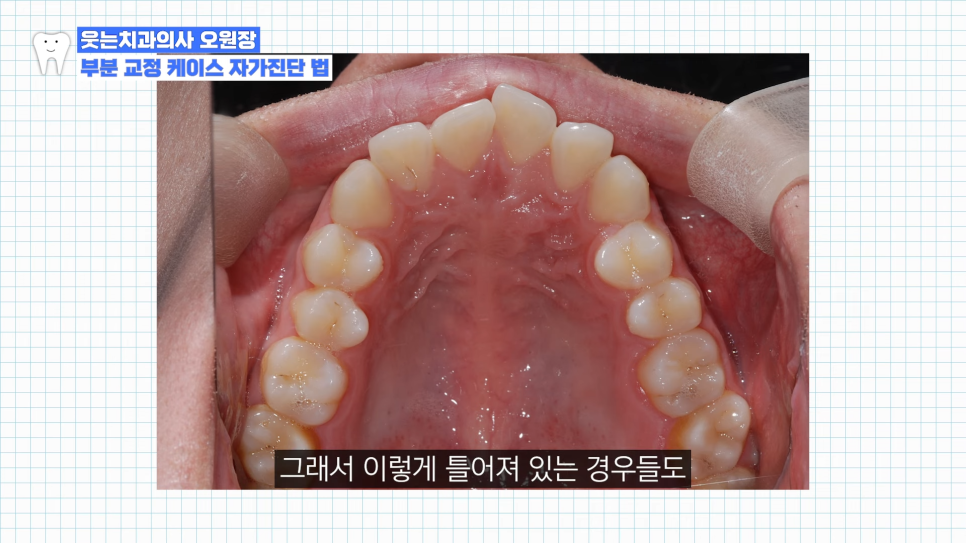
This case involved several front teeth that were slightly misaligned.
Even in cases like this, treatment is possible by creating space through interproximal reduction (making space between the teeth) or slight expansion,
and then attaching appliances only to the front teeth to align them.
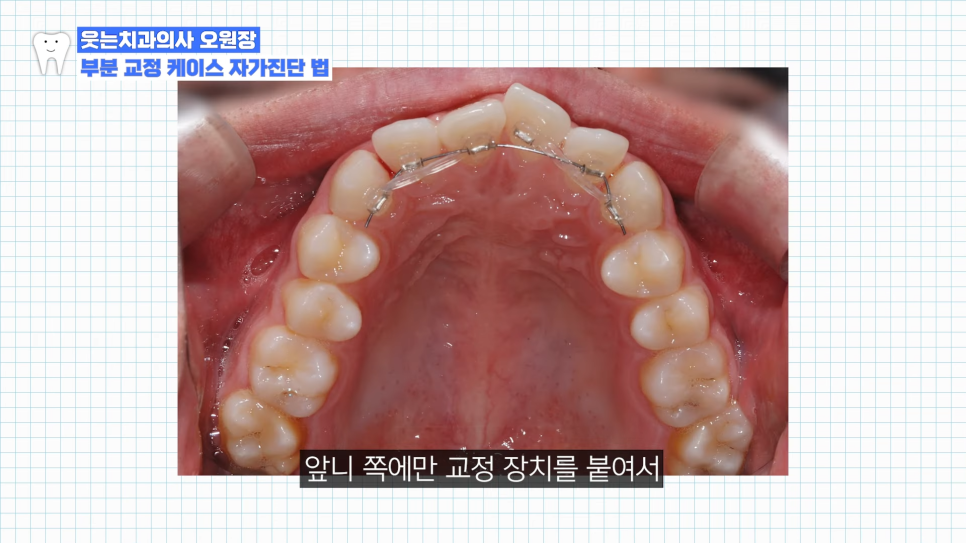
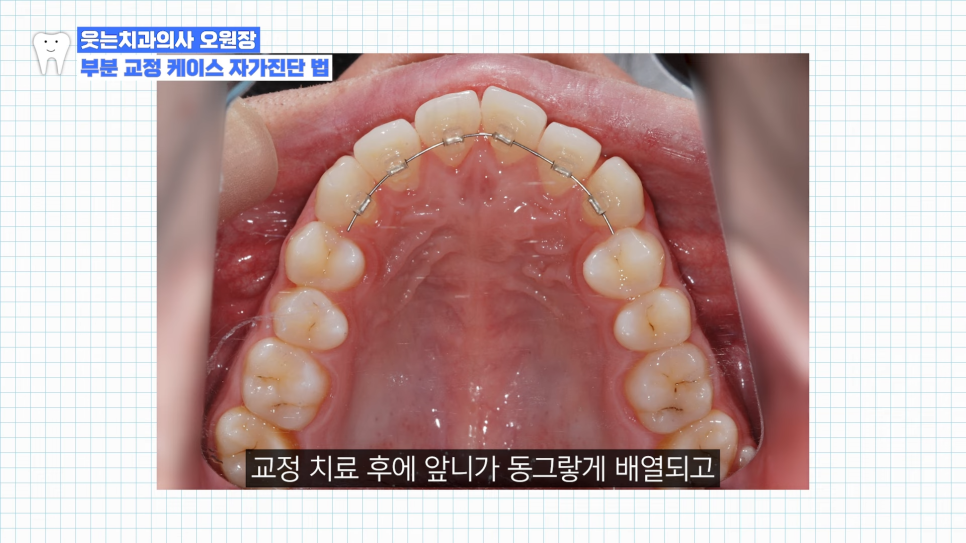
*Treatment period: 2023.08.03 - 2024.5.21
*The before-and-after photos were posted with the patient’s consent and were taken under the same environment and conditions.
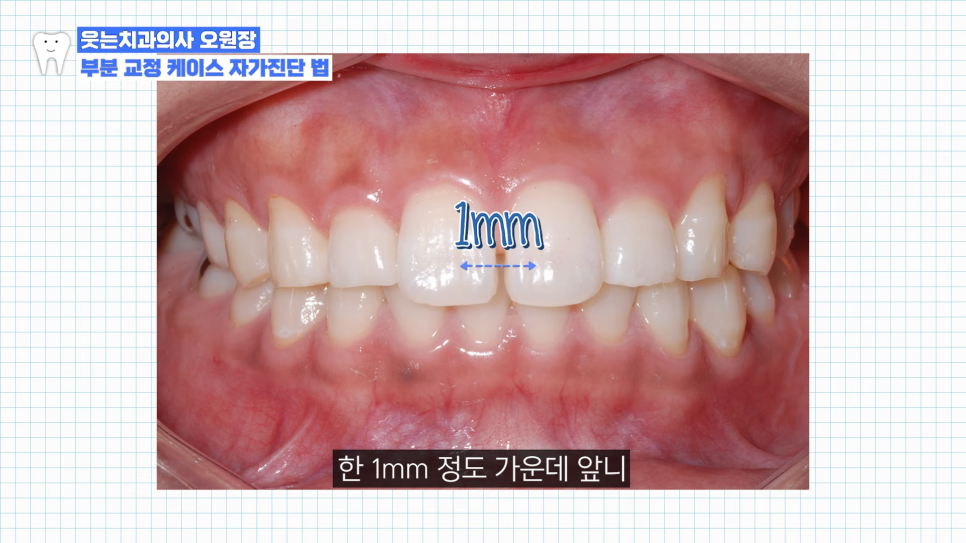
This is a case of a patient whose front teeth were separated by about 1 mm.
In this case as well, appliances were attached only to the front teeth, and the space was closed using elastic bands,
naturally closing the gap.
After orthodontic treatment, the gap was completely closed, resulting in a much more aesthetically improved outcome.
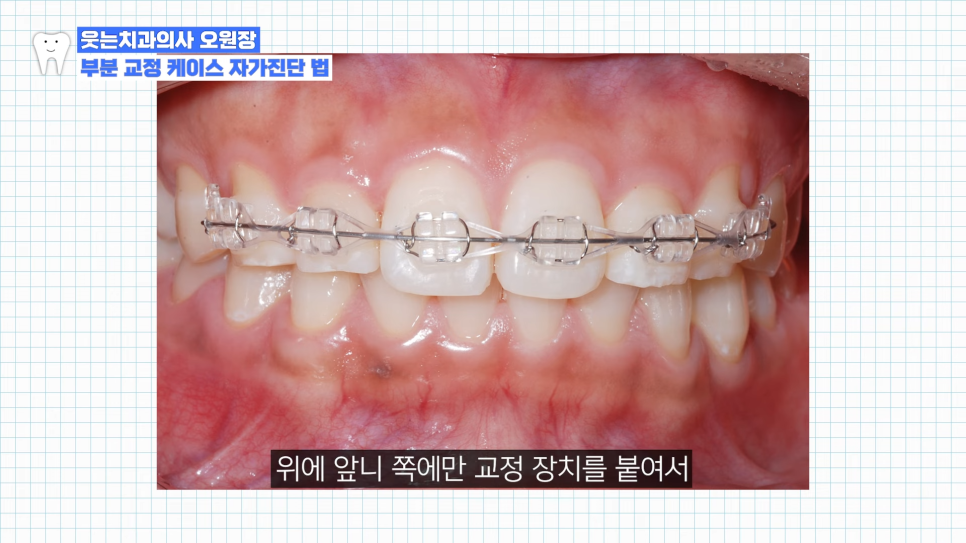
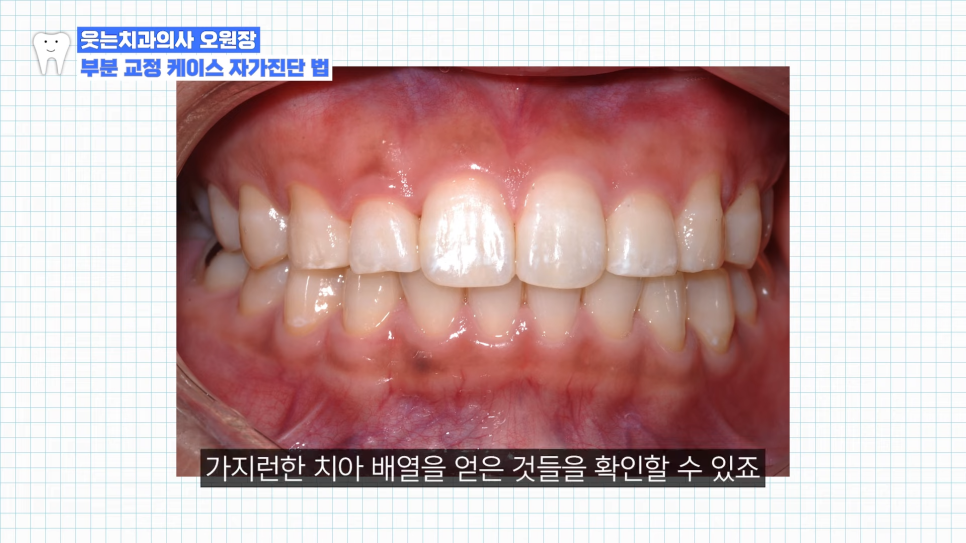
*Treatment period: 2023.06.18 - 2024.11.23
*The before-and-after photos were posted with the patient’s consent and were taken under the same environment and conditions.
Did you notice what these three cases have in common?
Partial orthodontics is only possible when the problem is relatively simple and localized like this.
However, in reality, many of the patients we see in the clinic may seem to have only a front-tooth problem on the surface,
but when we take a closer look, there are often deeper issues with the overall dental arch or jaw structure.
So, it is not uncommon for patients to come in thinking, “I just want to fix my front teeth a little,”
only to learn through a precise diagnosis that full orthodontic treatment is actually needed.
Why partial orthodontics is difficult
Orthodontic treatment is not simply about moving teeth.
Because all teeth move under the law of action and reaction,
when you pull or push certain teeth, there must be a ‘anchor unit’ to support that force.
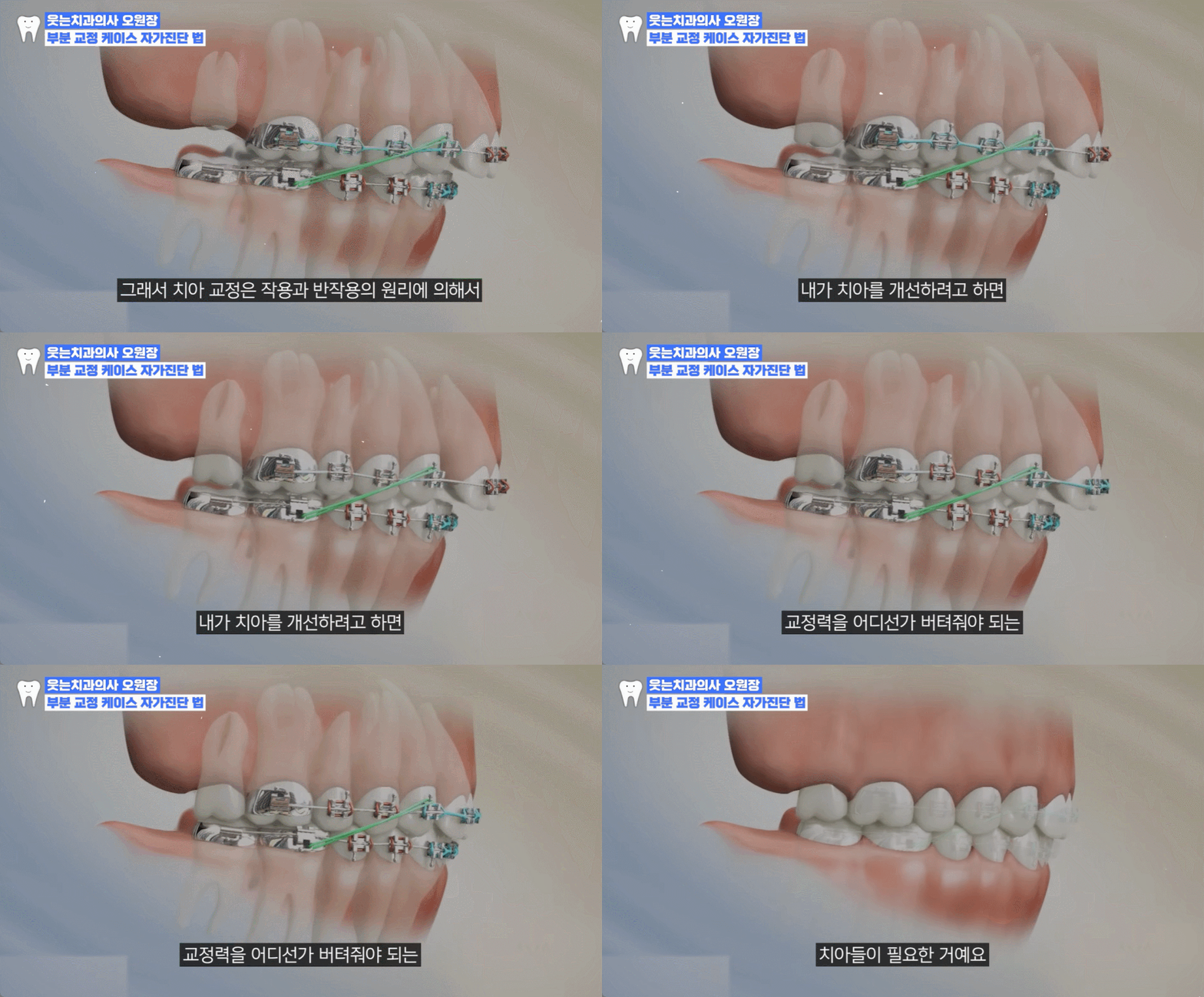
But what happens if this anchor unit is insufficient?
It becomes difficult to move the teeth as desired, and in the end, it is hard to create a proper bite.
That is the difficulty with partial orthodontics.
Because appliances are attached to only a very small number of teeth, there are not enough teeth to serve as anchors,
so another tooth may end up being pushed forward, or side effects such as a misaligned bite may occur.
Let me show you one such case.
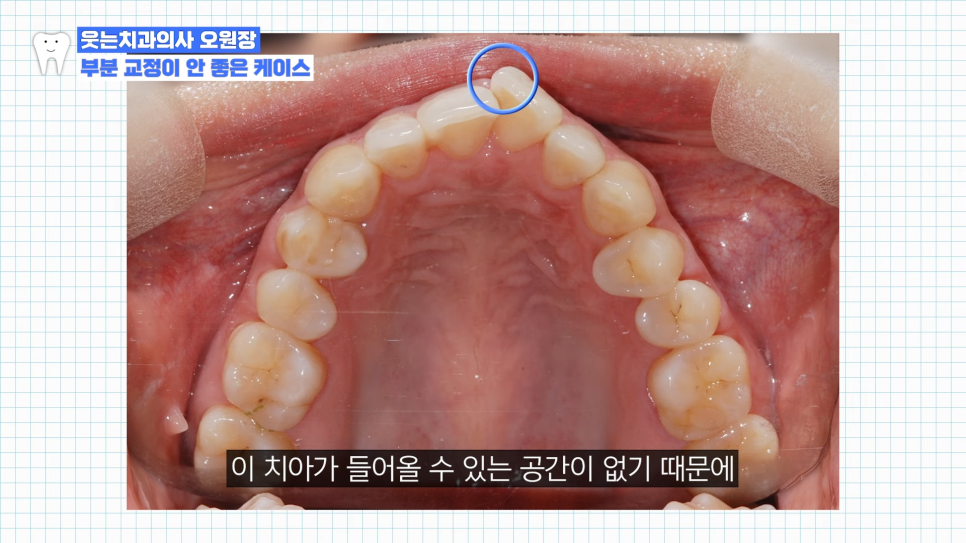
This patient requested partial orthodontics because the front teeth were overlapping.
After a detailed diagnosis, there was not enough space for the teeth to move into, and the overall dental arch was also unbalanced.
So we honestly told the patient,
“Partial orthodontics is not suitable. If the teeth are arranged forcefully, the other teeth may flare forward.”
However, the patient strongly wanted partial orthodontics...
So we proceeded with partial orthodontics after sufficient explanation and consent.
What were the results?
The teeth were aligned,
but the front teeth were generally aligned in a way that caused them to flare forward.
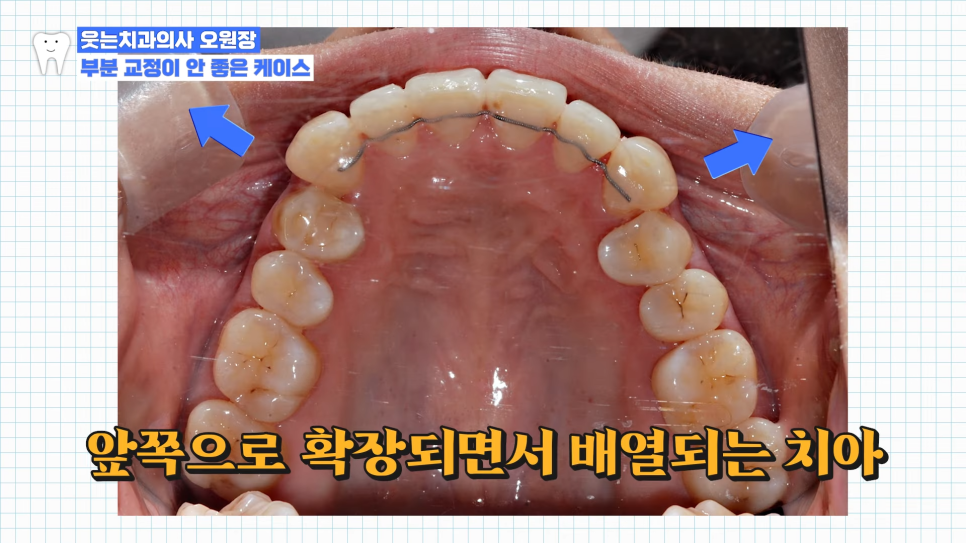
You can also see that the bite balance between the front teeth and the molars has collapsed.
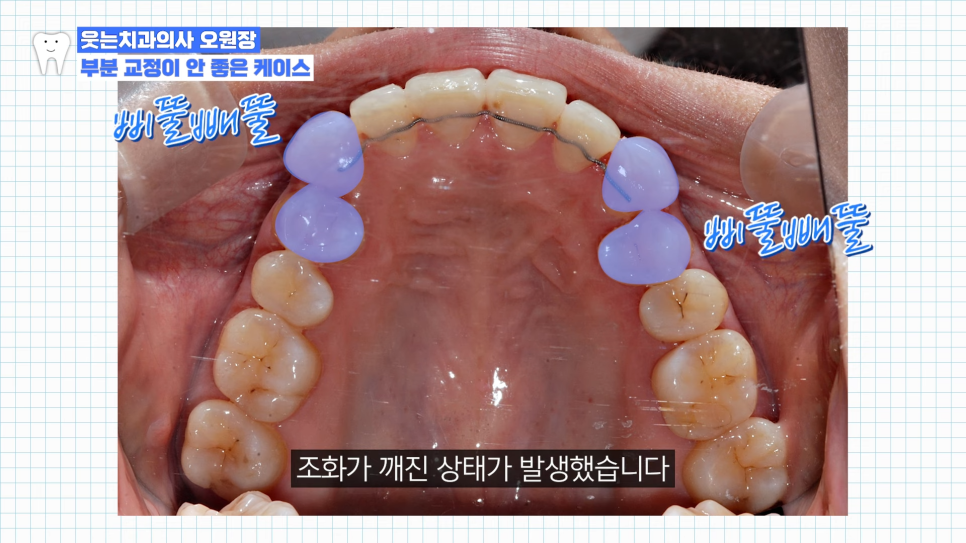
In the end, the patient was satisfied aesthetically...
but from an occlusal perspective, it is judged to be an abnormal result.
Ultimately, even if partial orthodontics makes the front teeth look better,
please keep in mind that if the root cause is not addressed, long-term satisfaction may be low.
It may be difficult to judge on your own whether your teeth are a candidate for partial orthodontics.
Rather than making a hasty decision based only on a short treatment period and lower cost,
I sincerely recommend choosing the right treatment direction that considers both tooth health and function
through an accurate diagnosis and consultation with a specialist.
This has been Oh Su-hwan, chief dentist at Smile D Dental Clinic.