Implant surgery? Comparing immediate implant placement after extraction vs. implant types after extraction
Most implant patients have a similar concern.
If possible, I want to have the implant placed right after extraction.
Just coming to the dental clinic is already a burden...
You want to finish treatment as quickly as possible,
and avoid visiting the clinic often.
I hear this question often myself, so I fully understand how you feel.
But implant surgery is not simply about finishing quickly.
If the placement timing is judged incorrectly, the implant failure rate may increase,
or additional treatment such as bone grafting may be needed.
In other words, the goal is to finish as quickly as possible,
but choose the method that fits your oral condition.
That is the way to make implant surgery safe and long-lasting.
So today, I will look at immediate implant placement after extraction and implant types after extraction,
and explain in an easy way what criteria patients should use when making a decision.
Smile D Dental Clinic
The clinic is centered around the chief director, an orthodontic specialist with 18 years of experience,
and operates a collaborative care system with experienced specialists in each department, each with more than 10 years of experience.
It is a dental clinic that has continued stable treatment without a single medical accident since opening.
Providing treatment directions that fit each patient’s condition,
that is the treatment philosophy we value most.
[Smile D Dental Clinic Information]
| ☎️ Smile D Dental Clinic Phone Number |
|---|
| 0507-1449-2087 |
| ℹ️ Smile D Dental Clinic Website |
|---|
| Official website |
| 🎥 Smile D Dental Clinic YouTube |
|---|
| YouTube |
Immediate implant placement after extraction,
when is it possible?
Implant surgery implant types
Immediate implant placement after extraction means, literally, extracting the tooth
and placing the implant immediately in that same spot.
It is a method many patients want because the treatment period is short and the number of clinic visits is reduced.
But it is not possible to place an implant immediately in every case.
Immediate placement can only be expected to produce stable results when the following conditions are met.
There is almost no infection
The alveolar bone (jawbone) remains sufficiently intact
Initial stability can be secured
I brought one case as an example.
It was a 48-year-old female patient who came in saying, “My lower right tooth hurts.”
Upon examination, the right first molar was cracked and could no longer be preserved.
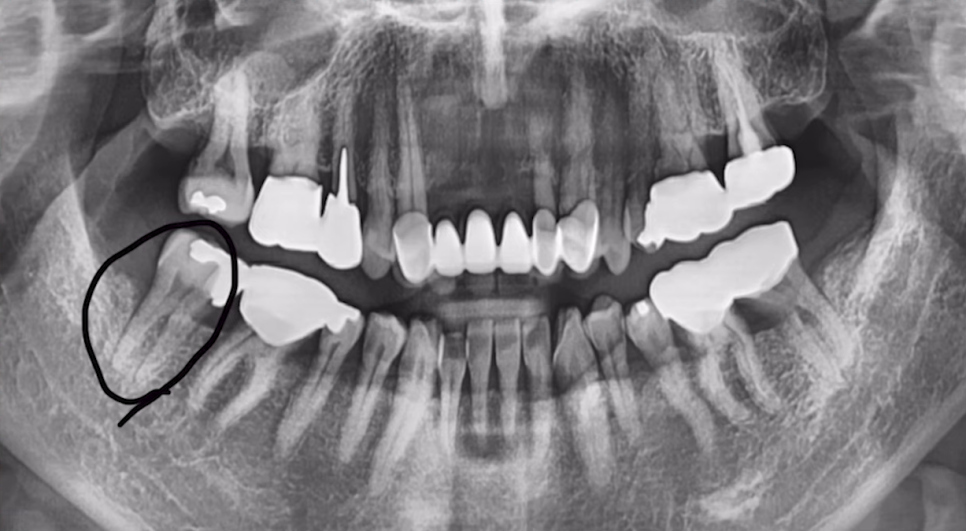
In the end, after receiving the patient’s consent, we extracted it.
Because there was almost no infection and the alveolar bone was well preserved on X-ray, we placed the implant that same day.
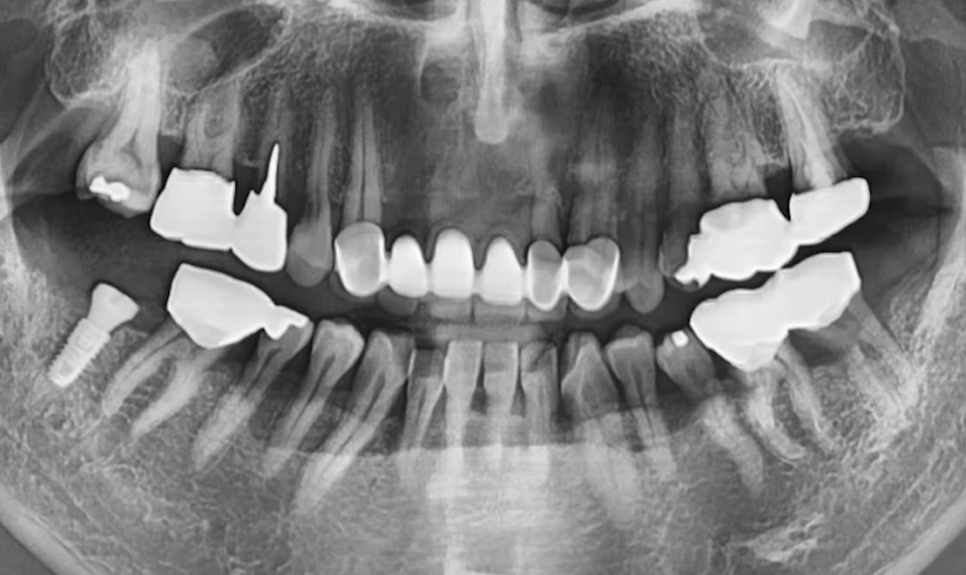
We also placed the implant at a good angle and fitted the healing abutment well.
For immediate implant placement after extraction to be possible, the bone left at the extraction site must remain intact.
After the tooth is removed, jawbone remains in that area,
and this bone must stay healthy without collapsing in order to firmly secure the implant.

Implant after waiting following extraction,
when should it be chosen?
Implant surgery implant types
On the other hand, delayed placement, or implant placement after extraction, is a method in which the tooth is extracted,
and then the implant is placed after a recovery period of usually about 6 to 12 weeks.
It is chosen to promote alveolar bone regeneration or to make sure infection has fully subsided.
It is generally appropriate in the following situations.
When infection is severe or there is an abscess
When bone grafting is needed after extraction
When overall health is temporarily poor
When the area is important for aesthetics
Let me show you one case.
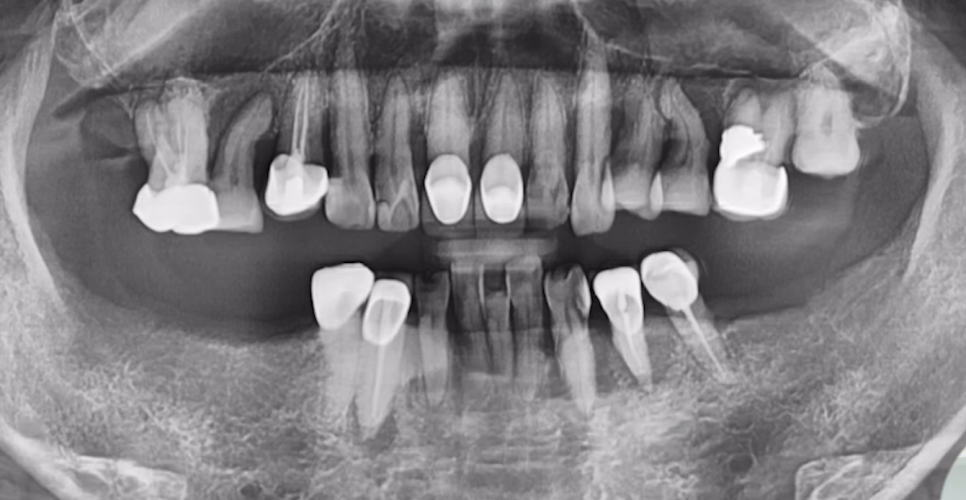
He was a 61-year-old male patient,
and there was significant inflammation spread throughout the area, making implant placement difficult.
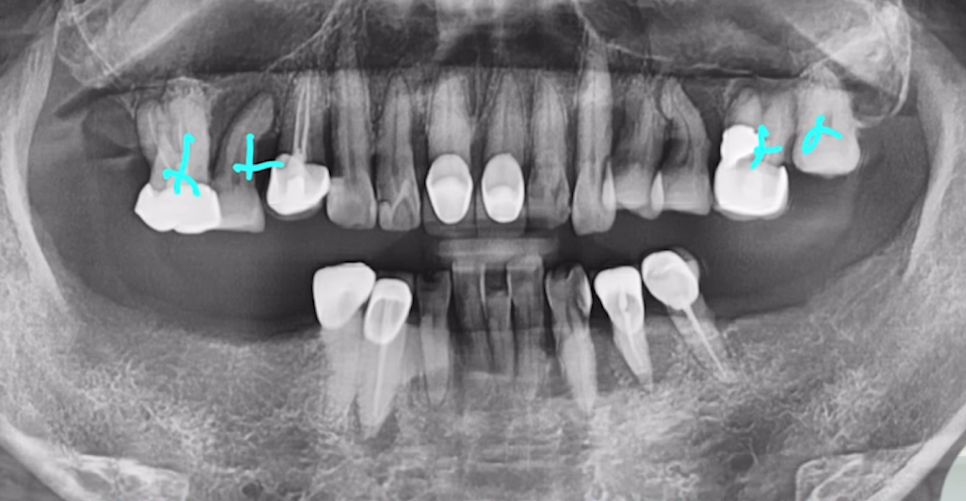
So the teeth decided for extraction were removed sequentially,
and because removing the inflammation and restoring the jawbone came first,
we waited about three months until the bone had healed to some extent.
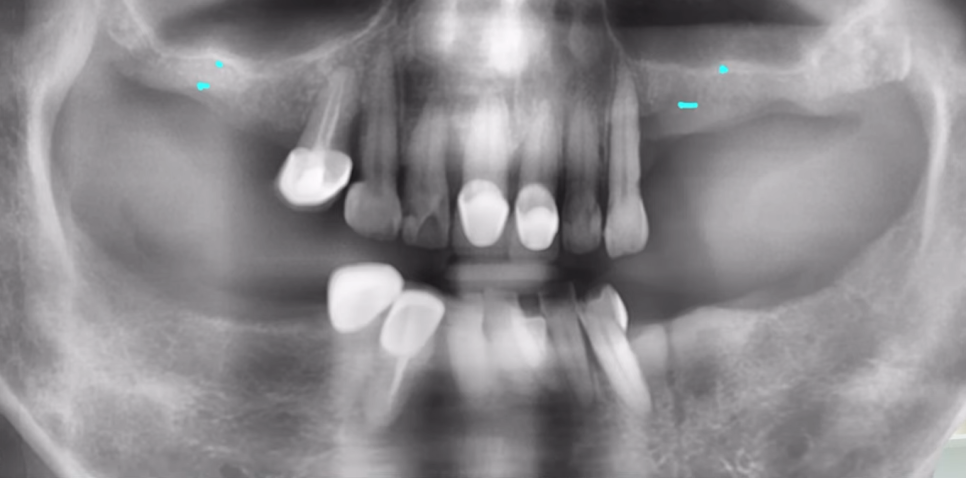
However, in fact, the remaining bone was also insufficient,
and the maxillary sinus bone was very thin for implant placement.
If we had forced placement in this condition,
an accident could have occurred in which the implant fell into the maxillary sinus.
On the same day, we reinforced the bone sufficiently by performing bone grafting and sinus bone grafting, and then proceeded with simultaneous placement.
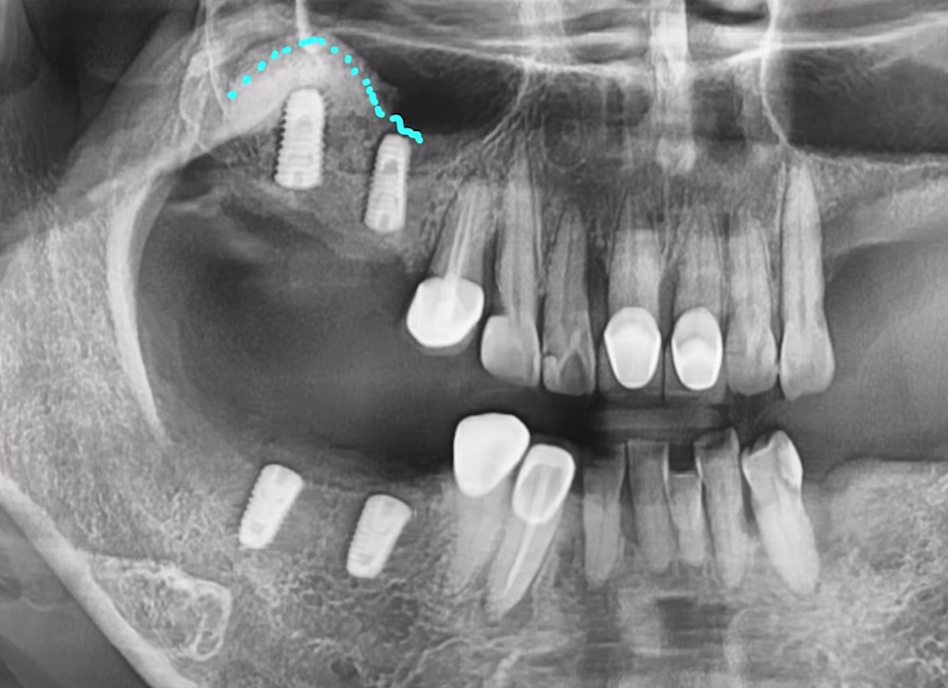
You can see that the bone was grafted well in the maxillary sinus, right?
After checking on the CT images that it had been placed well, we safely placed the implant on the opposite side the next day.
Of course, it took a little more time,
but the gum line was stable and the prosthetic aesthetics turned out well.
If the bone condition is not good like this, it is better not to force immediate placement after extraction,
but to place the implant after the jawbone has healed sufficiently.
Implant surgery,
in the end, direction matters more than speed.
The safest and longest-lasting approach is to receive an accurate diagnosis of your oral condition, bone condition, and whether there is inflammation,
and to plan treatment with the method that matches those findings.
At Smile D Dental Clinic, specialists from each department work closely together,
and rather than fast treatment, we focus on high-quality treatment,
designing the implant plan that best fits each patient’s condition.
If you are considering implants, feel free to contact us.
We will help you determine the direction of treatment together.
This has been Smile D Dental Clinic. Thank you.