교정후앞니벌어짐, 2년간의 노력이 물거품?
Hello, this is Oh Su-hwan from Smile D Dental Clinic.
Cumulative procedures: 5,000 cases
Medical disputes: 0 cases
No medical accidents for 18 years
One day, while looking in the mirror every morning and feeling satisfied with your straightened teeth,
a tiny gap between the front teeth, a black triangle, suddenly catches your eye.
It is a moment when your heart sinks.
"I definitely finished orthodontic treatment... so why are they opening again?"
"Did I do something wrong?"
"Could all the effort from the past two years be going to waste?"
For people experiencing front teeth gaps after orthodontics, it is not just a matter of teeth becoming misaligned again.
They often feel deep disappointment and frustration, as if all the time, effort, and cost invested so far are being denied.
We fully understand that feeling.
But it is too early to blame yourself or give up hastily.
If you identify the cause accurately, the solution can be simpler than you might think.
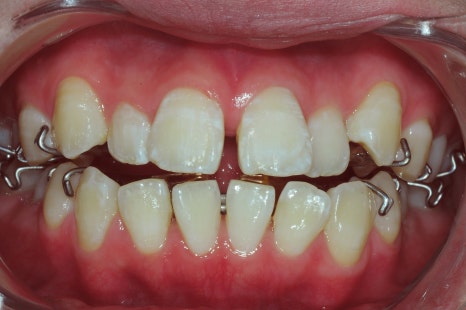
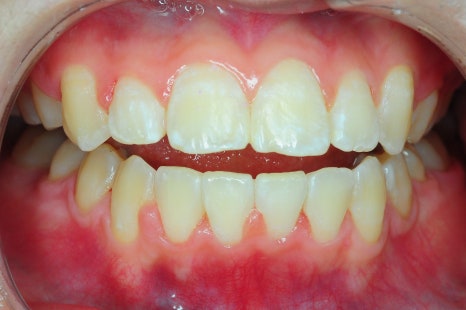
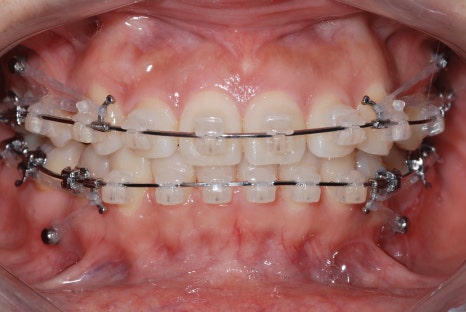
< Orthodontic Treatment Cases >
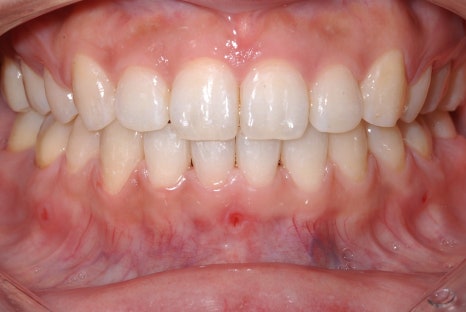
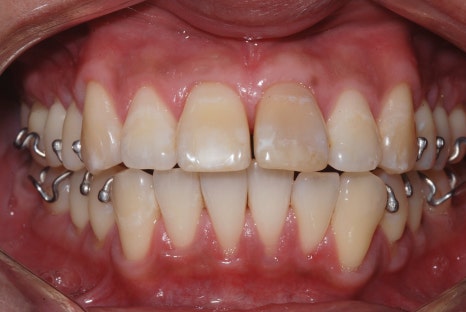
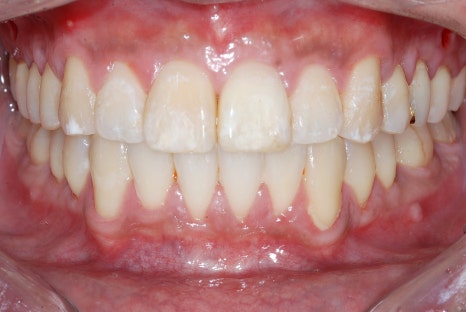
< Smile D Dental Clinic Guide >
Why do front teeth open up again?
Teeth that have finished orthodontic treatment have a tendency to return to their original position.
There are several common reasons why this recurrence cannot be prevented.
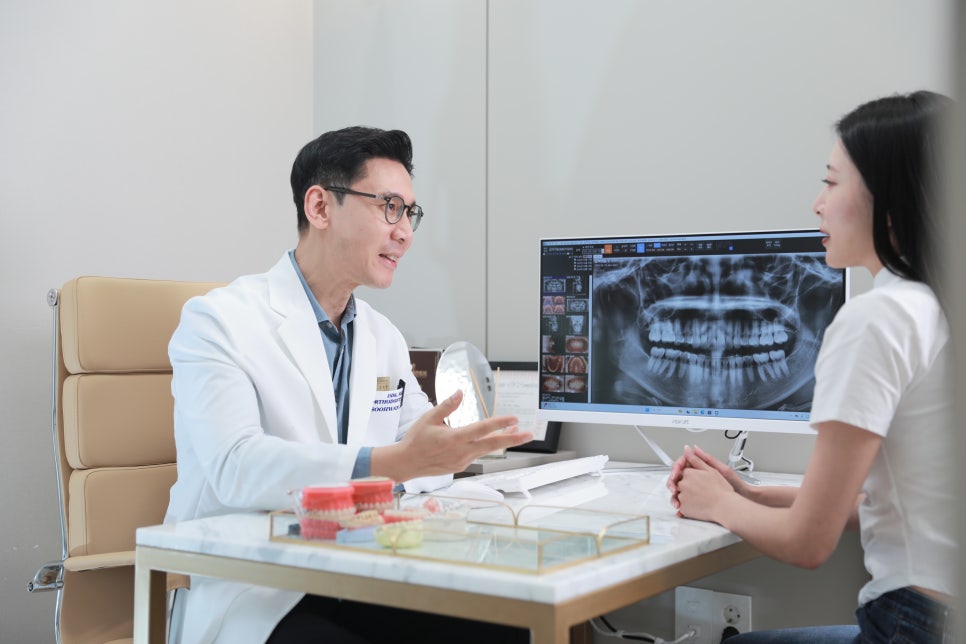
Failure to wear retainers properly
This is the most common and representative cause.
Right after orthodontic treatment ends, the teeth and jawbone have not yet fully stabilized,
so time is absolutely needed to firmly hold them in place with a retainer.
It is easy to neglect during a busy daily routine, but if you miss this period, the teeth will quickly try to return to their original position.
Unresolved oral habits
If habits such as unconsciously pushing the front teeth with the tongue or biting the lips remain,
then even teeth that were perfectly aligned can open up again due to continuous force.
Changes in the oral environment
As wisdom teeth emerge and push the front teeth, or as the jawbone weakens due to aging or gum disease,
changes in the oral environment after orthodontic treatment can also cause recurrence.
Incomplete first orthodontic treatment
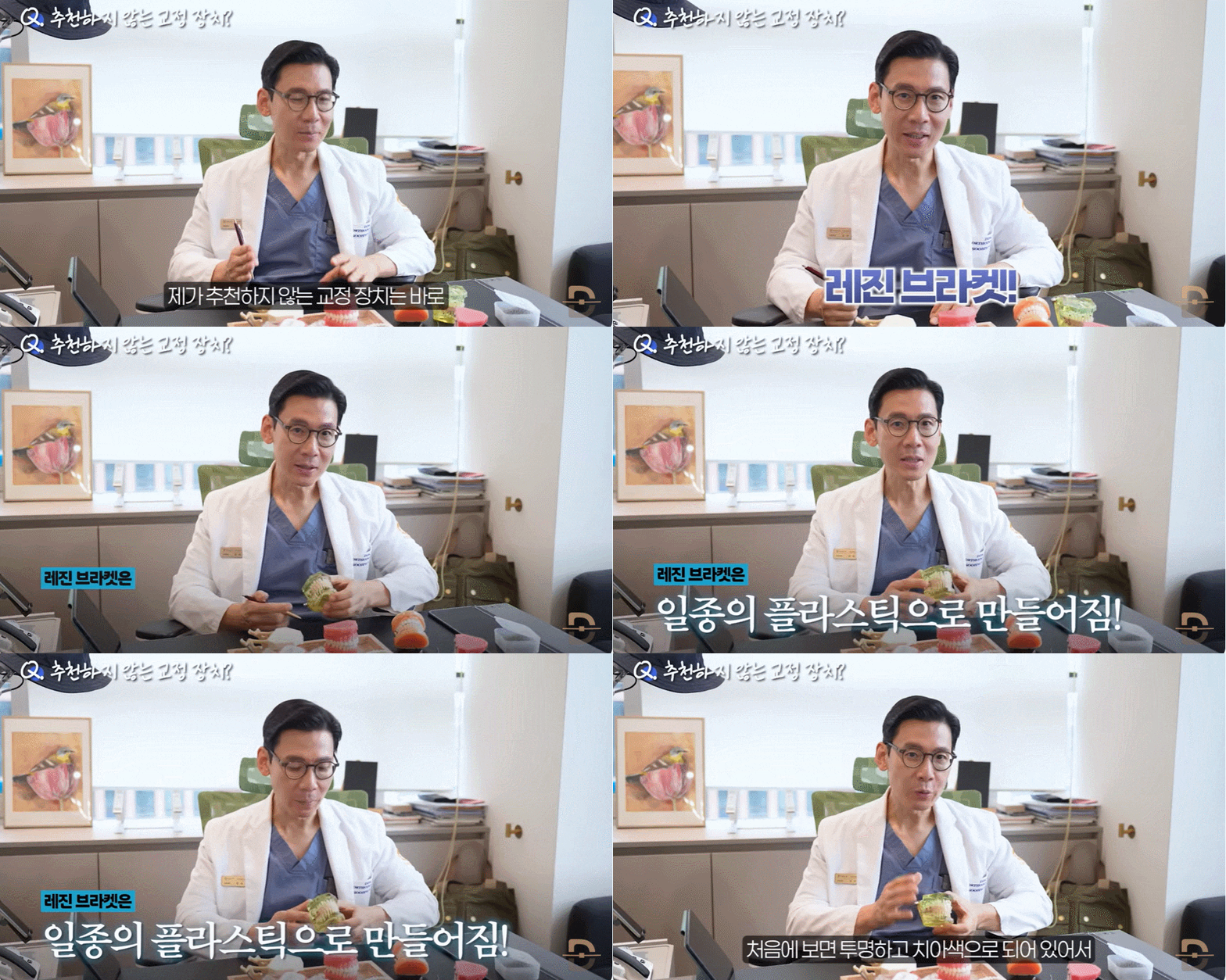
This is a cautious point, but if the first treatment only moved the teeth without addressing the fundamental cause,
the front teeth may open up again because of that underlying cause.
Finding the cause of recurrence is the way to prevent a second failure.
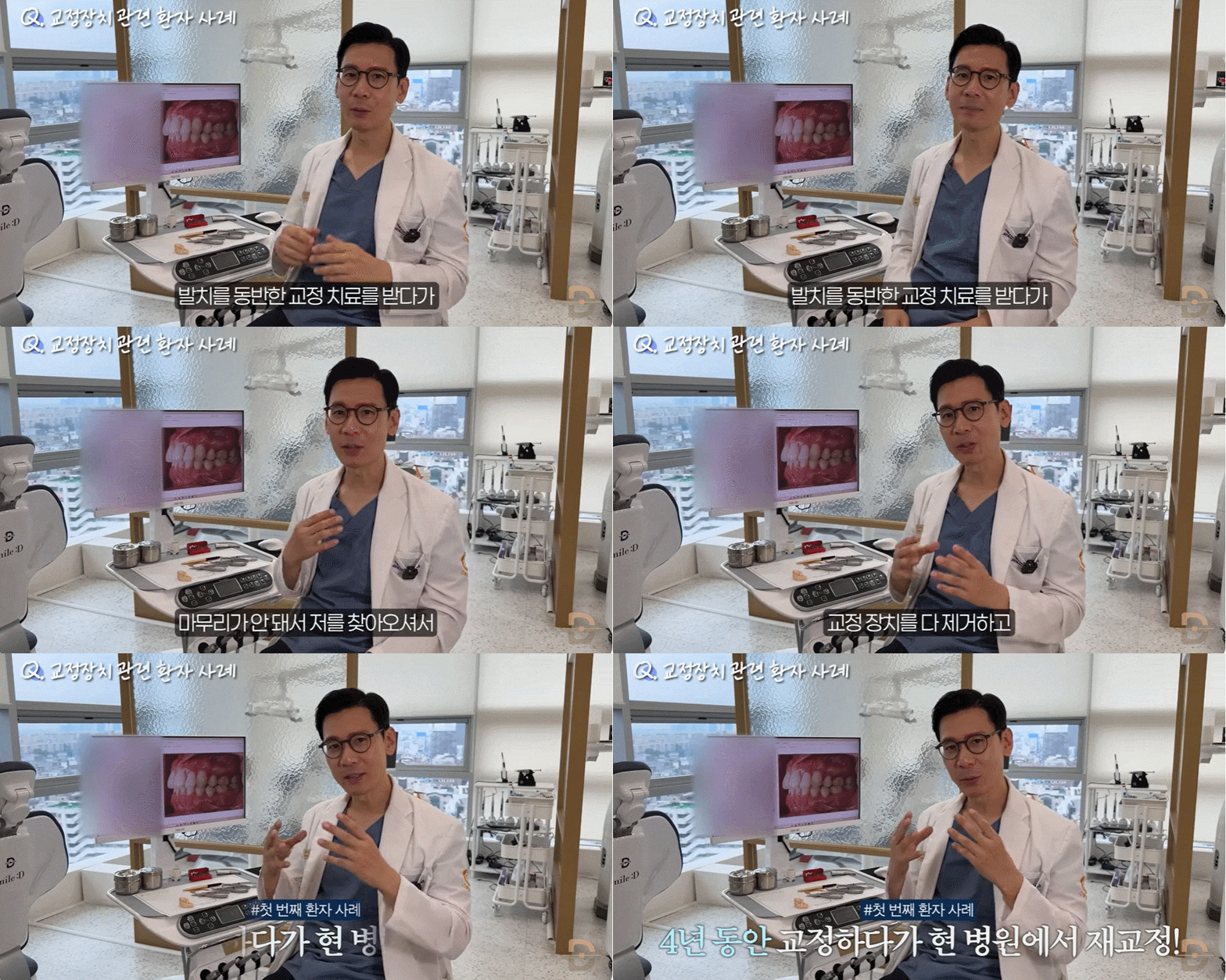
Re-orthodontic consultation must be much more careful and meticulous than the first orthodontic consultation.
If you focus only on closing the front teeth that have opened again,
there is a risk of experiencing a third recurrence.
The key to successful retreatment is finding a clear answer to the question: Why did it recur?
At Smile D, our three-specialist cooperative system traces the cause of recurrence in reverse.
The orthodontic specialist analyzes the previous tooth movement path and the problems with the retainer,
and the specialists in oral and maxillofacial surgery and prosthodontics review from multiple angles whether there may be hidden structural problems in the jawbone, gums, or bite.
Front teeth gaps can be resolved more easily than you think
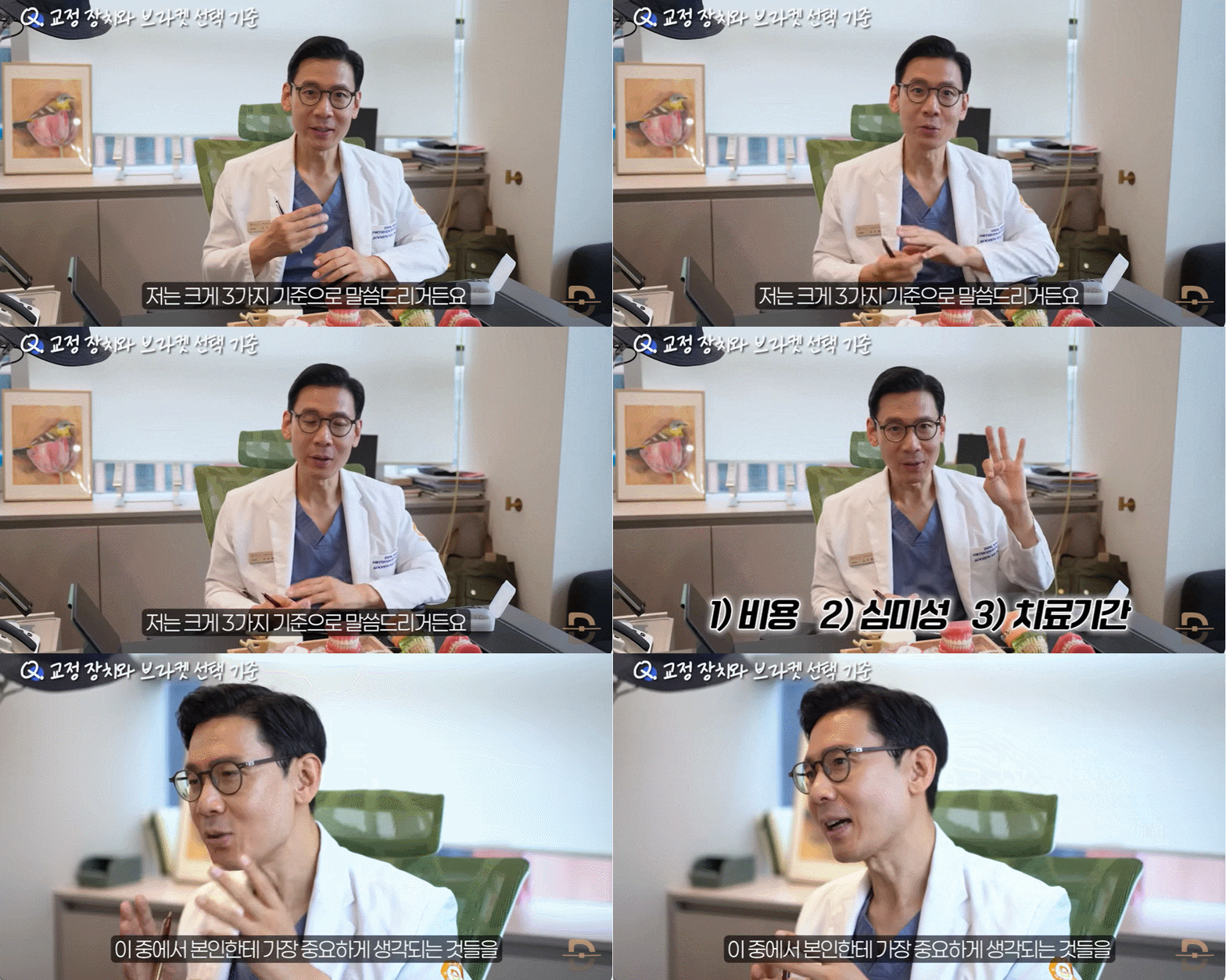
If the exact cause is found, the solution may not be complicated.
Mild cases: If the reopening is not severe, it may improve just by adjusting the existing retainer
or making and wearing a new retainer.
Partial retreatment: By attaching appliances to only the 4 to 6 teeth around the reopened front teeth, you can close the space quickly and effectively within a short period of about 3 to 6 months.
Resin or laminate veneers: If the bite is stable and only a very small gap remains,
quick resolution with simple aesthetic prosthetic treatment may also be considered.
The most important thing is that while you spend time worrying alone, the gap may continue to widen.
Orthodontic treatment does not end just because it is finished.
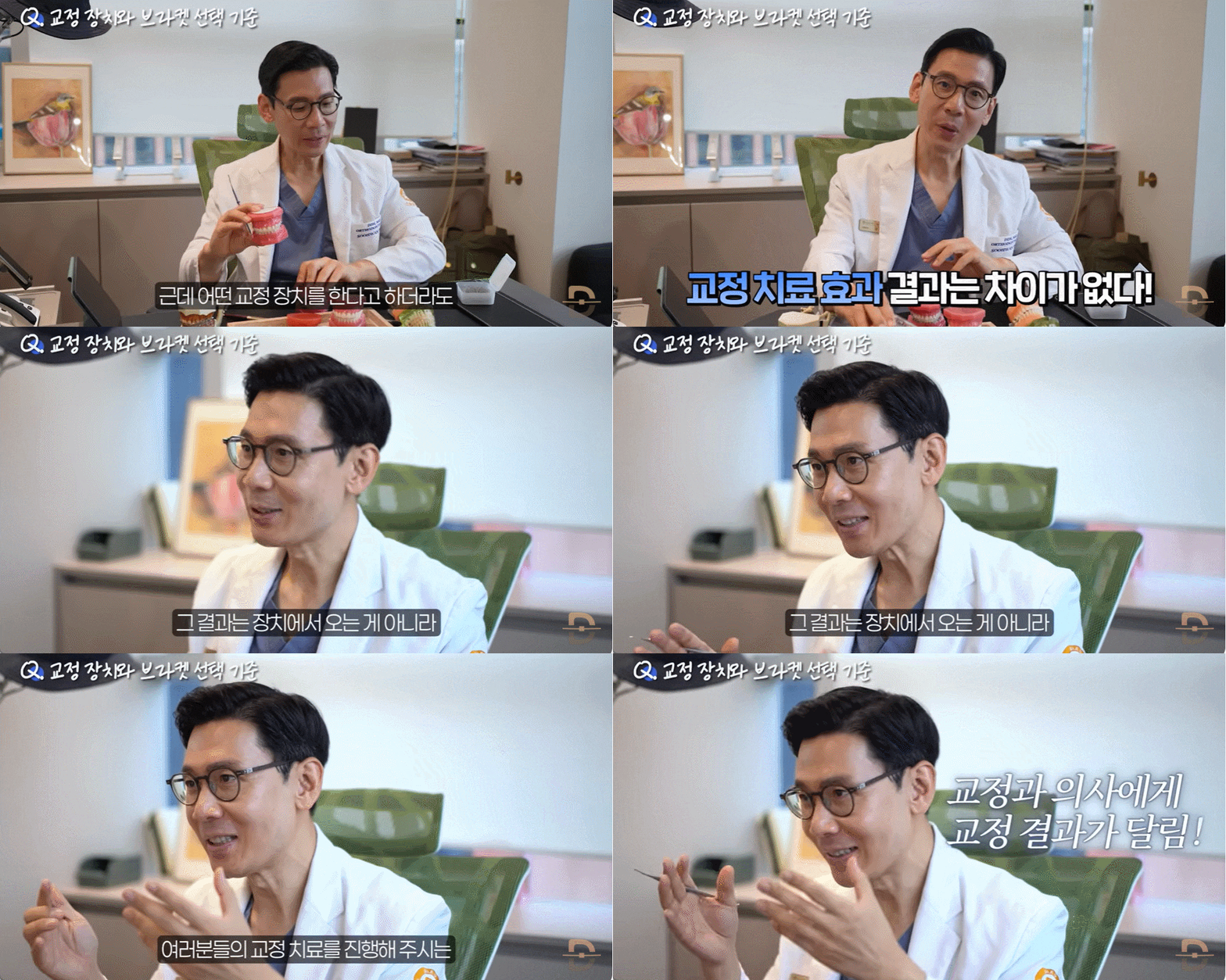
Just because orthodontic treatment is over does not mean our responsibility ends.
Even after treatment ends, we continue to check through regular examinations whether the alignment is being maintained stably
and whether there are any problems with the retainer.
Becoming a true primary dentist who continues to protect that smile for a lifetime, even after treatment is over
that is the most important promise Smile D wants to prove through the number 96.4% satisfaction.
Rather than falling into frustration, we hope you will gather the courage to receive an accurate diagnosis
and prevent a second failure.
Thank you.
< Intensive treatment for only 30 patients in September >