Hello,
I am Director Lee Sang-ho of the Gangseo-gu dental clinic.
Today, I will explain the
step-by-step diagnosis and analysis process
for creating front tooth laminates.
- Facial analysis 👩🏻🦱 👨🏻🦱
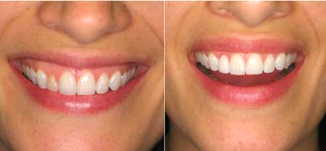
The ideal shape of natural teeth
must match the balance of the entire face.
We carefully review the facial midline and shape,
as well as the alignment of the teeth,
through separately taken photo materials.
In cases where only the teeth are treated,
we consider that harmony with the face may be disrupted,
so individual analysis is performed.
- Smile line 👄
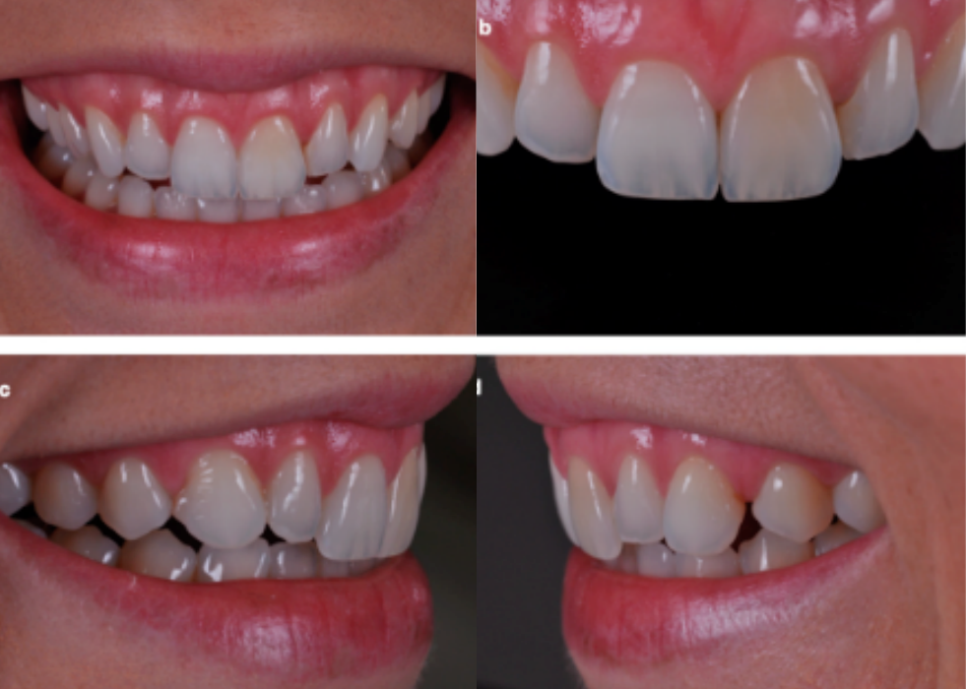
We evaluate the relationship between
the position of the teeth, the line of the lips,
and the shape of the lips.
Because this area is a movable tissue that supports natural teeth,
we carefully adjust the front-to-back relationship when restoring teeth,
considering that the support provided to the lips
and the smile line may change depending on the alignment of the teeth.
- Gum health
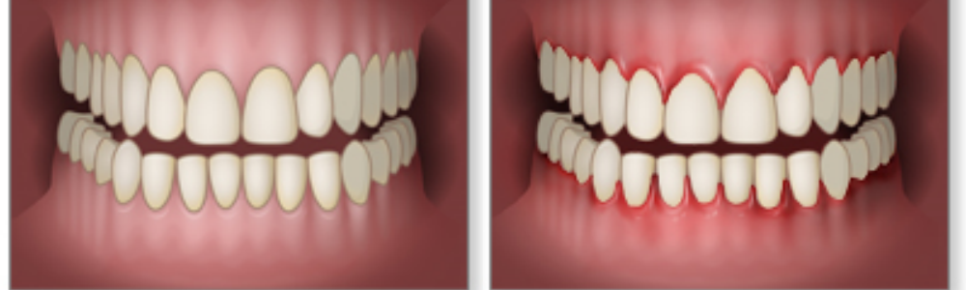
At all medical institutions, including dental clinics in Gangseo-gu,
when performing restorations such as laminates,
we first determine the extent of contact with the gingiva.
If the gingival space is excessively invaded,
swelling or inflammation of the gums may occur,
so we also consider the shape and appearance of the gingiva
and evaluate the relationship between the natural teeth and the gums.
- Three-dimensional analysis
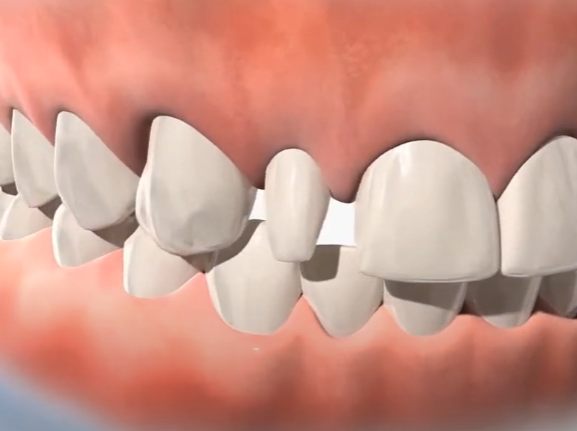
We analyze the alignment pattern,
including not only the inclination or rotation of each individual tooth,
but also the inclination, shape, and size of the entire dental arch.
This helps determine the necessary range of reduction
so that a no-preparation approach does not lead to poor results in other aspects.
- Treatment selection
Rather than applying laminates uniformly in every case,
esthetic resin or crowns may be considered depending on the situation.
At the Gangseo-gu dental clinic,
we recommend proceeding with treatment in a way that fits each person’s oral condition
at every stage, including diagnosis, bonding, shape adjustment, and shade matching.
- Understanding the prosthetic laboratory process
By having the medical staff directly participate in the laminate laboratory process,
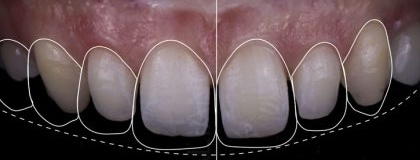
we can predict the final result
and determine the appropriate range and location of tooth reduction.
This helps prevent overly excessive or
unnatural restorations from being made.
- Tooth reduction (prep)
Considering the structure of the natural tooth and the prognosis afterward,
we precisely prepare only the necessary areas.
Under the principle of no-preparation or minimal preparation,
we select a preparation method that avoids excessive damage.
- Impression taking
Using a 3D scanner,
we scan the entire dental arch,
and by sharing the data together with multiple photos taken,
we help ensure an accurate match with the actual oral condition.
- In-house laboratory
When making laminates,
we request either the in-house laboratory or an outside lab
to fabricate prosthetics suited to each individual’s oral condition and structure.
- Scaling
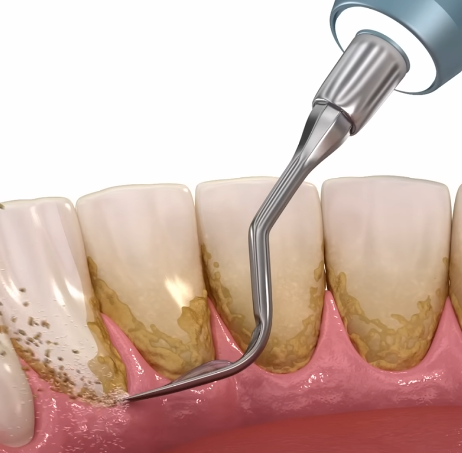
Before attaching the restoration,
calculus and plaque are removed using a scaler.
Through this, the Gangseo-gu dental clinic
ensures cleanliness of the natural tooth surface,
and we explain that consistent cleanliness can also be maintained during future regular care.
- Laminate bonding
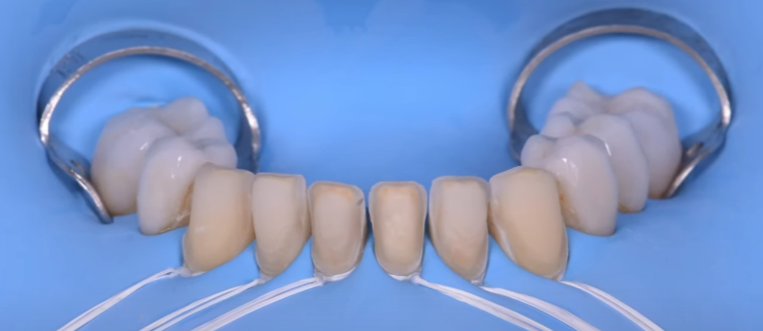
With appropriate moisture control (for example, using a rubber dam)
and by selecting the right instruments and materials,
the medical staff performs the bonding work directly.
- Ongoing care
To maintain and manage oral hygiene over the long term,
we provide education on proper flossing techniques and other care methods.
Through regular checkups, recalls, scaling,
and fluoride application,
we help maintain oral health consistently.
The Gangseo-gu dental clinic recommends that fluoride application
usually be performed at six-month intervals.
I hope this has been helpful for those who needed this kind of medical information.
This was Gangseo-gu dental clinic.
Thank you for reading this long post.