Hello!
Treatment through research,
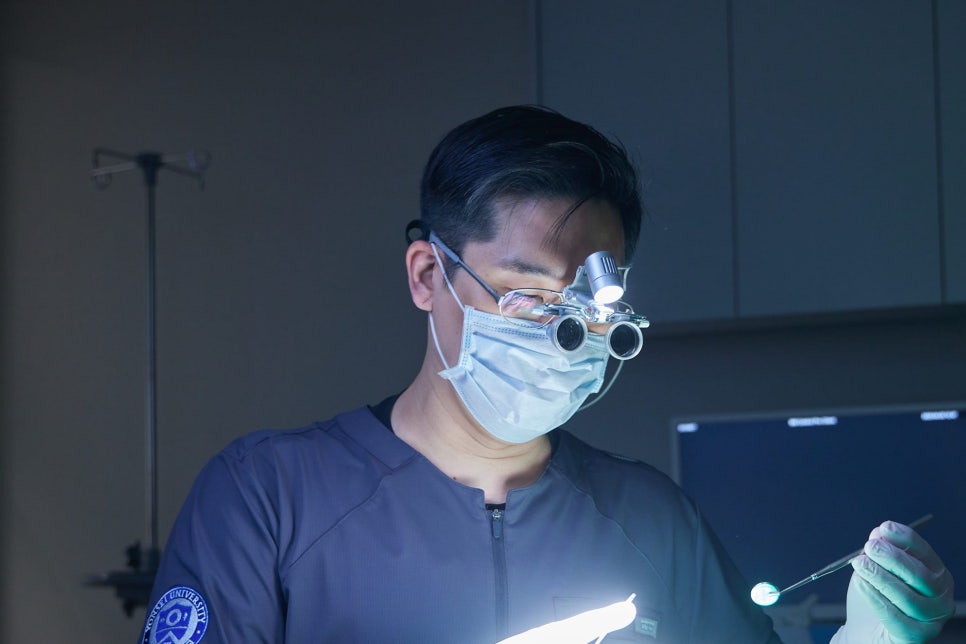
I am Yeo Sang-ho, director of a dental clinic in Magok-dong.
A healthy daily life through restored dental function,
I would like to introduce specialized information on maxillary full-arch implants.
What I will explain today is
about full-arch implant treatment that can be chosen when all the teeth in the upper jaw (maxilla)
have lost their function.
In particular, I will explain in detail how it can be received comfortably through sedation treatment (conscious sedation).
Dental clinic in Magok-dong
What is sedation treatment?
Fear and anxiety about treatment
for resolving oral diseases are natural reactions
that anyone can experience.
Especially when receiving extensive treatment such as
maxillary full-arch implants, it is only natural to feel even more tense.
✔ Definition of sedation treatment
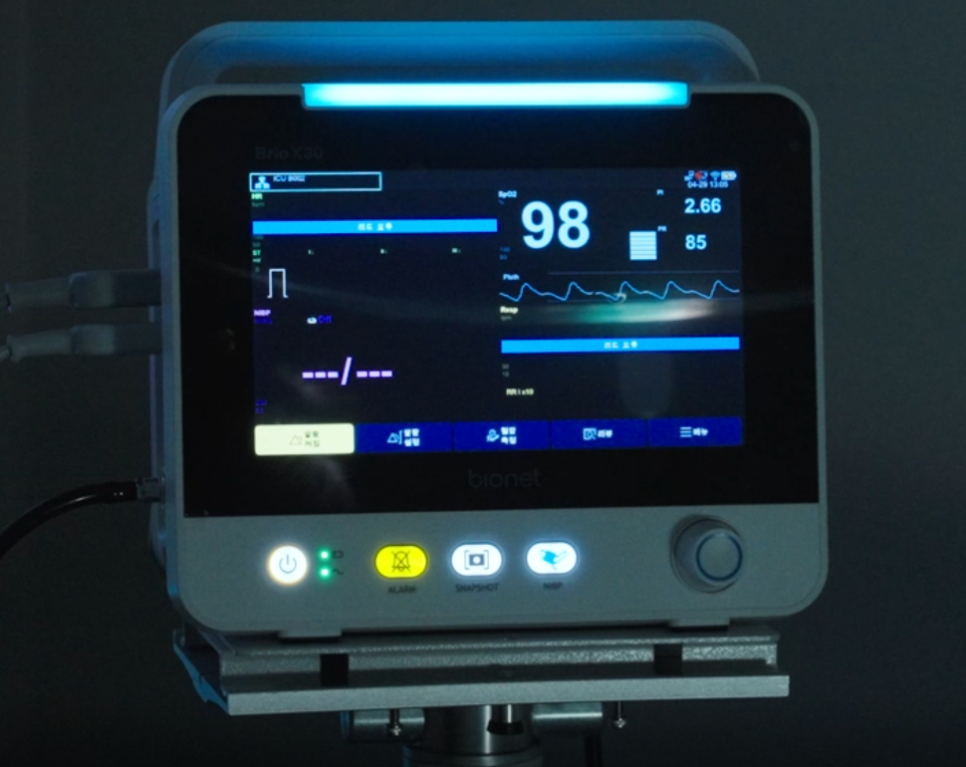
It is a safe method of performing treatment while maintaining a light sleep-like state
through conscious sedation.
Unlike general anesthesia, spontaneous breathing is maintained,
and the patient remains able to respond to simple instructions.
✔ Advantages
Since there is little memory of the treatment process,
the psychological burden can be greatly reduced.
In addition, treatment time is shortened,
reducing the burden of having to visit multiple times.
It is especially helpful for patients who are afraid of surgery
or need treatment over a long period of time.
Dental clinic in Magok-dong
What is a maxillary full-arch implant?
A maxillary full-arch implant is a treatment method
used when the upper teeth are no longer functioning properly.
✔ When is it needed?
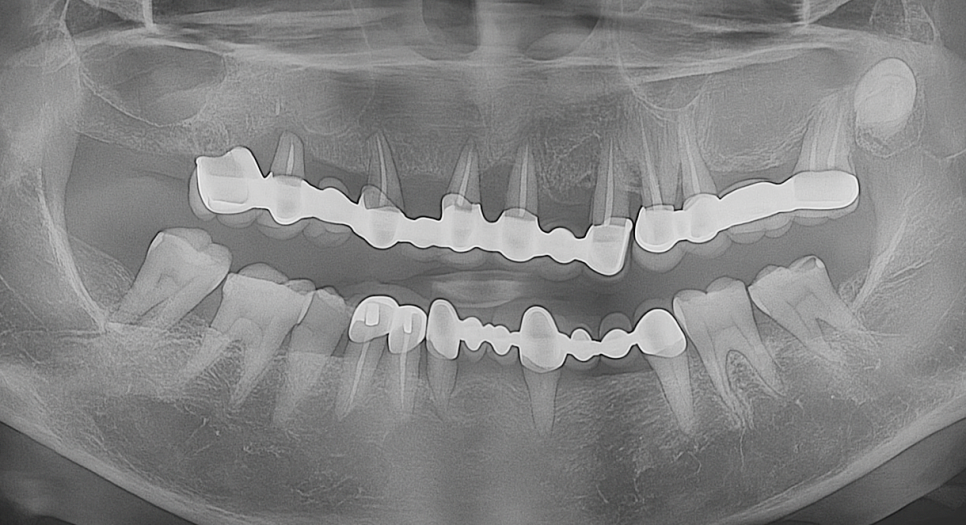
It is considered when all the teeth in the maxilla have lost their function due to severe cavities, gum disease, tooth fractures, and similar problems.
The method involves extracting teeth that are difficult to treat individually or have a poor prognosis,
and replacing them with implants.
✔ Differences from conventional dentures
Unlike conventional upper dentures, implants are placed directly into the maxillary jawbone
to create a fixed prosthesis.
In general, the entire upper dentition can be restored with only 4 to 6 implants in the maxilla,
making it an efficient treatment.
✔ Immediate functional recovery
By extracting the existing teeth and placing implants at the same time,
it is possible to restore function immediately, even attaching temporary teeth.
Because the maxilla is an area where aesthetics are very important,
special care is taken to recreate a natural gum line and tooth shape.
Dental clinic in Magok-dong
What are the advantages of maxillary full-arch implants?
✔ Shortened treatment period
If the nonfunctioning upper teeth were treated individually,
it would take several months to more than a year.
However, in this approach, implants can be placed at the same time as extraction,
and temporary teeth can even be attached on the same day.
✔ Economic efficiency
Compared with treating each failed tooth separately or placing seven individual implants,
this method can be resolved with 4 to 6 implants,
significantly reducing the total treatment cost.
✔ Precise digital treatment
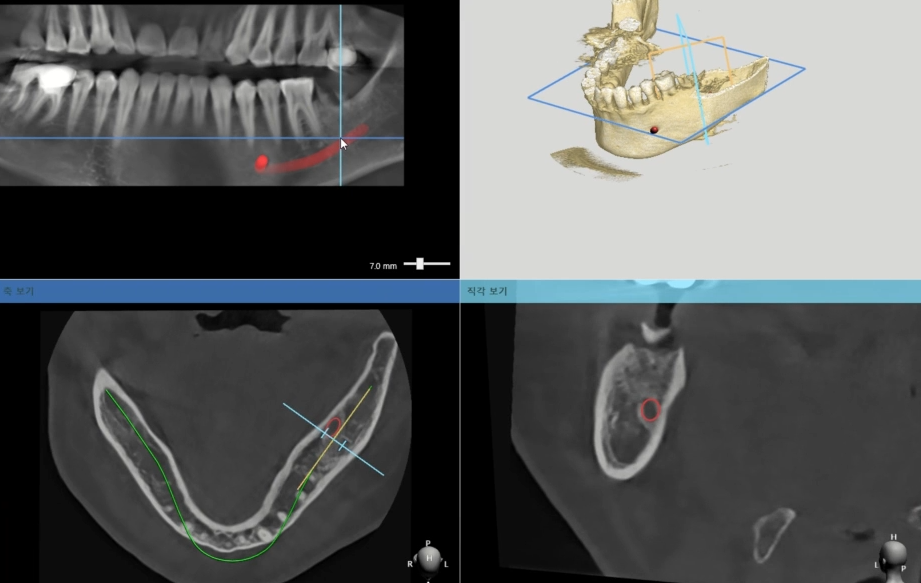
Precise treatment is possible through the latest 3D diagnostic equipment and computer-guided surgery.
CT imaging allows accurate identification of the position of the maxillary sinus,
the condition of the maxillary bone, the location of nerves,
and the distribution of blood vessels, enabling safe surgery.
✔ Complete elimination of infection risk
The risk of infection caused by nonfunctioning teeth can be completely eliminated,
which helps improve oral health.
✔ Natural aesthetics
Because aesthetics are especially important in the maxilla,
recreating a natural gum line and tooth color can produce a beautiful smile.
Dental clinic in Magok-dong
What is the treatment process like?
[Initial consultation and detailed examination]
✔ Basic examination
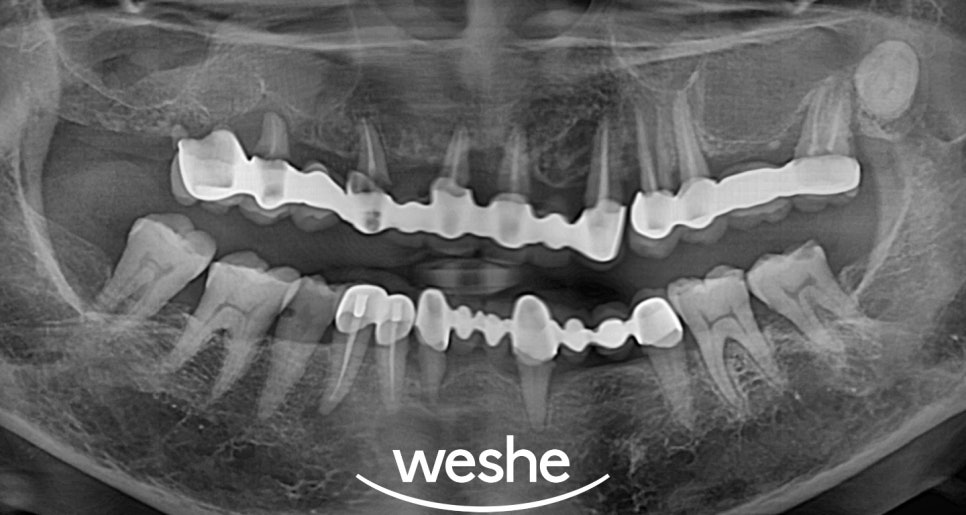
X-rays are used to check the overall condition of the upper jaw teeth and bone.
The treatability of the existing teeth is evaluated,
and it is determined whether full-arch implant treatment is the appropriate option.
✔ Detailed diagnosis
When individual treatment is difficult or the prognosis is poor due to severe cavities, periodontal disease, tooth fractures, and similar problems,
full-arch implants are considered.
CT scans and oral scans are used to accurately identify the three-dimensional maxillary structure.
The thickness, height, and density of the maxillary bone, along with the distance to the maxillary sinus,
are measured to determine the implant size and placement.
[Planning]
✔ Computer simulation
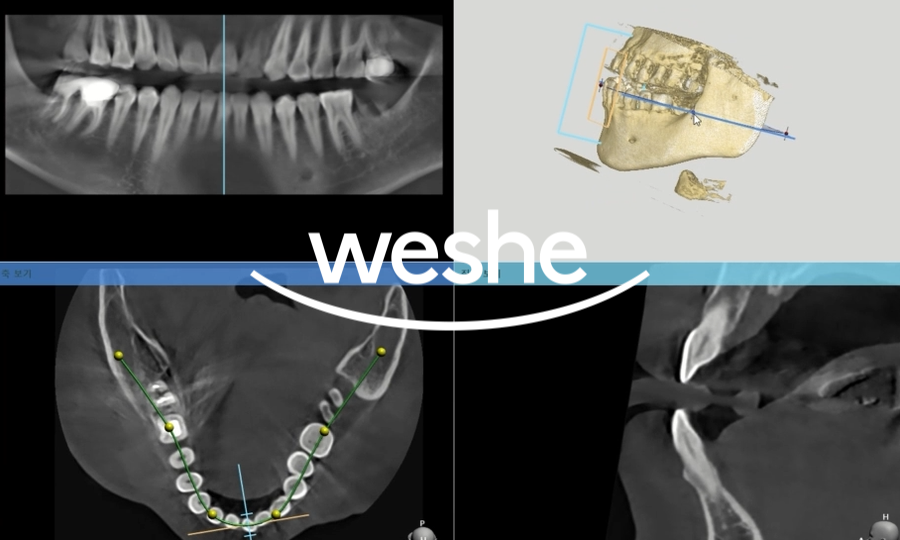
The extraction sequence of the existing teeth, as well as the number, position, and angle of the implants,
are carefully planned through computer simulation.
Because the maxilla is an area where aesthetics are important,
the gum line, tooth length, and color are designed with great care.
✔ Establishing a safety plan
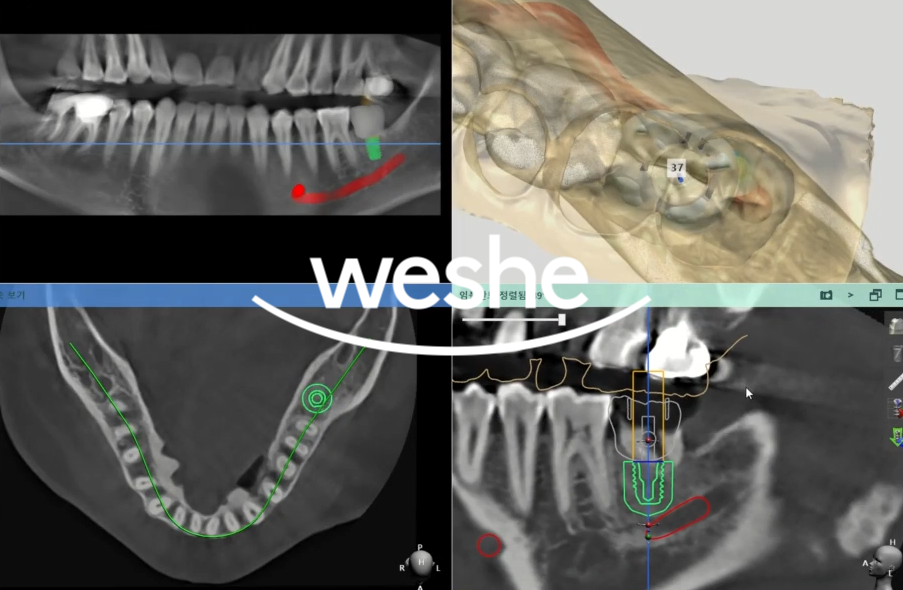
A mock surgery is performed on the computer to create a surgical guide.
It is assessed whether immediate implant placement after extraction is possible,
and a safe placement path is determined to minimize the risk of damage to the maxillary sinus, nerves, and blood vessels.
[Surgery and treatment process]
✔ Preparation for sedation treatment
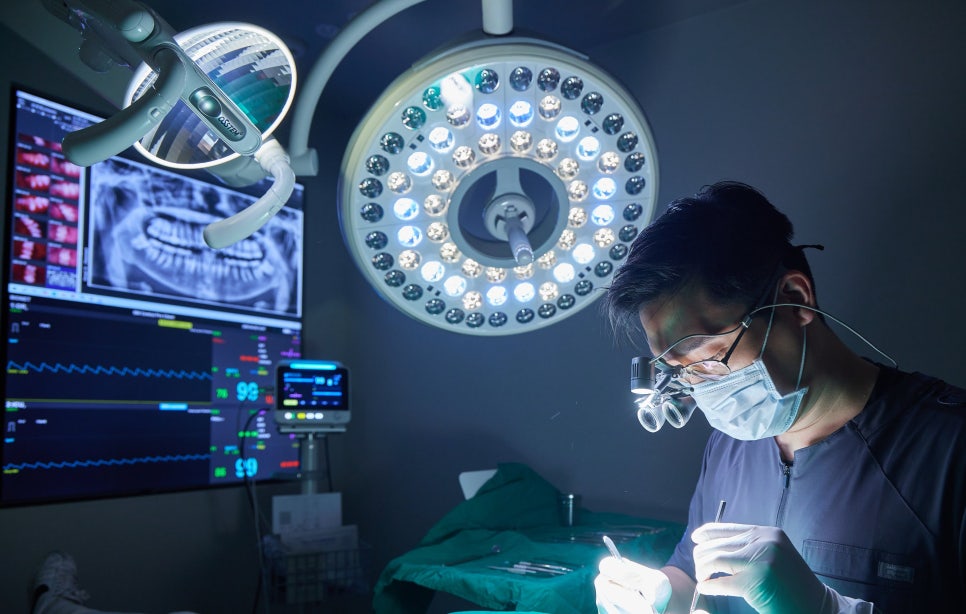
Before surgery, the general physical condition is checked,
and safety for sedation treatment is confirmed.
Medication for conscious sedation is administered intravenously
to create a comfortable and safe state.
During surgery, vital signs are continuously monitored
to maintain a safe surgical environment.
✔ Immediate implant placement with extraction
While under sedation, the existing teeth are extracted,
and using a pre-made surgical guide, implants are placed accurately in the planned positions at the same time.
Because of sedation treatment, there is little memory of the procedure,
which greatly reduces psychological burden.
If immediate implant placement with extraction is difficult,
implants may be placed after a healing period following extraction.
The digital guide minimizes surgical error
and greatly reduces the risk of maxillary sinus perforation.
✔ Immediate temporary teeth placement
After upper jaw implant placement, temporary teeth are attached immediately,
allowing basic chewing and speech from the same day.
Temporary teeth play an important role in maintaining the shape of the upper gum line
during the healing period and ensuring aesthetics.
[Final prosthesis]
✔ Osseointegration period
The final prosthesis is made after 4 to 6 months,
when the upper jaw implants have completed osseointegration with the bone.
Because the bone density of the maxilla is lower than that of the mandible,
the osseointegration period may take slightly longer.
✔ Completion of the final prosthesis
The final prosthesis is made so that the shape and color of each tooth are as similar as possible to natural teeth.
In particular, because the maxilla is visible when smiling,
aesthetics are given special attention.
Through bite adjustment, the upper and lower teeth are made to fit together precisely,
fully restoring chewing function.
Dental clinic in Magok-dong
What should be carefully considered when choosing a treatment method?
✔ Possibility of preserving existing teeth
If some of the existing teeth are still treatable,
individual treatment may need to be considered first.
Extracting even healthy teeth is something that must be decided carefully,
so sufficient review is necessary.
✔ Individual oral condition
If the amount and quality of the maxillary bone are sufficient and the maxillary sinus is not large,
individual implants may be more suitable.
If the maxillary sinus is very large or the maxillary bone is severely resorbed,
additional bone grafting or sinus lift surgery may be needed,
which can increase the treatment period and cost.
✔ General health condition
If the surgical risk is high due to age or systemic disease,
non-surgical treatment methods may need to be considered.
If risk factors such as smoking or diabetes are present,
they can affect the success rate of upper jaw implants,
so careful judgment is needed.
✔ Importance of aftercare
Without regular checkups and thorough oral care,
it is difficult to ensure long-term success.
When deciding on a treatment method, it is important to establish the most suitable treatment plan
through sufficient consultation and examination.
Above all, customized treatment suited to each individual maxillary condition
can lead to the best results.
The information introduced today was an overall explanation of maxillary full-arch implants
and a comfortable treatment process through sedation.
I hope this was helpful for those who needed dental information related to this topic,
and I will end here.
Thank you for reading this long post.
Treatment period: 2025.01.12.~2025.06.25