Hello,
I am Won Yujin, director of Gangseo-gu Dentistry,
Smile Surgeon, who restores your healthy smile.
Are you planning treatment after losing a molar,
but were told that the available bone is insufficient?
What is available bone?
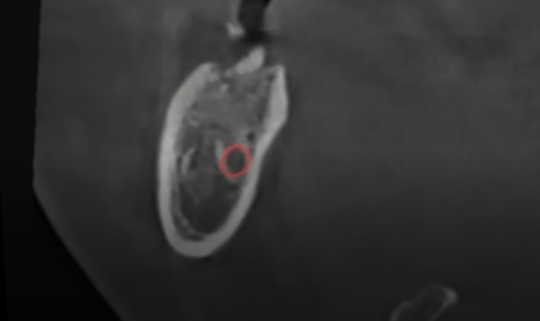
It refers to the amount and quality of alveolar bone
that remains sufficient and appropriate
for fixture placement.
It is a term that broadly refers to the height and width of the bone,
as well as its strength and density.
For an implant to be placed successfully,
there must be enough bone of sufficient quantity and quality
left in the jawbone.
If the available bone is insufficient,
additional treatment to reinforce the bone,
such as bone grafting or sinus lifting, is needed.
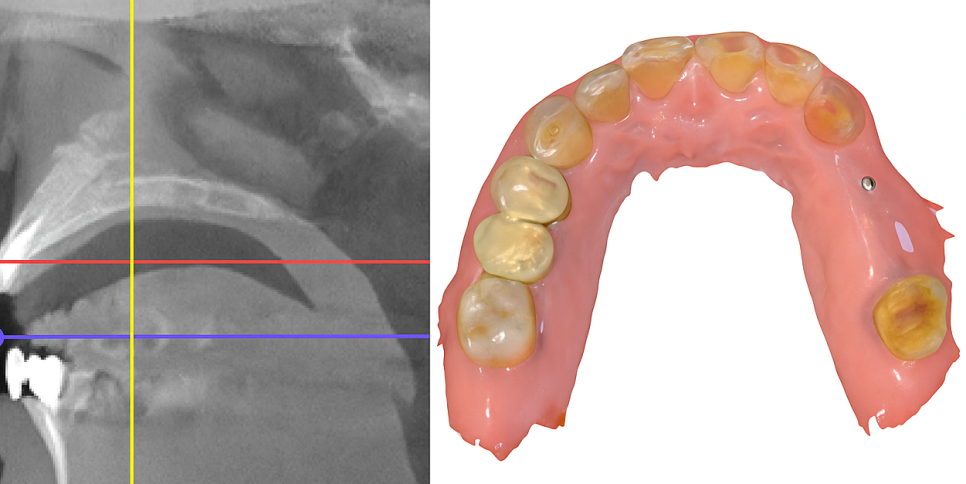
Through CT imaging,
the height, thickness, and density of the jawbone
must be accurately evaluated.
In this process, the degree of available bone
acts as a factor that determines
the treatment plan and prognosis.
Gangseo-gu Dentistry explains
- Main methods applied when available bone is insufficient
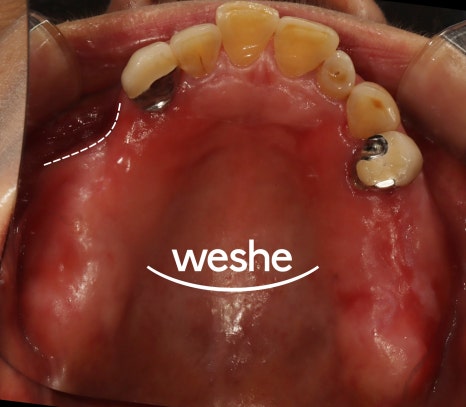
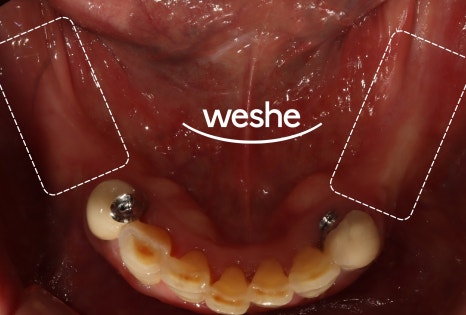
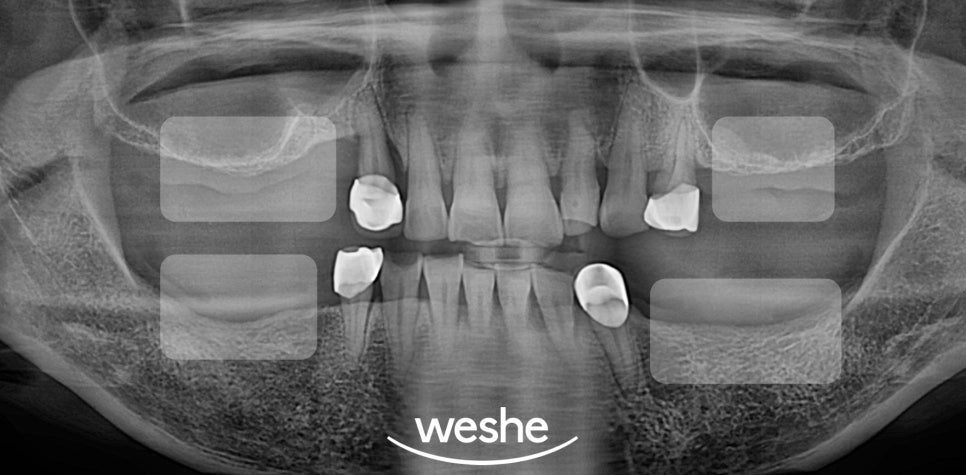
When placing a molar fixture,
if the available bone is insufficient, several methods
can be applied.
The first is bone grafting.
Autogenous bone, allogeneic bone, xenogeneic bone, or synthetic bone, etc.
are grafted into the implant placement area
to increase the amount of bone.
A representative technique is guided bone regeneration,
in which the graft material is placed and covered with a membrane
to guide bone regeneration.
The second is sinus lifting.
It is mainly used in upper molar implant surgery
when bone height is insufficient.
This method lifts the floor of the maxillary sinus
and fills the space with bone graft material
to expand the bone.
Gangseo-gu Dentistry explains
- Simultaneous sinus lift and navigation guide use
When performing a sinus lift
and a navigation guide simultaneously,
several factors are considered.
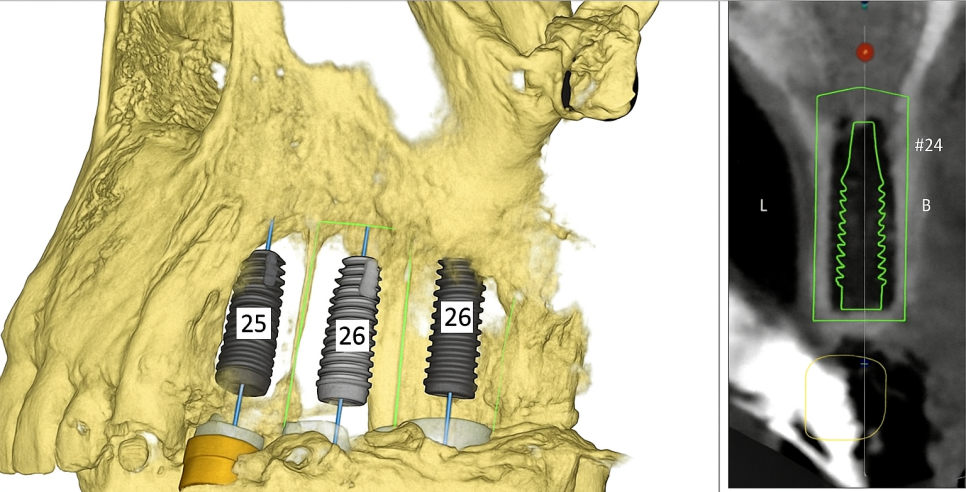
Accurate 3D diagnosis and planning are important.
Before surgery, the anatomical structure of the maxillary sinus
is precisely analyzed using 3D CT and an intraoral scanner.
The thickness of the remaining bone, the position and thickness
of the sinus membrane, and the implant placement site
are carefully reviewed.
Using a navigation system,
the fixture placement and sinus lift location
can be simulated in advance.
Planning the optimal position and angle
improves accuracy.
The fabrication of the navigation guide and management of registration error
are also important factors.
CT and intraoral scan data are needed
to position the navigation guide device.
At this time, registration error in the guide
may accumulate, so error must be minimized
during all data registration processes.
In actual treatment,
proceed carefully while keeping the possibility of error in mind.
Gangseo-gu Dentistry explains
- Key considerations in the first surgery
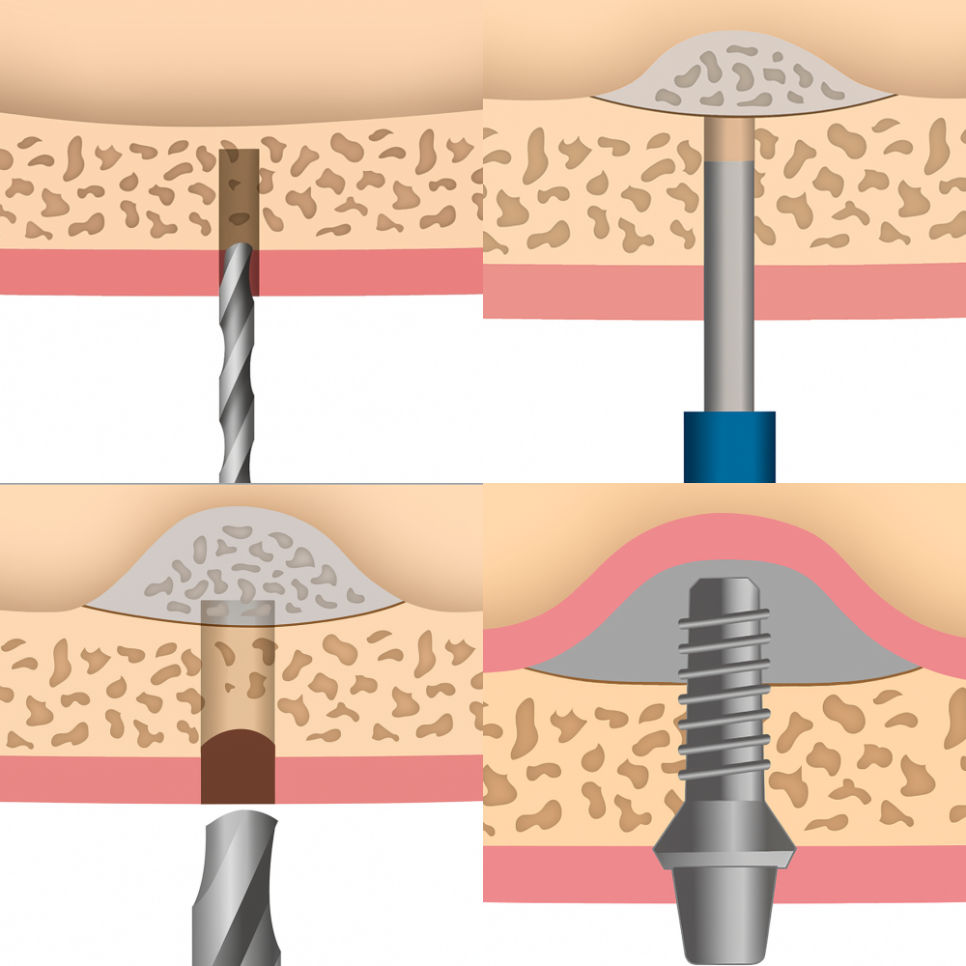
First, when lifting,
preventing damage to the maxillary sinus membrane is important.
Because the floor of this area
is made of a thin membrane, careful manipulation is needed during placement
to avoid damaging the membrane.
The navigation guide helps to a certain extent,
but in actual clinical practice,
one must always be prepared for the possibility
of membrane rupture or mucosal damage.
When placing the fixture,
initial stability must be secured
to reduce the risk of early failure.
When implant placement is performed simultaneously with sinus lifting,
thin bone may make initial stability difficult to achieve.
If necessary, sufficient bone graft volume should be secured,
or staged second placement should be considered.
Checking the placement environment and the patient's mouth opening
is also an important consideration.
Posterior access may be limited by the patient's mouth opening.
Because of the size of the navigation implant guide,
visibility and accessibility may be reduced,
so adequate visibility and access must be prepared in advance.
Gangseo-gu Dentistry explains
- Second surgery and the treatment completion process
The second stage is
relatively simpler than the first.
After confirming whether the implant placed with sinus lifting
has properly integrated with the bone,
the abutment is connected.
Afterward, following a healing period of about 2–3 weeks,
the final crown is fabricated.
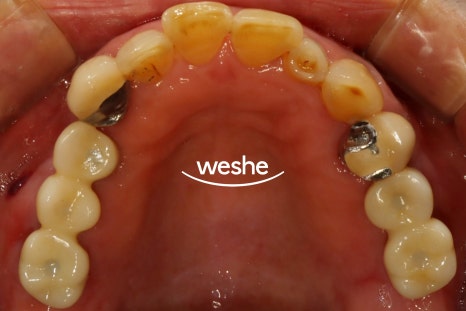
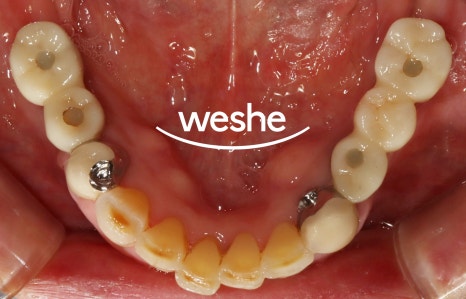
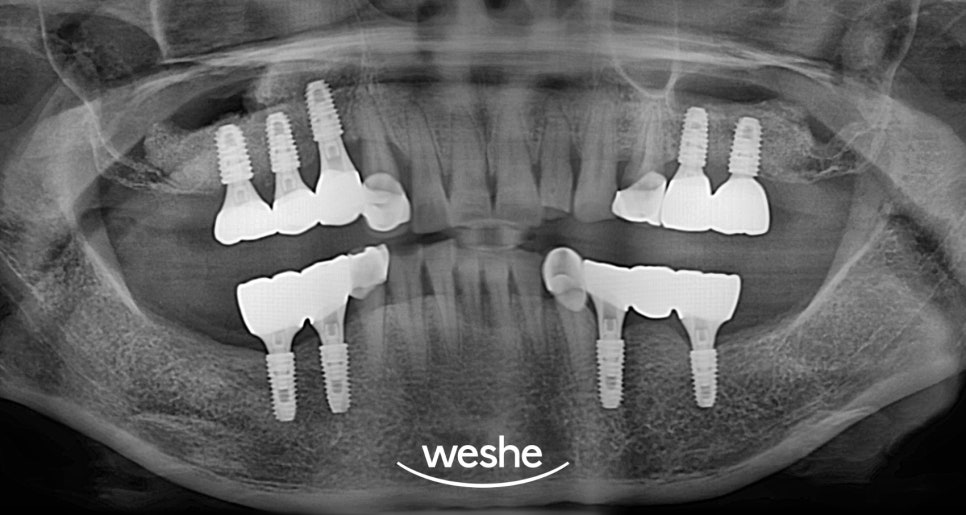
A molar crown should be made sturdy enough
to withstand chewing forces.
A natural-looking crown is made to match each person's tooth color and shape.
After treatment is completed,
regular checkups and management are necessary.
The area that received sinus lifting may require
more careful care than a standard implant.
In general, follow-up examinations every 6 months
are needed to check the condition of the fixture
and surrounding tissues.
Smile Surgeon,
rebuilding your healthy smile,
this was Director Won Yujin of Gangseo-gu Dentistry.
Thank you for reading this long post.
Treatment period: 2025.01.10~2025.07.10